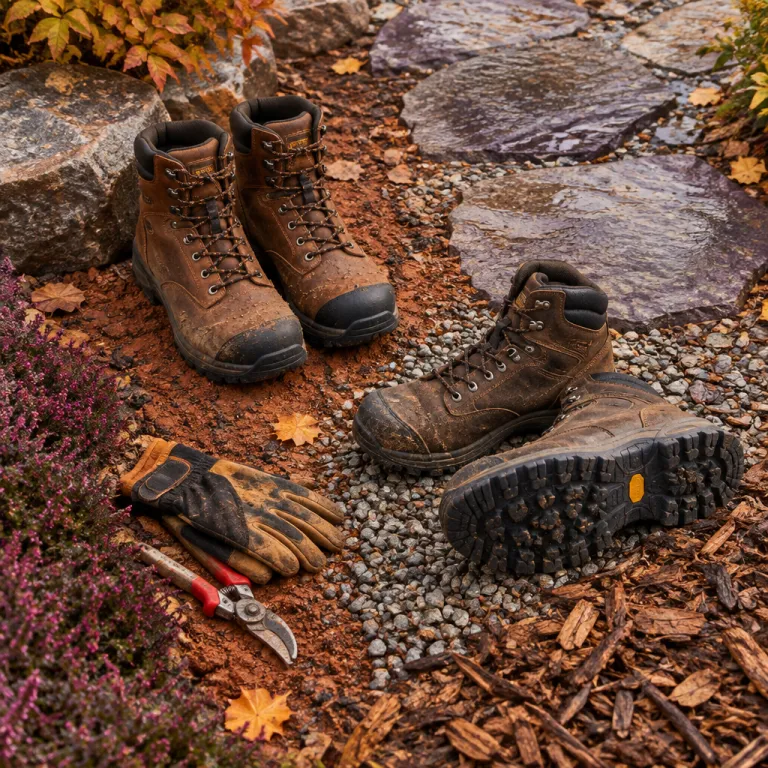
Why serious hikers care about the best boots for landscaping
Many experienced hikers eventually look for the best boots for landscaping because trail skills transfer directly to demanding ground work. When you spend long days moving rock, cutting steps in clay, or shaping drainage lines, you quickly realise that a true work boot must blend mountain level ankle support with job site level protection. The same instincts that guide you toward precise edging on wet granite will help you judge which landscaping boots can handle slick soil and wet grass without rolling your foot.
For outdoor professionals who split time between trail building, yard work, and farm and ranch maintenance, one pair of boots rarely covers every scenario. You need a boot that feels nimble enough for steep singletrack yet tough enough for landscaping work around stone walls, timber sleepers, and compacted gravel. That is why many mountaineers now evaluate work boots using the same criteria they apply to alpine footwear, from midsole stiffness to toe protection and from waterproof performance to outsole rubber hardness.
When you assess any Georgia Boot or similar work boot, think about how it will behave on a muddy approach trail before you even reach the job site. A model marketed as the best work boot for construction might still fail on a sloping lawn if the rubber compound is too hard for wet grass traction. Treat every pair of boots landscaping professionals recommend as you would a new mountain boot, and insist on a precise size, a stable platform, and a safety toe design that does not compromise edging on uneven ground.
Toe protection: steel, alloy, and composite options for technical ground
Toe protection defines whether a pair belongs among the best boots for landscaping or stays in the warehouse. A traditional steel toe work boot offers maximum crush resistance for heavy stone, but the extra weight can feel punishing when you hike several kilometres to a remote landscaping work site. Many trail builders now prefer composite toe or alloy toe designs because they reduce fatigue while still meeting ASTM F2413 safety toe standards for impact and compression.
When you compare steel toe boots with composite toe boots, think about your terrain as much as your tools. Steel toe caps conduct cold and heat, which can be uncomfortable on exposed ridgelines or during winter yard work, while composite toe shells insulate better and avoid metal detectors on industrial sites. Alloy toe models sit between both extremes, giving you thinner walls and more interior volume in the toe box, which helps when you need precise foot placement on narrow rock edges or timber steps.
Some Georgia Boot lines use Carbo-Tec technology to reinforce the toe work zone without adding bulk, which matters when you kick steps into a clay bank or brace against a wheelbarrow on a slope. A boot marketed as a Carbo-Tec model usually combines a protective rand with a durable waterproof membrane at the toe, so you can stand in shallow water while setting stones without soaking your socks. For wet technical terrain where you might cross creeks or irrigation channels, it is worth reading how serious hikers evaluate deck style work boots in this expert analysis of wet terrain boots before you commit to any steel toe or composite toe purchase.
Waterproofing, rubber compounds, and grip on wet grass
Water management separates average footwear from the best boots for landscaping on real terrain. A pair of waterproof boots that only survives a light shower will fail quickly when you spend hours in wet grass, saturated soil, and shallow drainage ditches. Hikers who already trust a mountain grade waterproof membrane know that sealed seams, gusseted tongues, and high rands matter more than marketing slogans.
Look closely at the rubber outsole when you evaluate any Georgia Boot or similar work boots for landscaping work on slopes. Softer rubber grips rock and timber better, while slightly firmer compounds last longer on abrasive gravel and farm and ranch tracks, so the ideal boot balances both characteristics. Deep, open lugs shed mud efficiently, which keeps traction consistent when you move from lawn edging to compacted paths and then to loose fill around retaining walls.
Some Carbo-Tec models pair a waterproof upper with a rubber shell that wraps higher around the boot, giving extra protection when you stand in puddles or work near irrigation leaks. That kind of Carbo-Tec construction helps keep your socks dry even when water flows across the lawn, and it also stabilises the lower boot for better edging on slick banks. If you regularly transition from wet landscaping sites to snowy trailheads or alpine towns, it is worth studying how winter specialists style and use insulated models in this snow boot performance guide before choosing your next pair of waterproof work boots.
Fit, size, and ankle support for long days on uneven ground
Even the best boots for landscaping fail if the size and fit are wrong for your feet. Long days of yard work, stone setting, and farm and ranch chores magnify every pressure point, so you must treat a work boot fitting like a mountaineering boot fitting. That means measuring both feet late in the day, wearing your usual hiking socks, and checking that you have enough toe room for downhill walking without sacrificing precise control.
Experienced hikers know that ankle support is not just about collar height but also about how the boot wraps the midfoot and heel. A Georgia Boot with a well sculpted heel pocket and firm lacing across the instep will feel more secure on sidehills than a taller but sloppy Chelsea style, even if both share the same outsole. For landscaping boots used on steep lawns or terraced gardens, prioritise a snug midfoot and supportive shank, because those features reduce fatigue when you edge along narrow borders or carry loads across rutted ground.
Some workers prefer pull on Chelsea boots for quick yard work tasks, but they often sacrifice fine tuned ankle support compared with lace up work boots designed for technical terrain. If you must use a Chelsea work boot, choose a model with a firm heel counter, a supportive insole, and a stable outsole that resists torsion when you twist on wet grass. For hikers who also carry tools, layers, and water, pairing supportive boots with a compact layering system such as the one described in this daypack layering kit overview keeps overall load manageable and reduces strain on your ankles.
Materials, durability, and price for Georgia and similar work boots
Durability and value determine whether a pair truly ranks among the best boots for landscaping over several seasons of use. Full grain leather uppers with reinforced stitching usually outlast lighter synthetics when exposed to abrasive soil, stone dust, and constant flexing during landscaping work. Many Georgia Boot models use thick leather combined with Carbo-Tec overlays in high wear zones, which helps protect the boot when you kneel on gravel or brace against rough timber.
When you compare price between different work boots, consider cost per season rather than the initial number on the box. A cheaper boot that fails after one intense landscaping project costs more per month than a premium waterproof model that survives multiple years of yard work and farm and ranch duty. Pay attention to whether the outsole can be resoled, because a resolable Carbo-Tec construction often extends the life of the upper and reduces long term waste.
Rubber quality also influences both durability and safety, especially on wet grass and smooth stone. A high quality rubber outsole with a well designed lug pattern will maintain traction longer, which directly affects safety toe performance because fewer slips mean fewer impacts. For hikers who already invest in technical trail footwear, applying the same scrutiny to materials, stitching, and construction details in their landscaping boots ensures that every euro spent on price delivers real performance on the ground.
Practical buying guide for the best boots for landscaping work
A structured buying guide helps you translate hiking experience into smart choices about the best boots for landscaping. Start by listing your primary tasks, such as heavy stonework, light yard work, or mixed farm and ranch duties, then match each task to the level of protection and ankle support you truly need. For example, frequent use of plate compactors and stone saws usually justifies a steel toe or composite toe safety rating, while lighter pruning and planting might only require a robust soft toe work boot with strong underfoot protection.
Next, decide how much waterproof protection you require based on climate and terrain. In wet regions where landscaping work often happens on saturated soil and wet grass, fully waterproof boots with sealed seams and high rands are essential for comfort and safety. In drier climates, a water resistant leather work boot with breathable linings may keep your feet cooler while still handling occasional puddles and irrigation leaks.
Finally, watch for seasonal sale periods when reputable retailers discount Georgia Boot lines and other premium work boots without cutting corners on safety standards. Use those sales to upgrade from basic yard work footwear to true landscaping boots that combine a certified safety toe, reliable waterproof construction at the toe, and supportive midsoles. When you treat your work boot purchase with the same seriousness as a mountaineering boot investment, you end up with footwear that protects you on the job and performs confidently on every approach trail.
Key figures on landscaping boots, safety, and work injuries
- According to the U.S. Bureau of Labor Statistics, more than 60,000 foot injuries occur annually in workplaces, and a significant share involves construction and landscaping trades where appropriate safety toe boots could reduce impact severity (see BLS, “Nonfatal Occupational Injuries and Illnesses Requiring Days Away From Work,” table on nature of injury).
- Occupational Safety and Health Administration guidance notes that proper protective footwear can prevent or lessen the severity of many foot injuries caused by falling or rolling objects, which underscores the value of certified steel toe, alloy toe, or composite toe work boots on landscaping sites (OSHA, “Personal Protective Equipment,” 29 CFR 1910 Subpart I).
- Survey data published by Red Wing Shoes and other major boot manufacturers indicate that workers who wear correctly fitted waterproof boots are less likely to report lost time due to blisters and soft tissue foot injuries during wet season projects, highlighting the value of dry, well supported feet.
- Field studies in trail building and conservation crews reported in the International Journal of Industrial Ergonomics show that using boots with strong ankle support can reduce ankle sprain rates compared with low cut shoes on uneven, debris covered ground similar to many landscaping environments.
FAQ: best boots for landscaping and demanding outdoor work
What type of toe protection is best for landscaping work
Steel toe boots offer the highest impact resistance for heavy stone and machinery, making them ideal for intensive hardscaping. Composite toe and alloy toe boots still meet safety standards but weigh less and insulate better, which many hikers prefer for long approaches and mixed terrain. Choose the safety toe type that matches your heaviest tools while still feeling comfortable for several kilometres of walking.
Are waterproof boots always necessary for landscaping
Waterproof boots are essential if you regularly work on wet grass, saturated soil, or near irrigation systems, because dry feet reduce blisters and keep you warmer. In arid climates with mostly dry ground, a water resistant leather work boot may be enough and can breathe better in high heat. Match your waterproof level to the wettest conditions you realistically expect during the season, not just the average day.
How should landscaping boots fit for long days on uneven terrain
Landscaping boots should fit like hiking boots, with snug heels, secure midfoot hold, and enough toe room to prevent bruising on descents. You should be able to wiggle your toes while your heel stays locked when you walk uphill or sidehill. Try boots late in the day with your usual work socks and walk on an incline if possible to test real world fit.
What is the ideal boot height for landscaping and yard work
Mid height boots around the ankle usually balance mobility and ankle support for most landscaping tasks. Taller boots can help on very uneven ground or when you carry heavy loads, but they may feel hotter and restrict movement slightly. Low cut shoes rarely provide enough protection or stability for serious landscaping work on slopes or rocky soil.
How much should I expect to pay for high quality landscaping boots
High quality landscaping boots with certified safety toe protection and durable waterproof construction typically cost more than basic yard shoes, but they last longer and protect you better. Expect to pay a mid to upper price range for reputable brands such as Georgia and similar manufacturers that use robust leather, strong stitching, and quality rubber outsoles. Evaluating cost per season rather than initial price helps you see the real value of investing in durable work boots.