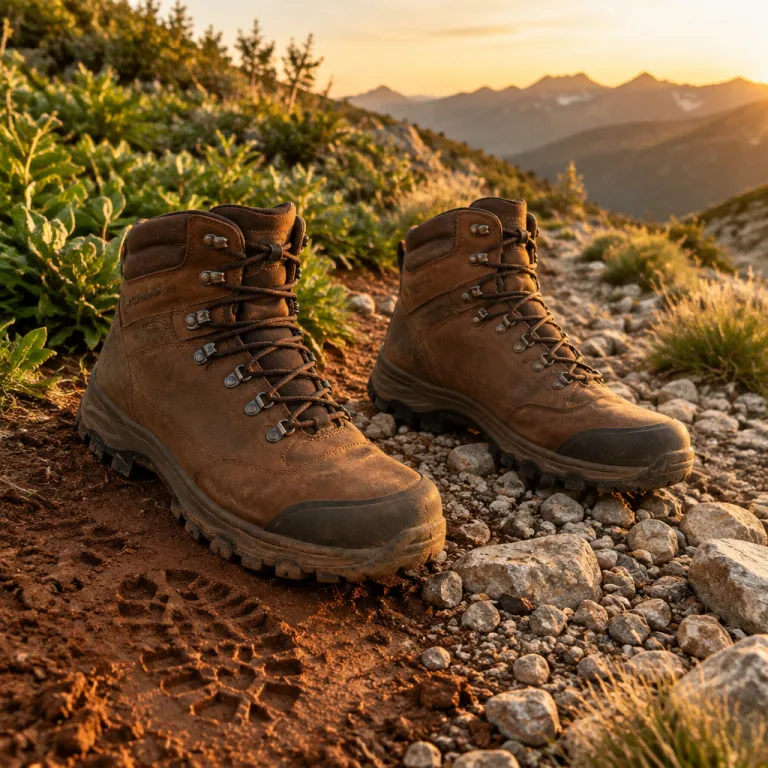
Why gardeners boots matter to serious hikers
Gardeners boots might seem humble, yet they solve problems mountaineers know well. When you spend hours in a wet garden, you quickly learn which waterproof materials, rubber compounds, and slip resistant soles actually work. That same daily abuse that garden boots endure mirrors the constant flex, mud, and rain that hiking boots face on long approaches.
Experienced hikers who also work in a garden often rotate between technical hiking shoes and rugged garden shoes during the same week. They notice how a simple pair of waterproof garden clogs can shed sticky clay better than some premium trail models, especially when the tread pattern channels mud away from the foot. This cross comparison between garden boots and mountain footwear exposes which product designs are marketing and which are genuinely built for outdoor work in harsh conditions.
For outdoor enthusiasts who maintain trails, orchards, or vegetable plots, gardeners boots become a year round testing lab. You feel how a mid height rain boot protects the ankle when stepping into hidden holes, and how boots waterproof membranes fail once the rubber shell cracks. That lived experience with garden rain, rain boots, and rubber boots gives you a sharper eye when choosing the best hiking boots for multi day traverses, whether you prefer traditional leather uppers or modern synthetic constructions.
Translating garden durability into mountain ready work boots
Trail crews and alpine gardeners often rely on heavy duty work boots that blur the line between garden and mountain use. A pair of protective work boots used for chainsaw tasks in the garden must handle slick roots, loose soil, and sudden impacts, just like footwear used on steep logging roads. When you evaluate a brand that sells both garden boots and technical hiking models, you can track how their rubber formulas, waterproof slip treatments, and slip rubber outsoles perform across environments.
For example, many deck boots originally designed for fishing decks now appear on lists of the best boots for landscaping and demanding outdoor work, and they increasingly show up on muddy approach hikes. Their waterproof rubber shells shrug off garden rain, slurry, and snowmelt, while the ankle height keeps debris out without restricting movement on uneven ground. When a product survives a full season of pruning, compost turning, and stone hauling, it usually has the structure needed for rough backcountry portages and long, wet portage trails.
Price awareness also transfers from the garden to the mountains, because gardeners track every eur spent on tools and shoes. If a pair of muck boots or other rubber boots costs less than mid range hiking boots yet lasts longer under constant outdoor work, that durability ratio matters. Hikers who compare the price of women specific garden shoes, men focused work boots, and unisex rain shoes quickly see which brand offers real value rather than marketing hype, especially when free shipping and clear size charts reduce costly returns.
Read more about choosing the right footwear for demanding terrain in this guide on the best boots for landscaping and demanding outdoor work, which applies directly to trail building and hut maintenance.
Waterproof performance: from garden rain to alpine storms
Anyone who has stood in a flooded garden bed knows that waterproof claims are often exaggerated. Gardeners boots that leak during a short rain boot test will certainly fail during a multi hour alpine downpour or when crossing icy streams. That is why serious hikers pay attention to how waterproof garden footwear behaves during daily irrigation, hose spray, and mud cleaning, instead of relying only on marketing labels or generic waterproof ratings.
Rubber boots and rain boots used in the garden provide a clear baseline for what true boots waterproof performance feels like under constant saturation. If waterproof rubber cracks near the ankle flex point after a few months of kneeling and squatting, the same weakness will appear in hiking boots that use similar compounds. Mountaineers who also garden often keep a mental list of which brand maintains a reliable waterproof slip barrier and which shoes slowly seep through the seams, especially along the toe box and heel counter.
Seasonal shifts matter as well, because garden rain in early oct can be cold enough to mimic shoulder season mountain conditions. When your garden shoes keep feet warm and dry while you move irrigation hoses in sleet, you gain confidence that the same product philosophy will work on boggy plateaus. For a deeper technical look at when waterproof membranes truly earn their keep in mud and cold puddles, see this analysis of why fall mud and cold puddles change the waterproof boot equation.
Fit, size, and ankle support learned in the garden
Gardeners who spend long days bending, lifting, and walking quickly learn that size accuracy matters as much as waterproof ratings. A garden boot that is half a size too large will cause heel lift, blisters, and unstable footing on wet grass. The same misfit in hiking boots becomes dangerous when edging on loose scree or descending steep, muddy tracks, where a sloppy fit can twist the ankle or bruise toenails on long descents.
Working in a garden also highlights how ankle height changes both comfort and protection during repetitive tasks. Low garden clogs feel agile when you move between raised beds, but they expose the ankle to impacts from stones, tools, and hidden roots. In contrast, mid height garden boots and rain shoes with structured ankle collars stabilize the joint during lateral movements, which mirrors the support needed when side hilling with a heavy pack or carrying timber for trail repairs.
Outdoor enthusiasts who rotate between women specific and men specific gardeners boots notice subtle last differences that affect circulation and toe splay. Women often benefit from narrower heels and slightly lower volume over the instep, while men may prefer broader forefeet in both garden shoes and mountain boots. When brands publish a clear size chart in eur measurements and offer free shipping on exchanges, hikers can fine tune fit before committing to a pair of premium work boots or technical alpine models.
Traction, slip resistance, and rubber compounds across environments
Slipping on algae coated flagstones in a garden teaches the same hard lesson as sliding on wet rock slabs above treeline. The quality of the rubber compound and the tread design on gardeners boots directly influences how secure you feel on mixed terrain. When a product promises slip resistant performance, you can test that claim every time you cross a muddy garden path or climb a damp wooden step, paying attention to how the lugs bite into soil and how quickly the sole sheds debris.
Garden rain creates a laboratory of surfaces, from compacted soil to slick decking, that quickly reveals weaknesses in cheap shoes. Deck boots that grip well on wet boat decks often translate into excellent traction on soaked garden boards and trail bridges. If your garden boots maintain friction on clay, gravel, and grass without sudden slip events, that same rubber formula will likely perform well on mossy boulders and forest roots, where micro texture and compound softness matter more than aggressive tread alone.
Mountaineers who do outdoor work around huts or base camps often wear the same pair of rubber boots for both chores and short approaches. They notice how certain muck boots and rain boots shed caked mud with a quick stomp, while others hold debris and lose grip. Over time, this lived comparison builds a trusted list of brands whose waterproof rubber, slip rubber lugs, and overall sole geometry genuinely reduce fall risk in both garden and alpine settings.
For layering strategies that complement grippy footwear in wet conditions, this guide to a compact fall layering kit that fits in a daypack shows how clothing and boots work together to keep you stable and warm.
From gardeners boots to all season mountain systems
Many experienced hikers now treat gardeners boots as part of a modular footwear system rather than a separate category. A typical kit might include lightweight hiking shoes for dry trails, insulated rain boots for cold garden rain, and robust garden clogs for quick trips outside the tent or cabin. By rotating these products through both garden and mountain use, you learn which combinations handle shoulder season slush, summer thunderstorms, and early oct frosts.
Price strategy also becomes clearer when you compare how long each product lasts under daily outdoor work. If a pair of garden boots survives two full growing seasons of digging, pruning, and hauling, that durability often exceeds what some hiking boots deliver under weekend use. Hikers who track cost per day in eur, including shipping and any free shipping promotions, can justify investing in a premium brand that proves itself in both garden and alpine environments.
Finally, the gender split in gardeners boots offers useful insights for women and men who tackle technical terrain. Women specific garden shoes and rain shoes often prioritize lighter weight and softer flex, which can inform choices for fast and light mountain missions. Men focused work boots and supportive construction footwear may inspire more robust options for carrying expedition loads, while unisex rubber boots and boots waterproof models bridge the gap between casual garden use and serious backcountry travel.
Key statistics on gardeners boots and outdoor footwear
- Industry surveys from major European outdoor retailers consistently report that rubber boots and rain boots represent a substantial share of overall outdoor footwear sales, reflecting the importance of waterproof protection for both garden and trail users.
- Retailer feedback and internal return data show that products labeled as slip resistant tend to generate fewer slip related complaints and returns than non labeled shoes, underlining the value of tested traction in wet gardens and on muddy paths.
- Reports from large e commerce platforms indicate that free shipping and free returns significantly increase conversion rates on garden boots and work boots, especially when detailed size charts in eur sizing are provided and customers can compare multiple fits at home.
- Analyses from outdoor trade associations note that women specific outdoor footwear, including garden shoes and rain shoes, now accounts for a large and growing portion of category revenue, signaling sustained demand for tailored fit and performance.
- Field testing by trail crews and landscaping teams, summarized in public maintenance reports, consistently finds that high quality waterproof rubber footwear lasts noticeably longer under daily outdoor work than low cost alternatives, despite a higher initial price.
FAQ about gardeners boots for hikers and mountaineers
Can gardeners boots replace hiking boots on mountain trails ?
Gardeners boots can handle short, muddy approaches and low angle trails, especially when they use slip resistant rubber and offer good ankle support. However, they usually lack the precise edging, rock protection, and crampon compatibility needed for technical mountain routes. Most mountaineers treat them as complementary footwear rather than a full replacement for dedicated hiking boots.
What should I look for in waterproof gardeners boots for mixed use ?
Focus on a fully sealed waterproof rubber lower, a durable upper that resists cracking at flex points, and a tread pattern that sheds mud easily. Check that the size feels secure with hiking socks, leaving enough room for toe splay without heel slip. A proven brand with clear product information, including weight and insulation level, will usually perform better in both garden and trail conditions.
Are garden clogs suitable for camp shoes on multi day hikes ?
High quality garden clogs make excellent camp shoes because they are easy to clean, quick to slip on, and often lighter than traditional sandals. Choose models with some heel retention and textured insoles so your feet stay stable on uneven ground around the tent. Waterproof garden clogs also let you walk through wet grass or shallow puddles without soaking your socks.
How do I compare price and value between garden boots and hiking boots ?
Calculate cost per day of use by dividing the price in eur by the number of days you realistically expect to wear each pair. Gardeners boots used for daily outdoor work often accumulate more hours than weekend only hiking boots, which can make a slightly higher price more acceptable. Consider warranty terms, free shipping policies, and replacement insole availability when judging long term value.
Should women and men choose different styles of gardeners boots for mountain use ?
Women often benefit from narrower heels and slightly lower volume lasts, while men may prefer wider forefeet and stiffer midsoles for heavy loads. That said, many unisex garden boots, rain boots, and work boots fit a broad range of feet, so trying several styles remains essential. Prioritize fit, traction, and waterproof performance over gender labels when selecting gardeners boots for any hiking or mountaineering context.