
Understanding the unique demands of hiking boots for trail running
Why Trail Running Demands More from Your Footwear
Trail running is not just about speed; it’s about navigating unpredictable terrain, managing elevation changes, and keeping your feet protected from roots, rocks, and water. Unlike road running, the wild outdoors brings a mix of mud, gravel, and technical paths. This means your shoes need to do more than just cushion—they must support, grip, and shield your feet in ways traditional running shoes or hiking boots might not.
What Makes Trail Running Shoes Stand Out
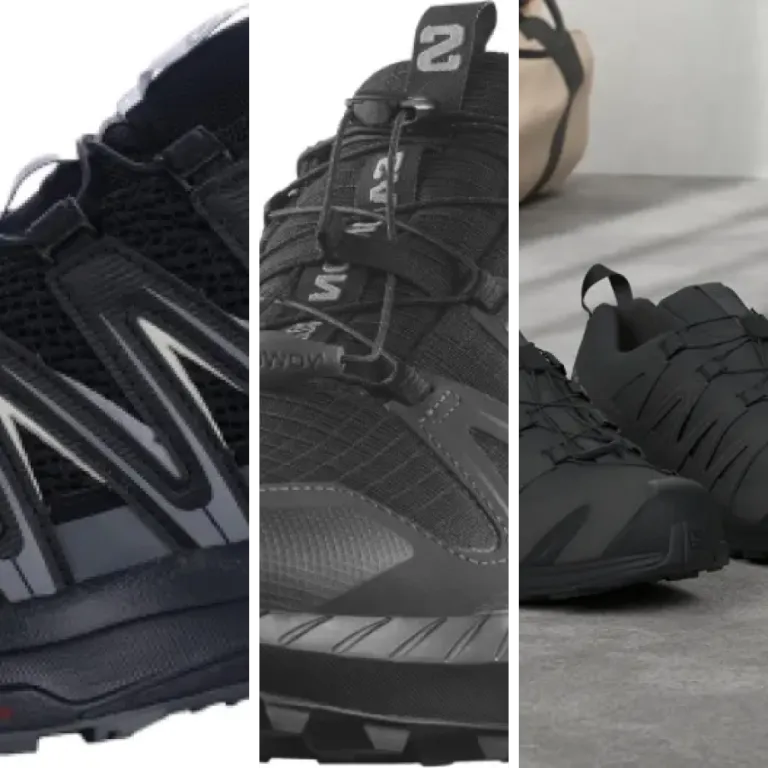
Trail shoes are engineered for the demands of the trail. They often feature reinforced toe boxes to guard against stubs, and their outsoles use aggressive lugs for traction on loose or slippery surfaces. Many models, like the Hoka Speedgoat or Salomon Speedcross, are designed to balance weight and durability, making them great for both moderate and challenging routes. Waterproof shoes are also popular for those who want to keep their feet dry during stream crossings or rainy days.
- Drop: Trail runners come in various heel-to-toe drops, from zero-drop models like the Altra Lone Peak to higher-drop options for those who prefer more heel cushioning.
- Fit: A wide toe box, as seen in brands like Altra and Topo Ultraventure, allows your toes to splay naturally, reducing the risk of blisters and fatigue on long hikes.
- Weight: Lighter shoes mean less fatigue over long distances, but it’s important to balance weight with protection and durability.
When to Choose Trail Running Shoes Over Hiking Boots
Many experienced hikers and mountaineers are making the switch to trail running shoes for their best trail adventures, especially on moderate terrain where flexibility and speed matter. However, traditional hiking boots still have their place for heavy loads or technical, high-alpine routes. If you’re curious about how hiking boots perform on the trail, check out this in-depth review of waterproof hiking boots for a closer look at their pros and cons.
Ultimately, the right shoe depends on your experience, the terrain, and your personal preferences. The next sections will dive deeper into the features that set the best trail running shoes apart, how to find the right fit, and how to care for your gear so you can experience wild trails with confidence.
Key features to look for in the best trail running shoes
Essential Elements for Trail Performance
When you shop for the best trail running shoes, understanding what sets them apart is crucial. Trail runners face unpredictable terrain, so the right shoe can mean the difference between a great experience and a tough day on the trail. Here’s what to focus on:
- Traction: Outsoles with aggressive lugs, like those found on the Salomon Speedcross or Hoka Speedgoat, provide grip on mud, rocks, and loose dirt. This is vital for staying upright in the wild.
- Fit and Toe Box: A wide toe box, as seen in Altra Lone Peak and Topo Ultraventure, allows your toes to splay naturally, reducing blisters and fatigue on long runs. The right fit prevents slipping and hot spots.
- Drop and Cushioning: The heel-to-toe drop affects your stride. Altra shoes offer a zero-drop platform for a natural feel, while Hoka and Pegasus Trail provide moderate to high drop for added cushioning and protection.
- Weight: Lightweight shoes reduce fatigue, especially on longer hikes. Compare the weight for men’s and women’s models to find what works best for your needs.
- Waterproofing: Waterproof shoes, like some Salomon and Hoka models, keep feet dry in wet conditions but may sacrifice breathability. Consider your local climate and trail conditions.
- Durability: Reinforced uppers and sturdy outsoles help shoes withstand rugged trails. Materials and construction quality can impact price and lifespan.
Each brand brings unique pros and cons. Altra Experience and Lone Peak models are known for their comfort and wide fit, while Hoka Speedgoat is praised for plush cushioning. Salomon excels in technical trails with their Speedcross line. Topo Ultraventure offers a balance of comfort and performance. When you’re comparing price, weight, and features, think about your typical trail conditions and personal preferences.
For those interested in how construction and safety features can impact your trail running experience, check out this test of a steel toe construction shoe for more insights.
Comparing trail running shoes and traditional hiking boots
Trail Runners vs. Traditional Hiking Boots: What Sets Them Apart?
When choosing between trail running shoes and classic hiking boots, it’s important to understand the distinct advantages and limitations of each. Both options are designed for the wild, but they cater to different needs and preferences on the trail.
- Weight and Agility: Trail runners like the best trail running shoes are significantly lighter than traditional hiking boots. This reduced weight translates to less fatigue over long distances, making them a great choice for experienced hikers covering moderate to high mileage.
- Protection and Support: Hiking boots typically offer more ankle support and a stiffer sole, which can be beneficial on rocky or uneven terrain. However, modern trail shoes like the Hoka Speedgoat or Salomon Speedcross provide a balance of flexibility and protection, especially for those who prefer a more natural running experience.
- Fit and Toe Box: Trail running shoes often feature a wider toe box, such as the Altra Lone Peak or Topo Ultraventure, allowing toes to splay naturally. This can help reduce blisters and improve comfort during long hikes. Traditional boots, on the other hand, may feel more restrictive but offer a snug fit for technical climbs.
- Waterproofing: Many hiking boots are fully waterproof, making them suitable for wet conditions. Trail runners are available in both waterproof and non-waterproof options, so it’s important to shop according to your needs. Waterproof shoes like the Pegasus Trail or Altra Lone Peak waterproof models are great for muddy or rainy trails.
- Drop and Cushioning: Trail running shoes often have a lower heel-to-toe drop, promoting a more natural stride. Brands like Altra and Hoka focus on moderate to zero drop designs, which can be beneficial for runners seeking a minimalist feel. Hiking boots usually have a higher drop and more rigid cushioning for stability.
- Durability and Price: Hiking boots are built to last, with robust materials that withstand harsh environments. Trail runners, while lighter, may wear out faster, especially on rugged terrain. Consider the price weight balance when choosing the best trail shoe for your adventures.
Ultimately, the choice between trail running shoes and hiking boots depends on your hiking style, terrain, and personal preferences. Trail shoes offer agility and comfort for those who want to experience wild trails at a faster pace, while traditional boots provide unmatched support for heavy loads and technical routes.
Fit and comfort: avoiding blisters and fatigue on long hikes
Finding the Right Fit for Your Trail Adventures
When it comes to trail running shoes, fit and comfort are non-negotiable. The right shoe can mean the difference between a great day on the trail and hours of discomfort or even injury. For outdoor enthusiasts and experienced hikers, avoiding blisters and fatigue is key to enjoying long hikes and challenging terrain. A few factors make a big difference:- Toe Box: A wide toe box, like those found in Altra Lone Peak or Topo Ultraventure, allows your toes to splay naturally. This reduces friction and helps prevent blisters, especially on long, wild trails.
- Heel-to-Toe Drop: Moderate to low drop shoes, such as Altra Experience or Hoka Speedgoat, encourage a more natural running gait. This can help reduce fatigue over time, but it’s important to shop for a drop that matches your running style and comfort level.
- Fit for Your Foot Shape: Not all feet are the same. Some trail runners, like Salomon Speedcross, are known for a snug fit, while others, like Hoka, offer a roomier feel. Trying on several models is the best way to find what works for you.
- Waterproofing: Waterproof shoes are great for wet conditions, but can sometimes trap heat and moisture. Consider the pros and cons based on your typical trail conditions and personal preference.
Comfort Features to Look For
- Cushioning: High-cushion models like Hoka Speedgoat are excellent for reducing impact on rocky trails, but they can add weight. Lighter shoes may offer less protection but feel more agile.
- Breathability: Mesh uppers help keep your feet cool and dry, reducing the risk of blisters. However, waterproof shoes may be preferable for wet or muddy trails.
- Weight: The weight of men’s trail runners varies widely. Lighter shoes are great for speed, but heavier models often provide more support and durability.
Tips for a Blister-Free Experience
- Always try on trail running shoes with the socks you plan to wear on the trail.
- Shop for shoes at the end of the day, when your feet are slightly swollen, to ensure the best fit.
- Break in new shoes on moderate hikes before tackling wild, technical terrain.
- Consider the price weight balance—sometimes the best trail shoe is not the most expensive, but the one that fits your foot and hiking style.
Traction and outsole technology for challenging terrains
Grip and Stability on Rugged Trails
When you’re out on wild, unpredictable terrain, the traction and outsole technology of your trail running shoes can make or break your experience. The best trail shoes are engineered to keep you upright and confident, whether you’re crossing wet rocks, loose gravel, or muddy paths. Unlike traditional hiking boots, trail runners like the Hoka Speedgoat or Salomon Speedcross focus on aggressive lugs and sticky rubber compounds that bite into the ground. This means you get reliable grip even on steep, technical trails.
- Lug Pattern: Deep, multidirectional lugs help with braking and propulsion. Shoes like the Altra Lone Peak and Topo Ultraventure are great for moderate to high technical trails.
- Outsole Rubber: Premium compounds, such as those used by Salomon and Hoka, offer a balance of durability and grip. Wet rock and roots are less of a hazard with these materials.
- Flexibility: Trail running shoes are generally more flexible than hiking boots, allowing for better ground feel and adaptability to uneven surfaces. This is a big pro for experienced hikers who want to move fast and light.
- Heel-to-Toe Drop: A moderate drop (like in the Pegasus Trail or Altra Experience) can help with stability and reduce fatigue on long descents.
Choosing the Right Outsole for Your Needs
Not all trail runners are created equal. If you often encounter wet conditions, waterproof shoes with a sticky outsole are a wise choice. For those who prefer a wide toe box, models like the Altra Lone Peak offer comfort without sacrificing grip. Weight is another factor—lighter shoes mean less fatigue, but sometimes at the cost of outsole durability. Always check the price weight ratio and consider your typical trail conditions before you shop.
For those who want to experience wild trails without worrying about slipping, investing in the best trail running shoes with advanced outsole technology is essential. Whether you’re a trail runner, hiker, or mountaineer, the right shoe can help you tackle any terrain with confidence.
Caring for your trail running shoes to extend their lifespan
Simple Steps to Keep Your Trail Running Shoes in Top Shape
Taking care of your trail running shoes is essential if you want to get the best performance and value out of your investment. Whether you prefer the wide toe box of the Altra Lone Peak, the plush ride of the Hoka Speedgoat, or the aggressive grip of the Salomon Speedcross, maintenance routines can make a big difference in durability and comfort.- Clean after every run: Mud, grit, and debris from the trail can wear down the upper and outsole. After each outing, knock off excess dirt and rinse your shoes with cool water. Avoid using harsh detergents, as they can damage waterproof membranes and materials.
- Dry properly: Never put your trail shoes in direct sunlight or a dryer. Instead, remove the insoles and let them air dry in a well-ventilated area. Stuffing shoes with newspaper can help absorb moisture and maintain shape.
- Inspect for wear: Check the outsole for worn lugs, especially if you run on moderate or wild terrain. Pay attention to the heel toe drop and the integrity of the toe box. If you notice uneven wear or loss of traction, it might be time to shop for a new pair.
- Rotate your shoes: If you run or hike frequently, consider rotating between two pairs. This gives each shoe time to decompress and dry fully, extending their lifespan and maintaining comfort on long hikes.
- Store smartly: Keep your shoes in a cool, dry place. Avoid leaving them in a hot car or damp garage, as extreme temperatures and humidity can break down adhesives and materials.
When to Replace Your Trail Runners
Even the best trail running shoes, like the Topo Ultraventure or Pegasus Trail, have a limited lifespan. Most trail runners last between 300 and 500 miles, depending on the terrain, your weight, and running style. Signs that it’s time for a replacement include:- Noticeable loss of cushioning or support
- Outsole lugs are worn flat
- Upper fabric is torn or the waterproof membrane fails
- Persistent discomfort or new blisters
Pros and Cons of Waterproof Shoes
Waterproof trail shoes can be great for wet, muddy conditions, but they come with trade-offs. While they keep your feet dry on rainy days or stream crossings, they may not breathe as well as non-waterproof models. For those who experience wild weather or hike in high-moisture areas, waterproof shoes like the Altra Lone or Hoka Speedgoat GTX can be a smart choice. However, if you run mostly on dry trails, a lighter, more breathable shoe might be the best trail option.Final Tips for Trail Shoe Longevity
- Always untie your shoes before taking them off to avoid damaging the heel counter.
- Use a gentle brush to clean the outsole and remove stuck debris.
- If you use aftermarket insoles or orthotics, check them regularly for wear.