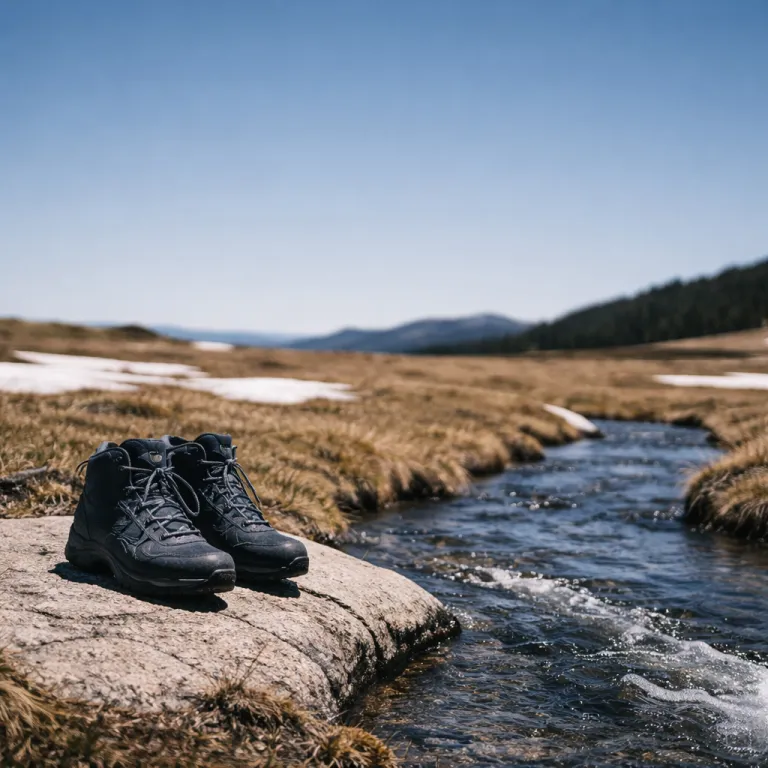

Reading Colorado Front Range trails in May by elevation and aspect
For Colorado Front Range trails in May, elevation and aspect matter more than ambition. South facing terrain below 2 400 metres usually offers an easy hike while shaded north slopes near the Continental Divide still hide winter, no matter how strong the sun feels in the park. Think of every trail as a snow map in motion, where each degree of slope and each band of distance miles from the plains will decide whether your hiking boots stay dry or punch through rotten snow.
By 1 May, most Colorado Front Range trails in May below 2 400 metres on south and west aspects are largely dry, especially in open space systems near Castle Rock and the lower foothills around Horsetooth Mountain. Push higher toward any peak hike above 2 700 metres or toward the main Rocky Mountain crest and you will still meet lingering drifts, particularly on a shaded rock trail or any gulch trail that funnels cold air. Treat early May as shoulder season, where difficulty easy ratings on paper can feel like difficulty moderate once you add slush, mud and short sections of rocky terrain.
By 15 May, the snow line usually climbs toward 2 700 metres on south aspects, which opens more loop options on Colorado Front Range trails in May around Boulder, Golden and the lower flanks of Rocky Mountain National Park. North facing forest above 2 800 metres near Estes Park, the higher parts of the national forest and the true front range crest will still hold snow, especially near any lake or shaded creek trail. Plan your hikes by aspect first, then by distance, and only then by the advertised difficulty rating.
By the start of June, many classic Front Range peak hike routes finally come into shape, but the first half of May still belongs to lower elevation trails. That is why Colorado Front Range trails in May reward hikers who understand that a modest rock trail in a sun exposed open space can offer great views while a glamorous lake trail near the Continental Divide remains a postholing sufferfest. The rule is simple for this range in spring, especially near the Colorado front corridor from Castle Rock to Estes Park, where the front range acts as a weather wall that keeps snow locked high while the plains already feel like summer.
Five Front Range routes that actually work in early May
When you want Colorado Front Range trails in May that are reliably dry, you stay low, sunny and close to the plains. South Boulder Canyon’s lower trail network offers a mix of difficulty easy and difficulty moderate options, with short loop routes that weave through rock outcrops and red rocks style formations while staying under serious snow. Expect firm dirt, scattered rock and occasional rocky terrain, but your hiking boots will mostly grip instead of wallow, and the distance miles remain manageable for a half day hike.
Mount Sanitas above Boulder is a classic peak hike for strong lungs, and in early May its south ridge trail usually melts out quickly, giving you steep rock, great views and a fast escape back to town. The loop that combines the Sanitas Valley trail and the East Ridge trail offers varied hiking, from easy creek trail strolling to more demanding rock trail scrambling, all within a short distance from the Colorado front urban strip. Parking fills early here, so treat 7 am as your real start time if you want a space close to the main trailhead rather than circling the block at 10 am.
Castlewood Canyon State Park near Castle Rock is a sleeper choice for Colorado Front Range trails in May, with canyon rim trails, a gentle creek trail and several loop options that rarely see deep snow. Elevations stay low, the aspect is friendly and the difficulty easy ratings feel honest, which makes this park ideal for testing new hiking boots on mixed rock and dirt without committing to a full mountain day. The distance miles on most hikes here stay under 10 kilometres, yet the rock walls and open space views give a surprisingly wild feel for something so close to the Colorado front suburbs.
Roxborough State Park south of Denver and the Hermosa Creek area after the 1 May reopening near Durango round out the early season list. Roxborough’s red rocks fins and rolling trails sit in a sun trap, so you get dry singletrack, great views and a chance to feel real rocky terrain underfoot without flirting with the Continental Divide snowpack. For those willing to drive, Hermosa Creek’s lower segments in the national forest, now accessible after the winter wildlife closure lifts, offer longer distance miles on a mostly difficulty moderate creek trail that lets you stretch your legs before the high mountain season fully opens, and you can read more about those conditions in this detailed update on Durango trails reopening in early May.
Boots, traction and kits for the May snow line
Colorado Front Range trails in May sit in that awkward gear window where full winter kits feel excessive, yet trail runners alone can leave your feet soaked and cold. On a typical lake trail near Estes Park or a shaded gulch trail in the national forest, you will move from dry rock to slush to lingering ice within a single kilometre, which punishes any boot that lacks both drainage and grip. This is where a mid height hiking boot with a firm rock plate, a moderately stiff midsole and a reliable outsole compound earns its keep.
For mixed rocky terrain and patchy snow on Colorado Front Range trails in May, I favour boots like the Salomon Quest 4, the Scarpa Zodiac Plus and the Lowa Renegade, each tested past 500 kilometres on real front range hikes. Their midsoles keep enough flex for difficulty easy park loops while still supporting a loaded pack on a peak hike or a longer distance miles day near the Continental Divide, and their uppers resist the abrasion of red rocks and sharp granite. The failure points usually show at the toe rand and heel stitching after repeated rock trail abuse, not at the outsole, which matters when you are edging across late season snow above a creek trail or sidehilling on a melting slope above Horsetooth Mountain.
Microspikes belong in your pack for Colorado Front Range trails in May, but they should spend more time riding than on your feet during lower elevation hikes. I carry a light pair that fits over both hiking boots and more flexible trail shoes, clipping them on only for short icy sections on shaded lake trail segments or steep north facing switchbacks in Rocky Mountain National Park. For a deeper dive into how boots and volcanic rock interact on demanding terrain, the analysis in this field report on worn boots in harsh boulder fields translates surprisingly well to the sharp rock of the Colorado front foothills.
Waterproof membranes in boots help on slushy Colorado Front Range trails in May, but they are not magic, especially on longer hikes. Once snowmelt pours over the cuff during a creek crossing on a gulch trail or a flooded section of open space, even the best membrane will trap that water inside, turning difficulty moderate routes into blister factories. The smart move is pairing a reasonably waterproof boot with quick drying socks, accepting that some moisture is inevitable and remembering that spring comfort comes from managing wetness, not pretending you can avoid it.
Timing, trailheads and wildflowers on the May shoulder season
Colorado Front Range trails in May reward those who treat timing as seriously as gear choice. On sunny weekends, trailhead parking at places like Roxborough, Mount Sanitas and popular Estes Park access points will often fill by 8 am, leaving late arrivals circling or parking far down the road. Aim for a 7 am arrival for any national park or high demand open space, and save the 10 am starts for lesser known park lots near Castle Rock or lower elevation national forest pullouts.
Wildflowers on Colorado Front Range trails in May follow the snow line, so you will see early blooms first on south facing open space hillsides and only later near any high lake or peak hike. Expect pasque flowers and early paintbrush on difficulty easy foothill trails by mid month, while the meadows near the Continental Divide and the higher basins of Rocky Mountain National Park lag several weeks behind. Around Estes Park, lower elevation hikes in the national park and adjacent national forest often show colour while the higher lake trail circuits remain locked in patchy snow and ice.
For Colorado Front Range trails in May that balance flowers, views and manageable distance miles, look to rolling rock trail networks near the Colorado front corridor rather than the highest mountain passes. A 10 kilometre loop in a sunlit park with mixed rock and dirt can feel more rewarding than a half frozen slog toward a snowy peak, especially when you factor in the energy cost of postholing. The same logic applies to Horsetooth Mountain and nearby open space, where lower creek trail segments and mid elevation loops offer great views of the range without committing you to full winter conditions.
As you plan your Colorado Front Range trails in May, remember that the front range is a long, varied mountain wall, not a single uniform environment. Conditions on a gulch trail near Golden will differ sharply from a lake trail above Estes Park, even if the map shows similar elevation and distance, and the national park will always hold snow longer than the foothill open space. In the end, the best May hikes are the ones where your boots meet mostly dry rock, your pack still carries unused microspikes and your memories come from the third ridge line view, not the tenth posthole.
FAQ
Which Colorado Front Range trails in May are usually snow free?
Most south facing Colorado Front Range trails in May below about 2 400 metres are largely snow free, especially in foothill open space areas. Routes in Castlewood Canyon, Roxborough State Park, Mount Sanitas and the lower Horsetooth Mountain network typically offer dry hiking with only isolated patches of snow. Higher elevation lake trail circuits near Estes Park and Rocky Mountain National Park usually still hold significant snow through the first half of May.
What kind of hiking boots work best for Colorado Front Range trails in May?
For Colorado Front Range trails in May, a mid height hiking boot with a moderately stiff midsole and good wet rock traction works best. Waterproof membranes help with slush and shallow creek crossings, but you should pair them with quick drying socks because some water ingress is inevitable. Trail runners can work on lower difficulty easy routes in dry open space, yet boots provide better support and protection on rocky terrain and mixed snow.
Do I need microspikes for Front Range hikes in early May?
Microspikes are not mandatory for all Colorado Front Range trails in May, but they are a smart safety item for higher or shadier routes. Any lake trail, gulch trail or north facing rock trail above about 2 500 metres can hide icy sections in the trees, especially near the Continental Divide. Carry a light pair in your pack and use them only when you encounter firm ice on steep slopes or compacted snow on popular peak hike routes.
How early should I arrive at trailheads in May weekends?
On sunny May weekends, popular Colorado Front Range trailheads often fill between 7 am and 9 am. National park entrances near Estes Park, Roxborough State Park and busy Boulder trailheads like Mount Sanitas can be effectively full by mid morning. Arriving around 7 am gives you the best chance at parking close to the trail, while a 10 am start is better reserved for less known open space or national forest access points.
When do wildflowers usually start on Colorado Front Range trails in May?
Early wildflowers on Colorado Front Range trails in May typically appear first on low elevation, south facing slopes in open space areas. By mid May, you can expect blooms on many difficulty easy foothill hikes, while higher mountain meadows near the Continental Divide and Rocky Mountain National Park often lag until later in the season. Lake trail basins and high peak hike routes usually do not reach peak wildflower displays until most of the lingering snow has melted.