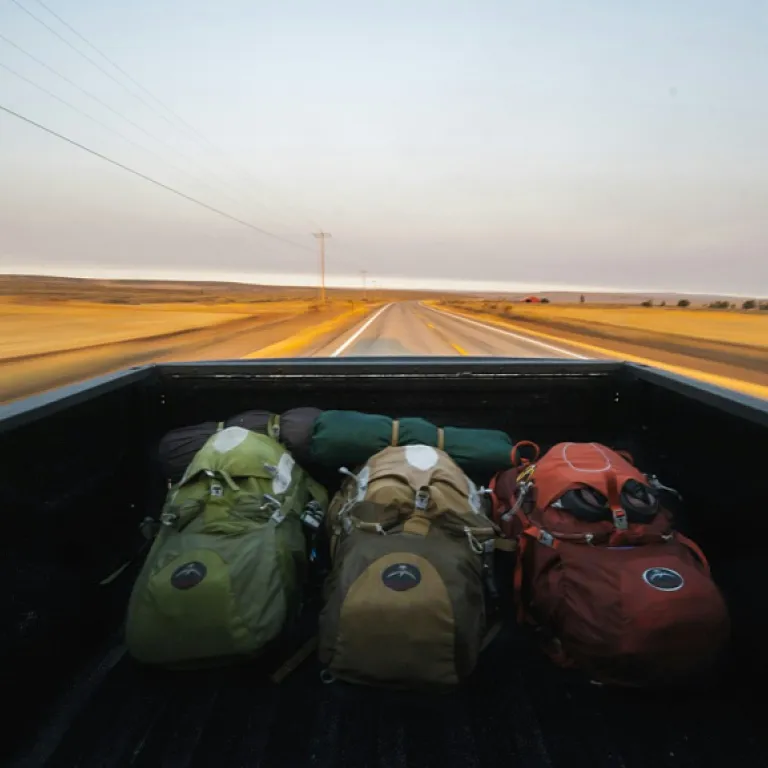
Understanding the need for waterproof gear on the trail
Why Waterproofing Matters on the Trail
Outdoor enthusiasts know that unpredictable weather and wet environments can quickly turn a hiking trip into a challenge. Whether you’re trekking through misty forests, crossing streams, or facing sudden downpours, keeping your gear dry is essential. A waterproof fishing backpack offers a level of protection that regular hiking packs and standard bags often lack. Unlike a typical backpack, these products are designed with waterproof materials, roll top closures, and welded seams to keep water out, ensuring your fishing gear, tackle boxes, and extra clothing stay dry.
Risks of Wet Gear and the Value of Dry Storage
Wet gear isn’t just uncomfortable—it can be dangerous. Soaked clothing, sleeping bags, and food supplies can lead to hypothermia, spoilage, and ruined electronics. A waterproof backpack, especially one with a roll top design, acts as a dry bag, safeguarding your essentials. Many fishing backpacks also feature rod holders and compartments for tackle, making them versatile for both hiking and fishing trips. The best seller models often use recycled materials, combining sustainability with performance.
- Waterproof dry bags protect valuables from rain, river crossings, and accidental drops in water.
- Rod holders and tackle backpack features add utility for multi-sport adventures.
- Look for products with high stars in reviews and a reasonable price per unit for the best value.
Choosing the Right Backpack for Your Needs
When comparing waterproof fishing backpacks to regular hiking packs, consider the unit price, sale price, and the features that matter most for your trips. Some bags, like the Thunderhead or other top-rated tackle backpacks, are designed to handle both fishing tackle and hiking gear. If you’re looking for a versatile product that stands up to the elements, a waterproof backpack is a smart investment. For more insights on selecting the right pack for your adventures, check out this guide on choosing a youth trail daypack—the principles apply to all ages and experience levels.
Key features of a waterproof fishing backpack for hikers
What Sets a Waterproof Fishing Backpack Apart
For hikers who want to keep their gear dry and organized, a waterproof fishing backpack offers more than just water resistance. These bags are designed with features that go beyond the standard hiking pack, making them a smart choice for outdoor enthusiasts who face unpredictable weather and wet environments.
- Waterproof Construction: Most fishing backpacks use high-grade waterproof materials, such as recycled fabrics or heavy-duty PVC, to keep contents dry. The roll top closure is a key element, sealing out rain and splashes more effectively than traditional zippers found on regular hiking bags.
- Specialized Compartments: Unlike a regular hiking backpack, these products often include dedicated spaces for tackle boxes, fishing gear, and even rod holders. This organization helps hikers quickly access essentials without unpacking everything, which is especially useful in wet or muddy conditions.
- Versatility: Many waterproof fishing backpacks double as dry bags, making them suitable for river crossings, sudden downpours, or even as a tackle backpack for impromptu fishing stops. The best seller models often feature removable tackle boxes and modular storage, adapting to both hiking and fishing needs.
- Durability and Comfort: Reinforced seams, padded straps, and ergonomic back panels are standard in top waterproof backpacks. These features ensure the bag remains comfortable over long distances, even when loaded with heavy gear.
- Eco-Friendly Options: Some brands now offer recycled materials in their waterproof bags, appealing to hikers who prioritize sustainability without compromising on performance.
When comparing price, it's important to consider the unit price and overall value. While the regular price of a waterproof fishing backpack may be higher than a standard hiking bag, the added protection for your gear and the versatility of use can justify the investment. Keep an eye out for sale price or price unit discounts, especially on best seller models or during seasonal sales.
For those looking to explore more about choosing the right pack for hiking adventures, check out this guide on choosing the perfect day backpack. Understanding the differences in product features, from rod holders to roll top closures, can help you select the best waterproof backpack for your next trip.
Comparing waterproof fishing backpacks to traditional hiking packs
What Sets Waterproof Fishing Backpacks Apart from Standard Hiking Packs?
For outdoor enthusiasts and experienced hikers, choosing the right backpack can make or break a trip. While traditional hiking packs are designed for comfort and load distribution, waterproof fishing backpacks bring a unique set of features that can be game-changers on wet, unpredictable trails.- Waterproof Construction: Most regular hiking backpacks offer water resistance, but a true waterproof fishing backpack uses materials like recycled TPU or nylon, welded seams, and roll top closures to keep your gear dry even in heavy rain or river crossings. This is especially important for protecting electronics, dry clothes, and food supplies.
- Specialized Storage: Fishing backpacks are built with anglers in mind, so they often include rod holders, external lash points, and dedicated tackle boxes or tackle backpack compartments. These features can be surprisingly useful for hikers who carry trekking poles, camera gear, or other specialized equipment.
- Versatility: Many waterproof fishing backpacks double as dry bags, making them ideal for multi-day hikes where you might encounter storms or need to ford streams. The roll top design ensures a tight seal, keeping your gear safe from water intrusion.
- Durability: These bags are made to withstand rough conditions, from rocky riverbanks to dense underbrush. Reinforced bottoms and abrasion-resistant fabrics mean your investment lasts longer, even with frequent use.
- Price and Value: While the regular price of a waterproof fishing backpack may be higher than a standard hiking pack, sales and best seller units often offer competitive price points. Considering the added protection and versatility, many hikers find the price per unit a worthwhile investment, especially when comparing the cost of replacing water-damaged gear.
| Feature | Waterproof Fishing Backpack | Traditional Hiking Pack |
|---|---|---|
| Waterproof Rating | Fully waterproof (roll top, welded seams) | Water-resistant (zippers, rain covers) |
| Specialized Storage | Rod holders, tackle boxes, gear loops | General pockets, hydration sleeves |
| Material | Recycled TPU, heavy-duty nylon | Standard nylon, polyester |
| Price Range | Higher, but frequent sale price options | Varies, often lower regular price |
| Best Use | Wet environments, fishing, multi-day hikes | Dry conditions, general hiking |
How to pack efficiently for multi-day hikes
Smart Packing Strategies for Waterproof Fishing Backpacks
Packing efficiently for multi-day hikes is essential, especially when using a waterproof fishing backpack. These bags are designed to keep your gear dry and organized, but maximizing their potential requires a thoughtful approach. Here are some practical tips for hikers and mountaineers:- Prioritize Waterproof Compartments: Use the main waterproof dry bag compartment for items that must stay dry, such as sleeping bags, extra clothing, and electronics. Roll top closures are especially effective for sealing out moisture.
- Organize Fishing Gear: Take advantage of dedicated rod holders and tackle boxes. Place fishing tackle and smaller tackle backpack units in easy-to-reach pockets, so you can access them quickly without unpacking the entire bag.
- Balance Weight: Distribute heavier items, like water bottles or tackle boxes, close to your back and at the center of the backpack. This helps maintain stability on uneven terrain and reduces fatigue.
- Use External Straps: Attach wet or bulky gear, such as rain jackets or recycled bags, to the outside using the backpack’s external straps. This keeps the interior dry and maximizes space for essential items.
- Separate Wet and Dry Gear: Many waterproof fishing backpacks feature separate compartments or removable dry bags. Store wet fishing gear or muddy boots in these sections to prevent cross-contamination with clean, dry items.
- Plan for Quick Access: Keep snacks, maps, and first-aid kits in top or side pockets. This way, you won’t need to dig through the main compartment during a sudden thunderhead or when you need something fast.
| Item | Recommended Placement | Waterproof Protection |
|---|---|---|
| Sleeping Bag | Main dry compartment | High (roll top seal) |
| Fishing Rod | Rod holders | Moderate (external, quick dry) |
| Tackle Boxes | Internal pockets | High |
| Electronics | Waterproof pouch inside main compartment | Maximum |
| Wet Clothing | Separate wet gear section | Isolated |
When comparing the price and features of different products, consider the unit price and sale price of best sellers in the waterproof backpack category. Look for bags made from recycled materials for added sustainability, and check for regular price versus sale price deals to get the most value. A well-packed waterproof fishing backpack can make a significant difference in comfort and preparedness on the trail, especially when unpredictable weather or water crossings are involved.
Real-world scenarios: When a waterproof fishing backpack makes the difference
Moments When Waterproof Fishing Backpacks Prove Their Worth
On the trail, unexpected weather and challenging terrain can quickly turn a regular hike into a test of your gear. Here are some real-world situations where a waterproof fishing backpack stands out from standard hiking bags:- Sudden Downpours: When rain hits, a waterproof backpack with a roll top closure keeps your gear dry. Unlike a regular bag, you won’t have to scramble for a rain cover or worry about water seeping in. Your tackle boxes, extra layers, and electronics stay protected, even if the storm lasts for hours.
- River Crossings and Wet Terrain: Multi-day hikes often involve crossing streams or navigating marshy ground. A waterproof dry bag design ensures your sleeping bag and food supplies remain untouched by water, while rod holders and tackle backpack features let you keep fishing gear organized and accessible.
- Fishing on the Go: For hikers who combine trekking with fishing, these backpacks are built for both. Rod holders, tackle boxes, and compartments for fishing tackle make it easy to switch from trail to riverbank without repacking. The versatility of a fishing backpack means you carry less, but do more.
- Protecting Valuables: Whether it’s a camera, phone, or maps, keeping essentials dry is critical. Waterproof bags, especially those made from recycled materials, offer peace of mind. Look for units with high stars in product reviews for reliability.
- Price and Value: While the regular price of a waterproof fishing backpack may be higher than a standard hiking bag, the sale price or best seller units often deliver more value over time. The durability and protection they offer can save you from replacing damaged gear, making the price per unit a smart investment.
Maintenance and care tips for your waterproof fishing backpack
Keeping Your Waterproof Fishing Backpack in Top Shape
Caring for your waterproof fishing backpack is essential if you want it to last through countless hikes and fishing trips. Whether you picked up a best seller at regular price or scored a sale price on a recycled unit, maintenance ensures your gear stays reliable and your investment pays off.- Clean After Every Trip: Rinse your backpack with fresh water, especially if it’s been exposed to saltwater or mud. Pay attention to rod holders, tackle boxes, and any roll top closures where debris can collect.
- Dry Thoroughly: Never store your bag wet. Open all zippers, roll tops, and compartments. Hang the bag upside down to let moisture escape, preventing mold and odors. This is crucial for both waterproof dry bags and standard fishing backpacks.
- Check Seals and Zippers: Inspect waterproof seams, zippers, and roll top closures regularly. Clean out sand or grit, and apply zipper lubricant if recommended by the product manufacturer. This keeps the waterproof barrier intact and the bag easy to use.
- Store Properly: Avoid compressing your backpack for long periods. Store it loosely packed in a cool, dry place. This helps maintain the integrity of the waterproof material and prevents creasing or cracking.
- Handle with Care: While these bags are tough, dragging them over rocks or overloading them with fishing tackle and gear can cause premature wear. Stick to the recommended unit price weight and capacity guidelines from the product manual.