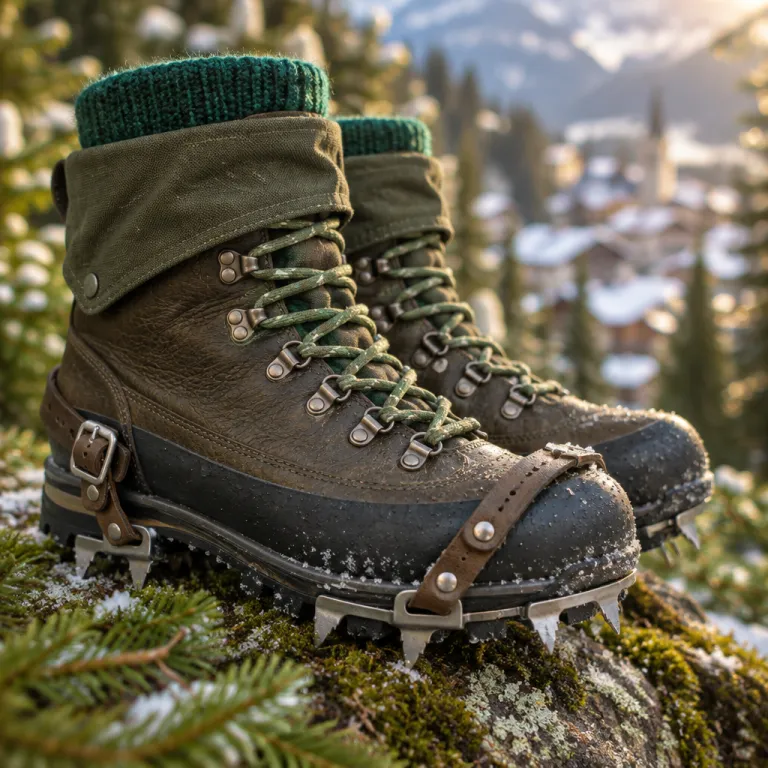
Styling snow boots for technical trails and cold mountain towns
Styling snow boots starts with understanding how real winter terrain shapes every outfit choice. When you move between avalanche-controlled slopes, icy car parks, and dark forest trails, your boots must stay warm, grip hard, and still work with jeans or pants in town. Serious hikers treat each boot as part of a complete system that balances performance, protection, and style.
For demanding routes where winter snow drifts over rock and ice, a robust boot with a mid-calf profile (roughly 20–28 cm shaft height) gives better shin protection and keeps out blowing snow. Many mountaineers now choose winter boots that combine a waterproof membrane with a fleece or fur-lined interior, then pair those snow boots with technical softshell pants for the ascent and relaxed jeans-and-boot combinations for the drive home. This approach lets you move from steep gullies to cafés without changing footwear, while your boot outfits still look intentional and not improvised.
Urban approaches require different styling decisions, because you often walk on ploughed streets, wet stairs, and polished floors where you might slip. Here a slimmer boot silhouette in suede or smooth leather works well with chinos or skinny jeans, while a mid-height shaft prevents snow from soaking your socks when you step off a curb into slush. Choose winter models with subtle color blocking so you can add a technical jacket or wool coat without clashing, and you will feel ready for both the trailhead and the evening restaurant.
Balancing performance and aesthetics in winter boots
Experienced hikers know that styling snow boots never excuses poor traction or weak insulation. On steep, wet approaches, a boot designed like a technical deck boot for wet terrain offers far more security than a casual fashion model, which is why many experts analyse options similar to the LFG deck boot for wet technical terrain before choosing their winter footwear. Once you lock in performance, you can focus on how those boots interact with jeans, pants, leggings, or even skirts when you move through town.
For mixed conditions where winter snow alternates with rain and thaw, prioritize a fully waterproof construction with sealed seams and a grippy outsole. A mid-calf boot height keeps snow and slush away from your base layers, while a fur-lined collar adds both warmth and a visual frame that works nicely with a parka hood or insulated jacket. Many hikers now treat their primary winter boot purchase as an investment, often spending well over 150 USD for a pair that can handle both alpine approaches and daily commuting.
When you plan boot outfits for travel, think about how easily each boot can slip on and off in huts, airports, or mountain lodges. A secure but smooth on-and-off experience matters when you are tired and managing heavy luggage, yet you still want the boot to lock your heel when you cross an icy car park. Choose neutral or dark color uppers, then add brighter accessories like beanies or gloves so your overall style feels intentional while the boots remain versatile for many different environments.
Layering lower body clothing with snow boots
Lower body layering defines how well styling snow boots works in real winter conditions. Technical softshell pants, lined leggings, and durable jeans each interact differently with a boot shaft, especially when you move through deep snow or scramble over frozen scree. The goal is to stay warm, avoid bulk around the ankle, and maintain a clean line that looks sharp in photos and practical on the trail.
For cold, dry days, many mountaineers favour slim softshell pants that taper neatly into a mid-calf boot, preventing snow from entering while still allowing micro adjustments to gaiters or socks. On rest days in alpine towns, skinny jeans or straight-leg jeans can be cuffed just above the boot collar, showing a hint of winter insulation or fur trim for visual interest. When you expect heavy winter snow and wind, consider wearing thermal leggings under looser hiking pants, then tucking the leggings into your socks so they never slip and create cold gaps inside your boots.
Some hikers prefer chinos or even wool trousers for travel days, pairing them with more refined suede winter boots that still feature waterproof membranes and aggressive lugs. This combination works especially well with a tailored coat, allowing you to move from airport lounges to remote trailheads without changing footwear. For rugged, off-trail missions, many professionals rely on purpose-built models similar to the Mossy Oak boots for demanding terrain, then switch to lighter outfits with jeans or pants once they return to base.
Upper body choices that complement technical snow boots
Upper body layering plays a quiet but crucial role in styling snow boots for serious winter travel. The lines, color, and length of your jacket or coat determine whether your boot silhouette feels balanced or awkward, especially when you carry a heavy pack or ice tools. Aim for harmony between the mid height of your boot shaft and the hem of your outer layer, so the whole outfit reads as one coherent system.
For alpine approaches, a hip-length insulated jacket pairs well with mid-calf winter boots, because both pieces end far enough apart to avoid bunching yet close enough to block wind. In town, a longer wool coat in a dark color can frame lighter suede or leather snow boots, while a shorter puffer highlights the technical details of fur-lined collars and rugged lacing hardware. Many hikers like to add a single accent color, such as a bright beanie or scarf, that echoes a small detail on the boot, creating a subtle style link without turning the boot outfits into fashion theatre.
When you expect heavy winter snow and spindrift, choose a shell with a snow skirt and adjustable cuffs that seal cleanly over your gloves, matching the weatherproof integrity of your waterproof boots. This alignment between upper and lower garments helps you stay warm even when windchill drops sharply on exposed ridges. For long days on your feet, consider pairing your outerwear with high quality insoles or sheepskin inserts, as many serious hikers now do after reading about all season boot comfort with sheepskin inserts, which can transform both comfort and perceived style by improving posture and gait.
From trailhead to town: adapting boots outfits across environments
Styling snow boots for a full day that runs from dawn patrol to late dinner requires planning around transitions. You might start in frozen parking areas, move through steep couloirs, then end in a crowded mountain restaurant where heavy gear feels out of place. The trick is to build outfits that adapt quickly while your core boot remains constant.
One effective strategy is to hike in technical pants over thermal leggings, then change into jeans or chinos stored in your pack once you return to the trailhead. This simple swap lets your mid-calf winter boots shift from pure function to a more relaxed style, especially when you add a clean base layer and a less bulky jacket or coat. Many hikers keep a small clothing crate or duffel in their vehicle with spare socks, a lighter down jacket, and casual pants, so they can slip into town ready for social time without sacrificing the warmth and grip of their primary boots.
On days when winter snow turns to slush in the valley, consider carrying a compact pair of leggings or tights that you can wear under skirts or longer shirts for evening events. This approach works particularly well with suede or leather snow boots that have a slimmer profile, because they read more like urban footwear while still offering waterproof protection and insulated interiors. By planning these transitions in advance, you avoid the common mistake of either overdressing for town or under-protecting your feet on the mountain.
Practical buying advice for styling snow boots with confidence
Buying snow boots as an experienced hiker means evaluating both technical specifications and styling potential. You are not just choosing a boot for one expedition, but for many seasons of winter snow, travel, and mixed terrain. A thoughtful purchase lets you stay warm, move securely, and still feel comfortable walking into any lodge or café.
Start by defining your primary environment, whether that is icy city streets, high alpine trails, or long road trips between ski areas. For heavy mountain use, prioritise waterproof membranes, aggressive outsoles with at least 4–5 mm lug depth, and mid-calf shafts that block snow and spindrift, then check how easily the boot pairs with jeans, pants, or leggings. For more urban-focused use, a slightly lower boot height in suede or smooth leather can still offer insulated linings and soft collars, while working elegantly with chinos, skinny jeans, or even winter skirts on milder days.
Price often reflects both materials and construction quality, especially for boots sold in markets with strong labour and testing standards. When you compare models, look at stitching density, rand protection, and how the boot flexes at the forefoot, because these details affect both comfort and long term style as creases form. Remember that styling snow boots is easiest when the underlying boot is well built, since a durable, well shaped boot continues to look sharp even after many seasons of snow, mud, and rock.
Key statistics on winter boots and cold weather hiking
- A 2019 survey by the American Podiatric Medical Association reported that more than 70% of adults experience foot discomfort at least occasionally, and cold, poorly insulated footwear is a common contributor on winter trips.1
- Industry reports from the Outdoor Industry Association show that insulated and winter boot sales in the United States grew steadily through the late 2010s, reflecting growing interest in footwear that combines technical performance with everyday style.2
- Laboratory tests based on International Organization for Standardization (ISO) flex standards indicate that quality waterproof membranes can maintain water resistance over tens of thousands of flex cycles when seams are properly sealed and the boot is regularly cleaned.3
- Studies summarised by the Canadian Institute for Health Information link many winter injuries to slips on icy sidewalks and parking areas, suggesting that aggressive outsole patterns and good traction in winter boots can significantly reduce fall risk for outdoor enthusiasts.4
- Consumer surveys from major outdoor retailers consistently report that more than half of buyers now wear their primary snow boots both on trails and in town, which reinforces the importance of styling winter footwear thoughtfully for multiple environments.5
FAQ about styling snow boots for serious hikers
How should I choose the height of my snow boots for mixed use
For technical hiking and mountaineering, a mid-calf height offers the best balance between protection from snow and freedom of movement. If you mainly walk in town or on ploughed paths, a lower mid-height boot can work well with jeans or chinos while still blocking most winter slush. Match the shaft height to your typical snow depth and the pants or leggings you prefer.
What pants work best with snow boots on real winter trails
On demanding trails, use softshell or hardshell pants over thermal leggings, then tuck the leggings into your socks so they never slip inside the boot. For travel days or time in town, straight jeans, skinny jeans, or durable chinos pair cleanly with most winter boots. Avoid very wide cuffs that can soak up snow and freeze around the ankle.
Can I wear snow boots with skirts or dresses in cold weather
Yes, many hikers and travellers successfully pair skirts or winter dresses with insulated snow boots for evenings in mountain towns. Choose a boot with a slimmer profile and a clean suede or leather finish, then add warm tights or leggings underneath. A longer coat helps block wind while keeping the overall style balanced and functional.
How do I keep my feet warm without overheating during ascents
Use a moisture-wicking liner sock under a medium weight wool sock, combined with insulated boots that still allow some ventilation. Open vents on your pants or jacket during steep climbs, then close them and tighten cuffs when you stop so you stay warm without trapping sweat. This approach keeps your feet dry, which is the key to staying warm in sustained winter snow.
Are waterproof snow boots always necessary for winter hiking
Waterproof snow boots are essential whenever you expect deep snow, slush, or repeated contact with wet ground, because saturated insulation loses warmth quickly. On very cold but dry days, some mountaineers use highly breathable leather boots with proper treatment, yet most mixed conditions still favour fully sealed designs. If you hike in regions with frequent thaw-freeze cycles, a waterproof construction with good traction is the safest long term choice.