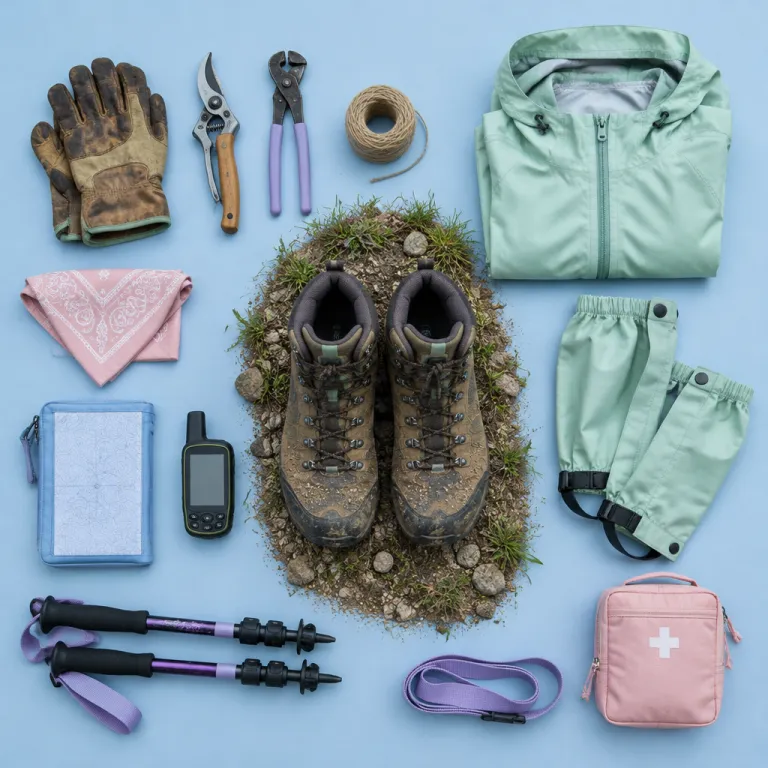
Why serious hikers study boots for farmer before buying mountain footwear
Outdoor professionals often compare rugged farm work boots with alpine hiking models. They know that a barn-tested safety boot survives mud, manure, and rocky ground longer than many fashionable trail designs, especially when the boot has a reinforced toe and a stable mid sole. When you hike across wet pastures to reach a remote ridge, the same waterproof work technologies that protect farmers keep your feet dry and warm.
When you evaluate any boot for mixed farm and mountain use, start with the outsole and toe protection. Deep lugs, a defined heel brake, and either a steel toe or a composite toe give you grip on steep slopes and safety around livestock or loose rock, while a tall shaft stabilizes your ankle under a heavy pack. Many experienced men and women who split time between the farm and the mountains now price compare hybrid work and hiking boots against premium trekking boots, because they want one pair that handles both environments.
Durability always connects the farm and the high route. A boot that survives daily work in slurry, gravel, and hay bales will usually handle scree fields and moraine approaches, especially when the leather is thick and the stitching is triple locked. Before you look at any regular price or tempting sale price, check whether the boot is rated as a waterproof work model and whether the manufacturer publishes a clear size guide for both men and women.
Translating farm ready protection into mountain ready safety
Farmers rely on boots for farmer that protect against crushing, slipping, and soaking, and those same features matter on exposed ridges. A steel toe or composite toe that saves a foot from a falling gate can also shield you from loose talus, while a tall work boot shaft resists twisting when you misstep on a wet root. When you hike through boggy meadows or ford glacial streams, a fully waterproof work membrane keeps your socks dry far longer than a casual mid height boot.
Many brands now present a quick view or guide flyout on their product pages, showing whether each boot is optimized for farm chores, mountain trails, or both. Use that quick view to compare size options, toe work ratings, and outsole compounds, then open the full view panel to study stitching, rand coverage, and mid sole stiffness. For wet technical terrain, some serious hikers even look at deck boot style designs originally built for commercial fishing, as explained in this analysis of the LFG deck boot for wet technical terrain.
On mixed farm and mountain days, you might start feeding livestock and finish on a steep forest trail. In that scenario, a boot quick assessment should focus on how the tread clears mud, how the toe work protection feels on rock, and how the waterproof lining handles constant flexing. When you check the price size combinations, remember that a slightly higher price for a robust work boot often buys you years of reliable service on both the farm and the mountain.
Balancing comfort and support from barn floor to alpine trail
Comfort in boots for farmer is not a luxury; it is a safety feature. Long days on concrete barn floors or uneven pasture quickly punish feet if the boot has poor cushioning, and the same fatigue appears on multi day treks with a heavy pack. A well designed work boot uses a supportive mid sole, a shaped toe box, and a stable heel cup to keep your stride efficient from dawn to dusk.
When you compare size options for both men and women, pay attention to width as much as length. Many farm focused work boots run generous in the forefoot to allow thick socks, while technical mountain boots can feel narrow, so a careful price compare between models should include the cost of potential returns if the fit is wrong. Use any online size guide and view panel tools to check internal length, volume, and recommended sock thickness before you commit to a boot sale.
Some hikers prefer a mid height boot for better ankle mobility, while others choose a tall shaft for maximum support under heavy loads. If you often move between tractor steps, barn ladders, and steep switchbacks, a mid to tall hybrid design can offer the best compromise, especially when the boot regular insole is removable for custom orthotics. For nuanced comparisons between rugged casual and technical silhouettes, analyses such as the review of the Blundstone Classic versus Original for serious hikers show how work heritage can blend with mountain performance.
Waterproofing, breathability, and thermal control in farm grade boots
Water management defines whether boots for farmer can double as reliable mountain partners. On the farm, waterproof work designs must resist slurry, standing water, and sudden hose blasts, while in the mountains they face snow, rain, and stream crossings. A high quality waterproof membrane combined with sealed seams and a gusseted tongue prevents leaks, but breathability still matters during long climbs.
When you study any quick view or view panel online, look for clear statements about waterproof ratings and lining materials. Some work boots use rubber shells that are fully waterproof but trap heat, while others combine leather uppers with breathable membranes, so a careful price quick assessment should weigh comfort against absolute protection. For hikers who move between cold pre dawn farm chores and sunny alpine ridges, insulated versions of work boots can be ideal, provided the insulation does not reduce toe room or make the boot feel unstable.
Thermal control also depends on sock choice and boot height. Tall boots trap more warm air around the calf, which helps in winter but can overheat in summer, so many users keep both mid height and tall pairs in rotation depending on the season. When you compare quick specifications across models, check whether the regular price or sale price changes with insulation level, because heavier linings often increase both weight and cost while reducing breathability.
Evaluating price, value, and durability for farm and mountain use
For professionals who rely on boots for farmer every day, price is always tied to durability. A cheaper boot that fails after one hard season on the farm or the trail costs more over time than a premium work boot that lasts several years. When you perform a price compare, calculate cost per month of expected use rather than focusing only on the initial regular price.
Retailers often highlight a boot sale with a bold sale price, but the real question is whether the construction suits your terrain. Look for full grain leather, stitched rather than glued welts, and robust toe work protection, then use any guide flyout or size guide to ensure you select the correct size before checkout. Many platforms now allow you to compare size availability, materials, and warranty terms in a single view panel, which makes it easier to align price size decisions with your actual needs.
Durability testing on the farm is unforgiving. Manure, fertilizers, and constant flexing around the toe quickly expose weak points in cheap work boots, while rocky alpine paths punish thin outsoles and poor shanks, so a boot that survives both environments justifies a higher price quick evaluation. When you see a boot regular model offered at a deep discount, ask whether it uses the same steel toe or composite toe components as the flagship version, because hidden changes in hardware can affect both safety and lifespan.
From pasture to high pass : choosing one boot quiver for demanding users
Many outdoor professionals want boots for farmer that can handle both early morning chores and late afternoon summit pushes. This one boot quiver approach reduces clutter, saves money, and ensures your feet always feel familiar inside the same proven work boot. To make it work, you must balance farm specific needs like manure resistance with mountain specific needs like edging stability on rock.
Start by listing your heaviest tasks on the farm and your most technical objectives in the mountains. If you regularly move hay bales, operate heavy machinery, and cross wet fields before hiking steep, rocky trails, you probably need a tall or mid height waterproof work design with either a steel toe or a composite toe, plus a stiff enough sole for crampon compatibility. Use online quick view tools to compare quick specifications such as shank material, outsole rubber hardness, and toe work ratings, then open the full view panel for construction photos.
Weight matters as much as protection. A boot that feels fine for short farm chores can become exhausting on a long ascent, which is why many serious hikers study gear previews like the analysis of lighter boots and packs at Switchback in this gear preview of lighter boots and packs. When you compare size and weight data across models, remember that a slightly heavier but more supportive boot regular design may still be the better choice if it prevents fatigue and injury during both work and adventure.
Key statistics on farm and mountain boot performance
- Occupational safety agencies report that steel toe and composite toe safety boots can significantly reduce crush related foot injuries on farms compared with non protected footwear, which directly translates to safer approaches on rockfall prone mountain trails.
- Field observations on agricultural workers show that waterproof work boots with proper arch support can noticeably lower reported foot pain after long shifts, a benefit that mirrors reduced fatigue on full day hikes carrying packs heavier than 15 kilograms.
- Market analyses of work boots and hiking boots indicate that full grain leather models often last longer than synthetic only designs under heavy use, which helps justify a higher regular price when you plan to use one pair for both farm and alpine terrain.
- Consumer surveys among men and women who work outdoors suggest that many now consider using a single pair of hybrid work boots for both professional tasks and weekend hiking, reflecting a growing interest in boots for farmer that deliver true multi environment performance.
FAQ : choosing boots for farmer that also excel on the trail
Are boots for farmer suitable for serious mountain hiking
Many boots for farmer are suitable for serious hiking if they have aggressive tread, ankle support, and either a steel toe or composite toe that does not feel overly heavy. Look for models marketed as work boots with hiking inspired soles, because they usually blend farm durability with trail traction. Always check weight, stiffness, and fit before relying on them for long alpine routes.
Should I choose steel toe or composite toe for mixed farm and mountain use
Steel toe designs offer very strong impact protection but can feel heavier and colder in winter, while composite toe models are lighter and do not conduct temperature as much. For long mountain days, many users prefer composite toe boots because they reduce fatigue, yet still meet safety standards on the farm. If you work around extremely heavy machinery, steel toe protection may still be the better choice.
How tall should my boots be if I work on a farm and hike regularly
Tall boots provide excellent ankle support and protection from mud, slurry, and snow, which is valuable on both farms and winter trails. However, mid height boots can feel more agile on technical terrain and in warm weather, so some users keep both heights for different seasons. If you must choose one, a supportive mid to tall design often offers the best compromise.
What is the best way to compare price and value between work boots and hiking boots
The best method is to calculate cost per month of expected use, then factor in safety features and comfort. A higher regular price for a durable work boot that survives several seasons on both the farm and the mountain usually beats a cheaper boot that fails early. Use online tools to compare size options, materials, and warranties before deciding whether a sale price truly represents good value.
How important is waterproofing for boots used on farms and in the mountains
Waterproofing is critical because both environments expose your feet to constant moisture from mud, rain, snow, and streams. A reliable waterproof work membrane keeps your feet dry, reduces blister risk, and helps maintain warmth in cold conditions. Just ensure the boot also offers enough breathability, especially if you hike long distances in warmer weather.