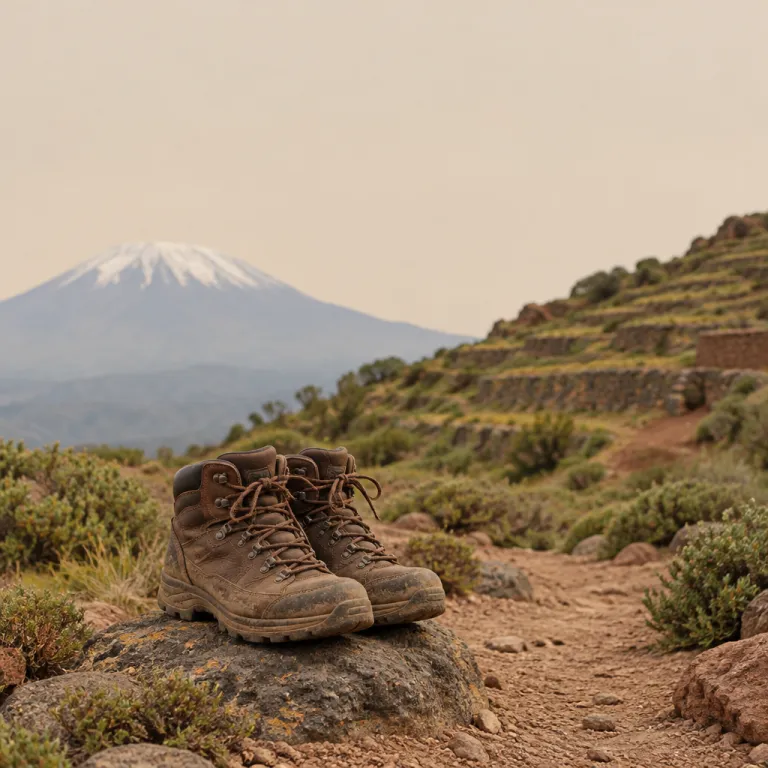
Why fall is when bucket-list treks and boot planning start
Guided departures for Kilimanjaro, the Inca Trail, the Tour du Mont Blanc and Everest Base Camp usually fill months before peak trekking seasons. When you book in fall, you give yourself the one resource your Kilimanjaro hiking boots truly need for success, which is time on your feet before the first camp morning. That long runway lets each boot flex, your hiking socks settle, and your feet learn exactly how the boots fit when loaded for a real mountain day.
On Kilimanjaro, most climbers aim for dry season windows, so every reputable guide Kilimanjaro operator opens limited slots that vanish quickly once people commit to a climb Kilimanjaro plan. The same pattern holds on the Inca Trail, where strict permits mean that a single pair of trekking boots might stand between you and a once in a lifetime stone staircase if you wait too long to buy. Booking early locks in your dates, but more importantly it starts the clock on your boot break in schedule, your thermal socks testing, and your full Kilimanjaro equipment checklist.
Think of fall as the start of your training block, not just a calendar entry. Your boots will need dozens of kilometres before they feel like an extension of your foot, and every day you delay purchase compresses that learning curve into a painful rush. A good quality pair boots that you will wear through winter hikes, wet city errands and loaded training climbs becomes your quiet insurance policy long before summit night on any mountain.
The boot timeline you cannot rush for Kilimanjaro and the Inca Trail
For a big objective like a Kilimanjaro climb or the classic Inca Trail, the timeline for choosing and breaking in hiking boots starts the week you pay your deposit. In the first two weeks you should visit a specialist shop, try multiple trekking boots models, and walk ramps and stairs with a weighted pack until you know which boot, weight boot and ankle support combination feels right. Only then do you commit to one primary pair boots for the trip and a backup plan in case those boots wear faster than expected during training.
From weeks three to eight, aim for at least one long day hike each weekend, gradually increasing distance while wearing the exact socks system you will wear on the mountain. Rotate between hiking socks and thermal socks on cooler days, and note how the boots fit as your feet swell over a long day, because that swelling will be more pronounced at altitude. This is also the phase to test whether a waterproof membrane earns its keep in your climate, and resources like this detailed analysis of waterproof boot performance in mud and cold can help you decide if a waterproof boot is the best hiking choice for your route.
By late winter, your Kilimanjaro hiking schedule should include back to back days to mimic camp life, because boots will behave differently on tired feet. Plan at least one overnight where you walk into camp, untie your boots, sleep in a tent, then lace the same boots for another long day, just as you will on the mountain. If your boots kilimanjaro setup still feels good after that mini expedition, you have proof that your durability, support and fit decisions were sound long before you board the plane.
Terrain-specific footwear: Kilimanjaro scree, Inca stone steps and alpine traverses
Each bucket list route punishes boots in a different way, so your choice of Kilimanjaro hiking boots should reflect the exact terrain you will face. On Kilimanjaro, long volcanic scree slopes and dusty switchbacks mean your trekking boots need rock solid ankle support, a stable midsole and enough stiffness to edge on loose rubble without folding. The Inca Trail, by contrast, hammers your knees and the front of each boot with endless stone steps, so a precise toe fit and strong forefoot cushioning matter more than maximal stiffness.
For Kilimanjaro, many guides recommend midweight waterproof trekking boots with a firm shank, such as the Scarpa Zodiac Plus or the Lowa Camino, because they balance weight boot considerations with the need for durability on abrasive lava rock. These models give good support under a moderate pack while still allowing you to walk comfortably on the easier lower forest sections during the first day to camp. When you climb kilimanjaro higher and hit the alpine desert, that combination of waterproof protection, thermal efficiency with the right thermal socks, and a secure boots fit keeps your feet warm and stable without feeling like full mountaineering boots.
On the Tour du Mont Blanc, you will wear your chosen pair boots for long, rolling days where breathability and all day comfort outrank maximum protection. Some hikers even alternate between lighter hiking boots and robust approach shoes, but for a first big trip a single good quality boot is usually safer. If you are tempted by more casual options such as elastic sided models, read a technical comparison like this review of serious hiking use for casual-style boots before you decide whether those designs can truly handle multi day mountain terrain.
Altitude, swelling, socks and the reality of guided-trek logistics
Feet behave differently at altitude, and your Kilimanjaro hiking boots need to be chosen with that in mind rather than only how they feel in a shop. As you climb kilimanjaro or approach Everest Base Camp, reduced circulation, dehydration and long days on trail all contribute to swelling, which can turn a snug boot into a vice by summit night. That is why experienced guides recommend at least a half size up from your everyday shoes, with enough room to wiggle toes while still locking the heel for support on descents.
Your sock system is the second half of this equation, and it is where many first time trekkers quietly sabotage a good boot. Plan to rotate between thin hiking socks on warmer lower sections and thicker thermal socks for cold mornings, always testing combinations at home so you know exactly how the boots fit with each layer. On Kilimanjaro, a liner plus midweight wool sock often works well, while on the Inca Trail a single medium cushion sock may be the best hiking balance between moisture management and blister prevention.
Guided treks also impose duffel weight limits, so your kilimanjaro equipment list must be lean and intentional. Porters usually carry your main bag between camp and camp, but you will wear your primary boots all day and keep a spare pair boots or camp shoes clipped to your duffel only if the operator allows it. That reality means your boots will see every kilometre of the route, so investing in good quality materials, proven durability and a comfort focused insole strategy, such as using sheepskin inserts explained in this guide to all season boot comfort, pays off far more than carrying an untested backup.
A practical break-in plan and what to test before your summit night
Once you own your Kilimanjaro hiking boots, the goal is to turn them from stiff gear into trusted partners long before summit night. Start with short urban walks, then progress to local trails with elevation, always wearing the same hiking socks and thermal socks you will use on the mountain so your skin, seams and padding learn each other. After about fifty kilometres, the leather or synthetic uppers should flex more naturally, and you can start to notice where the boots wear against your ankle bones or Achilles.
Build a simple progression: one long day each weekend, one shorter midweek hike with a loaded pack, and a monthly back to back where you simulate camp life. On those mini expeditions, treat your local hill as a small mountain, setting up a basic camp, cooking, then lacing the same boots for another day to see how your feet respond to cumulative fatigue. This is when you refine lacing techniques for better ankle support, test whether your waterproof lining holds up to repeated stream crossings, and decide if your current pair boots truly offers the durability you need for a multi day kilimanjaro climb.
Before you fly, run a full dress rehearsal with all kilimanjaro equipment, from gaiters to trekking poles, and walk at least twenty kilometres in one go. Pay attention to how the weight boot feels after hours, whether the boots fit remains secure on steep descents, and how quickly the boot dries after a soak. The small repair kit you carry, with spare laces, tape, a needle and thread for stitching a separating rand, might be the difference between turning around and tagging the crater rim, because in the end it is not the waterproof rating that saves your trip but the tenth river crossing when your preparation quietly holds.
FAQ
How far in advance should I buy boots for a Kilimanjaro climb?
For a typical kilimanjaro climb, buy your primary boots at least six months before departure. That window gives you time to test different hiking socks, refine the boots fit and log enough kilometres to confirm durability. Rushing this process into the last month before you fly is the fastest way to turn summit night into a blister management exercise.
Do I really need waterproof hiking boots for the Inca Trail and Kilimanjaro?
Waterproof hiking boots are strongly recommended for both routes, because afternoon showers on the Inca Trail and mist or light rain on Kilimanjaro can soak non waterproof models quickly. A waterproof boot keeps your thermal socks drier and your feet warmer, especially on rest stops and at camp. Just remember that waterproof membranes run warmer, so balance that with breathable hiking socks and careful ventilation on hot lower sections.
What kind of socks should I wear with Kilimanjaro hiking boots?
Use a two sock system for most people, with a thin synthetic or wool liner under a medium weight wool hiking sock. Pack at least one thicker pair of thermal socks for summit night or very cold mornings, and test every combination at home to ensure the boots fit correctly with each thickness. Avoid cotton socks, because they hold moisture and increase blister risk on long trekking days.
How heavy should my trekking boots be for a guided trek?
For guided routes like Kilimanjaro or the Tour du Mont Blanc, a midweight boot usually offers the best balance between protection and fatigue. Look for a weight boot in the range that feels substantial enough for ankle support but not so heavy that your legs tire early each day. Ultra light boots can feel great in the shop but may lack durability and underfoot support on multi day mountain terrain.
Should I bring a second pair of boots or shoes for camp?
If your operator allows the extra weight, a light pair of camp shoes or very light boots can make evenings more comfortable. However, your primary boots will handle almost all hiking, so focus first on getting one good quality pair boots that you trust completely. Only add a second pair if it does not push your duffel over the guided trek weight limit and you have already tested both options thoroughly.