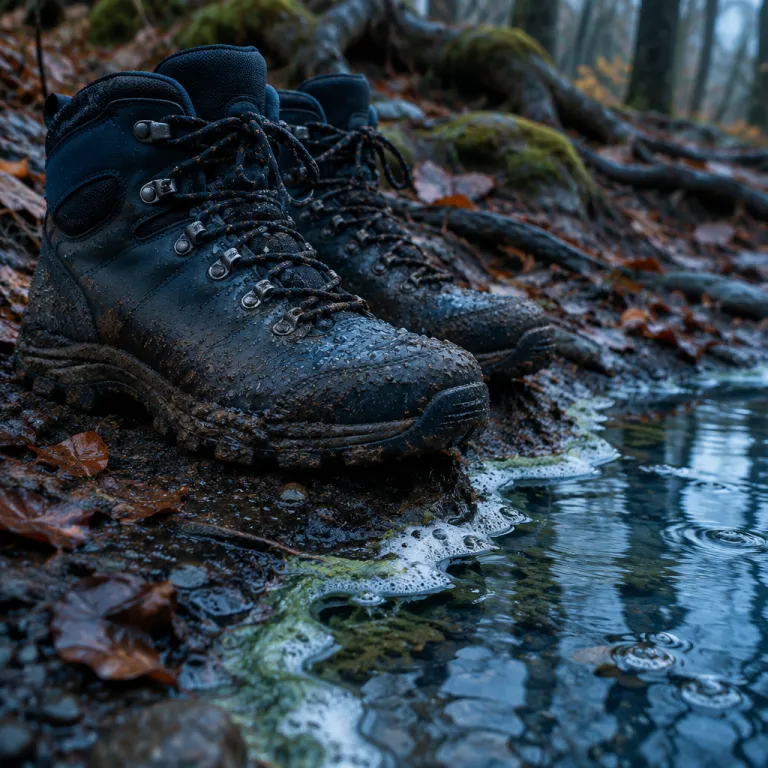
Why summer punishes waterproof boots and fall quietly rewards them
Most hikers in the United States eventually learn that waterproof hiking boots in summer feel like portable saunas. Once a waterproof boot fills during a creek crossing or all day rain, it stays wet longer than a fast draining mesh shoe and your feet prune while the membrane slowly releases moisture. The same physics of trapped humidity that ruins July hikes starts to work in your favor when cold weather and near freezing mud arrive on the trail.
In hot months, a Gore Tex or similar waterproof-breathable membrane blocks outside water but also slows sweat vapor leaving your feet. On a steep hiking climb in the Rockies or on the Appalachian Trail, men and women routinely soak their socks from the inside long before the first puddle, which turns waterproof hiking into a swampy march where every step squishes. When that internal moisture finally cools at a windy pass, the same insulated waterproof layers that promised to keep feet warm instead lock in clammy chill against your skin.
That is why I usually tell day hikers to skip heavy waterproof hiking boots in summer and choose lighter water resistant trail shoes or non membrane hiking boots. A boot without a liner dries faster overnight in camp, weighs less on every step, and keeps your feet cooler when the sun bakes exposed ridgelines. The math changes sharply once the first snow dusts the trail, the air turns cold, and every shallow puddle feels like melted ice around your ankles.
Think about a typical shoulder season outing with mixed snow and mud on a mid elevation loop. Temperatures hover just above freezing, the ground stays saturated, and every boot print fills with brown water that seeps into socks if your leather is tired or your seams leak. In that narrow band of conditions, waterproof hiking boots in cold weather finally deliver more comfort than they steal, because they keep feet warm enough that you can focus on navigation and pace instead of numb toes.
Fall also changes how we judge winter boots and snow boots that see double duty on trail. A full rubber lower like the Columbia Bugaboot III or a North Face winter boot feels overbuilt in July, but when slush hides rocks and roots those tall shafts and sealed seams keep feet warm and functional. The same goes for an Oboz Bridger Insulated model, which feels like overkill in dry dust yet shines when wet snow and cold wind combine to suck heat from your feet in minutes.
Many online review pages and five star ratings miss this seasonal nuance and treat waterproof as a universal upgrade. When you read full product descriptions, you rarely see honest notes about how long a boot stays soggy after a full dunk or how much sweat builds on a humid climb. Real field testing means tracking how a boot behaves across summer, winter, and the messy shoulder seasons where cold puddles and patchy snow define your hiking days.
For boots women and boots men alike, the key is not whether a model is labeled insulated or gtx but when and where you plan to hike. A mid cut winter hiking boot with moderate shaft height and a modern membrane can feel oppressive on a dry desert trail yet perfect on a chilly forest loop with constant wet leaves. Matching the boot to the season, not the marketing copy, is how you keep feet warm without hauling unnecessary grams all year.
The physics of cold water, membranes and why fall flips the comfort equation
Cold water robs heat from your feet far faster than cold air alone. When you step into ankle deep snow melt or stand in a shallow puddle, conductive heat loss through water can chill toes in minutes even when the air feels only mildly cold. A functional waterproof membrane in a hiking boot slows that heat drain by keeping liquid water outside the sock, so your body only has to warm a thin layer of air inside the boot.
Think of the membrane in most waterproof hiking boots as a microscopic filter that lets water vapor pass but blocks liquid droplets. As long as the water line stays below the collar and the face fabric does not fully wet out, that barrier keeps splash, mud, and shallow puddles from soaking your socks and turning every step into a slushy squeeze. In fall, when sweat production drops because the air is cool, this tradeoff finally favors the hiker instead of the membrane manufacturer.
On a steep ascent, breathability still matters, which is why pairing waterproof hiking boots for cold weather with the right socks is non negotiable. A thin synthetic liner under a medium weight wool sock moves sweat away from the skin so the membrane can vent vapor before it condenses and chills your feet. If you run hot, choosing a slightly roomier fit in your winter boots allows more air circulation and reduces the swampy feeling that ruins long climbs.
Physics also explains why even the best insulated waterproof winter boot fails once water tops the cuff. When you plunge into a creek above the shaft height or posthole through crusted snow until it spills over the collar, the membrane becomes irrelevant because water bypasses it entirely. At that point, only fast draining materials, quick drying socks, and smart route choices will keep feet warm enough to avoid cutting the day short.
Durable water repellent, often called DWR, is another weak link that shows up in shoulder season. Once the outer fabric of your hiking boots stops beading water and starts looking dark and soaked, the membrane underneath still blocks liquid but breathability drops sharply. That wet outer layer conducts cold straight into the boot, so your feet feel colder even though the waterproof label technically remains accurate.
Newer PFAS free treatments on winter hiking and snow boots aim to solve the environmental problem but sometimes sacrifice durability. In my testing, several PFAS free coatings on boots for men and boots for women lost their beading after fewer muddy hikes than older formulas, which meant more frequent reproofing to keep performance consistent. The membrane still worked, yet the comfort gap between freshly treated and fully wetted out uppers was obvious on long, cold days.
When you evaluate a gtx hiking boot or any insulated waterproof model, ignore the marketing focus on hydrostatic head numbers and instead think about your terrain. Shallow, frequent puddles on forest singletrack reward a mid cut boot with solid sealing and a moderate shaft height, while deep creek crossings on alpine routes favor faster draining footwear and separate waterproof socks. For a deeper dive into how outsole design interacts with mud and slush, this guide on a technical lug sole in serious hiking boots explains why traction can matter more than the membrane once the trail turns slick.
In practice, the decision rule is simple yet rarely followed by casual hikers. Use waterproof hiking boots in cold weather when the water you encounter is mostly below the ankle and the air temperature makes wet socks a safety issue, not just a comfort annoyance. Switch to non membrane boots or shoes when deep fords, warm rain, or high output summer hiking would turn that same membrane into a liability instead of an asset.
Real world models, failure points and how to match boots to your season
Field testing across hundreds of kilometers exposes patterns that glossy catalogs never mention. The Columbia Bugaboot III, for example, is a classic insulated waterproof winter boot that feels clunky on dry trail but almost perfect when slush hides ankle deep rocks on shoulder season hikes. Its tall shaft height, rubber lower, and generous insulation keep feet warm in standing water that would quickly numb toes in a lighter three season hiking boot.
By contrast, the Oboz Bridger Insulated boot and its non insulated Oboz Bridger sibling show how small design tweaks change seasonal performance. The insulated version uses a slightly stiffer midsole and more aggressive heel pocket, which helps keep feet warm and locked in when you sidehill across crusted snow or descend through wet leaves. The standard Bridger hiking boots feel more nimble in summer but give up some of that planted, winter hiking confidence when mud and snow mix underfoot.
North Face winter boots illustrate another tradeoff that matters for both men and women who hike in mixed conditions. Many models use lighter synthetic uppers with gtx membranes, which cut weight compared with full rubber lowers but rely heavily on DWR to prevent wetting out. Once that outer fabric stays dark and soaked, the boots remain technically waterproof yet feel colder and less responsive, especially when you stop moving for a summit snack or map check.
Failure points also tend to cluster in predictable places on waterproof hiking boots used in cold weather. Flex creases at the forefoot eventually stress seam taping, so after a few seasons you may notice damp spots over the toes even though the rest of the boot still sheds water. Heel counters and mid foot overlays can also delaminate, which lets water seep in along the edges during long slogs through snow and saturated moss.
For boots women and boots men, fit becomes more critical as insulation thickness increases. A winter boot that feels snug in a shop with thin socks may crush toes once you add a thicker wool pair for real snow boots duty, which restricts circulation and makes feet cold faster. Always size with your actual winter hiking sock system and leave enough room to wiggle toes, because trapped air is part of what keeps feet warm inside any insulated waterproof design.
Sometimes the smartest move is not buying a new pair of winter boots at all. If your three season hiking boots already have solid water resistant leather and a reasonable shaft height, pairing them with waterproof socks and knee high gaiters can handle many cold weather trips. That combination keeps feet warm and dry through shallow snow and mud while preserving the familiar fit and broken in comfort you trust on technical terrain.
Gear lockers for serious hikers in the United States increasingly mix traditional boots with more versatile options. A well chosen pair of suede Chelsea boots with a grippy sole, for example, can bridge town and trail duties for shoulder season travel, as argued in this analysis of why suede Chelsea boots deserve a place in every hiker's gear locker. The point is not to replace purpose built snow boots but to think in systems, where each boot, sock, and gaiter combination serves a specific slice of the weather spectrum.
When you read full product pages and any long form review, look for details about long term durability instead of just initial comfort. Star ratings tell you almost nothing about how a boot behaves after 500 kilometers of winter hiking, when the midsole has softened and the membrane has flexed through thousands of steps. Real expertise shows up in notes about where stitching fails, how quickly lugs round off, and whether the boot still keeps feet warm after multiple freeze thaw cycles.
Decision rules, socks, gaiters and when not to buy Gore Tex
Choosing waterproof hiking boots for cold weather should feel like a deliberate decision, not a default. Start by mapping your actual conditions across a season, including how often you face snow, standing water, or all day drizzle on your typical routes. Then match each boot or shoe in your closet to those conditions, instead of chasing five star reviews that ignore context.
If most of your cold weather hiking happens on packed snow or frozen dirt with only occasional puddles, a lightly insulated waterproof boot with a mid cut shaft height is usually enough. That category includes many gtx hiking boots that balance protection and breathability, especially when paired with a smart sock system that keeps feet warm without turning them into steam baths. For deeper snow or frequent slush, true winter boots or snow boots with higher collars and more insulation become worth their extra weight.
Socks and gaiters often change the equation more than another membrane purchase. A thin synthetic liner under a medium weight merino sock moves sweat away from the skin, which helps any insulated waterproof boot feel drier and warmer over long days. Add a waterproof yet breathable gaiter and you dramatically cut the amount of snow and mud that can sneak over the collar, which keeps feet warm even when the trail turns into a shallow stream.
There are also trips where waterproof socks beat buying a new pair of boots entirely. Pulling a waterproof sock over a warm wool layer inside a well broken in non membrane hiking boot gives you targeted protection for a specific cold snap or wet weekend. Once spring returns, you go back to the cooler, faster drying setup that makes sense for warm weather hiking without hauling winter boots on every outing.
Gore Tex and similar membranes still fail in predictable scenarios that no marketing copy can erase. Deep creek crossings that reach above the boot collar, sustained rain that runs down your legs into the cuff, and fully saturated brush that presses water through every seam will eventually overwhelm any waterproof hiking system. In those cases, planning for wet feet and focusing on fast drying materials matters more than chasing another insulated waterproof label.
Breathability remains relevant even when the thermometer drops, especially for high output mountaineering or fast hiking. Men and women who power up long climbs in the Cascades or White Mountains can still sweat heavily inside winter boots, which later chills during rest breaks if the moisture cannot escape. That is why pairing your chosen boot with appropriate socks, venting layers during ascents, and loosening laces slightly on climbs can keep feet warm over a full day.
When you weigh your options, remember that the goal is to keep feet warm enough and functional, not perfectly dry at all costs. A slightly damp but warm foot inside a supportive boot is safer than a numb, constricted foot inside a rigid shell that never quite fits. For a broader perspective on how different boot categories serve serious hikers and mountaineers, this analysis of why deck style boots matter for serious hikers shows how even non traditional designs can earn a place in your kit.
In the end, fall is the one season where the waterproof hiking boots cold weather equation tilts clearly in favor of membranes for many hikers. Cold mud, shallow puddles, and intermittent snow create exactly the scenario where a waterproof boot keeps feet warm enough to extend your range without punishing you with summer style sweat buildup. What matters most is not the waterproof rating on the hangtag but how your system handles the tenth icy river crossing of the day, when comfort and judgment start to fray together.
Key figures on waterproof boots, cold weather and foot comfort
- Studies on thermal conductivity show that water conducts heat away from the body about 25 times faster than air, which explains why standing in ankle deep cold water can chill feet in minutes even when the air temperature feels only mildly cool (a commonly cited ratio in outdoor physiology literature).
- Field tests by independent gear labs have found that many waterproof hiking boots take between 24 and 48 hours to dry completely at room temperature after full saturation, while comparable non membrane boots often dry in 12 to 24 hours under the same conditions, highlighting why membranes are a liability in warm, wet seasons.
- Consumer surveys of hikers in the United States have reported that more than half of respondents own at least one pair of waterproof boots, yet a significant portion use them year round, despite lab data showing that breathability of many gtx style membranes drops sharply once the outer fabric wets out in sustained rain or mud.
- Traction studies on winter hiking footwear indicate that lug depth and rubber compound can change slip resistance on wet ice and packed snow by more than 20 percent, which means outsole design often has as much impact on cold weather safety as the choice between waterproof and non waterproof uppers.
- Market analyses of winter boots and snow boots segments show steady growth in insulated waterproof models, reflecting increased demand for versatile footwear that can transition from urban slush to trail use, even though many of these boots prioritize warmth and style over the precise fit and support required for long distance hiking.