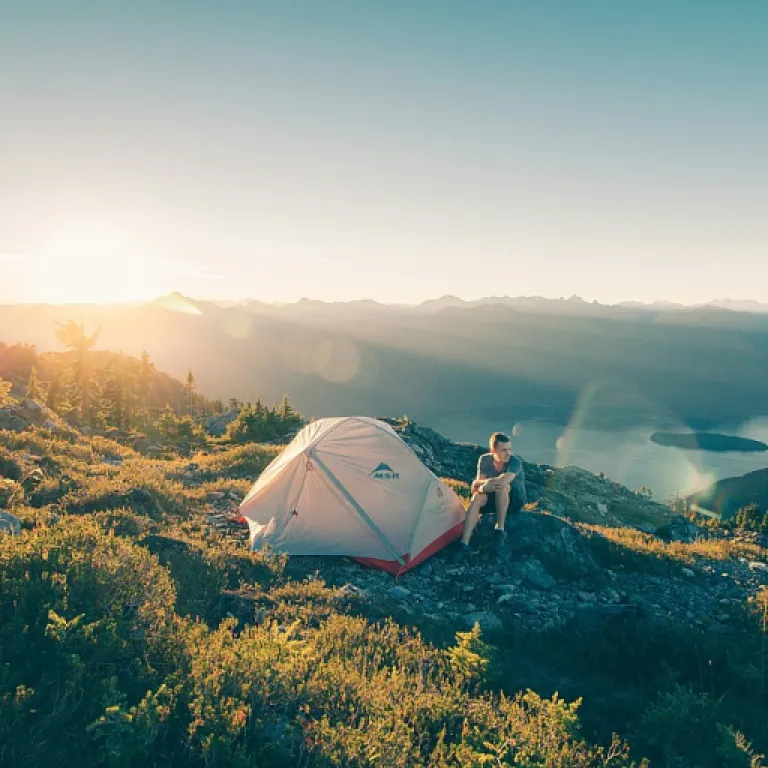
Why womens rain pants matter on demanding mountain terrain
For experienced hikers and mountaineers, womens rain pants are not optional gear. When a cold front sweeps across a ridge, the right waterproof pants protect muscles, joints, and morale during long hours of hiking. A well chosen pant shields women from wind driven rain while preserving warmth and comfort mobility on steep ascents.
Many outdoor accidents begin with simple water exposure that slowly chills the body and reduces decision making capacity. Womens rain pants built with reliable water resistance and sealed zippers prevent this creeping cold, especially when combined with technical hiking pants underneath. In multi day expeditions, the durability of each product becomes as critical as its initial price because failures far from shelter can escalate quickly.
Mountaineers often compare the weight durability balance of different waterproof rain systems before committing to a kit. Lightweight womens rain designs reduce fatigue on long approaches, yet the fabric must still resist crampon nicks, rock abrasion, and repeated pant layering. A careful pants review therefore evaluates not only waterproof ratings but also how the pant behaves after months of hard outdoor use.
For many women, the best rain protection is the one they forget they are wearing. That means womens rain pants must allow full mobility for high steps, glissades, and scrambling moves without snagging or restricting hip rotation. When a product achieves this blend of comfort mobility, water resistant performance, and low weight, it becomes trusted rain gear rather than emergency clothing.
Technical fabrics, membranes, and the reality of waterproof ratings
Behind every pair of womens rain pants lies a membrane or coating that manages water and vapor. Brands such as Patagonia and REI use multilayer laminates to keep external water out while allowing internal moisture to escape during intense hiking. The best rain systems balance waterproof protection with breathability so that women stay dry from both rain and sweat.
Patagonia torrentshell womens rain pants illustrate this trade off with a robust 3 layer construction. Many mountaineers value this patagonia torrentshell design because its waterproof pant fabric maintains water resistance after repeated pack abrasion and kneeling on wet rock. However, the weight durability equation means these waterproof pants are slightly heavier than minimalist options aimed at ultralight hiking.
Coated fabrics used in some frogg toggs womens rain gear prioritize low price and very light weight. These pants women often carry as backup rain gear compress extremely small, yet their long term durability can lag behind premium membranes in harsh outdoor environments. A careful pants review should therefore compare not only initial water resistant performance but also how the product ages after frequent stuffing and unstuffing.
Side zippers and full zip constructions also influence how effectively womens rain pants manage internal condensation. Long zipper openings allow women to vent excess heat during steep hiking while keeping most rain out, especially when the zippers are protected by storm flaps. For travelers heading to luxury style camps, such as those described in this outdoor luxury camping guide, this balance of comfort and protection can define whether rain feels like a nuisance or a trip ending hazard.
Fit, patterning, and comfort mobility for technical hiking
Even the most waterproof womens rain pants fail if the fit restricts movement on exposed terrain. Experienced hikers know that a pant with articulated knees, a gusseted crotch, and carefully placed zippers will feel radically different during scrambling. These design elements allow women to maintain comfort mobility while stepping high, crossing talus, or kicking steps into soft snow.
Mountaineers often layer womens rain pants over insulated pant systems, so patterning must accommodate bulk without flapping excessively in strong wind. Adjustable waistbands, low profile belt loops, and calf cinches help keep the pant aligned during dynamic hiking moves. When a product offers this tailored control, the best rain performance is matched by precise handling in technical outdoor conditions.
Side zipper length is another critical factor for pants hiking in volatile weather. Full zip womens rain pants allow climbers to pull waterproof layers over boots and crampons without removing harnesses or snowshoes, saving time and preserving heat. Shorter zippers reduce weight but can complicate transitions when sudden rain or spindrift forces rapid changes.
Women also need pocket and zipper placements that work with hip belts and climbing harnesses. A thoughtful pants review examines whether zippers snag on gear loops, whether pockets remain accessible, and how the pant interacts with shell jackets like the patagonia torrentshell. When these small details align, womens rain systems feel integrated rather than improvised, supporting confident hiking in complex mountain environments.
Comparing leading womens rain pants from Patagonia, REI, and Frogg Toggs
Among experienced hikers, debates about the best rain protection often center on a few benchmark models. Patagonia torrentshell womens rain pants are frequently praised for their durability and consistent waterproof performance in sustained rain. This patagonia product uses a robust fabric that resists abrasion, making it suitable for rough hiking and alpine scrambles.
REI branded waterproof pants often target a balance between price and technical performance. Many women appreciate that these pants hiking options include long side zippers, articulated knees, and reliable water resistance at a moderate weight. A detailed pants review typically notes that REI models offer strong value for outdoor enthusiasts building their first serious rain gear system.
Frogg Toggs womens rain pants occupy a different niche focused on ultralight weight and very low price. These women rain designs pack down extremely small, making them attractive backup waterproof rain layers for day hiking or travel. However, their coated fabric can show wear more quickly, so weight durability trade offs must be considered for frequent mountaineering use.
When comparing these products, experienced women evaluate not only waterproof ratings but also comfort mobility, zipper reliability, and long term water resistant performance. They ask whether the pant sheds water after many wash cycles, whether zippers remain smooth in grit, and how the fabric feels against bare skin. For detailed route planning and gear testing ideas, many hikers consult resources such as this guide to challenging regional hikes for outdoor enthusiasts, then match their womens rain systems to the terrain and climate they expect.
Weight, packability, and the economics of price versus durability
Every gram matters when women carry full alpine loads across long distances. Lightweight womens rain pants reduce fatigue during extended hiking days, yet shaving too much weight can compromise durability and long term waterproof performance. The art lies in choosing a pant whose weight durability balance matches the specific outdoor objective.
On fast and light missions, some women prefer minimalist waterproof pants that weigh under 250 grams and compress to a fist sized bundle. These rain gear pieces often use thinner fabrics and shorter zippers, which lowers price but may reduce abrasion resistance on rocky routes. For repeated mountaineering or glacier travel, a slightly heavier pant with reinforced cuffs and robust zippers can prove more economical over time.
Price also reflects design complexity, including full zip legs, articulated patterning, and premium membranes. A higher priced patagonia torrentshell or similar womens rain model may outlast several cheaper frogg toggs style pants, especially when subjected to frequent hiking in harsh weather. When evaluating product cost, experienced hikers calculate not only purchase price but also cost per expedition or per season of reliable water resistance.
Packability influences how often womens rain pants actually leave the backpack and get used. If a waterproof pant is bulky or heavy, women may hesitate to carry it on marginal forecast days, increasing exposure to unexpected rain. A thoughtful pants review therefore weighs storage volume, fabric stiffness, and how quickly the pant can be deployed when dark clouds build over a remote ridge.
Field testing womens rain pants in real mountain storms
Laboratory ratings for waterproof and water resistant fabrics only tell part of the story. Experienced women rely on field testing womens rain pants in genuine storms, where wind driven water, cold temperatures, and long hiking days expose weaknesses. During these tests, they monitor how quickly the pant wets out, whether zippers leak, and how the fabric feels after hours of continuous rain.
Mountaineers often rotate between different waterproof pants on similar routes to compare performance directly. One day they might wear patagonia torrentshell womens rain pants on a glaciated approach, then switch to lighter frogg toggs women rain gear for a forested trail. This side by side product comparison reveals how each pant manages condensation, comfort mobility, and weight durability under varying outdoor conditions.
Real world testing also highlights how womens rain pants interact with base layers and insulated pant systems. A pant that feels clammy over bare legs may perform beautifully over breathable hiking pants, while another waterproof design might excel in shoulder season snow but overheat during summer rain. Detailed pants review notes from these trips help women refine their gear lists for future expeditions.
Ultimately, the best rain protection is the system that keeps women focused on navigation, safety, and the joy of movement rather than on wet fabric. When waterproof pants, jackets, and boots work together, water becomes a manageable element instead of a constant threat. For serious outdoor enthusiasts, this confidence in womens rain gear is as essential as strong legs, reliable maps, and well broken in hiking boots.
Key statistics about womens rain pants performance
- Include here quantitative data on average waterproof ratings for womens rain pants compared with general hiking pants.
- Highlight statistics on failure rates of zippers and full zip systems in prolonged rain exposure.
- Present numbers on typical weight ranges for waterproof pants used by mountaineers versus casual outdoor users.
- Summarize survey data on how price influences womens choices between patagonia torrentshell, REI models, and frogg toggs designs.
- Detail percentages showing how many women prioritize comfort mobility over maximum water resistance when selecting rain gear.
Frequently asked questions about womens rain pants
How should womens rain pants fit over hiking pants and base layers ?
Womens rain pants should fit comfortably over hiking pants without restricting stride or hip rotation. There must be enough room for thermal layers while still allowing the pant cuffs to seal around boots. Adjustable waistbands and articulated knees help maintain comfort mobility across different layering systems.
Are full zip womens rain pants worth the extra weight and price ?
Full zip designs allow women to pull waterproof pants over boots and crampons quickly when sudden rain arrives. This convenience can be crucial on exposed ridges where stopping to remove footwear is unsafe or impractical. For technical mountaineering and serious hiking, many consider the added weight and price a worthwhile investment.
How do I maintain the waterproof performance of my womens rain pants ?
Regular cleaning with technical wash products removes oils and dirt that compromise water resistance. After washing, reactivating the durable water repellent finish with low heat or applying a dedicated treatment helps water bead on the fabric surface. Proper storage, avoiding prolonged compression, and checking zippers for grit also extend the life of waterproof pants.
What is the difference between water resistant and fully waterproof womens rain pants ?
Water resistant pants can handle light showers and brief exposure but may leak during sustained or wind driven rain. Fully waterproof womens rain pants use membranes, sealed seams, and protected zippers to withstand prolonged wet conditions. For alpine routes and multi day hiking in uncertain weather, fully waterproof designs provide a much larger safety margin.
Can lightweight womens rain pants handle serious mountaineering use ?
Some ultralight waterproof pants perform well on occasional alpine trips, especially when rock contact is limited. However, frequent crampon use, rough scrambling, and heavy pack abrasion often demand more robust fabrics and reinforced cuffs. Mountaineers typically reserve the lightest womens rain models for fast missions while relying on heavier, more durable pants for repeated technical objectives.