Reopening week on Durango trails: what changes on May 1
Big Canyon, Sale Barn and Three Springs trailheads on the south side of Durango in Colorado reopen on May 1 after a winter closure to protect wildlife. For hikers planning Durango hiking trails in early May, that means fresh access to some of the closest trail Durango options for pre work laps and after work hikes Durango outings, but also a sharp shift in expectations around mud, snow and elk behavior. The upper loops of Animas City Mountain remain under tighter restrictions, so experienced hikers should check current BLM Durango notices before committing to a long mountain trail day from town.
The closure has covered the Big Canyon trail, the Sale Barn access to the Horse Gulch system and the Three Springs connector, which together form a network of hiking trails and mountain biking routes that locals treat as their backyard gym. Those Durango trails sit between roughly 2 050 and 2 400 meters in elevation, where north facing slopes still hold snow pockets and shaded gullies hide ice even when the south aspects feel dry and easy underfoot. Anyone targeting Durango hiking trails May 2026 style conditions this coming May should expect a patchwork of dry singletrack, lingering snow and short but greasy sections that will test both your hiking boots and your patience.
On Animas City Mountain, the lower loops near the Animas River and the river trail corridor see heavy use from walkers, runners and families, while the upper Animas Mountain loops climb toward 2 450 meters with bigger views over Durango Colorado and the San Juan foothills. Those upper loops have been part of the closure to reduce pressure on wintering deer and elk, and some segments may stay restricted longer if wildlife monitoring shows stress during calving season. The practical takeaway for Durango hiking fans is simple ; plan your hike or mountain biking ride with alternate lines in mind, and treat any closed gate or sign as a hard stop rather than a suggestion.
Elk calving, trail etiquette and real early May conditions
Elk calving overlaps almost perfectly with the first rush back onto Durango hiking trails, and that timing matters more than any gear choice you make. Cows with calves in the Animas watershed and the nearby San Juan National Forest treat fast moving humans and dogs as threats, so staying at least 90 meters away and keeping dogs leashed on every river trail, creek trail and mountain trail is not courtesy but basic survival etiquette. The real risk is not a distant bull in the wilderness ; it is a cow elk you surprise at close range on a narrow trail above the Animas River or Hermosa Creek.
Expect the first 7 to 10 days after reopening to bring classic shoulder season terrain, with frozen mud at dawn turning to ankle deep paste by late morning on shaded Durango trails. South facing sections near Twin Buttes and the lower Animas River trail often feel dry and fast, while north facing benches toward Perins Peak, Animas Mountain and the higher benches above Durango Colorado still hold snow patches that hide rocks and roots. That mix of surfaces means your hiking boots need enough torsional stiffness for uneven terrain and enough outsole bite to manage short, steep pitches with sudden elevation gain over just a few hundred meters.
For hikers comparing Durango hiking trails May 2026 style conditions with other Colorado destinations, the best analog is often the lower San Juan National Forest access points rather than high alpine passes. Elevation in this front country band runs roughly from 1 980 to 2 440 meters, so a 10 kilometer hike with 400 meters of elevation gain can feel surprisingly strenuous when you add mud, snow and early season heat. If you are planning bigger objectives later in the season, such as longer wilderness routes or even serious expeditions where lessons from high consequence environments matter, it is worth reading a detailed analysis like this piece on Kangchenjunga summits and deaths and what they teach serious hikers to calibrate your risk lens before you push deeper into the backcountry.
Boots, mud gear and alternative routes around Durango Colorado
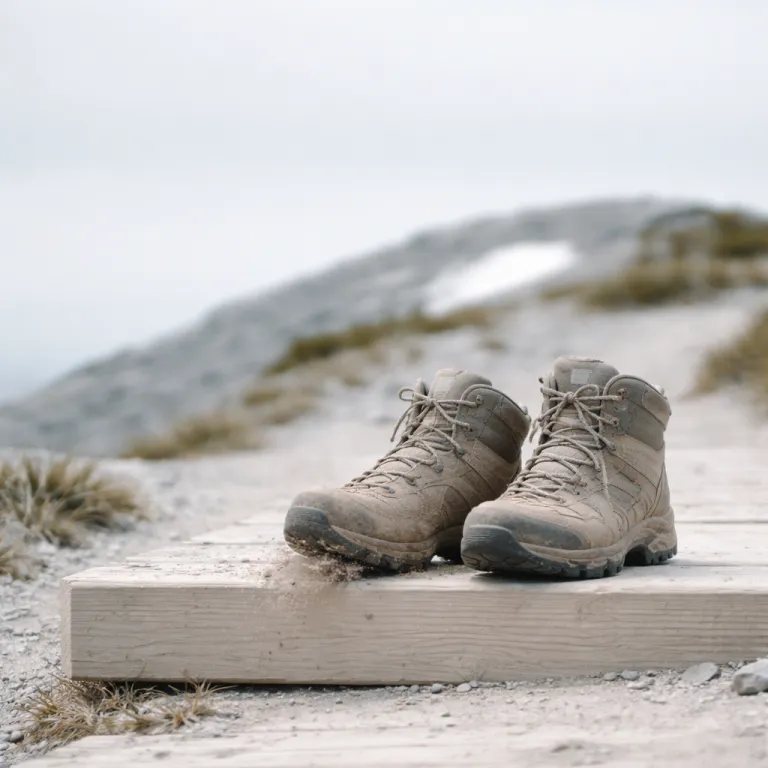
For this reopening window, the best footwear for Durango hiking is a mid height boot with a firm midsole, a rock plate and a lug pattern that sheds clay rather than a soft trail runner that clogs instantly. Models like the Salomon X Ultra 4 Mid, the Scarpa Zodiac Plus GTX and the Lowa Renegade GTX Mid have all seen more than 800 kilometers of mixed terrain under my feet around Durango, Hermosa Creek and the broader San Juan region, and the failure points tend to show up in the toe rand and heel cup long before the midsole breaks down. When you are pushing through repeated mud, shallow creek crossings and short snowfields on Durango hiking trails May 2026 style outings, the detail that matters is not the waterproof rating but the tenth river crossing when your boot leather is saturated and your gaiters start to sag.
Mud gaiters earn their place in this specific time window, especially on the lower Durango trails near the Animas River and on the Hermosa Creek corridor where clay rich soil cakes your boots. A light, low cut gaiter paired with microspike optional traction gives you flexibility ; you can move from easy river trail sections to steeper mountain trail segments with patchy ice without stopping every kilometer. For a deeper look at how different Colorado terrains stress boots over time, the long form guide on top trails in Colorado and their gear demands and the companion piece on the best trails in Colorado for varied skill levels both map well onto what you will face around Durango Colorado in early season conditions.
Hikers who want to avoid the reopening rush or the heaviest mud have two realistic alternatives near Durango that still keep the San Juan skyline in view. Lower elevation desert style terrain south and west of town offers shorter hikes Durango locals use for quick fitness, with less elevation and more predictable surfaces, while the Hermosa Creek drainage north of town provides longer mile days on a classic creek trail that stays cooler and often drier. Whether you are linking Twin Buttes, skirting the base of Perins Peak or threading singletrack above the Animas River in the national forest, the pattern holds ; match your boot to the terrain, respect closures, and treat every early season outing as both a hike and a live fire test of your gear and judgment.
Key statistics on Durango hiking trails and Colorado wildlife closures
- BLM seasonal closures around Durango typically run from mid November through the end of April to protect wintering deer and elk near popular trailheads.
- Front country elevations around Durango Colorado commonly range from about 1 980 to 2 440 meters, where patchy snow and mud can persist on north facing slopes into mid May.
- Elk calving season in Colorado generally spans from April through June, which overlaps with the first major surge of hikers returning to reopened trails.
- San Juan National Forest manages more than 7 600 square kilometers of public land, including many of the wilderness and backcountry areas accessed from Durango area trailheads.
- Popular routes like Hermosa Creek and the Animas River trail see thousands of user days each spring, concentrating human wildlife interactions in a narrow seasonal window.
Questions hikers also ask about Durango trails and early season conditions
When do Durango area wildlife closures usually end for popular trailheads ?
Seasonal wildlife closures around Durango typically end around the start of May, with Big Canyon, Sale Barn, Three Springs and parts of Animas City Mountain reopening after winter restrictions. The exact date can shift slightly year to year, so hikers should always confirm current information through the Bureau of Land Management Durango office and San Juan National Forest updates before planning a specific hike. Treat any posted closure sign or gate as binding, even if online maps or older guidebooks show the trail as open.
What trail conditions should I expect on Durango hiking routes in early May ?
Early May on Durango hiking trails usually brings a mix of dry sections, lingering snow patches and significant mud on shaded or north facing slopes. Elevations between roughly 2 000 and 2 400 meters can hold snow and ice in gullies and under tree cover, while south facing aspects near the Animas River and Twin Buttes dry out more quickly. Hikers should plan for variable traction, carry footwear with good grip and consider mud gaiters and light traction devices for the first 7 to 10 days after reopening.
How close can I safely be to elk during calving season near Durango ?
During elk calving season from April through June, wildlife managers recommend staying at least 90 meters away from elk whenever possible, especially cows with calves. In practice on narrow Durango trails, that means stopping, backing away slowly and giving animals time to move off the trail rather than trying to pass closely. Keeping dogs leashed at all times on river trail, creek trail and mountain trail segments is essential to reduce stress on wildlife and avoid dangerous encounters.
Which Durango area trails are best for mixed skill levels in early season ?
For mixed skill levels in early season, the lower Animas River trail, sections of the Twin Buttes system and some Hermosa Creek access points offer relatively easy terrain with manageable elevation gain. These routes allow newer hikers to experience great views and classic Durango Colorado scenery while more experienced partners add distance or short, steeper spurs. Always check current conditions and closures, because specific segments can shift from easy to hazardous quickly when snowmelt and mud combine.
What type of hiking boots work best for Durango’s shoulder season terrain ?
Mid height hiking boots with firm midsoles, durable uppers and aggressive but mud shedding lugs perform best on Durango’s shoulder season mix of rock, clay and lingering snow. Waterproof membranes help in the short term, but breathability and fit matter more over a full day of repeated creek crossings and mud patches. Hikers should prioritize models that balance support and comfort over long mile days, and plan to pair them with mud gaiters and optional traction for the first weeks after trails reopen.