Why most hikers with plantar fasciitis choose the wrong boot
Most hikers with plantar fasciitis instinctively grab the stiffest hiking boots they can find. On paper, a rigid, supportive boot sounds protective. On real trail terrain, though, that choice often turns brief morning heel pain into an all day problem. The wrong hiking footwear turns every step into a pry bar against your plantar fascia instead of a shield for it.
Plantar fasciitis is a micro tear injury where the fascia band under your foot pulls at the heel bone. That is why those first three steps out of bed hurt more than a steep trail in the United States backcountry: the tissue tightens overnight and then gets yanked suddenly at heel strike. When you lace into heavy boots or rigid hiking shoes with harsh motion control, you amplify that yank with every heel drop and push off.
Traditional wisdom says a high cut hiking boot with aggressive ankle support and a firm midsole is always the best hiking choice. For plantar fasciitis, that formula backfires when the boot blocks your natural gait and forces your heel to slam the outsole instead of rolling smoothly. Many men and women swap from light shoes to tall boots and then rate them with five rating stars online, even while their heel pain quietly worsens over each long day.
The key mistake is chasing stability at any cost instead of targeted support. Overbuilt boots with tall stacked midsoles, flat forefoot lugs and a big heel to toe drop lock your foot into one rigid angle. That might feel like comfort in a shop, but on moderate terrain it means your plantar fascia must work harder to lever your body forward.
When you add a thick motion control insole on top of that stiff hiking boot platform, you double down on the problem. The arch gets jammed upward, the heel cup often sits shallow, and the fascia is stretched like a bowstring between two fixed points. That is why so many hikers report more pain after “upgrading” to expensive hiking boots for plantar fasciitis that were never designed around this injury in the first place.
The three design features that actually reduce morning heel pain
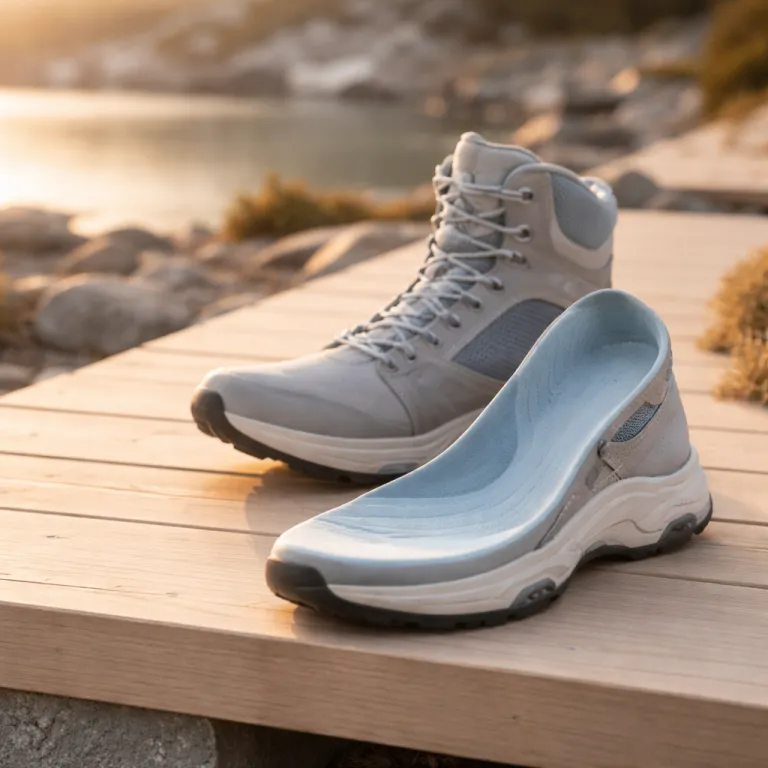
For plantar fasciitis, three boot design features matter more than any marketing copy. You want a rocker profile midsole, a structured heel cup and moderate arch support that works with your foot instead of against it. When those three elements line up, hiking boots for plantar fasciitis can turn that first step of the day from dread into routine.
A rocker profile midsole curves upward at the toe and often slightly at the heel, like you see in the Hoka Kaha models and other Hoka boots. This shape lets your foot roll through stance instead of hinging hard at the toes, which reduces strain on the plantar fascia during push off. Podiatry experts agree that rocker profile boots such as the Hoka Kaha 3 GTX and Hoka Anacapa 2 Mid reduce plantar fascia load by unloading the final part of the gait cycle.
The second feature is a deep, structured heel cup that centers the heel without clamping it. A good heel cup in a hiking boot cradles the calcaneus so that heel strike lands squarely on the cushioning, not on the boot’s sidewall or a sloppy insole edge. That structure is what keeps heel pain from flaring when you sidehill on broken terrain or descend loose trail with a pack.
Third, you need moderate arch support, not a brick under your midfoot. Aggressive motion control insoles and some so called stability boots shove the arch so high that the plantar fascia is stretched all day, which is the opposite of what you want. A balanced insole in hiking shoes or boots should support the arch contour while still allowing a little natural drop and rebound with each step.
Put together, these three features change how force travels from heel to toe. Instead of a sharp impact at the heel followed by a long lever at the toes, the rocker midsole, heel cup and arch support share the load across the whole outsole. That is why hikers who switch to the right hiking boots for plantar fasciitis often report that their morning pain fades from a stabbing jolt to a dull, manageable ache.
Waterproof technology and brand names matter less than this trio of fundamentals. Gore Tex membranes, GTX labels, or mid GTX tags on product pages tell you about waterproof hiking performance, not about plantar fascia mechanics. If you want a deeper dive into why waterproof ratings can mislead day hikers, read this analysis on why most waterproof boot marketing overpromises and then come back to focus on support and rocker design.
Field tested shortlist: specific boots that work for plantar fasciitis
Translating design theory into real boots is where most guides fall apart. You do not hike in concepts, you hike in leather, foam, lugs and laces over real terrain. After hundreds of kilometres on moderate terrain and rough trail, a few models stand out as genuinely effective hiking boots for plantar fasciitis.
The Hoka Kaha 3 GTX is the reference point, because its rocker midsole and plush cushioning are tuned for long day hikes with a tender heel. This Hoka Kaha boot uses a high stack EVA midsole with a pronounced rocker, a firm sidewall around the heel and a Vibram outsole with broad lugs that grip without feeling twitchy. In both men and women versions, the Kaha GTX platform spreads impact so evenly that many hikers report less heel pain after eight hours than after two in traditional boots.
For hikers who want something lighter, the Hoka Anacapa 2 Mid GTX offers a similar rocker profile in a more agile mid cut hiking boot. The Anacapa mid GTX uses a slightly lower drop and a softer forefoot, which suits day hiking on rolling trail where you want quick foot placement. Its waterproof hiking performance comes from a Gore Tex bootie, but the real story is how the midsole geometry unloads the plantar fascia during every step.
Not everyone loves the Hoka feel, so the Oboz Bridger Mid with the stock Oboz OFit insole is a strong alternative. The Bridger boot has a firmer ride, a defined heel cup and a moderate arch that works well for plantar fasciitis when you keep mileage sensible. Its outsole lugs bite into rocky terrain, and the leather upper plus optional waterproof membrane give enough ankle support for backpacking without turning the boot into a cast.
Zero drop tolerant hikers can look at the Altra Olympus Mid, which combines a wide toe box with a mild rocker and thick cushioning. This hiking boot keeps the heel and forefoot at the same height, so it is only suitable if your calves and Achilles are already flexible and used to low drop shoes. When that condition is met, the Olympus mid boot can feel like a cushioned platform that lets the plantar fascia relax while the rocker rolls you forward.
Some popular models sit on the fence for plantar fasciitis. The Merrell Moab line, including the Merrell Moab Speed Mid, offers good comfort and traction, but the flatter midsole and softer heel cup mean you must pair them with a carefully chosen insole. If you love the Moab Speed or classic Merrell Moab fit, treat those boots as a chassis and plan to tune arch support and heel control before trusting them for long trail days.
For mountaineers and technical hikers, the Danner Mountain series and other traditional leather boots still have a place. These boots excel on steep, rough terrain and mixed conditions, especially when you need edging precision and strong ankle support. If you go this route, choose models with a slightly rockered forefoot and be ready to invest in a custom insole to keep plantar fasciitis under control on long approaches.
When your ambitions move toward higher peaks, pairing supportive hiking boots for plantar fasciitis with the right crampon compatible models becomes critical. A curated list of top mountaineering boots can help you balance stiffness for snow with enough midsole geometry to protect your heel. The goal is always the same, whether you are on a local trail or a glaciated ridge, which is to keep the plantar fascia from acting as your primary shock absorber.
Insoles, motion control myths and how to tune your fit
Boot choice is only half the story for plantar fasciitis, because the insole under your foot can make or break the whole system. Stock insoles in most hiking boots are thin foam sheets that pack out quickly and offer almost no structured heel cup or arch support. That is why many hikers with heel pain feel a big difference the day they upgrade to a better insole.
The first rule is to avoid over correcting your gait with aggressive motion control. If an insole feels like a hard ridge under your arch or tips your ankle outward, it will probably make plantar fasciitis worse by stretching the fascia all day. You want an insole that cups the heel deeply, supports the arch gently and lets the forefoot flex naturally inside the boot.
Aftermarket options such as Superfeet Green and Powerstep Pinnacle are popular because they hit that moderate support sweet spot for many feet. Superfeet Green offers a firm, high volume heel cup and a defined arch that works well in roomy boots like the Hoka Kaha 3 GTX or Oboz Bridger Mid. Powerstep Pinnacle has a slightly softer feel and can tame heel pain in mid volume hiking shoes and boots without feeling intrusive.
Custom orthotics prescribed by a podiatrist can be game changing when plantar fasciitis is severe or linked to complex biomechanics. These devices are moulded to your foot and can be tuned for specific hiking terrain, from flat forest trail to rocky alpine approaches. The trade off is cost and the need to match the orthotic shape carefully with the internal volume of your chosen hiking boot.
When you slide a new insole into a boot, reassess the fit from heel to toe. The heel should sit locked into the cup with no vertical lift when you walk, while your toes still have room to splay and wiggle on descents. If the insole raises your foot too much, you may feel pressure on the top of the mid foot or lose stability on sidehills, which can indirectly aggravate plantar fasciitis.
Do not forget that insoles wear out faster than leather or synthetic uppers. A boot might look fine from the outside, but if the insole and midsole foam are compressed, your heel will feel every rock on the trail. Replacing insoles every few hundred kilometres keeps the support consistent and helps your hiking boots for plantar fasciitis perform like they did on day one.
Training, mileage and the limits of what a boot can fix
No boot can outrun bad training habits, especially with plantar fasciitis. Most hikers in the United States who develop this injury have ramped up their weekly hiking distance or vertical gain too quickly. The classic error is ignoring the ten percent rule and doubling weekend mileage because the weather finally turned good.
Your plantar fascia hates sudden change, whether that is a new pair of boots, a fresh insole or a big jump in trail hours. Calf tightness is a major driver of heel pain, because a stiff Achilles pulls on the heel bone and increases tension on the fascia. Daily calf stretching, gentle foot rolling and a short warm up walk before loading a pack do more for plantar fasciitis than any marketing term like GTX hiking or mid Gore membrane.
Morning routines matter as much as what you wear on your feet. When you wake up, sit on the edge of the bed and flex your toes toward your shin several times before standing, which pre stretches the fascia. Those first three steps are the most reliable signal of plantar fasciitis severity, so treat them like a diagnostic tool instead of a punishment.
On trail, manage your pace and terrain choices while your heel calms down. Choose moderate terrain with forgiving surfaces such as forest duff or packed dirt instead of endless rock hopping, especially on your first few weekends in new boots. If you must tackle rough trail, keep the day shorter and focus on smooth, efficient foot placement rather than speed.
Gear choices beyond boots also influence plantar fasciitis stress. Trekking poles, when used correctly, offload some impact from each heel strike and help control descents that would otherwise pound your fascia. If you rely on poles heavily, learn when to replace worn straps, tips and shafts using this guide to carbon trekking pole maintenance so they do not fail when your feet need them most.
There is also a hard truth that every experienced hiker eventually faces. Some cases of plantar fasciitis will not resolve with boot changes, insoles and training tweaks alone, especially when pain persists at rest or radiates beyond the heel. That is when a sports medicine professional or podiatrist should step in to assess for nerve involvement, stress fractures or systemic issues that no hiking boot can fix.
How specific models behave after real mileage on trail
Marketing copy and five star reviews rarely mention what happens after five hundred kilometres of mixed terrain. That is where hiking boots for plantar fasciitis either prove their worth or quietly collapse under the weight of packed out foam and sloppy heel counters. Long term behaviour matters more than out of the box comfort when you are trying to keep heel pain under control.
The Hoka Kaha 3 GTX starts life with a very soft feel, but the midsole settles into a slightly firmer, more stable platform after about one hundred kilometres. Its rocker profile remains intact, and the heel cup stays supportive as long as you do not crush the foam by carrying loads far beyond day hiking weight. The outsole lugs wear faster on abrasive rock, yet grip remains reliable on moderate terrain and wet trail long after the upper still looks fresh.
The Hoka Anacapa 2 Mid GTX feels more agile from day one, with a lower stack and a bit more ground feel. Over time, the midsole compresses slightly under the heel, which can actually improve stability for some hikers with plantar fasciitis who found the original ride too bouncy. Watch the flex point at the forefoot, because if it creases sharply instead of rolling, you lose some of the rocker benefit that protects the plantar fascia.
Oboz Bridger boots are built on a stiffer platform, so they change character more slowly. The leather upper breaks in around the ankle and mid foot, while the OFit insole maintains a consistent heel cup and arch profile for many months of weekend hiking. For plantar fasciitis, that predictability is valuable, because you can tune your lacing and sock thickness without chasing a moving target under your heel.
Altra Olympus Mid boots behave differently because of their zero drop geometry and wide forefoot. The cushioning holds up well, but if your calves are not conditioned, you may feel more Achilles and heel strain as the midsole softens. Zero drop tolerant hikers, however, often report that the combination of rocker, cushioning and toe splay keeps plantar fasciitis quiet even on long trail days.
Legacy models like the Danner Mountain boots and classic Merrell Moab designs still earn loyal fans, yet they demand more active management for plantar fasciitis. Their flatter midsoles and traditional shapes mean you must rely heavily on insoles to create a deep heel cup and supportive arch. When tuned correctly, these boots can handle rough terrain and long days, but they rarely feel as forgiving on the plantar fascia as a purpose built rocker design.
Whatever boot you choose, pay attention to subtle changes in comfort and support over time. If heel pain returns after months of relief, inspect the midsole for compression lines, the outsole for worn lugs and the insole for collapsed cushioning. Replacing a tired insole or retiring a boot at the right moment often costs less than another round of medical treatment for a preventable flare up.
Key figures every plantar fasciitis hiker should know
- Plantar fasciitis accounts for roughly 10 percent of running related injuries and a similar share of overuse injuries in hikers, according to sports medicine reviews, which shows how common heel pain is among active people (for example, see epidemiology summaries in journals such as American Family Physician and Foot & Ankle International).
- Clinical studies report that more than 80 percent of plantar fasciitis cases improve within 12 months with conservative treatment such as stretching, load management and footwear changes, highlighting the value of patient, consistent adjustments rather than quick fixes (this figure appears repeatedly in guideline style reviews and primary care overviews).
- Biomechanics research indicates that rocker sole footwear can reduce peak plantar fascia strain by up to 20 percent during walking compared with flat soled shoes, which supports the emphasis on rocker profile hiking boots for plantar fasciitis (laboratory gait analyses using instrumented footwear and motion capture report reductions in plantar loading of this order of magnitude).
- Observational data from podiatry clinics suggest that a deep heel cup and moderate arch support reduce reported morning heel pain intensity by one to two points on a 10 point scale for many patients, a small but meaningful improvement for daily comfort (these findings are typically drawn from clinic audits and patient reported outcome measures rather than single landmark trials).
- Guidelines for overuse injury prevention recommend increasing weekly walking or hiking volume by no more than about 10 percent, yet surveys show that many recreational hikers double their distance after buying new boots, which significantly raises plantar fasciitis risk (the “10 percent rule” appears in multiple sports medicine position statements and coaching manuals).
FAQ about hiking boots for plantar fasciitis
How do I know if my heel pain is plantar fasciitis and not something else ?
The hallmark sign of plantar fasciitis is sharp heel pain during the first few steps in the morning or after sitting, which then eases as you move. The pain usually sits at the front of the heel, slightly toward the arch, and may flare after long periods of standing or hiking. If pain persists at rest, radiates, or comes with numbness, you should see a medical professional to rule out other conditions such as nerve entrapment or stress fracture.
Should I choose waterproof GTX boots or non waterproof models for plantar fasciitis ?
Waterproof GTX boots with Gore Tex or similar membranes keep your feet drier in wet conditions, but the membrane itself does not affect plantar fascia mechanics. For plantar fasciitis, midsole geometry, heel cup structure and arch support matter far more than whether the boot is labelled GTX hiking or mid Gore. Choose waterproof hiking boots only if your typical terrain is wet or muddy, and prioritise rocker profile and support features first.
Are high cut boots better than low shoes for plantar fasciitis ?
High cut boots provide more ankle support, which can help on rough terrain or with heavy packs, but cuff height does not directly treat plantar fasciitis. Many hikers find that a well designed mid height hiking boot with a rocker sole and good insole support offers the best balance between stability and freedom of movement. Low hiking shoes can also work if they share those design features and you are careful with load and mileage.
When should I replace my hiking boots if I have plantar fasciitis ?
Most hikers with plantar fasciitis should consider replacing boots after roughly 600 to 800 kilometres of use, or sooner if the midsole feels flat and the heel no longer feels cushioned. Visible creasing in the midsole, worn down outsole lugs and a collapsed insole are signs that support has degraded. If heel pain returns after a period of relief in the same boot, that is often your most reliable signal that the footwear is past its useful life.
Can I hike long distances with plantar fasciitis if I have the right boots ?
Many hikers manage moderate to long distances with plantar fasciitis by combining appropriate boots, supportive insoles, stretching routines and careful mileage progression. The key is to respect pain signals, avoid sudden jumps in distance or vertical gain, and choose terrain that does not punish your heel with constant impact. When pain escalates during or after hikes despite these measures, it is time to cut back and consult a healthcare professional rather than pushing through.