Why your energy crashes after mile 15
Most hikers feel the bonk long before they blame their trail food. Your legs turn to sand on a steep mountain climb, your brain fogs, and you start wondering whether your boots or your fitness failed. In reality, your fueling strategy probably collapsed hours earlier when you leaned too hard on bars and sugar.
On a long day of hiking in a national park or remote alpine range, your body burns through stored glycogen in roughly 90 to 120 minutes of steady effort, a range supported by endurance research from the American College of Sports Medicine (ACSM). After that window, a steady drip of carbohydrates, healthy fats, and protein is what keeps your energy smooth instead of spiky. When your meals and hiking snacks are mostly high glycemic foods, you get a fast surge of energy followed by a sharp crash that feels like a gear failure rather than a nutrition failure.
Think about a typical road trip style resupply before big hikes, where you grab a stack of bars, a bag of trail mix, and maybe some dried fruit. That works for a short day near a lake or a casual walk in a local park, but it unravels on long distance backpacking days with 1 000 metres of climbing. The longer the trail and the heavier the pack, the more your backcountry nutrition needs to look like a planned meal pattern rather than random snack grazing.
Sports nutrition research for endurance efforts shows that most hikers under eat by 30 to 50 percent of their actual calorie needs. On moderate terrain, a 70 kilogram hiker with a 10 kilogram pack can burn 300 to 500 calories per hour, and that can climb past 600 calories per hour on steep mountain ascents, according to field studies on hiking energy expenditure. If your backpacking food plan is just two bars, a handful of nuts, and one freeze dried dinner, you are running a calorie deficit that no amount of willpower can fix.
That deficit hits hardest after mile 15, when your best hiking intentions collide with basic physiology. Your body starts breaking down muscle protein for fuel, your stride shortens, and your risk of tripping on technical trail sections rises. This is where a structured backpacking nutrition plan separates strong finishes from slow, painful shuffles into camp.
For an eight hour day on trail, aim for 300 to 400 calories per hour from a mix of carbohydrate rich hiking food, healthy fats, and moderate protein. That means 2 400 to 3 200 calories across the day, not counting breakfast at home or a restaurant stop on the drive. A smart fueling approach treats every hour like a mini meal, not a random snack window.
Macro balance matters as much as total calories when you stack big hikes back to back. A practical target for long distance hiking is roughly 60 percent of calories from carbohydrates, 25 percent from fats, and 15 percent from protein, adjusted slightly for your body size and pace. This 60/25/15 split keeps your energy stable, supports muscle repair, and leverages fat as the endurance fuel most hikers ignore.
Carbohydrates in your meals and snacks should come from a mix of simple and complex sources, not just gels or candy. Tortillas, instant oats, couscous, and dried fruit give you both quick and sustained energy along the day’s route. When you pair those with healthy fats like olive oil, nuts, and peanut butter, you slow digestion just enough to flatten the blood sugar roller coaster.
Protein is your structural insurance policy on a demanding trail, especially when your hiking boots and pack weight encourage a heavy heel strike. Aim for 1.4 to 1.8 grams of protein per kilogram of body weight per day on multi day backpacking trips, and spread that protein across your meals instead of saving it all for dinner. That means adding protein powder to your morning oats, hard cheese or salami to your lunch, and a solid protein serving in your evening meal.
Fat often gets unfairly sidelined in hiking nutrition, but it is the most calorie dense macronutrient at 9 calories per gram. For long distance hikes where every gram in your pack matters, calorie dense fats like olive oil, nut butters, and cheese give you the best energy to weight ratio. A small bottle of olive oil can turn a basic freeze dried meal into a high energy dinner that actually meets your needs.
Weather and trail conditions change how your body uses these macros across the day. In cold weather, your body burns more calories just to maintain core temperature, so upping your fat intake through extra peanut butter, nuts, and cheese makes sense. In hot weather hiking, you still need healthy fats, but you must prioritize water and electrolytes to avoid heat related bonks.
Boot choice and foot stability also interact with fatigue and nutrition in subtle ways. When your ankles are working overtime on rocky trail, under fueling amplifies every wobble and misstep. If you rely on ankle support or braces, pairing them with a solid fueling plan and reading up on enhancing stability with ankle support gives your body a better platform to use the calories you carry.
Real food that beats bars on an eight hour day
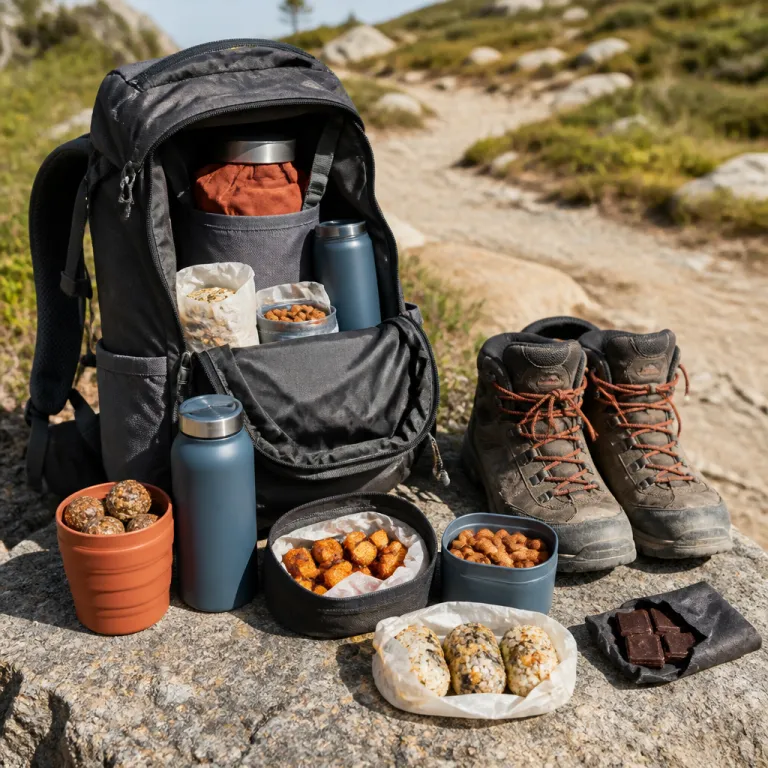
Once you accept that bars alone will not carry you past mile 15, the next step is building real food meals that travel well. The best trail menu for an eight hour push looks more like a grazing picnic than a gas station haul. Think tortillas, nut butters, hard cheese, cured meats, olives, and structured hiking snacks that feel like actual food.
Start the day with a breakfast that sets your energy curve, not just your caffeine level. A bowl of oats with dried fruit, a spoonful of peanut butter, and a scoop of protein powder gives you complex carbs, healthy fats, and protein in one compact meal. If you are leaving a campsite near a lake or river, drink extra water with breakfast to top off hydration before the first climb.
For the first three hours of hiking, you want mostly carbohydrate forward snacks with a little fat and protein. A tortilla wrap with peanut butter and honey, a handful of trail mix with nuts and dried fruit, and a small piece of hard cheese can easily hit 300 to 400 calories per hour. That pattern keeps your energy steady on rolling terrain, whether you are in a forested national park or on an exposed ridge.
Midday is where most hikers fall back into bar territory, but a deliberate lunch style meal pays off later. Pack a tortilla with salami, cheese, and a drizzle of olive oil for a compact, calorie dense sandwich that travels well on long distance hikes. Add a side of dried fruit and a few sips of an electrolyte drink, and you have a balanced meal that beats a bar on both taste and performance.
In cold weather, lean harder into fats at lunch and during the afternoon. Extra cheese, more peanut butter, and a generous pour of olive oil into your freeze dried or instant meal help your body stay warm and fueled. In hot weather hiking, keep the fats moderate and focus on lighter, salty foods that are easier to digest while your body works to shed heat.
Bars and gels still have a place, but they should be accents, not the backbone of your backpacking food plan. Use them as quick hits before a steep climb, a technical descent, or a late day push into camp when you need immediate energy. The rest of the time, rely on structured meals and snacks that match your body’s needs instead of marketing promises.
For hikers who like clear structure, think of your day in four blocks of two hours. In each block, aim for one mini meal of 200 to 300 calories plus one or two hiking snacks of 100 to 150 calories each, mixing carbohydrates, protein, and healthy fats. Over an eight hour day, that pattern naturally lands you in the right calorie range without obsessive counting.
Trail mix remains a classic for a reason, but you can tune it for better trail nutrition. Build your own mix with a higher ratio of nuts and seeds to chocolate, add dried fruit for quick carbs, and consider tossing in pretzels for extra sodium on hot days. That way, every handful supports your best hiking performance instead of just satisfying a sweet tooth.
If you want more structured snack ideas that go beyond bars and candy, it is worth exploring a curated list of top choices for camping snacks. Use those ideas as templates, then adjust portion sizes and ingredients to match your own calorie needs and taste preferences. The goal is not gourmet cooking on trail, but reliable, repeatable meals that keep you moving strongly.
Hydration, electrolytes, and the salt problem
Hydration is where even experienced backpacking athletes quietly sabotage their otherwise solid fueling plans. You can nail your macros and still bonk if your water and electrolyte strategy lags behind your effort. The body does not separate food and fluid needs on trail, and neither should your planning.
On a temperate day of hiking, a typical target is 0.4 to 0.7 litres of water per hour, depending on body size, pace, and pack weight. In hot weather hiking, that can climb to 0.7 to 1 litre per hour, especially on exposed mountain trails or canyon hikes with limited shade. Waiting until you feel thirsty usually means you are already behind on hydration, particularly at altitude.
Electrolytes, especially sodium, are the missing piece in many hydration plans. Sweat rates vary widely, but endurance data suggest that hikers can lose 700 to 1 000 milligrams of sodium per hour in hot conditions, with higher losses for salty sweaters. If your water intake is high but your sodium intake is low, you risk hyponatremia, a dangerous dilution of blood sodium that can mimic dehydration symptoms.
There are two practical ways to replace sodium on trail: electrolyte products and salty foods. Electrolyte tablets or powders give you a predictable sodium dose per bottle, which is useful on long distance hikes where you want consistent intake. Salty snacks like pretzels, salted nuts, and cheese add both sodium and calories, supporting your overall backpacking nutrition strategy.
For an eight hour day, a simple framework is one bottle of electrolyte drink every one to two hours, plus salty foods in your meals and snacks. That might look like 500 millilitres of water with an electrolyte tab each hour, a handful of salted trail mix, and cheese or salami in your lunch wrap. The combination keeps both your fluid and sodium levels in a safer, more stable range.
Early signs of sodium depletion include headache, nausea, muscle cramping, and an unusual sense of fatigue that does not match the terrain. If you notice swollen fingers, a puffy face, or clear urine despite feeling weak, you may be over hydrating without enough sodium. In that case, ease off plain water, increase salty foods, and use an electrolyte drink instead of more pure water.
Cold weather complicates hydration because the thirst signal drops even as your body continues to lose water through respiration and sweat under layers. On winter hikes or cold shoulder season days, schedule water breaks by the clock rather than by thirst, and keep your bottles insulated to prevent freezing. Warm drinks like broth or herbal tea can carry both water and sodium, supporting your overall trail nutrition without feeling like a chore.
Foot health also intersects with hydration and nutrition in ways many hikers only notice when things go wrong. Swollen feet from poor fluid balance can change how your hiking boots fit, increasing friction and blister risk over the course of the day. If you are prone to fungal issues from damp socks and long days, pairing a solid hydration plan with effective antifungal strategies for hikers keeps your feet healthier for the miles ahead.
Remember that water sources along the trail are not guaranteed, even in a lush national park with plenty of streams and a scenic lake. Always cross check maps, recent trip reports, and ranger updates before assuming you can refill every hour. Carrying an extra half litre of water for a dry stretch is a lighter burden than dragging a dehydrated body up the final climb of the day.
Calorie math, packing strategy, and what actually goes in the bag
Translating theory about optimal trail fueling into what actually lands in your pack is where most plans fail. You do the calorie math at home, then panic in the grocery aisle and throw random items into the cart. A simple, repeatable packing system keeps your backpacking food aligned with your real energy needs.
Start with your estimated hourly burn: 300 to 400 calories per hour for moderate hiking with a light to moderate pack, 500 to 600 calories per hour for steep or high altitude days. Multiply by your planned moving time, not total day length, to get a baseline. For an eight hour moving day, that usually means 2 400 to 3 200 calories, plus a small buffer for weather surprises or route changes.
Next, assign calorie targets to each meal and snack block. Breakfast before you hit the trail might be 500 to 600 calories, each on trail meal or major snack 300 to 400 calories, and smaller hiking snacks 100 to 200 calories. When you lay it out on a table, you should see a clear pattern rather than a random pile of wrappers.
Calorie dense foods are your allies when pack space and weight are limited. Peanut butter, olive oil, nuts, seeds, and hard cheese all deliver high calories per gram, making them ideal anchors for long distance hikes. Freeze dried meals can be useful for dinner, but they often need extra olive oil or cheese to reach your actual calorie targets.
Protein powder earns its place in the bag when you use it strategically. A single scoop added to oats, a shake, or even a cold coffee can add 20 to 25 grams of protein without much bulk, supporting muscle repair after demanding hikes. Just remember that protein alone does not fuel your stride; it works best alongside carbohydrates and healthy fats in your overall backpacking nutrition plan.
For an eight hour day, a practical packing list might include two tortillas, several packets of peanut butter, a block of hard cheese, a small stick of salami, a custom trail mix with nuts and dried fruit, one or two bars, a freeze dried dinner, and a small bottle of olive oil. That mix covers carbohydrates, protein, and fats while staying relatively compact and stable in varying weather hiking conditions. Adjust quantities based on your body size, pace, and whether you tend to under eat or overeat on trail.
Organize your food by time of day rather than by type. Use small bags or stuff sacks labelled for morning, midday, and afternoon, so you can grab the right mix of meals and snacks without thinking. This structure reduces the chance that you will hoard your best hiking snacks for later and then forget to eat them when your energy dips.
On multi day trips, consider how your food choices interact with your boots, gait, and overall fatigue. As your body tires, your form degrades, and each misstep on rocky trail costs more energy and increases injury risk. A consistent intake of carbohydrates, protein, and healthy fats helps your body maintain better movement patterns, which in turn makes every calorie go further.
Finally, remember that the most effective hiking nutrition plan is the one you actually follow. Test your meals and snacks on local hikes in your nearest park before relying on them in a remote national park or high mountain range. The trail teaches quickly, and it always tells the truth about what works for your body, your boots, and your style of movement.
Key figures every serious hiker should know
- Endurance research from the American College of Sports Medicine (ACSM) position stand on nutrition and athletic performance reports that athletes performing continuous exercise for more than three hours typically need about 30 to 60 grams of carbohydrates per hour to maintain performance, which translates to roughly 120 to 240 calories from carbs alone, with higher intakes sometimes used by well trained endurance athletes.
- Studies on hiking energy expenditure show that carrying a 10 kilogram pack can increase calorie burn by approximately 10 to 15 percent compared with hiking without a pack on similar terrain, which means a 70 kilogram hiker may burn an extra 30 to 90 calories per hour, with steeper grades and higher altitude pushing that number upward.
- Hydration guidelines from the National Athletic Trainers’ Association (NATA) suggest fluid intake of roughly 0.4 to 0.7 litres per hour during prolonged exercise in moderate conditions, rising toward 1 litre per hour in hot environments, to limit body mass loss from dehydration to less than 2 percent, while emphasizing that smaller or slower hikers may sit at the lower end of that range.
- Sodium loss data from sports science laboratories indicate that sweat sodium concentration commonly ranges from about 500 to 1 500 milligrams per litre, so a hiker sweating 0.7 litres per hour in heat could lose 350 to more than 1 000 milligrams of sodium every hour on trail, with salty sweaters and very hot conditions sitting at the upper end.
- Comparisons of macronutrient energy density confirm that fat provides 9 calories per gram, while carbohydrates and protein each provide 4 calories per gram, which explains why calorie dense trail foods like nuts, peanut butter, and olive oil are so efficient for long distance backpacking when pack weight and food volume are limited.