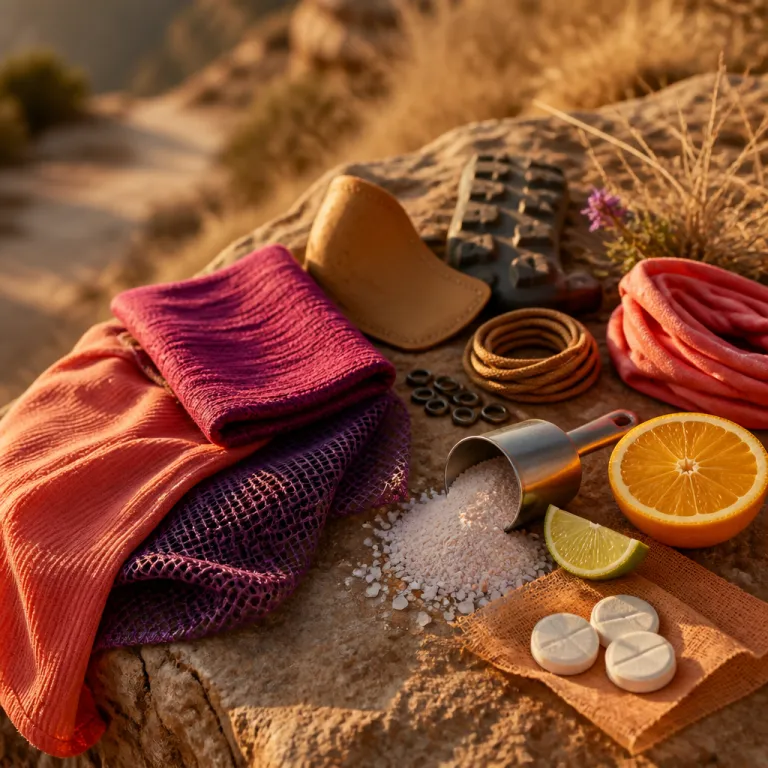
Timing your hike and reading the heat
Hiking in hot weather tips start with your watch, not your boots. When the forecast shows extreme heat and the afternoon temperature climbing past 95 °F (around 35 °C), the smartest hot-weather hiking strategy is a pre-dawn start, a long midday break, and a late-afternoon push. That rhythm will help your body manage hiking heat on any exposed trail and keep your heart rate from quietly redlining during a deceptively short day hike.
I plan summer hiking in the desert around light and shade, not distance. On a hot day in canyon country, you hike hard from first light until the sun clears the rim, then you sit in deep shade with plenty of water while the heat peaks and the rock radiates like a stove. That timing pattern will keep you safer than any single piece of gear and will help prevent both heat exhaustion and full-blown heat stroke when the sun feels like a hammer, a pattern echoed in guidance from wilderness medicine groups and public-health agencies such as the U.S. Centers for Disease Control and Prevention (CDC).
For your first 95-degree hike, treat the trail like a moving oven. Start hiking hot sections while the air is still relatively cool, then aim to be near reliable water and natural shade between 10:00 and 15:00 when the radiant heat from rock and sand spikes. Those simple timing tips hiking veterans use on long summer hikes will help you stay hydrated, keep cool, and maintain a steadier core temperature even when the weather feels brutal.
Boot choice matters more than most new hikers think in hot weather. A stiff, waterproof leather hiking boot that feels secure on a cool spring hike can turn into a sauna during summer hikes when the temperature and your body heat both climb. For hiking in hot conditions, I favor non-waterproof mesh boots like the Salomon X Ultra 4 or breathable mids like the Altra Lone Peak Hiker, because they let sweat and water vapor escape instead of trapping it around your feet.
On steep desert trail descents, your heart rate often spikes from both effort and heat. A boot with a firm midsole and precise heel lock will help your body stay efficient, because your feet are not sliding forward and bruising with every step. That stability reduces wasted movement, which in turn reduces unnecessary heat production and keeps your body temperature slightly lower over a long summer hiking descent.
Think about outsole rubber and tread when you plan a hot weather hike. Softer compounds grip well on dry rock but can smear when the rock surface is literally hot enough to soften rubber, while firmer compounds stay predictable on baking slabs. Matching your boot to the specific trail surface will help you move confidently, spend less time hesitating in full sun, and keep your exposure to direct heat shorter on every section. If you use photos or route diagrams when planning, add descriptive alt text such as “desert hiker starting before sunrise to avoid midday heat” so those images reinforce your hot weather hiking strategy for all readers.
Fabric, clothing, and boot materials that keep you cool
Most hiking in hot weather tips talk about shorts and T-shirts, but serious heat demands a full fabric system. In direct sun, covering more of your body with the right clothing can actually keep you cooler than bare skin, because light colors reflect heat and modern moisture-wicking fabrics move sweat efficiently. For a 95-degree hike, I wear a long-sleeve UPF shirt, airy pants, and a wide-brim hat, then I let the fabric handle sun protection while I focus on the trail.
Choose moisture-wicking synthetics or light merino wool next to skin for any hot weather hike. Cotton holds water, slows evaporation, and keeps your body temperature higher, while a good polyester or merino blend pulls sweat away so every breeze feels cool against your body. That same logic applies to socks inside your hiking boots, where thin, moisture-wicking models help prevent blisters and heat rash on long summer hikes.
Boot uppers matter as much as shirts when you are hiking hot ridgelines. Full-grain leather with a waterproof membrane traps heat and water vapor, so your feet stew in their own sweat and your heart rate creeps up as your body fights to dump excess heat. In contrast, a mesh synthetic upper without a membrane lets air move freely, which will help keep your feet cool, reduce swelling, and maintain better proprioception on technical trail.
When you expect extreme heat, think about how every layer handles both sweat and surprise water. A breathable boot dries quickly after a creek crossing or a deliberate foot dunk, which can keep cool blood returning from your feet and lower legs during a brutal summer day. That cooling effect is one reason many experienced hikers prefer non-waterproof boots for summer hiking and hiking summer trips, even when that means accepting wet feet for a few minutes after each crossing.
Midsoles and insoles also influence heat. Dense foam underfoot can trap warmth, while perforated footbeds and vent channels allow hot air to escape from the boot with each step. If you often hike in hot weather, swapping to a ventilated aftermarket insole will help your boots feel less like ovens and more like moving shade for your feet.
For overnight trips in hot and occasionally wet conditions, match your clothing and boot choices to your sleep and pack systems. A breathable boot pairs well with an ultralight pack that keeps your back cool, and you can go deeper on that topic in this guide on choosing the right material for warmth in wet conditions, which explains how insulation and shell fabrics interact with sweat and ambient temperature. Thinking about your whole system, not just one piece, will help you keep cool from shoulders to toes on any hot weather hiking route.
Water, electrolytes, and pacing in real heat
Every list of hiking in hot weather tips eventually says stay hydrated, but the details matter. On a 95-degree day hike with little shade, I plan at least 0.5 liters of water per hour in moderate terrain and up to 1 liter per hour in steep, exposed desert, then I add extra for safety. In true extreme heat, a conservative rule of thumb is 1 liter of water for every 3 kilometers, especially on summer hikes where the trail crosses reflective rock or sand, which aligns with ranges discussed by organizations like the CDC and Wilderness Medical Society for strenuous activity in high temperatures.
Water alone is not enough when you are hiking hot for hours. As you sweat to control body temperature, you lose sodium and other electrolytes, and replacing only water can dilute blood sodium and push you toward hyponatremia even while you feel symptoms similar to heat exhaustion. I use electrolyte drink mix or salt tablets every 45 to 60 minutes during hard summer hiking, a schedule consistent with common backcountry medical advice and wilderness-medicine texts, which will help maintain fluid balance, keep your heart rate steadier, and reduce cramping late in the day.
Learn the early signs of heat exhaustion and heat stroke before your first big hot weather hike. Heat exhaustion often shows up as heavy sweating, dizziness, nausea, and a rising heart rate that does not match your effort, while heat stroke brings confusion, hot dry skin, and a dangerous spike in body temperature that demands immediate cooling and evacuation. These clinical patterns and treatment priorities are summarized in resources from the Wilderness Medical Society and CDC, and if anyone on your hike stops sweating in extreme heat, you treat that as an emergency, move them to shade, apply water to skin and clothing, and cool them aggressively while you call for help, following the kind of protocol outlined by wilderness first-aid courses.
Desert canyons add another layer of complexity to water and temperature management. Morning shade can make the first hours feel deceptively cool, but once the sun angles in, the rock walls radiate stored heat and the air can feel 5 to 10 degrees hotter than the forecast, so your water needs jump quickly. Plan your route so that your longest exposed climb happens when the canyon still offers partial shade, and always carry extra water beyond your calculated minimum.
Electrolyte timing is as important as total intake on a long trail. I start sipping an electrolyte mix before I feel thirsty, because waiting for thirst means your body is already behind on both water and sodium, and that lag is hard to erase once the sun is high. Spreading your intake across the whole hike will help your body temperature stay more stable and will keep cool decision making intact when the heat feels oppressive.
Pack weight also changes how your body handles heat. A heavy, poorly fitted pack forces your heart rate higher at any given pace, which increases internal heat production and makes every hot weather climb feel punishing, so dialing in your pack fit and volume is not vanity, it is safety. For a deeper dive into that side of the system, this guide to your first ultralight backpack explains how hip belt design and frame choices interact with your body on long, hot trail days.
Boot fit, foot care, and sun protection strategy
Good hiking in hot weather tips rarely talk about feet, yet that is where many summer hikes fail. In 95-degree heat, your feet swell more than usual, so a boot that feels perfect on a cool store floor can crush your toes and arches after a few hot hours, which then changes your gait and forces your body to work harder. I size hot weather hiking boots with a thumb width in front of my longest toe and check that I can still wiggle freely after a long uphill test hike.
Foot care becomes a heat management tool when you are hiking hot ridges. Blisters and hotspots make you shorten your stride and stomp, which increases muscular effort, raises heart rate, and ultimately pushes body temperature higher than it needs to be on a given trail. I stop early to tape hotspots, air my feet in shade, and even pour a little water over socks during breaks, because those small rituals will help keep me moving efficiently through the worst heat of the day.
Sun protection is your other major line of defense on a hot weather hike. I treat UPF-rated clothing as my first shield, then I add mineral sunscreen on exposed skin, a wide-brim hat with neck coverage, and UV-blocking sunglasses to protect both eyes and the delicate skin around them. That hierarchy of sun protection reduces the radiant load on your body, keeps your skin cooler, and lowers the risk of both acute sunburn and long-term damage during years of summer hiking.
Desert weather hiking also demands respect for flash flood risk, even on clear days. A shaded canyon that feels pleasantly cool in the morning can become a deadly channel if storms build upstream, so you always check regional forecasts, read recent trip reports, and carry a map that shows escape routes to higher ground. Planning your hot weather hike with both heat stroke and flood in mind will help you choose safer campsites, smarter turnaround times, and better gear for the specific terrain.
Boot construction details matter when the ground itself is hot. A thicker outsole and a firm midsole create a thermal barrier between your feet and sun-baked rock, while a thin, flexible shoe can let heat radiate straight into your soles during a long summer day. For hiking summer routes on dark volcanic rock or canyon slabs, I prefer boots with a robust rubber rand and a slightly stiffer platform, because that design will help keep the underside of my feet cooler over many hours.
Think of your entire system as a way to keep cool while still moving with purpose. Smart timing, breathable clothing, well-chosen boots, disciplined water and electrolyte intake, and a conservative route plan all work together to keep your body temperature in a safe range, even when the air feels like a hair dryer. In the end, what saves you on a 95-degree hike is not the marketing copy on your gear tag, but the quiet decisions you make about when to walk, when to rest in shade, and how much water you carry past the last reliable source.
FAQ: hiking in 95 degree heat
How early should I start a 95 degree day hike ?
For a 95-degree day hike, aim to start hiking at first light so you can cover exposed trail before the sun and ambient temperature peak. Plan to be near shade and water between late morning and mid-afternoon, then finish remaining kilometers in the cooler evening. That timing pattern reduces your exposure to extreme heat and lowers the risk of heat exhaustion or heat stroke.
How much water should I carry for summer hikes in extreme heat ?
In hot weather hiking conditions around 95 °F (about 35 °C), a practical baseline is 0.5 to 1 liter of water per hour of movement, depending on terrain and your personal sweat rate. In desert or canyon environments, many experienced hikers plan roughly 1 liter for every 3 kilometers, then add extra for safety and unexpected delays. These ranges are broadly consistent with hydration guidance from organizations such as the CDC and Wilderness Medical Society for vigorous activity in high heat. Always adjust based on recent experience, and never leave a known water source without a clear margin.
Are waterproof boots a bad idea for hiking in hot weather ?
Waterproof boots are not automatically bad for summer hiking, but they trap more heat and moisture than non-waterproof mesh models. In 95-degree conditions, that trapped heat can lead to swollen feet, blisters, and faster fatigue, especially on long trail days. Many hikers prefer breathable, non-waterproof boots or shoes for hot weather hikes, accepting wet feet briefly in exchange for cooler, drier skin overall.
What is the best clothing system for sun protection on a hot hike ?
The most effective sun protection system for a hot hike starts with UPF-rated long-sleeve shirts and pants in light colors, which reflect heat and block ultraviolet radiation. Add a wide-brim hat with neck coverage, UV-blocking sunglasses, and mineral sunscreen on any exposed skin for a layered defense. This approach keeps more of your body shaded, which helps control body temperature and reduces the risk of sunburn and heat-related illness.
How do I tell the difference between heat exhaustion and heat stroke on the trail ?
Heat exhaustion usually presents with heavy sweating, weakness, dizziness, nausea, and a fast pulse, and it often improves with rest in shade, cooling, and fluids with electrolytes. Heat stroke is more severe and involves confusion, loss of coordination, hot dry skin, and sometimes loss of consciousness, and it requires immediate cooling and emergency help. These red-flag signs and the need for rapid treatment are emphasized in wilderness-medicine manuals and CDC heat-illness guidance. If you suspect heat stroke on a hike, treat it as a medical emergency, cool the person aggressively with water and shade, and evacuate or call for rescue as quickly as possible.