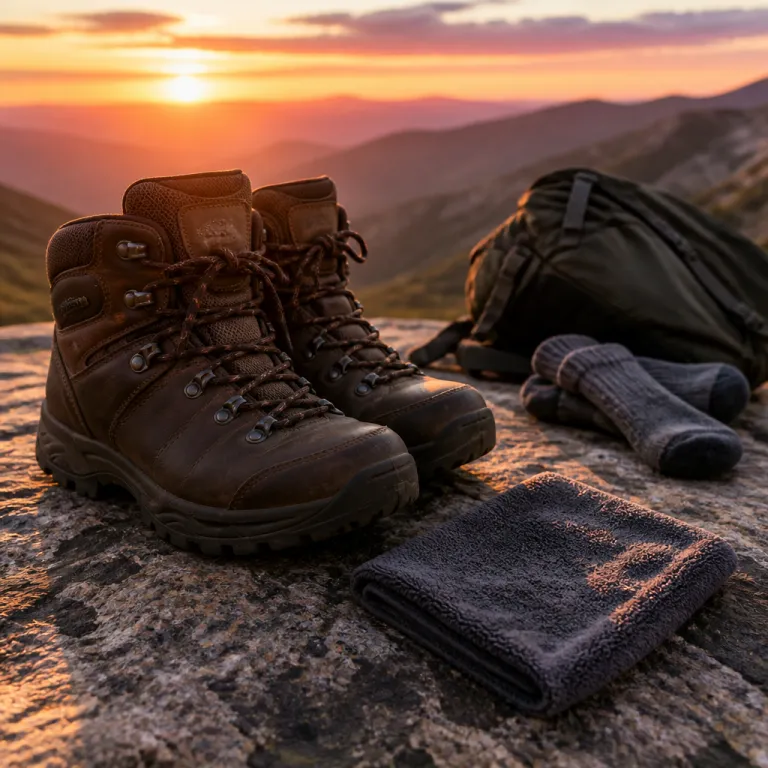
Why a microfiber towel belongs in every mountain pack
A microfiber towel is one of the most underrated hiking accessories. When you hike in steep terrain where weight and water management matter, a compact towel can transform comfort and safety. Many experienced mountaineers now treat a premium microfiber towel as essential gear rather than a luxury.
Unlike a regular cotton towel, a technical microfiber product can absorb around three to five times its own weight in water while remaining light enough for ultralight packs. Comparative lab data from textile testing institutes such as the Hohenstein Group and independent benchmarks by gear reviewers like OutdoorGearLab indicate that quality microfiber towels typically hold roughly twice as much water per gram as similar-width cotton models, which directly helps keep your base weight under control. On multi-day routes such as the Alta Via or the GR20, that difference in weight and drying speed becomes very real when you start each morning with gear that feels fresh instead of damp.
For hikers comparing price and performance, the regular price of a top rated microfiber towel often looks higher than a basic travel towel at first glance. However, when you factor in durability, quick-drying behavior, and how lint-free fibers reduce dirt and grime buildup on expensive leather boots, the long-term regular price becomes more attractive. If you usually shop once per season, investing in a towel pack with a fair sale price can cover day hikes, basecamp use, and emergency backup in your summit kit.
Boot care in camp: using microfiber towels to protect leather
Serious hikers know that boot care in camp starts long before soles delaminate or leather cracks. A compact microfiber towel gives you a safe way to wipe away mud, salt, and fine grit that slowly abrades stitching and eyelets. This simple cleaning ritual after each long day helps keep your footwear performing like new for many seasons.
Begin by brushing off loose dirt and grime, then use a slightly damp microfiber towel to clean seams, tongue folds, and the junction between leather and rand. Because premium microfiber fibers are extremely fine and lint free, they reach into small creases without scratching waxed leather or technical synthetic uppers. After this quick cleaning, you can apply a conditioning wax or cream, using a second towel reserved only for leather care to avoid cross contamination with cooking gear.
For hikers who already use a dedicated leather protection wax, pairing it with a high quality microfiber towel improves penetration and reduces waste. When you massage wax into the boot with a folded towel, the product spreads evenly and leaves a clean, uniform finish without greasy streaks. If you are building a complete boot maintenance kit, consider combining a microfiber towel pack with a specialized leather protection wax tin (affiliate link) so that your cleaning and conditioning workflow remains efficient on every trip.
Managing moisture, sweat, and snow with quick drying towels
On alpine routes and winter approaches, moisture management becomes a safety issue rather than a comfort detail. A quick drying microfiber towel lets you remove sweat from your neck, wrists, and boot liners before it chills you during rest stops. This simple, quick intervention reduces evaporative heat loss and helps keep your layering system working as designed.
Because a premium microfiber towel can absorb several times its own weight in water, you can wring it out repeatedly during a storm without carrying multiple heavy towels. Many top rated microfiber towels are engineered so that their water-to-weight ratio remains low even when saturated, which means they never feel like a soggy brick in your pack. After camp chores, simply hang the towel under a shelter edge and it will air dry far faster than a regular towel, even in cool mountain air.
Snow and slush introduce another challenge, especially when you use traction devices or snow grips over your hiking boots. A compact microfiber towel is ideal for a quick wipe of metal spikes and rubber harnesses before you stow them in your pack, preventing dirt, grime, and meltwater from soaking spare layers. When you rely on anti-slip gear such as the Explorer M ice and snow grips (affiliate link), keeping them clean and dry with a dedicated towel extends their life and protects the rest of your equipment.
Choosing the right microfiber towel size, width, and pack configuration
Selecting the right microfiber towel for hiking starts with clarifying your use cases. A narrow-width hand towel works well for boot cleaning and quick sweat management, while a larger body size suits river crossings or full camp washes. Many experienced hikers carry a towel pack that combines both formats so they can keep one towel strictly for personal hygiene and another for gear care.
When you compare product specifications in a shop, pay attention to dimensions, weight, and stated absorption capacity. Brands that publish clear data about how many grams of water a microfiber towel can hold per gram of fabric make it easier to match the towel to your trip length and climate. For example, a 40 × 80 cm premium microfiber towel around 80 grams often hits a sweet spot between coverage and packability for hut-to-hut trekking.
Price also varies with fabric density, edge finishing, and included accessories such as mesh bags or hanging loops. A higher regular price often reflects better stitching and a more durable, smooth finish on the fibers, which resists odor and bacterial growth over repeated cleaning cycles. Watch for a fair sale price on a multi-piece towel pack with free shipping, because that combination usually offers the best value for families or for hikers who maintain several boot and camp kits.
Field use: keeping boots, gaiters, and feet clean on real trails
On muddy sections of the West Highland Way or the Tour du Mont Blanc, a microfiber towel becomes your first line of defense against grit. After each deep puddle or boggy crossing, a quick wipe around the boot collar and gaiter strap removes abrasive particles before they grind into leather or fabric. This habit may seem minor, yet over hundreds of kilometres it dramatically reduces wear on expensive hiking boots.
During river crossings, many hikers now use a dedicated microfiber towel to dry feet thoroughly before sliding them back into socks. Because the towel is lint free and quick drying, it leaves skin clean and fresh without depositing fibres that could cause hot spots. Once you step back onto the trail, you can clip the towel to your pack so it can air dry in the breeze while you continue walking.
In hot climates, a damp premium microfiber towel placed briefly on the neck or wrists offers rapid cooling without soaking clothing. The fabric absorbs several times its own weight in water, yet its low water-to-weight ratio means it never feels heavy or clammy against the skin. For long desert approaches or volcanic routes where water is scarce, this efficient use of every millilitre can justify the slightly higher regular price of a top rated microfiber towel.
Care, cleaning routines, and long term hygiene for trail towels
Proper care of your microfiber towel ensures it remains safe for skin contact and effective for gear maintenance. Always start by rinsing the towel in clean water after wiping boots or gaiters, so that embedded dirt and grime do not migrate onto your face or hands later. Keeping separate towels for body use and for leather or sole cleaning is a simple habit that helps keep hygiene standards high on long expeditions.
When you return from a trip, wash microfiber towels in cold or warm water without fabric softener, which can clog the fine fibers. Many manufacturers publish care data on their labels, and following these instructions preserves the lint-free structure that makes premium microfiber so effective at trapping particles. After washing, gently reshape the towel to its original width and hang it to air dry rather than using high heat, which can damage the polymer filaments.
Some hikers prefer to buy a dedicated towel pack for boot maintenance only, accepting a slightly lower sale price and rougher finish because these towels never touch skin. Others invest in a top rated microfiber towel at a higher regular price for personal use, valuing the softer hand feel and antibacterial treatments. If you are assembling a complete boot care system, pairing your towels with a compact brush and a specialized hiking boot care kit (affiliate link) creates a streamlined routine that you will actually follow after long days on the trail.
Key figures on microfiber towels and hiking hygiene
- Laboratory tests from textile research institutes show that quality microfiber towels can absorb between three and five times their own weight in water, while typical cotton towels absorb around two to three times, which explains the superior real-world performance hikers experience in the field. Representative protocols usually involve immersing standardized samples in water, then measuring retained mass after controlled wringing.
- Studies on pack weight optimization in long distance hiking indicate that reducing carried weight by just 1 kg can lower joint impact forces by several percentage points over thousands of steps, so replacing a heavy cotton towel with a lightweight microfiber towel contributes meaningfully to overall load reduction. These analyses typically combine force-plate measurements with motion-capture data on inclined treadmills.
- Field surveys among thru hikers on routes such as the Pacific Crest Trail report that more than half of respondents now carry at least one microfiber towel, reflecting a clear shift away from regular towels toward quick drying technical fabrics. Questionnaires usually record towel material, size, and perceived drying time alongside total pack weight.
- Microbiological research on damp textiles has found that synthetic towels that air dry within two hours show significantly lower bacterial growth than fabrics that remain wet for six hours or more, which supports the hygiene advantage of quick drying microfiber towels in multi day camps. Typical methods include incubating swabbed samples on nutrient agar and counting colony-forming units after 24 hours.
- Consumer product testing by independent gear review organizations consistently ranks premium microfiber towels among the top rated travel textiles, with durability scores often exceeding 90 % after dozens of wash cycles, confirming that the higher regular price can be offset by longer service life. Test protocols usually combine tensile-strength measurements, colorfastness checks, and repeated laundering at standardized temperatures.
FAQ about microfiber towels for hiking and mountaineering
How many microfiber towels should I carry for a multi day hike ?
Most experienced hikers carry two microfiber towels on trips longer than two days. One towel is reserved for personal hygiene, while the second handles boot cleaning and general camp chores. A small towel pack with different sizes makes it easier to keep these roles clearly separated.
Can a microfiber towel safely clean leather hiking boots ?
Yes, a microfiber towel is safe for cleaning most leather hiking boots when used correctly. The fine, lint free fibers lift dirt and grime without scratching waxed or oiled surfaces. Always use gentle pressure and follow up with appropriate leather care products to maintain suppleness.
How do I prevent my trail towel from smelling after several days ?
Rinse your microfiber towel thoroughly after each use and let it air dry completely whenever possible. Hanging it on the outside of your pack during the day helps keep it fresh by maximizing airflow and sunlight exposure. At home, wash it promptly according to care data on the label to remove accumulated sweat and oils.
Is a premium microfiber towel worth the higher price for short hikes ?
For short day hikes, a basic microfiber towel can be sufficient, but a premium microfiber model offers better absorption, faster drying, and greater durability. If you hike frequently or in variable weather, the improved performance and longer lifespan often justify the higher regular price. Occasional hikers may prefer to wait for a fair sale price or a towel pack with free shipping to reduce cost.
Can I use the same microfiber towel for cooking gear and boot cleaning ?
It is not recommended to use one microfiber towel for both cooking gear and boot cleaning. Boots accumulate oils, chemicals, and dirt and grime that you do not want near food surfaces. Carrying separate towels for kitchen use and for footwear helps keep your camp safer and more hygienic.