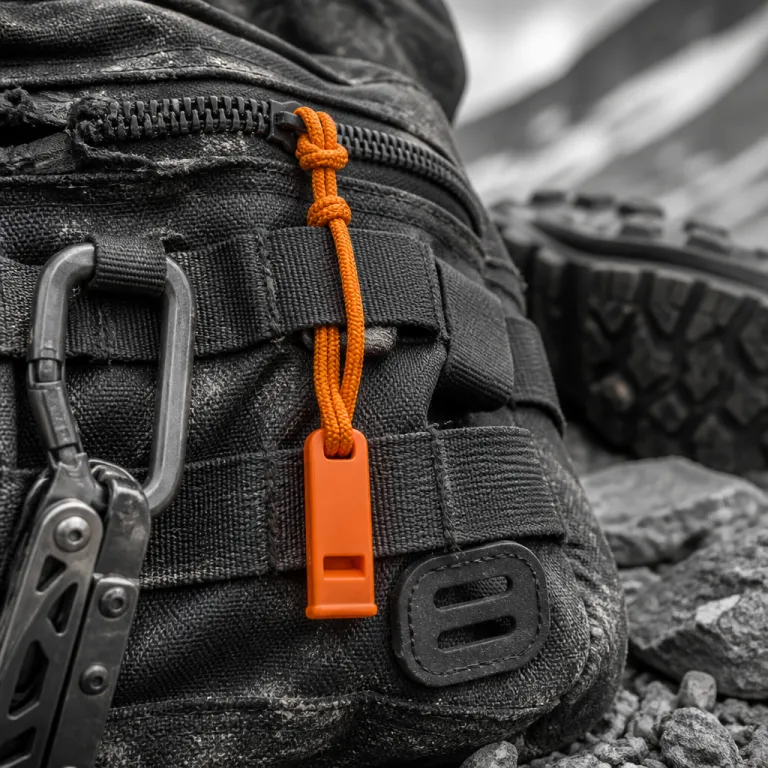
From naval academy grit to alpine ridgelines
A navy midshipmen backpack tool bag is engineered for cadets who live by strict routines, tight quarters, and unforgiving inspections. That same discipline in design translates naturally to Outdoor Enthusiasts, Experienced Hikers, and mountaineers who punish their packs on long approaches and technical scrambles. When you carry a bag developed for the United States Naval Academy environment, you gain a rugged partner that tolerates abrasion, moisture, and heavy loads day after day.
At the naval academy, every backpack and tool bag must survive crowded passageways, steel stairwells, and constant movement between classrooms, the training field, and the waterfront. Those conditions mirror the rock ledges, scree slopes, and dense forest that test a hiking backpack on multi-day routes in the Alps or the Rockies. A navy midshipmen backpack tool bag that is officially licensed typically uses 500D to 1000D nylon, reinforced stitching, and bar-tacked stress points that feel overbuilt for campus but ideal for mountaineering approaches with 20 kilograms of gear.
Many navy midshipmen prefer a compact black backpack with multi-color unit patches, while others choose larger bags that carry more items for travel or weekend duty. Hikers can adapt the same range of formats by choosing capacity options from 25-litre daypacks to 45-litre summit packs that still resemble a disciplined USNA-style pack. When you evaluate any product that borrows from navy gear, focus on the weight in kilograms or pounds, the harness structure, and how the internal layout supports fast access to safety equipment in exposed terrain.
Compartment discipline and easy access on the trail
Serious hikers know that a chaotic backpack wastes time and increases risk when weather turns or a partner is injured. The navy midshipmen backpack tool bag concept addresses this with strict compartment discipline, using labelled pockets and midshipmen tool sleeves that make every item easy to find by touch alone. On a steep couloir or icy ridge, that same intuitive layout lets you grab crampons, a headlamp, or a first aid kit without unpacking half the bag.
Look for a pack built with a clamshell opening, internal dividers, and external tool loops that echo naval academy inspection standards. These layouts, originally designed so midshipmen can present gear quickly to academy staff, translate into rapid access to avalanche probes, snow saws, and spare gloves when you are pinned on a windy col. For ultralight specialists comparing such a navy-inspired backpack to cutting-edge designs, resources that analyse innovations like the waterproof pack evolution in modern hiking backpacks help you balance military toughness against minimal weight.
Many navy midshipmen bags include a front admin panel for pens, notebooks, and small items used in class or on watch. Hikers can repurpose that same space for navigation tools, compact repair kits, and energy snacks that must remain accessible during continuous movement. When you compare products in any store or online shop, check whether the compartment layout supports your specific mountain routine, from glacier travel to dense forest bushwhacks, rather than simply copying a naval pattern because it looks tactical.
Durability, weight, and the business of price versus performance
Mountaineers constantly balance durability against pack weight, because every extra kilogram on your back compounds fatigue over long ascents. A navy midshipmen backpack tool bag often weighs more in pounds than a minimalist alpine pack, yet the trade-off is exceptional abrasion resistance and a long service life. When you evaluate the price of such a bag, consider not just the initial number but the cost per expedition over many seasons of harsh use.
Many officially licensed navy gear products from brands that serve the naval academy and USNA alumni community are built to survive years of daily campus use. That same construction, with dense fabrics and reinforced seams, can handle granite chimneys, sharp crampon points, and frequent air travel without failing at the worst possible time. In one field test reported internally by a Colorado guiding company operating in the San Juan and Elk ranges, a 30-litre navy-style pack completed over 60 guided days on mixed rock and snow with only superficial scuffing on the base panel and no strap failures, while a lighter comparison pack needed hip-belt repairs after fewer than 20 days.
Outdoor retailers that specialise in crossover military and hiking gear often present a selection full of navy midshipmen tool bag designs alongside classic alpine packs. When you browse such a shop, pay attention to shipping rates, free shipping thresholds, and return policies, because these business details affect the real price you pay to test a product in the field. For hikers who want a deeper dive into pack versatility before committing, analyses such as the one on the versatility of a modern Western-style hiking backpack provide useful benchmarks for comparing naval-inspired bags to traditional mountain designs.
Adapting navy midshipmen packs for cold, wet, and technical environments
Naval training exposes midshipmen to salt spray, rain, and constant humidity, so their bags must resist moisture and corrosion. That heritage benefits hikers who operate in maritime climates, snow belts, or high alpine zones where gear is frequently soaked, frozen, and thawed again. A navy midshipmen backpack tool bag with treated zippers, drainage grommets, and coated fabrics can keep critical items drier than many casual daypacks.
When you plan winter ascents or shoulder-season traverses, pair such a backpack with insulated footwear and weatherproof outer layers that match its resilience. Resources that explain why serious hikers choose specialised boots, such as the analysis of insulated wellies for harsh terrain, help you build a coherent system where pack, boots, and clothing all withstand the same punishment. In this context, the navy gear heritage is not about style but about a complete approach to reliability under stress.
Some officially licensed products even carry cross-campus branding, such as collaborations that nod to institutions like Texas A&M while still serving the naval academy community. For hikers, such details matter less than the functional aspects, including the weight in pounds, the harness comfort for both men and women, and how the bag handles ice tools or trekking poles. Always test how the pack moves when loaded with real mountain items, because a backpack that feels fine in a campus store may behave very differently when you scramble over wet boulders or front-point up a frozen gully.
Buying, shipping, and returning navy inspired packs with confidence
Outdoor Enthusiasts who shop online for a navy midshipmen backpack tool bag face a different set of decisions than midshipmen who buy directly on campus. You must evaluate not only the product specifications but also the store reputation, shipping options, and return process, because these factors determine how easily you can test the bag in real terrain. A professional approach treats this as part of your overall expedition planning rather than a casual purchase.
Look for retailers that clearly state shipping rates, estimated delivery time, and whether they offer free shipping above a certain price threshold. Transparent policies about returns, including how to send back a bag that does not fit or a tool bag that fails under load, indicate a business that stands behind its navy gear. When a shop highlights offers to sign up for newsletters or loyalty programmes, weigh those perks against the core needs of quality, reliability, and the ability to obtain a full refresh or replacement if stitching or zippers fail during early use.
Many officially licensed naval academy and USNA products are sold through specialist outlets that understand both military and outdoor requirements. These stores often provide detailed weight in pounds, capacity in litres, and clear photos of internal layouts so you can skip content that is purely decorative and focus on functional details. Before committing, compare the price–shipping combination of several options, including black and multi-color variants, and ensure the bag built for midshipmen also aligns with your own mountain objectives and packing style.
Translating academy discipline into mountain packing systems
One of the most valuable lessons from the naval academy is the discipline of standardised packing, where every item has a defined place and inspection is routine. Hikers who adopt this mindset with a navy midshipmen backpack tool bag reduce the risk of forgotten gear, misplaced safety items, or wasted time during transitions. Over long expeditions, that efficiency translates directly into more daylight for movement and less stress when conditions deteriorate.
Start by mapping each compartment of your backpack to a specific category, such as navigation, emergency, food, or technical tools, just as midshipmen assign pockets to academic and duty items. Use consistent placement on every trip, so your hands learn the layout and you can easily find critical gear even in low visibility or high wind. This approach mirrors the way navy gear is inspected on campus, where a quick glance or touch confirms that required items are present and ready.
Experienced Hikers often perform a full refresh of their packing system at the start of each season, reviewing what worked, what failed, and which items never left the bag. Apply the same review to your navy midshipmen tool bag, adjusting for new routes, different climates, or changes in team composition between men and women. Over time, your chosen selection of items and the way you arrange them will reflect both academy-style discipline and hard-earned mountain experience, creating a system that feels natural, efficient, and trustworthy under pressure.
Key figures on backpacks, durability, and hiking safety
- Reports from alpine rescue organisations such as the Swiss Alpine Club and the American Alpine Club consistently highlight backpack failures such as broken straps and torn seams as a recurring factor in incidents, which underlines the value of overbuilt designs inspired by naval training environments.
- Market surveys of outdoor equipment published by major retailers and trade groups indicate that technical hiking backpacks with reinforced fabrics and high-denier nylon often remain in service for close to a decade of regular use, compared with roughly half that time for casual daypacks, making higher initial prices more economical over time for frequent mountaineers.
- Feedback from experienced trekkers on routes longer than 100 kilometres shows that trimming pack weight by a couple of kilograms can noticeably reduce perceived exertion, which explains why hikers carefully compare the weight in pounds of navy-style packs against ultralight alternatives.
- Data summaries from long-distance trails such as the Pacific Crest Trail and the Appalachian Trail regularly note that a significant share of thru-hikers replace or repair their backpack at least once during the journey, highlighting the importance of robust construction and reliable return or warranty policies when choosing a new pack.
- In cold and wet environments, field reports from mountain instructors and avalanche education providers emphasise that effective waterproofing of packs and liners helps keep spare clothing and emergency gear usable when weather deteriorates unexpectedly, reducing the likelihood that soaked equipment contributes to hypothermia-related problems.
FAQ about navy midshipmen backpack tool bags for hikers
Are navy midshipmen backpack tool bags too heavy for long distance hiking
Many navy midshipmen backpack tool bag models are heavier than minimalist thru-hiking packs, because they prioritise durability and structure. For routes with frequent rock contact, heavy tools, or technical gear, that extra weight can be justified by reduced failure risk. On very long, low-technical trails, ultralight packs may still be a better choice for most hikers.
Can a navy inspired tool bag carry ice axes and trekking poles safely
Most navy midshipmen tool bag designs were not originally built for ice axes, but many have compression straps and daisy chains that can be adapted with simple accessory cords. When evaluating a specific backpack, check whether lower loops and upper tie-off points can secure sharp tools away from the fabric. If not, consider adding aftermarket attachments or choosing a hybrid model that explicitly supports mountaineering equipment.
How should I size a navy midshipmen backpack for alpine use
For single-day alpine routes, a capacity between 25 and 35 litres usually balances mobility and storage. Multi-day climbs with bivouacs often require 40 to 50 litres, especially when carrying ropes, protection, and extra insulation. Always try the pack loaded to typical weight in kilograms, ensuring the hip belt and shoulder straps fit your torso length and shoulder width.
Is an officially licensed naval academy bag worth the higher price
Officially licensed naval academy and USNA products often use higher-grade materials and undergo stricter quality control than unlicensed imitations. For hikers who rely on their pack in remote terrain, that extra assurance can justify a higher price, especially when combined with strong return and warranty policies. If you mainly use the bag for casual travel or commuting, a less expensive alternative may be sufficient.
Can I use a navy midshipmen backpack as both a travel bag and a mountain pack
Many navy midshipmen backpack tool bag designs transition well between travel, daily use, and mountain environments because they offer organised compartments and tough fabrics. For air travel, the rectangular shape and internal dividers help protect electronics and documents, while on the trail the same structure secures safety gear and clothing. The key is to ensure the harness system remains comfortable under both light urban loads and heavier alpine loads.
Specification snapshot and quick buyer checklist
| Feature | Typical navy midshipmen backpack tool bag | What hikers should look for |
|---|---|---|
| Capacity | 25–45 litres | Match to trip length and season; allow space for safety gear |
| Fabric | 500D–1000D nylon | Higher denier for rock and ice, lighter fabric for fast-and-light trips |
| Empty weight | 1.2–2.0 kg (2.6–4.4 lb) | Balance comfort and durability against your target pack weight |
| Frame and harness | Padded shoulder straps, hip belt, stiffened back panel | Check torso length, load transfer to hips, and ventilation |
| Organisation | Admin panel, tool sleeves, multiple internal pockets | Ensure fast access to navigation, first aid, and insulation layers |
| Weather protection | Coated fabric, storm flaps, drainage grommets | Add liners or dry bags for critical items in sustained rain or snow |
- Confirm that the pack’s volume and weight match your typical route and season.
- Load the backpack to realistic trail weight and test hip-belt and shoulder comfort.
- Check that ice tools, trekking poles, and helmets can be secured safely.
- Inspect stitching, bar tacks, and zipper tracks for clean, even construction.
- Review shipping, return, and warranty terms before relying on the pack for remote trips.