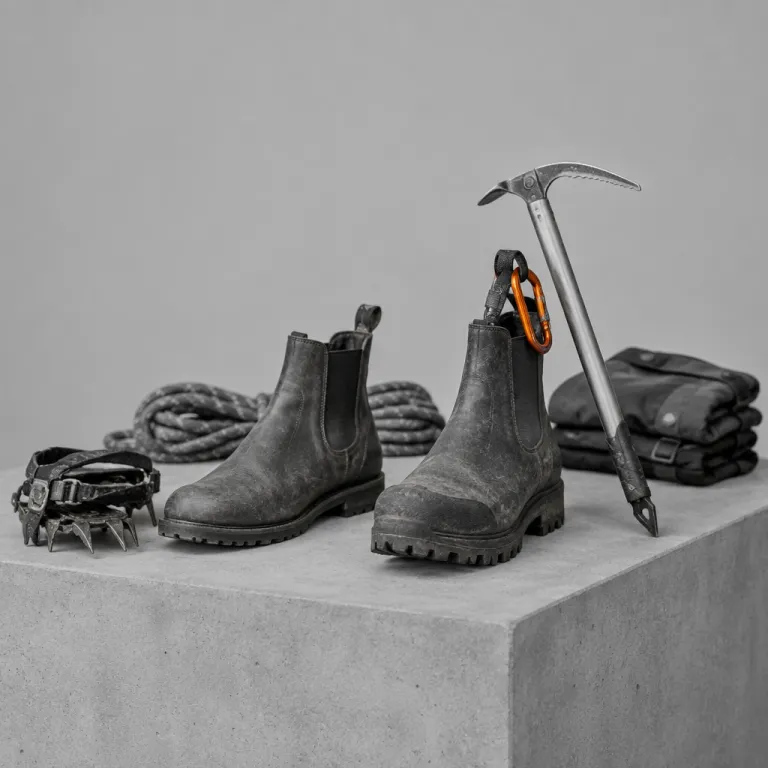
Blundstone classic vs original when you leave the pavement behind
When hikers compare Blundstone classic vs original models, they are really weighing how these boots behave once the trail turns rough. The Original 500 Series was designed as a versatile work and town Chelsea boot, while the Classic 550 Series adds subtle upgrades in comfort and durability that matter when you cover 15 km days on mixed terrain. For outdoor enthusiasts and mountaineers, the question is not fashion but how these pull-on boots manage load, grip, and long term wear.
The Original Series uses a slightly slimmer sole profile and a lower toe height, which feels agile when you move quickly between city streets and easy forest paths. The Classic Series increases leather thickness and uses a more cushioned polyurethane midsole with SPS Max Comfort system, so the boot feels more planted when you shoulder a 12 kg pack on broken rock terrain. Those differences in sole and upper structure explain why many hikers keep Originals for daily wear and reserve Classics for longer approaches or hut to hut traverses.
Both the Original boot and the Classic boot rely on elastic sided Chelsea construction, which makes them fast to pull on at a trailhead bivouac. However, the Classic range usually offers a slightly roomier fit and deeper toe box, giving your toe joints more space to splay on steep descents and reducing black toenail risk. If you have a high volume foot or use a supportive insole, that extra internal toe height in the Classics can be the deciding factor when choosing between these Blundstone options.
Sole design, shock absorbing performance, and technical grip
Underfoot engineering is where the Blundstone classic vs original comparison becomes critical for demanding terrain. Original Series boots use a lighter sole profile that rolls smoothly on compact trails, while the Classic 550 models add slightly deeper tread and a marginally stiffer platform that improves edging on rock steps and wet roots. For hikers who regularly tackle steep scree or muddy forest tracks, that extra structure in the Classic sole design can translate into fewer slips and less fatigue.
Both series integrate SPS Max Comfort shock absorption in the heel and forefoot, but the Classic boot often feels more cushioned because of its thicker midsole and denser removable footbed foam. When you drop 1 000 m of vertical on a long descent, that additional impact protection helps your joints and keeps your stride efficient. If you want to understand why lug geometry matters so much, a deeper dive into a technical lug sole comparison such as why a technical lug sole matters in serious hiking boots helps frame how Blundstone’s relatively shallow lugs limit them on very loose terrain.
Neither the Originals nor the Classics are full mountaineering safety boots, yet their soles still need to manage occasional talus fields and wet slab crossings. The Classic Series usually offers slightly better torsional stability, so the boot twists less when you sidehill across uneven terrain users often encounter on unmaintained paths. If you mainly hike on graded trails, the Original sole may feel more nimble, but for rougher terrain the Classic sole profile gives a more confidence inspiring platform.
Leather, lining, and thermal comfort across seasons
Material choices in the Blundstone classic vs original lines directly affect how your feet handle heat, moisture, and cold. Original boots typically use a slightly thinner water resistant leather upper with a more minimal synthetic lining, which keeps weight down and allows faster drying after a stream crossing. Classic boots often rely on thicker premium leather and a more substantial leather or leather-and-synthetic lining, trading a few extra grams for improved comfort and better insulation on chilly mornings above 2 000 m.
For three season hiking, many outdoor enthusiasts prefer the unlined or lightly lined Originals because they breathe better during fast ascents and hot valley approaches. However, when temperatures drop near freezing, the Classic Series with its denser lining and optional thermal variants keeps toes warmer during long, static belays or camp chores. Some thermal Classics add extra underfoot insulation, which works with the SPS shock absorbing layer to reduce conductive heat loss into cold ground.
Colour and finish also matter more than most hikers admit, especially with the popular stout brown leather used in both Classic and Original boots. That stout brown water resistant leather ages gracefully under trail dust and rock abrasion, but the thicker hide in many Classics resists deep cuts better when you jam your boot between boulders. If you are considering suede or alternative uppers for lighter duty trips, a broader perspective on why suede Chelsea boots can belong in a gear locker is explored in resources such as why suede chelsea boots deserve a place in every hiker’s gear locker.
Fit, toe shape, and how your stride changes on real terrain
Fit is where the Blundstone classic vs original decision becomes personal, especially once you start carrying alpine loads. Original Series boots tend to have a slightly narrower fit with a more tapered toe dress shape, which feels precise when you edge on small rock holds or scramble up dry gullies. Classic boots usually open up the forefoot a little, giving more room for toe splay and thicker hiking socks during long days.
That difference in toe shape and internal volume affects how your foot behaves on steep descents and sidehills. A snugger Original boot can reduce internal movement and blister risk for narrow feet, while the roomier Classic boot lets wider feet relax and maintain circulation in cold conditions. When you test both series, pay attention to how your heel locks, how the midfoot wraps, and whether your toes touch the front when you drop your weight downhill with a full pack.
Toe height also matters when you kick steps into soft spring snow or brace against a rock edge, because too low a toe box can compress nails and joints. Many hikers find the Classics offer a slightly higher toe height, which pairs well with cushioned insoles and still leaves space above the toe joints. If you plan to use these boots as light duty safety footwear around camp or on work sites, that extra room in the Classics can accommodate protective socks without compromising overall fit.
Water resistance, wear patterns, and long term durability
Neither line in the Blundstone classic vs original comparison is fully waterproof like a membrane lined alpine boot, yet both use water resistant leather and sealed seams to manage typical trail moisture. Original boots with thinner uppers tend to dry faster after a downpour, while Classic boots with thicker leather and more substantial lining stay comfortable longer in persistent drizzle. Regular waxing and conditioning are essential for both series if you want the leather to bead water instead of soaking it up.
Wear patterns differ because the Classic sole and thicker leather handle abrasion from rocky terrain better over time. Hikers who spend many days on sharp limestone or volcanic scree often report that the Classic boots maintain their tread profile and edge definition longer than the Originals. On the other hand, if your use is split between office, city, and occasional trail, the lighter wear on Original Series boots may never expose those durability differences.
Thermal variants in the Classic Series add another layer of protection by combining insulation with water resistant treatments, which helps when you cross slushy snowfields or stand in wet meadows at dawn. Unlined Originals breathe better in dry climates but can feel overwhelmed when repeated stream crossings saturate the upper and lining. For multi day treks where drying time and ground chill both matter, pairing either boot with a well rated sleeping pad and understanding how an R value shapes night time warmth, as explained in guides like how to read sleeping pad R values before temperatures drop, helps you balance overall system comfort.
When Blundstone classics or originals make sense in a serious kit
For demanding mountaineering, neither side of the Blundstone classic vs original debate replaces a fully crampon compatible boot, yet both can play a role in a broader gear system. Many alpinists use Classic boots as approach footwear for hut access trails, then switch to technical mountaineering boots for glacier travel and steep snow. Originals often stay in the duffel as camp or travel boots, where their lighter weight and sleeker toe dress profile feel more at home.
On long overland trips where baggage space is limited, some hikers choose a single pair of Classics as their compromise between city, trail, and light scrambling. The thicker sole, more generous fit, and robust leather make the Classic Series more forgiving when plans change and you suddenly face a 20 km approach over mixed terrain. Originals still shine for those whose primary environment is urban, with only occasional forays onto well maintained paths where extreme shock absorbing performance and aggressive traction are less critical.
Ultimately, the differences between these boots come down to how often you push into rough terrain Blundstone designs were never fully optimized for, and how much you value comfort under load. If your hikes stay below treeline on dry, moderate gradients, the Original boot will likely serve you well for years. If you routinely shoulder heavy packs, move across broken rock, and need more underfoot support, the Classic boot and its more protective series variants are the smarter long term investment.
Key figures for hikers comparing Blundstone classic vs original
- Typical Blundstone boots weigh roughly 450 g to 650 g per boot in common sizes, which is significantly lighter than many traditional leather hiking boots that often exceed 800 g per boot according to major outdoor retailers.
- Typical day hiking loads range from 7 kg to 12 kg, while multi day backpacking loads often reach 15 kg to 20 kg, which increases the value of shock absorbing soles and cushioned midsoles in any boot choice.
- Studies on walking biomechanics show that each additional 100 g on the foot can increase energy expenditure by roughly 1 % to 2 %, making the lighter weight of Originals appealing for mixed city trail use.
- Average trail users cover 10 km to 20 km per day on moderate terrain, while experienced mountaineers may exceed 25 km with significant elevation gain, which magnifies the importance of fit, toe room, and sole stiffness.
- Leather uppers on well maintained boots can last 5 to 10 years of regular use, but outsoles on mixed rocky terrain often show significant wear after 1 000 km to 1 500 km, highlighting why sole profile and rubber formulation matter.
FAQ about Blundstone classics and originals for hiking
Are Blundstone classics or originals better for long day hikes
For long day hikes on mixed terrain, the Classic Series usually performs better because of its thicker sole, more cushioned SPS shock absorbing system, and slightly roomier fit. These features reduce fatigue when you carry a pack and spend hours on uneven ground. Originals remain suitable for shorter, less technical outings where lighter weight and a slimmer profile are priorities.
Can Blundstone boots replace dedicated mountaineering boots
Neither Blundstone Classics nor Originals can replace true mountaineering boots for glacier travel, steep snow, or technical alpine routes. They lack crampon compatibility, rigid midsoles, and the high cut ankle support required for such objectives. Many mountaineers instead use them as approach or camp boots alongside specialized alpine footwear.
How water resistant are Blundstone classics compared with originals
Both lines use water resistant leather and sealed seams, but Classics often feel more protective in sustained wet conditions because of their thicker leather and more substantial lining. Originals dry faster once soaked, which can be helpful in hot, dry climates with occasional stream crossings. Regular cleaning and waxing are essential to maintain water resistance in either boot.
Which Blundstone line is better for wide feet
Hikers with wide feet usually find the Classic boots more comfortable because they offer a slightly roomier forefoot and higher toe box. This extra space accommodates thicker hiking socks and aftermarket insoles without excessive pressure. Narrow footed users may prefer the closer fit of the Originals, especially for light scrambling.
Are thermal Blundstone classics worth it for cold weather hiking
Thermal versions of the Classic Series add insulation and often a warmer lining, which significantly improves comfort during cold weather hikes or winter camp chores. They are especially useful when you spend long periods standing on snow or frozen ground. In milder climates, non thermal Classics or unlined Originals may provide a better balance of breathability and weight.