
Summary
Editor's rating
Value: expensive, but they actually solve cold feet
Design: tall, bulky, and built for cold and wet
Comfort: warm, roomy toe box, but a bit bulky
Materials: thick neoprene, tough rubber, and warm fleece
Durability: holding up well, but treat the neoprene with some care
Performance in real cold: warmth, waterproofing, and traction
What you actually get when you unbox them
Pros
- Very warm in real-world cold (single digits and low 20s) without needing crazy-thick socks
- Fully waterproof with tall 17-inch height for deep snow, slush, and shallow water
- Comfortable neoprene and fleece lining with roomy toe box for long periods of standing
Cons
- Traction on pure ice and smooth wet decks is only average for the price
- Bulky and tall, not ideal for long hikes or casual everyday use
- Neoprene upper can be damaged by sharp brush or rough handling if you’re not careful

Specifications
View full product page →| Brand | MUCK |
Boots for when it’s actually brutal outside
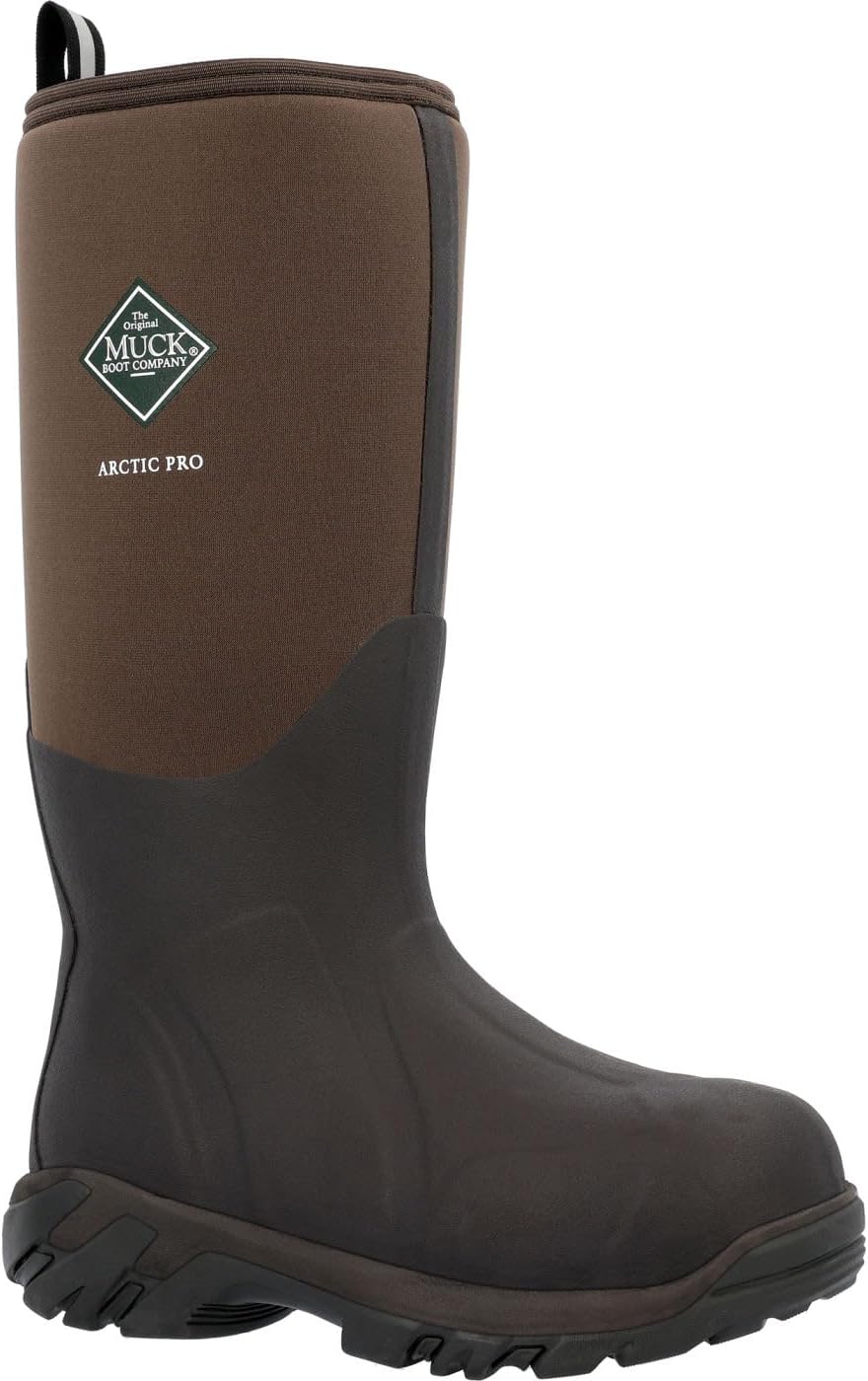
I’ve been using the Muck Boot Men's Arctic Pro in size 11 (Bark color) for proper cold: tree stand sits, ice fishing, and standing around in wet snow for hours. This isn’t a casual rain boot; it’s the kind of boot you pull out when you know you’re going to be standing in slush or on ice for half a day and don’t want to think about your feet. The brand advertises a comfort range down to -60°F, which honestly sounds like brochure talk, but I can say it holds up well in the single digits and low 20s with normal socks.
My usual problem with winter boots is simple: my toes go numb after an hour, even in insulated leather boots. Either the insulation is weak, or the boot is so tight you cut off circulation. With these Arctic Pros, the first thing I noticed was the extra room in the toe box and the thick neoprene shaft that actually traps heat. They feel more like a warm rubber sock with a tough shell than a stiff work boot. Not stylish, not sleek, just built to be used and abused.
I’ve worn them in wet slushy fields, on a frozen lake, and on a boat deck with frost on it. So far, no leaks, no cold spots, and the lining hasn’t packed down. They are tall (17 inches), so they’re more like half-waders than regular boots. That’s good if you’re dealing with deeper snow or stepping in and out of water or muddy banks, but they’re definitely overkill if you just want something for a quick trip to the store.
Bottom line for this intro: these boots are clearly built around one idea—keep your feet warm and dry in stupidly cold, wet conditions. They’re not light hikers, they’re not cheap rubber barn boots, and they’re not going to win any style contests. They’re functional, warm, and a bit clunky, and that’s kind of the whole point.
Value: expensive, but they actually solve cold feet
These boots are not cheap, and that’s the first thing to keep in mind when talking about value. You’re paying a premium for thick neoprene, serious insulation, and a proven waterproof build. If you only need boots for shoveling the driveway once in a while or walking the dog in light snow, honestly, this is overkill and not great value. You could get by with a much cheaper pair and be fine.
Where the price makes sense is if you spend long hours in real cold—hunting, ice fishing, guiding, farm work, or working on the water. In that context, having feet that stay warm and dry for 4–8 hours straight is worth quite a bit. Compared to cheaper rubber boots or even many insulated leather boots I’ve used, these are clearly in a different league for warmth. You’re basically paying to not think about your feet when the weather is nasty.
Compared to other high-end cold-weather boots (Baffin, Lacrosse, etc.), the price is in the same ballpark. You’re not getting a bargain, but you’re not getting ripped off either. The build quality, materials, and comfort line up with the cost. The one area where I feel value could be better is traction on ice—at this price, a slightly grippier compound or optional studs would be nice. But that’s nitpicking.
So in terms of value: good for serious users, questionable for casual ones. If you’re out in the cold a lot, they justify the spend because they do exactly what they claim: keep your feet warm and dry in rough conditions. If you just need something for the odd snow day, you’re paying for performance you’ll barely use.
Design: tall, bulky, and built for cold and wet
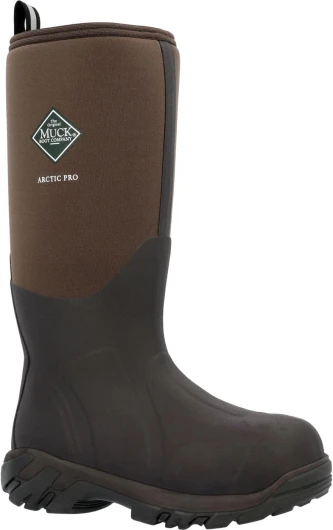
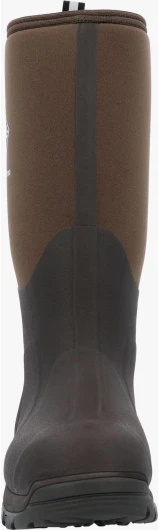
The design is pretty simple: 17-inch tall boot, rubber lower, 8 mm neoprene upper, fleece lining, and a big aggressive outsole. No laces, no zippers, no fancy closures—just slip-on with a stretch-fit topline that hugs your calf. The height is actually a big part of the design: it gives you more protection in deep snow, mud, or shallow water. For hunting or ice fishing, that’s useful. For quick errands or driving all day, it can feel like overkill.
The shaft circumference is about 17 inches, and the neoprene has some stretch. On my average calves, it seals fairly well without feeling like a tourniquet. If you’ve got very big calves or heavy winter pants, it might be a tight fit. The topline does a good job of keeping debris out—no snow falling inside when breaking trail, and no gravel or junk sliding down into the boot like with looser rubber boots.
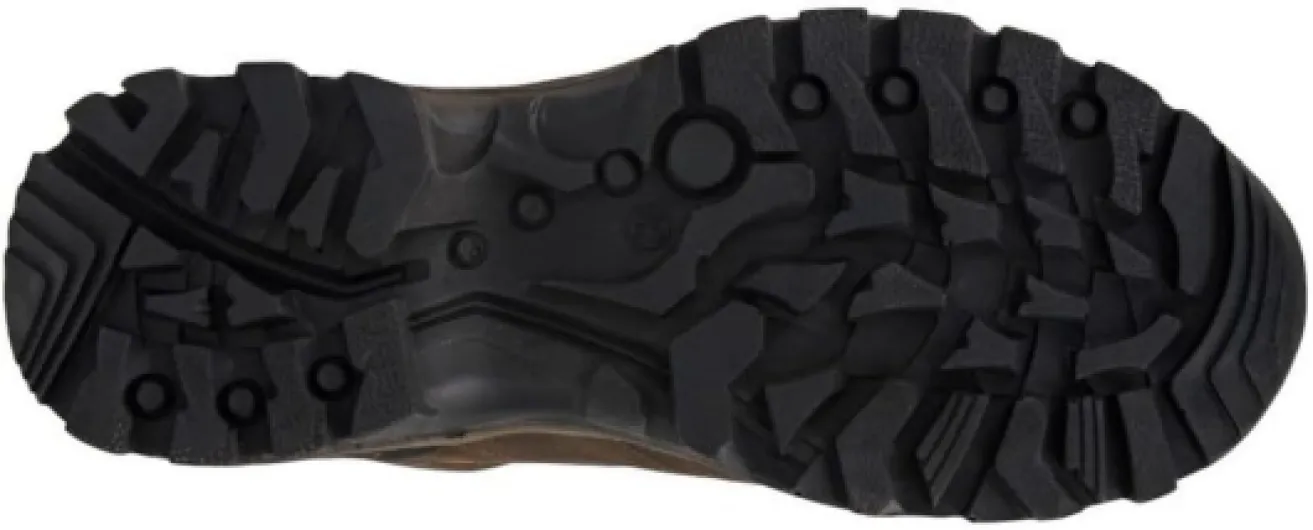
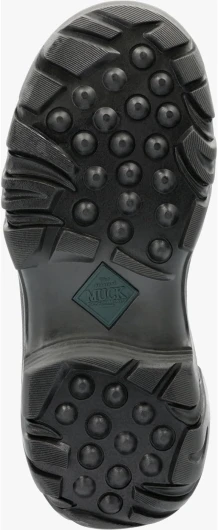
The outsole uses their “Bob-Tracker” pattern, which is basically a deep, aggressive lug setup. On packed snow and loose snow, grip is solid. On ice, it’s better than flat rubber, but it’s still just rubber—this isn’t a crampon or a studded sole. On a wet boat deck or algae-slick rocks, I still found myself sliding a bit, and that lines up with what some other users said. So: decent traction in most winter conditions, but if you’re on pure ice or slick fiberglass, don’t expect miracles.
Overall, the design is very much “function first”. They look like serious barn/hunting boots, and that’s exactly how they behave. If you want something sleek or more city-friendly, these will feel big and clumsy. If you just want height, waterproofing, and warmth, the design choices all make sense. I wouldn’t change much except maybe adding a bit more slip resistance for smooth wet surfaces.
Comfort: warm, roomy toe box, but a bit bulky
Comfort-wise, these Arctic Pros are very focused on warmth and standing comfort, not on being nimble or super supportive like a hiking boot. The first thing I noticed is the roomy toe box. I wear a 10.5 in regular shoes and went with an 11, which gives me enough space for a wool sock without crushing my toes. That extra space is important in cold weather because tight boots just cut circulation and make your feet colder. With these, my toes can move a bit, and that helps a lot with warmth.
The neoprene upper makes them easy to walk in compared to stiff rubber boots. You can bend, kneel, and climb ladders without feeling like your shins are getting slammed. The fleece lining inside feels comfortable even with just a thin sock. On a few outings around 20–25°F, I wore one medium-weight merino sock and my feet stayed genuinely warm for several hours of mostly standing and slow walking. In lower single digits, I added a liner sock, and it still felt fine.
On the downside, they’re not exactly agile. The height and bulk mean you feel them when driving, and they’re not my first choice for long hikes over mixed terrain. They’re okay for walking a mile or so into a stand or across a frozen lake, but if I were doing serious hiking with elevation, I’d pick a lighter, lace-up winter boot. Also, arch support is average—fine for most people, but if you have foot issues you might want to drop in custom insoles.
Overall, for their intended use—standing, slow walking, and working in the cold—comfort is a strong point. They stay warm, they don’t rub, and they’re easy to slip on and off, even with thicker socks. Just be realistic: they feel like insulated rubber hunting boots, not running shoes. If you accept the bulk, the comfort in cold conditions is very good.
Materials: thick neoprene, tough rubber, and warm fleece
The materials are where these boots justify their price. You get 8 mm neoprene around the foot and up the shaft, which is thicker than a lot of cheaper neoprene boots. That thickness is noticeable: the boot holds its shape, doesn’t collapse around your ankle, and actually feels like insulation rather than just a thin sleeve. The neoprene also does what it should—flexes with your foot and calf instead of rubbing like stiff leather or plastic.
The lower part is coated in high-grade rubber, and it feels tough. I’ve walked through brush, rocks, and frozen ruts, and I don’t see any cuts or cracks so far. It’s not as bulletproof as a heavy-duty work boot with a full rubber shell, but for hunting and general outdoor use it’s more than enough. The double reinforcement in the instep, heel, and Achilles area adds some structure, so you don’t feel like you’re walking in squishy rain boots.
Inside, there’s fleece lining plus 2 mm of thermal foam under the footbed. That combo is what keeps the warmth in. The fleece feels soft and not scratchy, and after several outings it hasn’t balled up or peeled. The EVA midsole and insole are pretty standard but do their job: some cushioning, some shock absorption, nothing fancy. You can replace the insole with your own if you want more arch support. Everything inside feels geared toward warmth and comfort rather than structure and ankle support.
From a materials standpoint, these are clearly made for cold and wet, not for summer or hot climates. The rubber and neoprene trap heat very well, which is exactly what you want on ice or in the snow. In milder weather (around freezing and above), you can actually start to feel a bit too warm if you’re moving a lot. So materials are a strong point, but they also define the use case: long periods in the cold, not casual use in mild temps.
Durability: holding up well, but treat the neoprene with some care
In terms of durability, I’d say the rubber lower and sole feel built to last, while the neoprene upper will last if you don’t abuse it. I’ve put them through muddy fields, frozen ruts, some rocky shoreline, and a bit of brush. So far, no cracks in the rubber, no separation at the seams, and the outsole lugs show minimal wear. The reinforcement in the heel and instep takes scuffs without any real damage, which is what you want from a boot you’re kicking around in the cold.
The neoprene is where you need to be a bit smarter. It’s thick (8 mm), but it’s still neoprene, not leather or plastic armor. If you drag it through sharp briars, barbed wire, or keep banging it on sharp metal, you can tear it. I’ve seen people complain about tears, and honestly if you roll the shaft down and let it scrape on brush all day, it’s going to weaken. I’ve kept my pant legs over the top and tried not to ram them into thorns, and mine still look pretty fresh.
Inside, the fleece lining and foam insole haven’t packed out much yet. After multiple long days, they still feel cushioned and warm. No clumping, no weird hot spots, and no peeling at the heel. That’s a good sign, because some cheaper lined boots tend to get lumpy or peel where your heel rubs. As with all rubber/neoprene boots, if you store them in a hot area or in direct sun for long periods, you’ll probably shorten their life, so I keep them in a cool, dry spot.
Overall, I’d rate durability as pretty solid for the category. They’re not indestructible, but if you treat them like proper cold-weather boots and not like chainsaw chaps, they should last multiple seasons of real use. The key is to respect the neoprene, rinse off salt and chemicals, and don’t bake them in the sun or throw them next to a heater.
Performance in real cold: warmth, waterproofing, and traction
Performance is where these boots earn their keep. Warmth first: I’ve used them in temps down to about 5°F (-15°C) with a medium wool sock while mostly standing around, and my feet stayed warm enough that I wasn’t thinking about them, which is the real test. Not toasty like sitting by a heater, but no numb toes. Compared to my insulated leather hunting boots (rated -20°F on paper), these feel warmer in practice, probably because they’re fully waterproof and trap more heat.
Waterproofing is solid. I’ve stood in slushy puddles, wet snow up over the ankle, and done a few shallow river bank entries, and I haven’t had a single leak. The one-piece rubber lower and seamless neoprene upper do their job. The 17-inch height also means you can step into deeper snow or water without worrying as much, as long as you don’t flood over the top. They’re basically like wearing short waders with a proper outsole.
Traction is generally good on snow, dirt, and mixed winter surfaces. The Bob-Tracker outsole digs into snow and loose stuff fine. Where it falls short is on smooth, wet, or icy surfaces. On a frosty boat deck and on straight ice, I had to be careful; it’s better than flat rubber boots but still slippery enough that I wouldn’t trust it on steep icy slopes. If you need serious ice grip, you’d still want microspikes or some kind of studs.
Overall performance: excellent for standing or working in cold, wet, and snowy conditions, decent for walking moderate distances, and just okay for pure ice grip. If your main need is staying warm and dry while not moving a ton—tree stands, ice fishing, farm chores in winter—these boots do the job very well. If you want a winter hiking boot or something for mixed urban/ice use, they’re less ideal due to bulk and traction limits on slick surfaces.
What you actually get when you unbox them
Out of the box, the Arctic Pro looks like a typical Muck boot on steroids. You’ve got a thick rubber lower, a tall neoprene shaft, and the inside lined with fleece. No fancy packaging, no extras, just the pair of boots in a basic box. For a boot in this price range, I don’t really care about presentation, but if you’re expecting some premium unboxing experience, there isn’t one. It’s very utilitarian, which matches the product.
The first impression in hand is that they feel chunky but not brick-heavy. The rubber portion is thick and stiff enough to inspire some confidence if you’re kicking through ice or walking on rocks, but the neoprene upper is flexible and easy to bend. The Bark color is just a dark brown/olive mix that hides mud and dirt well. You’re not buying these to match an outfit; they’re basically hunting/work boots that look exactly like that.
The rear pull loops are actually usable—big enough to grab with gloved hands. I’ve had cheaper boots where the pull tab tears after a week; these feel more solid. The overall look is "functional farm/hunting boot". If you’re used to leather hunting boots with laces, these are more like stepping into a wader boot: one-piece, no adjustment, just slide in and go. It’s very straightforward.
So in terms of presentation, there’s nothing fancy or premium-feeling beyond the actual build of the boot. You pay for insulation and materials, not for looks or packaging. Personally, I’m fine with that. I’d rather they put money into the neoprene, rubber, and lining than into a glossy box and marketing inserts. Just don’t expect them to feel like a fashion piece when you first pull them out—they’re tools, not accessories.
Pros
- Very warm in real-world cold (single digits and low 20s) without needing crazy-thick socks
- Fully waterproof with tall 17-inch height for deep snow, slush, and shallow water
- Comfortable neoprene and fleece lining with roomy toe box for long periods of standing
Cons
- Traction on pure ice and smooth wet decks is only average for the price
- Bulky and tall, not ideal for long hikes or casual everyday use
- Neoprene upper can be damaged by sharp brush or rough handling if you’re not careful
Conclusion
Editor's rating
The Muck Boot Men's Arctic Pro is a serious cold-weather boot that focuses on one thing and does it well: keeping your feet warm and dry when it’s genuinely cold and wet. The 8 mm neoprene, fleece lining, and thermal foam underfoot actually make a difference in real use. Standing on ice, in slush, or in snow for hours is far more bearable in these than in most insulated leather boots or cheap rubber boots I’ve tried. Comfort is solid as long as you accept that they’re tall and a bit bulky.
They’re not perfect. Traction on pure ice or smooth wet surfaces is only okay, so you still need to be careful. The neoprene, while thick, isn’t invincible—if you drag it through sharp stuff all day, it can tear. And the price is on the higher side, which only really makes sense if you use them a lot in harsh conditions. For quick winter errands or light use, they’re overkill. But if you’re a hunter, ice angler, guide, or someone who works outside in real winter, they’re a pretty solid choice that actually solves the “cold feet after an hour” problem.
In short: get these if you spend long stretches standing or moving slowly in serious cold and wet and are tired of frozen toes. Skip them if you want a light winter boot for casual walking or if you mostly deal with mild winters and city sidewalks.