Summary
Editor's rating
Value: good when on sale, less convincing at very high prices
Design: low-profile, outdoorsy but not over the top
Comfort: great for normal feet, tight if you’re on the wider side
Materials: mesh and synthetics with a grippy rubber outsole
Durability: feels sturdy for a light hiker, but not indestructible
Performance on the trail: grip is the strong point
What these Terrex AX4s actually are (and what they are not)
Pros
- Excellent grip on wet and dry terrain thanks to Continental rubber outsole
- Lightweight, sneaker-like feel with decent cushioning for day hikes
- Versatile look that works on trails and in everyday casual settings
Cons
- Runs narrow, especially in the toe box, not ideal for wide feet
- Not waterproof and mesh upper won’t match leather boots for long-term toughness

Specifications
View full product page →| Brand | adidas |
| Item model number | LFA28 |
| Department | mens |
| Date First Available | September 25, 2023 |
| Manufacturer | adidas |
| ASIN | B0CN549WY6 |
| Best Sellers Rank | See Top 100 in Clothing, Shoes & Jewelry |
| Fabric type | 100% Leather |
Solid hiking shoes that feel more like sturdy sneakers
I’ve been using the adidas Terrex AX4 in Focus Olive/Black/Grey (size 11) as my main outdoor shoe for a few weeks. I’ve worn them on local forest trails, a couple of rocky hill hikes, and also as everyday shoes for errands and walking the dog. So this isn’t a lab test, it’s just how they behaved in normal, slightly abusive, real-life use. I’m pretty hard on shoes, and I don’t baby them.
The first thing that stood out is that they feel more like a beefed-up running shoe than a classic hiking boot. They’re low-cut, fairly light, and flexible right out of the box. If you’re used to big leather boots, these will feel almost like gym shoes with better grip. That can be good or bad depending on what you expect. I personally like that lighter feel for day hikes and mixed city/trail use.
I tested them mostly on mixed terrain: compact dirt, roots, wet leaves, a bit of mud, and some rocky paths. No hardcore mountaineering, but enough to see how the traction and stability hold up. I also wore them in light rain and on wet pavement to check how that Continental rubber outsole behaves when it’s slippery. So far, no surprise wipeouts, which is already a win.
Overall, my first impression is: pretty solid all-round hiking sneakers that do the job for most people. They’re not perfect, and there are some details that annoyed me, especially around width and breathability, but they feel reliable enough for weekend hikers and people who want one shoe that can handle both trails and daily use.
Value: good when on sale, less convincing at very high prices
Value really depends on the price you find these at. At a normal mid-range price for hiking shoes, they’re good value for what they offer: solid grip, decent comfort (if your feet aren’t too wide), and a versatile design you can use on and off the trail. In that price range, they compete well with similar models from Salomon, Merrell, and others. You basically get a reliable hiking sneaker with a premium outsole.
Where it gets less appealing is when the price spikes, like some sizes going way above the usual retail. I’ve seen comments from people paying north of $200 for some sizes. At that level, I personally would not buy them. For that kind of money, I’d look at more robust boots or higher-end trail shoes with better materials, more protection, or waterproofing. So my take: they’re worth it at regular price or on sale, but not at inflated size-specific prices.
In terms of what you get for your money, here’s the rough breakdown:
- Pros for value: Continental outsole (usually found on more expensive models), versatile style, comfortable cushioning, decent durability for a light shoe.
- Cons for value: not waterproof, somewhat narrow fit that won’t work for everyone, mesh upper that won’t last as long as real leather under heavy abuse.
If you’re a casual hiker doing weekend trails, some light travel, and general everyday walking, these make sense financially, especially if you catch them on discount. If you’re a serious backpacker or you hike all the time in rough terrain, you might be better off spending a bit more on something sturdier and more supportive. So value verdict: good deal at the right price, just don’t overpay based on hype or limited size availability.
Design: low-profile, outdoorsy but not over the top
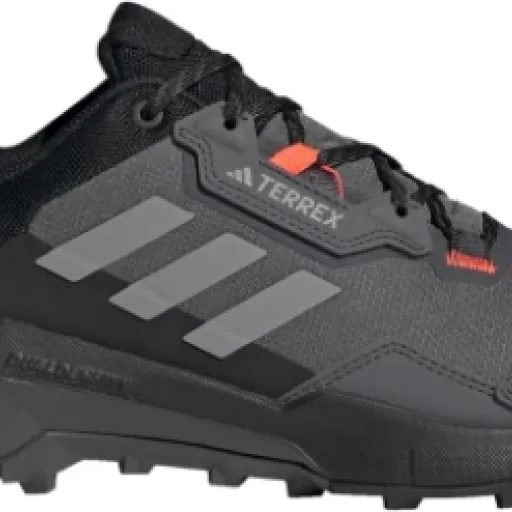
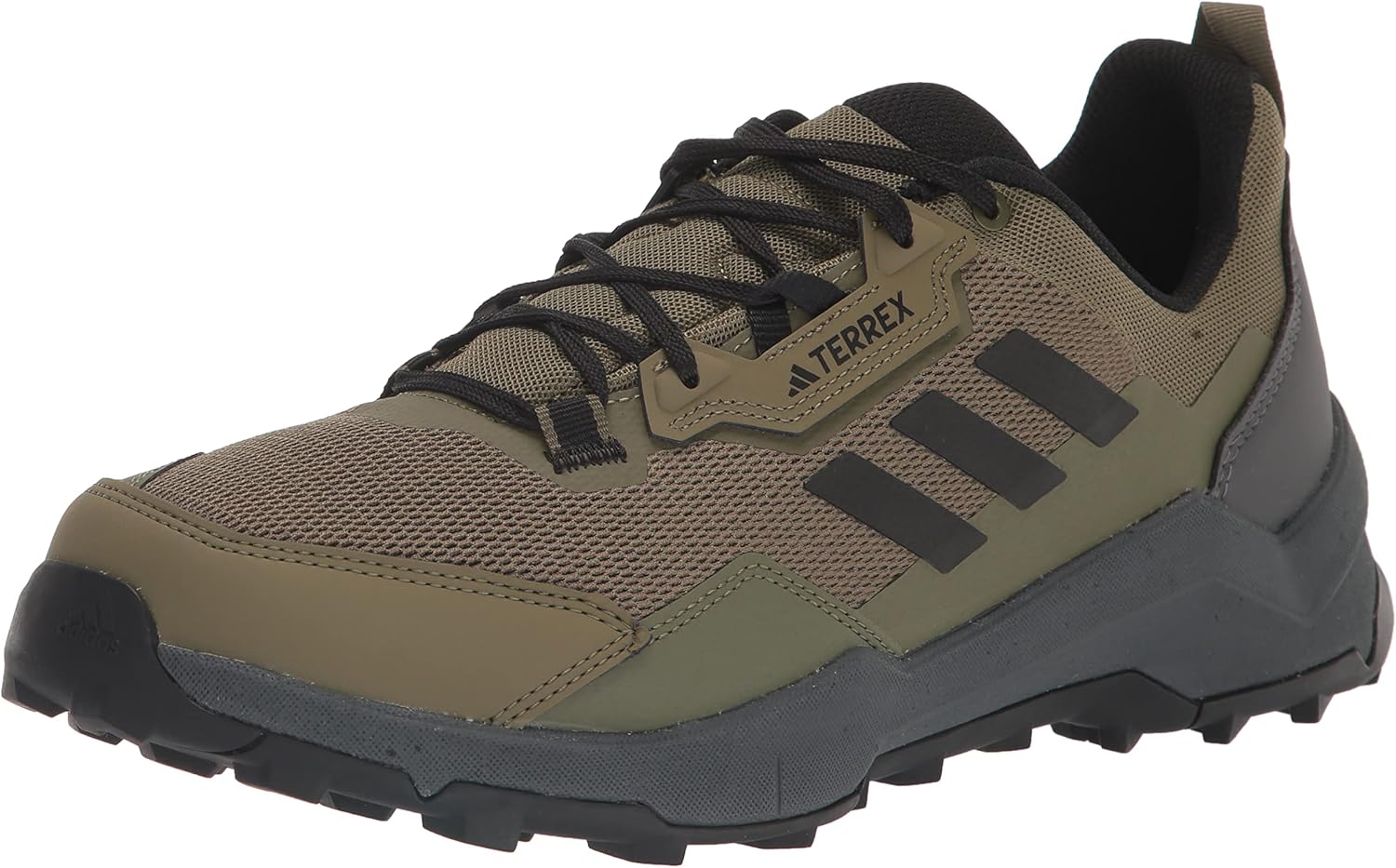
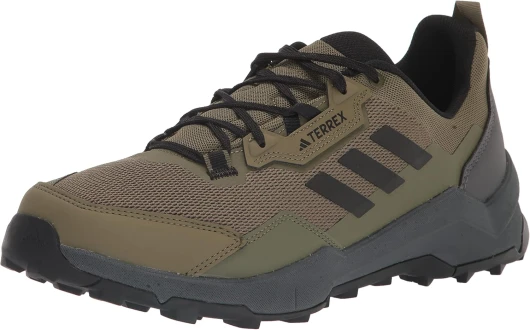
Design-wise, these Terrex AX4s keep things fairly simple. The Focus Olive/Black/Grey colorway is muted, which I like. The olive base with black and grey accents looks outdoorsy without shouting. If you wear them with jeans or joggers, they just look like sporty sneakers, not full-on hiking boots. That’s handy if you’re traveling and don’t want to pack extra shoes just for walking around town.
The silhouette is low-cut and quite sleek for a hiking shoe. There’s a decent toe bumper, some synthetic overlays for structure, and the typical Terrex branding on the side and tongue. Nothing flashy. The laces are basic flat laces, and they stay tied, which is all I really care about. No fancy lace system, but honestly, that’s fine. Less to break.
From a practical point of view, the heel pull tab is useful. It’s big enough to actually grab, which makes it easier to yank them on when they’re a bit muddy and you’re trying not to touch the upper too much. The tongue is semi-gusseted, so it helps keep out small debris, but it’s not a sealed bootie like some trail runners. On dusty or gravelly trails, I still got a few pebbles in, but nothing crazy.
One thing I noticed is the shoe looks slightly narrow when you look at it from the top, and that matches how it feels. If you have wide feet or like a roomy toe box, the design might be a bit tight, especially on the outer side near the little toe. So from a design standpoint, I’d say: clean look, practical details, but built on a relatively narrow last. If you’re used to brands like New Balance or some Merrell wide models, this will feel more snug and more like a running shoe fit.
Comfort: great for normal feet, tight if you’re on the wider side
Comfort is where these shoes will either work well for you or annoy you, depending on your foot shape. On my fairly normal-width foot, they felt good right out of the box. No break-in needed, no heel blisters, and the cushioning underfoot is decent for long walks. After a 10 km hike on mixed terrain, my feet felt a bit tired but not sore. So for me, overall comfort is pretty solid for day hikes and everyday use.
The arch support is moderate. If you have high arches, you might actually like them, especially with a slightly better insole. One Amazon reviewer with high arches and wide feet even said they felt very supported. My arches are average and I had no issues. The heel lockdown is good too; my heel didn’t lift or slip when going uphill or downhill, which is important to avoid blisters on longer outings.
Now the downside: they run on the narrow side, especially in the toe box. I don’t have wide feet and I still felt some pressure on the outer side of my forefoot after a few hours. Not painful, but noticeable. I can see why some people who usually wear wide sizes complain about the fit. If you have a wide forefoot or like a roomy toe box (like Altra or some Merrell models), this will probably feel cramped. You might get away with going up half a size, but that can mess with heel fit, so it’s a bit of a trade-off.
Breathability is okay but not mind-blowing. On cooler days, no problem. On warmer days or in a gym, my feet got a bit warm but not soaked. There’s no waterproof membrane, so in theory they should breathe better than Gore-Tex models, and that seems true. But if you step in deep puddles or wet grass, water will get in. They dry reasonably fast, though—after getting them wet crossing a shallow stream, they were mostly dry in a few hours at room temperature. So comfort-wise: good cushioning, decent support, but watch out if you have wide feet or hate snug fits.
Materials: mesh and synthetics with a grippy rubber outsole
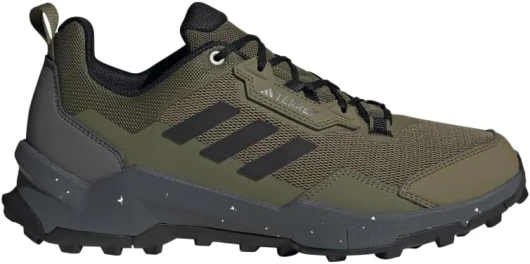
The materials are pretty typical for modern light hikers. The upper is mostly mesh with synthetic overlays. Despite some listings saying “100% leather,” that’s not what you get here. You get a mesh upper that breathes decently and doesn’t need any real break-in. Right out of the box, the upper was flexible and didn’t rub in weird places, which I appreciate. No hot spots on the first couple of walks.
The overlays feel reasonably sturdy. They give the shoe some structure and protect the mesh in high-wear spots, like around the toe and sides. This isn’t the thick, bombproof kind of material you’d see on heavy-duty boots, but for day hikes and regular use, it feels good enough. After a few weeks of use with some mud and cleaning, the mesh still looks okay—no fraying or tearing so far.
The midsole is EVA foam, pretty standard. It gives light cushioning that feels more like a running shoe than a hiking boot. It’s not super plush, but it’s enough to take the edge off rocks and roots. If you’re used to very cushioned trail runners, this will feel a bit firmer. If you come from classic hiking boots, this will feel soft and bouncy. The insole is basic but not terrible; I could see some people swapping it out for a more supportive aftermarket insole, especially if they have high arches.
The star of the materials is the Continental rubber outsole. The rubber feels tacky in the hand, and on the trail, it grabs well, especially on wet rock and damp wood. The lugs aren’t super deep like aggressive mountain shoes, but they’re deep enough for most light to medium hikes. Overall, materials feel in line with the price range: not premium luxury stuff, but solid, functional, and light. Just don’t buy them thinking you’re getting thick leather—this is more technical sneaker than old-school boot.
Durability: feels sturdy for a light hiker, but not indestructible
Durability is always tricky to judge early, but after a few weeks of regular use, I can at least comment on the early signs. So far, the outsole is holding up well. The Continental rubber shows very little wear, even after a mix of trail and pavement. That matches my experience with other Continental-soled shoes: the rubber tends to last longer than cheap outsoles, especially if you walk a lot on asphalt to get to the trails.
The upper, being mesh and synthetics, is the main question mark long term. After several muddy hikes, hose-offs, and some rough brushing to get dried mud off, the mesh still looks fine—no tears or obvious thinning. The synthetic overlays haven’t peeled or started to separate. Stitching looks clean and has not frayed yet. For a light hiking shoe, I’d say the build feels solid enough. It doesn’t feel flimsy like some ultra-light trail runners that start falling apart after a season.
However, if you’re used to thick leather boots that last for years and can be re-soled, this is not that. This is more of a 1–3 seasons kind of shoe for regular use, depending on how hard you are on gear. The midsole foam will eventually pack down, like all EVA. If you’re heavy or do a lot of road walking, you’ll probably flatten them faster. I wouldn’t expect these to be your only shoe for five years, but that’s normal for this category.
Another small durability plus: the toe bumper actually does its job. I bumped my toes on rocks and roots more than once, and the rubber up front took the hit without damage. The only thing I’ll keep an eye on is the inner lining around the heel; that’s often where shoes wear first from friction. So far, no signs of wear there. Overall, for a light mesh-based hiker, durability seems pretty good, but don’t treat them like full leather mountaineering boots and expect the same lifespan.

Performance on the trail: grip is the strong point
On the trail, the Terrex AX4 does what it’s supposed to do. Traction is the main strength. That Continental rubber really grips well on most surfaces I tried: wet rock, damp wooden bridges, loose gravel, and muddy patches. I didn’t feel that sketchy sliding sensation on wet stone that I’ve had with cheaper outsoles. On steep dirt slopes, the lugs dig in okay, though they’re not as aggressive as some hardcore trail shoes. For most hiking trails, it’s more than enough.
Stability is decent for a low-cut shoe. There’s enough torsional stiffness so the shoe doesn’t twist like a noodle when you step on uneven rocks, but it’s still flexible enough at the forefoot for a natural stride. I never felt like my ankle was going to roll, but to be fair, I also wasn’t carrying a huge backpack. If you need serious ankle support, you probably want a mid or high-cut boot anyway. For day hikes with a light pack, these feel stable enough.
The cushioning and protection underfoot are good but not bombproof. You can still feel sharp rocks a bit through the sole, but not to the point of pain. It’s a fair compromise between ground feel and protection. On long, rocky descents, I did notice some fatigue in the balls of my feet after a few hours, but nothing extreme. If you’re planning all-day hikes on very rocky terrain, you might want something with a rock plate or a slightly thicker midsole.
On the downside, they’re not waterproof, and they’re not pretending to be. In light rain or wet grass, you’ll be fine for a while, but step into a deep puddle and your feet get wet. The good news is they dry relatively fast. Also, on very thick mud, the lugs can clog a bit, and they don’t shed mud as well as some more aggressive soles. So performance summary: great grip, decent stability, okay protection, but not a shoe for hardcore alpine adventures or very technical routes. For typical weekend hikes, gyms, and travel, they do the job nicely.
What these Terrex AX4s actually are (and what they are not)
On paper, the adidas Terrex AX4 is a “multisport hiking shoe”. In practice, it sits right between a trail running shoe and a light hiking shoe. You get a low-cut profile, an EVA midsole, a mesh upper, and a Continental rubber outsole. So don’t expect a stiff mountaineering boot or something you’d use with heavy packs on multi-day treks. They’re more for day hikes, travel, and people who want one pair to do hiking plus casual wear.
The model I tried is the Focus Olive/Black/Grey version in size 11. The color is pretty neutral and doesn’t scream “look at my hiking shoes”, which I like because I can wear them around town without feeling like I’m going on an expedition. Adidas markets them as being made “in part with recycled content” (at least 20%). That’s fine, but you don’t feel anything special about that when wearing them. It’s more of a side detail than a deciding factor for me.
One thing to be clear about: despite what some product pages say, these are not full leather shoes. The upper is mostly mesh and synthetic overlays. That matters because some buyers might expect a more classic leather hiking shoe. The upside is that they’re lighter and break in quickly. The downside is they don’t give that sturdy leather feel and won’t offer the same long-term structure as a real leather boot.
So if you’re trying to place them: they’re light, sporty hiking shoes with good grip that work well for moderate terrain. If you’re planning long backpacking trips with a heavy load or you have weak ankles and want strong support, this is probably not the right category of shoe. But for forest trails, rocky paths, and general outdoor use, they sit in a pretty useful middle ground.
Pros
- Excellent grip on wet and dry terrain thanks to Continental rubber outsole
- Lightweight, sneaker-like feel with decent cushioning for day hikes
- Versatile look that works on trails and in everyday casual settings
Cons
- Runs narrow, especially in the toe box, not ideal for wide feet
- Not waterproof and mesh upper won’t match leather boots for long-term toughness
Conclusion
Editor's rating
Overall, the adidas Terrex AX4 in Focus Olive/Black/Grey is a solid light hiking shoe that behaves like a tough sneaker with very good grip. The Continental rubber outsole is the real highlight here: it grabs well on wet and dry surfaces and gives you confidence on typical forest and rocky trails. The shoe is light, flexible, and comfortable for normal-width feet, with cushioning that works well for day hikes and everyday wear.
On the downside, the fit is on the narrow side, especially in the toe box. If you have wide feet or you like a roomy front, you might not get along with these, even if you go up half a size. They’re also not waterproof, and the mesh upper, while breathable and light, won’t match the long-term toughness of a full leather boot. For heavy backpacking, very rough terrain, or people needing strong ankle support, this isn’t the right tool.
I’d recommend these to casual and intermediate hikers, people who want one pair of shoes that can handle trails, travel, and daily walking, and anyone who values grip and lightness over hardcore protection. I’d skip them if you have wide feet, need serious support, or are planning multi-day treks with a heavy pack. If you catch them at a reasonable price, they’re a pretty solid choice for everyday outdoor use.