Summary
Editor's rating
Value for money: fair price for what you get
Design: practical, a bit bland, but thought through
Comfort: out-of-the-box wearable with a few things to know
Materials and build: solid mid-range, with some eco touches
Durability: built to last a while, not forever
Performance on the trail: waterproofing, grip, and support
What you actually get with the Moab 3 Mid Waterproof
Pros
- Very comfortable out of the box with minimal break-in needed
- Waterproofing and Vibram grip work well on wet, mixed terrain
- Light for a mid boot and versatile enough for daily use and day hikes
Cons
- Breathability is only average; feet get warm in hot weather
- Ankle support and underfoot protection are moderate, not ideal for heavy loads or very rocky terrain

Specifications
View full product page →| Brand | Merrell |
| Product Dimensions | 15 x 10 x 5 inches; 1.5 Pounds |
| Item model number | J035896 |
| Department | womens |
| Date First Available | June 29, 2021 |
| Manufacturer | Merrell |
| ASIN | B0988BDSG7 |
| Best Sellers Rank | See Top 100 in Clothing, Shoes & Jewelry |
Solid mid hikers for people who actually walk in their shoes
I’ve been using the Merrell Women’s Moab 3 Mid Waterproof (in the Bungee Cord color, size 8) as my main hiking boot for a mix of dog walks, muddy local trails, and a couple of full‑day hikes. I’m not a gear geek, I just want boots that don’t wreck my feet and can handle wet ground without turning my socks into sponges. I’ve used other brands before (Keen and Salomon mainly), so I had a decent reference point when I started wearing these.
What struck me first is that there’s basically no real break-in period. They feel like a slightly stiffer sneaker out of the box. I wore them straight for a 2–3 hour walk the first day, no hot spots, no blisters, just a bit of that "new boot" stiffness around the ankle that faded after a couple of outings. If you hate spending two weeks softening up leather boots, this is clearly a plus.
My use is pretty mixed: forest trails with roots and rocks, wet grass, city sidewalks, and some light snow and slush. I’m not doing technical alpine stuff, just normal weekend hiker things. In that context, these boots feel pretty solid. They grip well, they keep my feet reasonably dry, and they’re light enough that I don’t feel like I’m dragging bricks by the end of the day.
They’re not perfect though. The look is a bit “generic hiking boot”, ventilation is only okay, and if you’re used to really stiff, high-ankle backpacking boots, these will feel a bit soft around the ankle. But as an all-round, wear-them-a-lot kind of boot, they do the job without drama. That’s basically the theme of this review: nothing flashy, but they work.
Value for money: fair price for what you get
In terms of price, the Moab 3 Mid Waterproof usually sits in the mid-range: not bargain-bin cheap, not premium mountaineering territory either. For that money, you’re getting a boot with a Vibram sole, waterproof membrane, decent insole, and a reputation for comfort. Compared to some cheaper boots that cut corners on the sole or use flimsy uppers, this feels like money reasonably well spent if you actually plan to hike regularly.
Where the value shows up most is in how versatile they are. You can wear them for daily dog walks, weekend hikes, light travel, and even in the snow with good socks. You don’t need a separate “serious hiking” boot and a “casual outdoor” shoe. They sit nicely in the middle and handle all of that. If you divide the cost across a few years of use, it’s pretty acceptable. People report getting several years out of them with steady use, which lines up with what I’d expect from the build quality.
On the other hand, if you’re a hardcore backpacker doing long multi-day treks with heavy loads, you might be better off spending more on a stiffer, more supportive boot. And if you mostly walk on city streets and flat parks, a cheaper hiking shoe or trail runner could be enough and more comfortable in hot weather. So the value really depends on your use case. For mixed trail use and general outdoor life, I think the balance of price, comfort, and durability is pretty good.
Overall, I’d call the value solid but not mind-blowing. You’re paying for a known, proven model that does what it promises without fancy extras. If you want reliable, comfortable boots and don’t need the latest tech gimmicks, the price tag makes sense. If you’re counting every dollar and only hike twice a year, you might find better use for your money in a simpler shoe.
Design: practical, a bit bland, but thought through
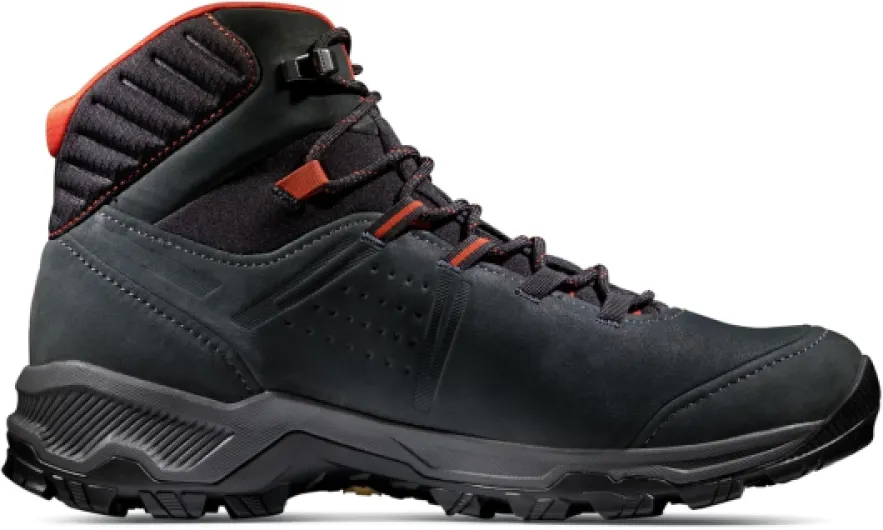
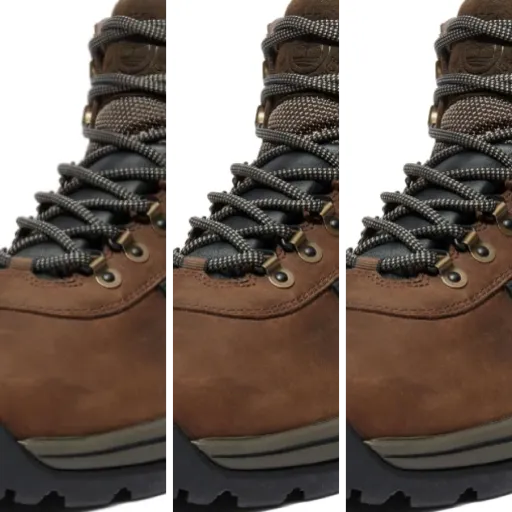
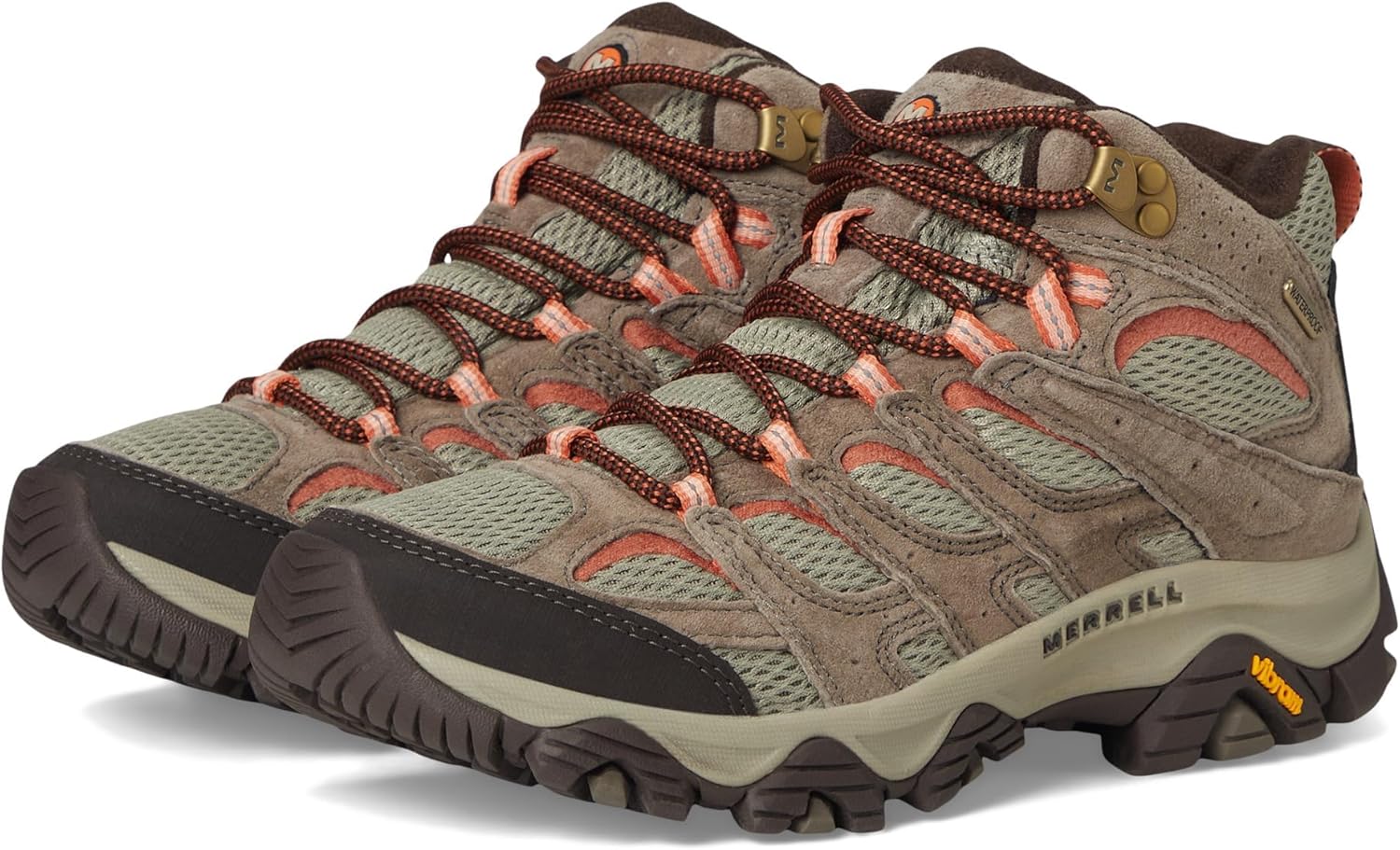
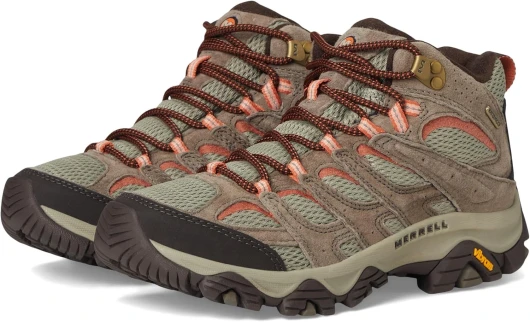
Design-wise, these boots are clearly made more for function than for style points. The Bungee Cord color is a safe brown with some greyish tones and small contrasting bits. On the trail, that’s fine – mud and dust don’t show much. In town, they look like exactly what they are: hiking boots. If you’re hoping to pass them off as fashion sneakers, that’s not going to happen, but with jeans or hiking pants they look normal enough.
The shape of the boot is one thing I liked. The toe box isn’t narrow, which is important if you’ve got wider forefeet or mild bunions. My toes never felt jammed even going downhill. The mid-cut comes just above the ankle bone, so you get some coverage without feeling locked in a cast. Compared to a stiffer boot like some Keens, the Merrells feel more relaxed around the ankle. That’s good if you want a bit of freedom of movement, less good if you rely heavily on ankle support because of past injuries.
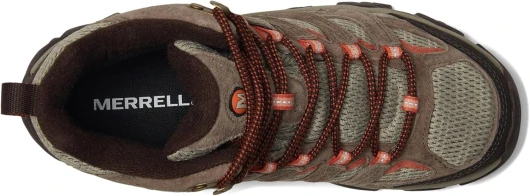
The lacing system is simple but effective: fabric loops for the lower part and metal hooks at the top. They tighten evenly and stay in place; I didn’t have to re-tie them constantly. The tongue is well padded and doesn’t dig into the front of the ankle, even when you crank the laces a bit more for downhill. Inside, the lining feels soft enough for hiking socks and hasn’t rubbed anywhere so far. No weird seams hitting the wrong spots, at least for my feet.
Visually, they’re a bit "boring", I’ll be honest. If you like that classic rugged brown boot look, you might wish the color had a bit more character. But in practice, I’d rather have something that fits well and works than a flashy design that hurts after two hours. So my verdict on design: functional, neutral, not exciting but sensible. If you care more about comfort and performance than making a style statement, you’ll be fine with how they look and feel.
Comfort: out-of-the-box wearable with a few things to know
Comfort is where these boots do pretty well. I wore them straight out of the box for a long dog walk (about 2–3 hours on mixed gravel, dirt, and sidewalk) and didn’t get any blisters or hot spots. The first couple of outings, the ankle area felt a bit stiff, but that loosened up quickly. After three or four walks, they basically felt broken in. If you’ve had boots that need two weeks of pain before they’re usable, this is a big improvement.
The fit for me was true to size. I took my normal size and still had enough room for a medium-thick hiking sock and a bit of toe space for downhill sections. People with wide feet might want to look at the wide version, but in the regular width, the toe box is not crazy narrow. One nice thing: the heel feels well held without rubbing. I didn’t get that heel lift that often leads to blisters on steep climbs. The insole has a bit of contour and extra padding under the heel, which helps on hardpack and rocky paths.
Cushioning is on the comfortable side without being mushy. If you’re used to stiff leather boots, these will feel noticeably softer. That’s good for day hikes and everyday wear; your knees and ankles take less of a beating on concrete and hard trails. The trade-off is that very rocky terrain can be a bit more tiring because you feel more of the ground than with a heavy-duty mountaineering-style boot. For normal hiking, though, I actually prefer this balance.
One thing to keep in mind: because they’re waterproof, they run warmer than mesh trail runners. On cool to cold days, that’s perfect. On hot, humid days, your feet will get warm. Not unbearable, but you’ll notice it. Good socks help a lot here. Overall, I’d rate comfort as one of the strong points of this boot: easy to wear right away, good support for flat or neutral feet, and light enough that full-day use doesn’t feel like a chore.
Materials and build: solid mid-range, with some eco touches
The upper is a mix of pigskin leather and mesh. The leather gives some structure and basic durability on the high-wear zones (toe, sides, around the laces), while the mesh panels are meant to help breathability and keep the weight down. The leather isn’t super thick like a heavy backpacking boot, but it feels tough enough for typical day hikes and weekend use. I’ve scraped them on rocks and branches and only picked up light scuffs, nothing serious.
Inside, the lining is 100% recycled mesh. It feels like normal boot lining – not scratchy, not overly plasticky. I wouldn’t say it’s luxurious, but it’s fine against standard hiking socks. The laces and webbing are also recycled. They feel normal in the hand; if I didn’t read the spec sheet, I wouldn’t have noticed anything different. The laces stay tied and haven’t frayed so far, which is honestly all I ask from them.
The midsole is lightweight EVA foam, which is the usual stuff you find in running shoes and lighter boots. It gives decent cushioning without making the shoe feel squishy. Under the arch, there’s a molded nylon shank that stiffens the midfoot a bit. You can bend the boot with your hands, but not like a pure sneaker – there’s enough structure that rocks and roots don’t poke through too much. The removable insole (Kinetic Fit ADVANCED) has extra heel cushioning and a bit of contouring. It’s better than the cheap flat insoles you get in many budget boots, but if you need serious arch support, you might still want your own orthotics.
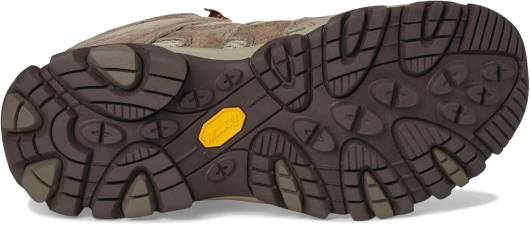
The outsole is Vibram TC5+ rubber. Grip-wise, Vibram is usually a safe bet, and here it feels consistent on dirt, rocks, and wet grass. The lugs are medium depth: aggressive enough for most trails but not so huge that they feel weird on pavement. In short, materials feel like solid mid-range hiking gear: nothing super premium, but not cheap either. For the price bracket these sit in, I think the build and materials match expectations pretty well.
Durability: built to last a while, not forever
Durability is always hard to judge early, but between my use and what other users report, you can get a decent picture. After regular use on trails, mud, and some rocky sections, the upper on my pair is holding up well. The leather has a few cosmetic scuffs, but nothing that affects function. The mesh areas haven’t torn or frayed yet, which is usually the weak point on lighter boots. Stitching is still intact, no loose threads, and the toe cap is firmly attached.
The outsole wear is reasonable. I can see some light smoothing on the most used lugs, but nothing that changes grip yet. Vibram soles usually wear slower than cheaper rubber compounds, and this feels in line with that. If you use them mostly on trails and not as your daily city shoes, I’d expect them to last quite a few seasons. If you wear them every day on concrete, you’ll obviously eat through the lugs faster.
Inside, the insole has compressed a bit under the heel, which is normal. It hasn’t gone totally flat, but if you’re picky about cushioning, you might eventually replace it with an aftermarket insole. The lining shows no holes or major pilling so far. The waterproofing is still holding; I haven’t noticed any leaks yet. With time, like all waterproof boots, they’ll probably need some care (cleaning, maybe a bit of waterproofing spray on the leather) to keep performing well.
From what I’ve seen and read, this isn’t a boot you’ll hand down to your grandkids, but it’s also not something that falls apart after one season. I’d say pretty solid durability for the price and weight. If you’re hiking a few times a month and using them as your go-to outdoor boot, you should get good use out of them before they start to feel tired. Heavy daily abuse will wear them down faster, but that’s true of almost any boot in this category.
Performance on the trail: waterproofing, grip, and support
In actual use, these behave like a competent, no-drama hiking boot. On wet ground, the waterproof membrane does its job as long as the water doesn’t go over the ankle. I walked through wet grass, shallow puddles, and light rain, and my feet stayed dry. In steady rain for a few hours, they still held up. As usual with this kind of membrane, if you’re sweating a lot, the limiting factor becomes your own sweat, not outside water. So yes, they’re waterproof, but not magic coolers for your feet.
Grip from the Vibram TC5+ sole is solid. On dirt, gravel, and forest trails with roots and rocks, I felt secure. Wet rocks are always tricky, but these handled them about as well as any mid-range Vibram sole I’ve used. I didn’t experience any scary slips, even on damp wooden bridges and muddy patches. The tread pattern sheds mud reasonably well; it doesn’t turn into a big slick block as soon as you hit wet clay, although nothing short of aggressive mountain boots will fully solve that.
Support-wise, they sit in the middle. The midsole and nylon shank give enough structure for day hikes with a light to medium pack. My arches felt supported enough, and my ankles didn’t feel wobbly. But if you’re carrying heavy loads or have very unstable ankles, you might want something stiffer and higher. These are more "hike all day comfortably" than "haul 50 pounds for a week in the mountains". For most casual and intermediate hikers, they’re in the right zone.
On the downside, breathability is just okay. On hot days, my socks came out damp from sweat, not from leaks. That’s the usual trade-off with waterproof boots. Also, on very rocky terrain with sharp stones, you do feel some pressure underfoot after a while; the cushioning is good, but not as protective as a heavy-duty backpacking boot. Overall, though, for typical mixed terrain, all-weather day hikes, and general outdoor use, the performance is more than adequate.
What you actually get with the Moab 3 Mid Waterproof
The Moab 3 Mid Waterproof is a mid-height hiking boot with a waterproof membrane, pigskin leather and mesh upper, and a Vibram TC5+ rubber sole. On paper, it’s the classic recipe: mid-cut for some ankle coverage, EVA foam midsole for cushioning, and a removable insole with a bit of extra support in the heel. The pair I have in size 8 weighs about what you’d expect – noticeably lighter than full leather backpacking boots, heavier than trail runners. You feel you’re in boots, but you don’t feel weighed down.
The Bungee Cord color is basically a brown/earth tone mix with some neutral accents. It’s practical and hides dirt pretty well. If you like loud colors, this won’t excite you, but if you’re fine with something that goes with any hiking pants and doesn’t look ridiculous in town, it’s fine. The overall style is very “Merrell Moab”: if you’ve seen one, you’ve pretty much seen this one. Nothing fancy, but at least you know what you’re getting.
In terms of construction, you get a few useful details: a bellows tongue that actually helps keep out pebbles and dust, a toe cap that gives decent protection when you kick a rock (which I do more often than I’d like to admit), and recycled laces and lining. The eco angle is a nice bonus, but I mainly care that the laces don’t slip and the lining doesn’t feel plasticky. So far, both are fine. The heel has Merrell’s Air Cushion thing, which is basically a bit of extra padding to absorb shock. On hard ground, you can feel that the heel area is a bit more forgiving.
Overall, the presentation matches the product page: mid-cut, waterproof, light-to-medium duty hiking boot. No surprises, no hidden gimmicks. If you’ve worn casual hiking boots from big brands before, this fits right into that category. The real interest is not in the features list but in how it feels over a few weeks of use, which I’ll get into below.
Pros
- Very comfortable out of the box with minimal break-in needed
- Waterproofing and Vibram grip work well on wet, mixed terrain
- Light for a mid boot and versatile enough for daily use and day hikes
Cons
- Breathability is only average; feet get warm in hot weather
- Ankle support and underfoot protection are moderate, not ideal for heavy loads or very rocky terrain
Conclusion
Editor's rating
If you want a hiking boot you can pull out of the box and actually walk in for hours without destroying your feet, the Merrell Women’s Moab 3 Mid Waterproof is a good bet. It’s comfortable, reasonably light, grippy, and properly waterproof for normal use. The fit is forgiving enough for slightly wider forefeet, the insole has decent support for flat or neutral arches, and there’s no painful break-in period. For everyday hikes, dog walks, travel to wet places, and general outdoor use, it just works.
It’s not perfect. The look is a bit bland, breathability is only average because of the waterproof membrane, and the ankle support is moderate rather than rock-solid. If you’re hauling heavy loads on rough, technical terrain or you live somewhere very hot, there are better options, either stiffer boots or more breathable trail shoes. But for most people who hike on mixed trails a few times a month and want one boot that can handle mud, rain, light snow, and some city wear, this is a sensible choice.
So who should get it? Hikers who value comfort, reliability, and low-fuss gear will be happy with these. Who should skip it? Ultralight fans who hate mids, serious backpackers carrying heavy packs, and people who mainly walk on hot city streets. For everyone in the middle, it’s a pretty solid workhorse boot that gets the job done without drama.