
Summary
Editor's rating
Value: not cheap, but you do feel where the money goes
Looks like a classic boot, behaves more like a modern hiker
Comfort: closer to a sneaker than a stiff hiking boot
Suede, Vibram, and a waterproof membrane: solid combo with a few trade-offs
Durability: feels solid, but time will really tell
Trail performance: strong grip and good support for day hikes
What you actually get with the Mountain 600
Pros
- Very comfortable out of the box with cushioned midsole and Ortholite footbed
- Vibram Megagrip outsole provides strong traction on wet and dry surfaces
- Waterproof membrane keeps feet dry in rain, puddles, and wet grass
Cons
- Runs warm due to waterproof membrane, not ideal for hot climates
- Price is on the higher side compared to some competing hiking boots

Specifications
View full product page →| Brand | Danner |
Trail boots that actually feel light on your feet
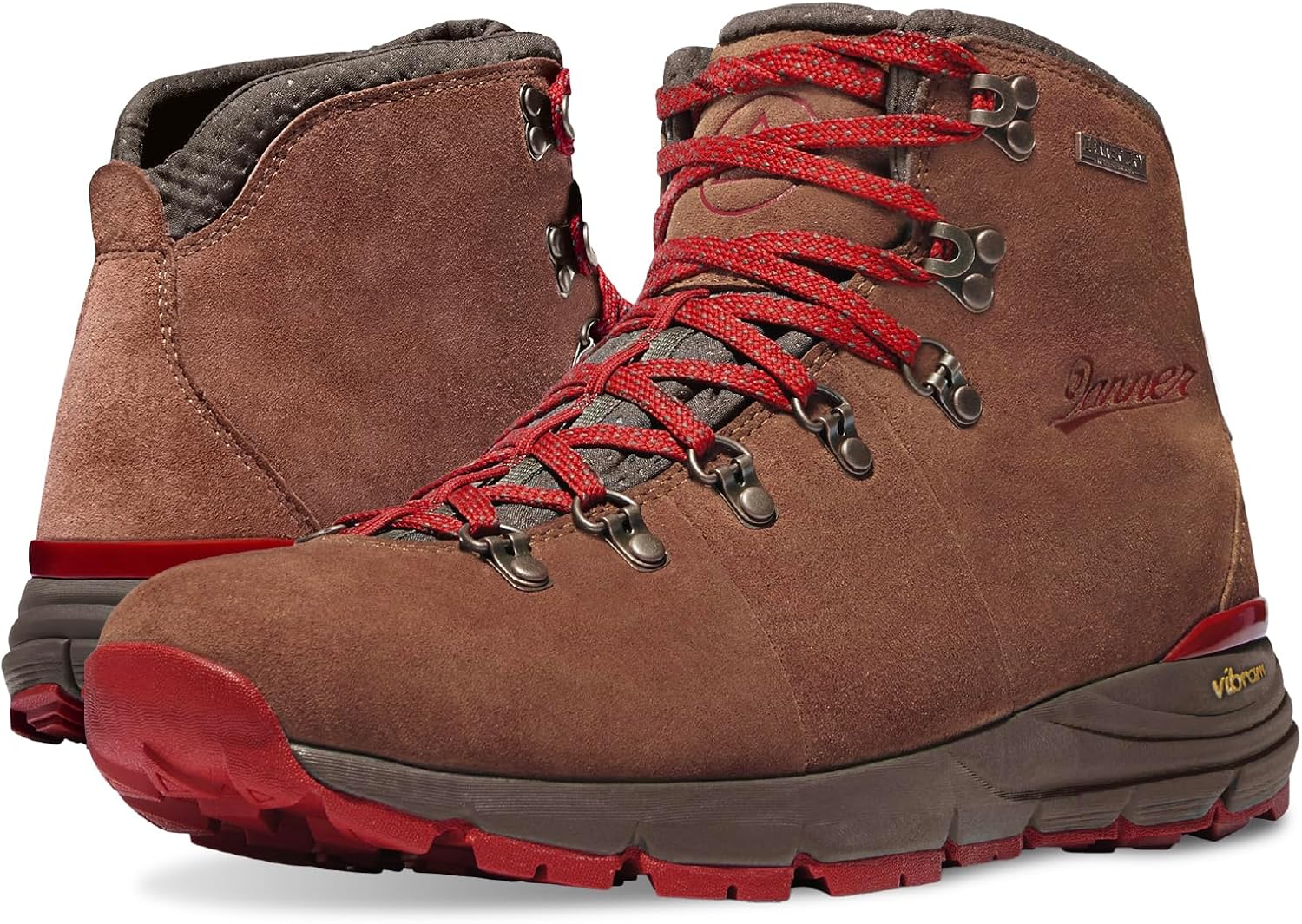
I’ve been wearing the Danner Mountain 600 Waterproof Hiking Boots (men’s, brown/red, size 11) for a few weeks now on mixed use: daily walks, a couple of muddy hikes, and just running errands. I’m not a mountaineer, just someone who hikes on weekends and wanted one pair that could handle rain, roots, and city sidewalks without killing my feet. These boots are often hyped online, so I went in a bit skeptical, especially at this price.
Right out of the box, the first thing that struck me was the weight. For a leather hiking boot, they’re pretty light. Not trail-runner light, but lighter than most classic leather hikers I’ve owned. They look like a traditional boot but sit on a chunkier, more cushioned sole that feels closer to a sneaker. No break-in horror story here: after the first long walk (about 6–7 miles), I didn’t get blisters, just a bit of mild pressure on the top of the foot that faded after a couple more outings.
My main use has been on wet sidewalks, gravel paths, and a couple of muddy forest trails with some steep, slippery sections. That’s where the Vibram sole and waterproofing really get tested. In practice, traction is solid, especially on wet rock and wet wooden bridges. I’ve had boots where you’re basically skating on wet roots; these gave me a lot more confidence on downhills. I still slipped a bit on thick mud, but nothing crazy—that happens with most boots.
Overall, my first impression is that these are comfort-first hiking boots that still feel serious enough for real trails. They’re not perfect—price is on the high side and they run a bit warm—but they do a lot right. If you want a tank of a boot for heavy backpacking, they’re probably not it. If you want something you can wear all day, from town to trail, they start to make sense.
Value: not cheap, but you do feel where the money goes
Let’s talk about the price, because it’s not a budget boot. The Danner Mountain 600 sits in that mid-to-high range where you start asking yourself, “Am I paying for the name or for actual performance?” After using them for a while, I’d say you’re paying for a mix of comfort, brand, and versatility. Compared to cheaper hiking boots I’ve owned, the difference in comfort and grip is clear. My feet are less tired after long days, and I trust the traction more on wet surfaces.
That said, there are competitors in the same price bracket—Salomon, Merrell’s higher-end models, Scarpa, etc.—that offer similar performance. Where the Mountain 600 stands out is the blend of comfort + style. You can wear them as everyday boots without looking like you’re on an expedition, and then hit a trail right after. If you’re the kind of person who wants one pair that covers commuting, dog walks, and weekend hikes, the value starts to make more sense because you’re not buying separate “city” and “trail” shoes.
If you only hike occasionally and mostly stick to dry, easy trails, you could absolutely get away with a cheaper boot or even a trail runner and save money. In that case, the Mountain 600 is probably overkill. On the flip side, if you’re planning multi-day backpacking trips with heavy loads, you might want a more supportive and durable boot for roughly the same money, even if you lose some of the sneaker-like comfort.
For my own use—regular day hikes, lots of wet weather, and wanting a boot that I can wear with jeans—the price feels high but acceptable. I wouldn’t call it a bargain, but it’s good value if you actually use the comfort and waterproofing often. If they hold up well over a couple of years, then I’ll feel like I got my money’s worth. If they start leaking or falling apart early, then not so much. So far, they’re on the “worth it” side of the line.
Looks like a classic boot, behaves more like a modern hiker
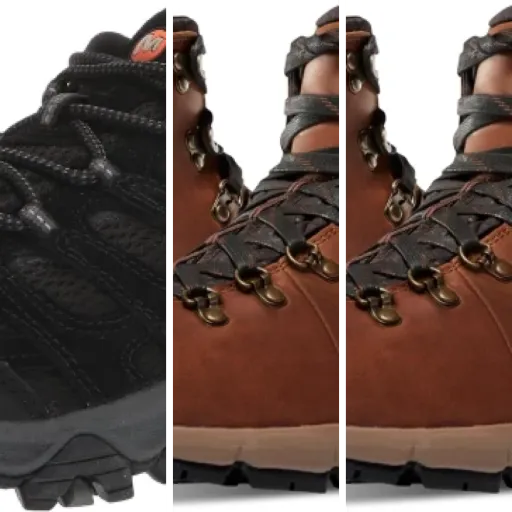
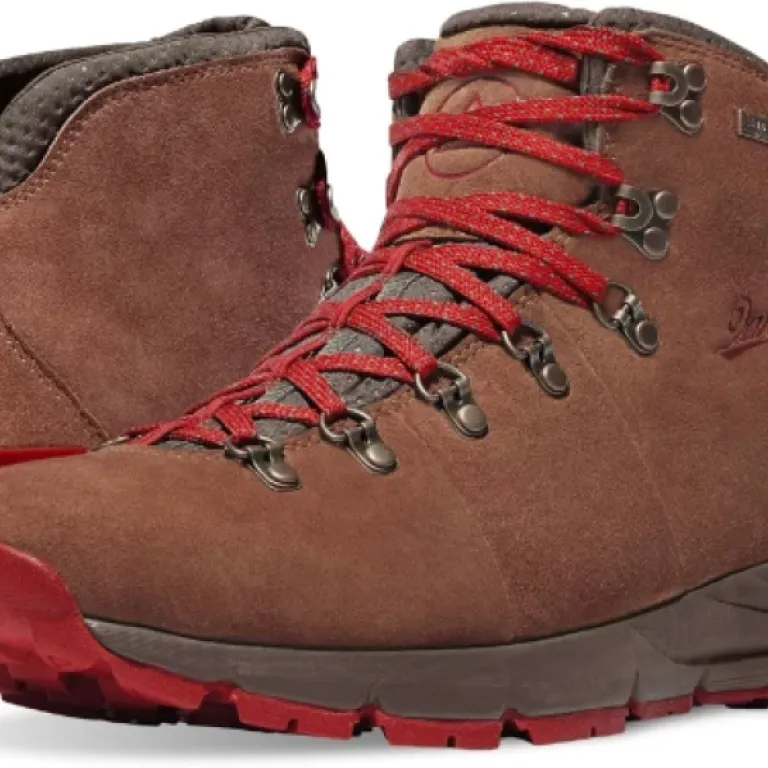
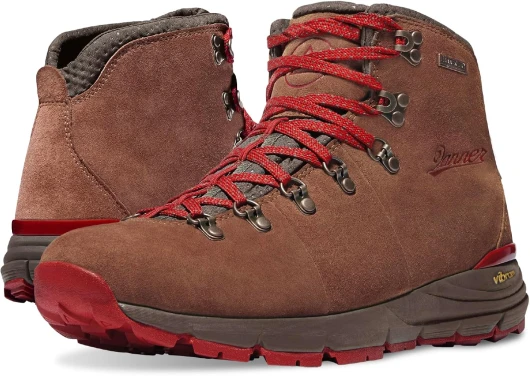
Design-wise, the Mountain 600 sits in a sweet spot between outdoorsy and everyday. The brown suede with the red laces has that classic mountaineering look, but the shape and sole are clearly more modern. The toe isn’t overly bulky, and the profile is low enough that you don’t feel like you’re wearing clunky work boots. I’ve worn them with jeans around town and they don’t scream “I just came off a trail,” which I like. If you want a boot that can go from office casual to muddy path, this one fits that bill pretty well.
The lacing system is straightforward: regular eyelets down low and metal hooks up top. I found it easy to dial in the tightness, especially around the ankle. The 5.25-inch shaft gives decent ankle coverage without feeling like a ski boot. You can cinch them in for more support on uneven ground or leave them a bit loose for walking around town. The tongue is gusseted high enough to keep out water from shallow puddles and wet grass, which is handy when you step somewhere you shouldn’t.
One thing I noticed is that the padding around the ankle and tongue is quite generous. That helps comfort, but it does add a slightly bulkier look around the top. If you’re used to very slim leather boots, these will feel more chunky. The red laces stand out a lot; I ended up swapping to the brown laces for everyday wear and keeping the red ones for trail days. Nice that they include both instead of making you buy extra.
Overall, I’d say the design is practical and versatile, not flashy. It’s not a fashion boot pretending to be a hiker, and it’s not a full technical boot that looks out of place in the city. It lands in the middle, and that’s probably why a lot of people like it. If you hate the heritage look and want something very sporty and modern, this might feel a bit old-school. But if you like that classic hiker vibe without the brick weight, the design does the job.
Comfort: closer to a sneaker than a stiff hiking boot
Comfort is where these boots stand out the most for me. I wore them straight out of the box for a 6–7 mile walk—part pavement, part gravel, part muddy trail. Normally that’s a recipe for hot spots with new boots, but here I had no blisters at all. The only thing I noticed was a bit of pressure over the top of my foot the first day, which eased up after two more outings. So break-in is minimal compared to older, stiffer leather boots I’ve owned.
The cushioning is noticeably soft underfoot, but not in a cheap, squishy way. The combination of the SPE midsole and Ortholite insole gives a kind of rolling, padded feel when you walk. On hard surfaces like concrete, that’s a big plus—your knees and back will thank you. On trails with rocks and roots, there’s enough protection that you don’t feel every sharp point through the sole. It’s not as rock-solid as a heavy backpacking boot, but for day hikes and light loads, it’s more than enough.
Fit-wise, in my usual size 11, the length is spot on. The toe box isn’t ultra-wide, but I didn’t feel squeezed. I could wear medium-weight hiking socks without feeling cramped. If you have very wide feet, you might want to look for the wide version or size up half a size, but for my average-width feet, it was fine. The heel lock is good too—I didn’t get heel slip going uphill or downhill, which is often where blisters start.
The only downside comfort-wise is heat. Because of the waterproof membrane and the padded upper, these run warmer than non-waterproof hiking shoes. On a cool, damp day they’re perfect; on a hot sunny day, my feet got sweaty after a few hours. So they’re ideal for spring, fall, and mild summers, less ideal for very hot climates. Overall though, if you want a boot that you can actually wear all day without thinking about your feet, these do the job very well.
Suede, Vibram, and a waterproof membrane: solid combo with a few trade-offs
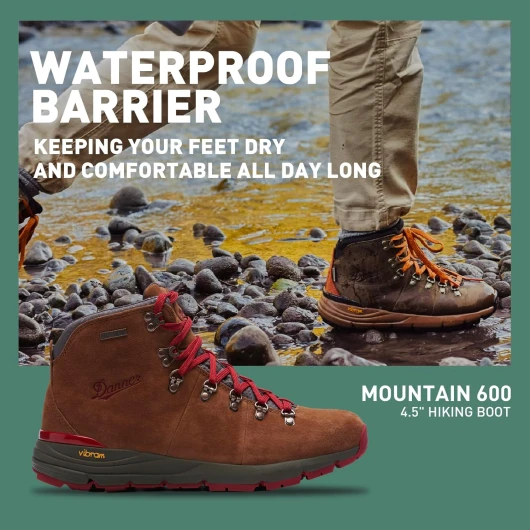
The upper on my pair is smooth waterproof suede. It feels thick enough to inspire some confidence but not as stiff as full-grain leather. Compared to full-grain boots I’ve owned, the suede here breaks in faster and is more forgiving right away, but obviously won’t be as armored against serious abuse like sharp rocks or heavy brush. After several wet walks and a couple of mud sessions, the suede still looks good, just needed a basic brush and wipe-down. If you treat it with a suede protector now and then, I can see it holding up fine for normal hiking and daily use.
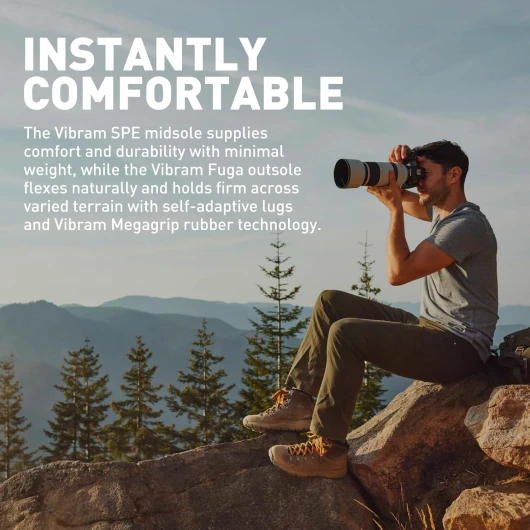
The midsole is Danner’s SPE, which is basically a rubberized EVA. In practice it feels more supportive and bouncy than plain EVA in cheaper boots. There’s a bit of spring to each step, especially on hard surfaces like pavement or rock. That, combined with the Ortholite footbed, is what makes these feel more like a sneaker than a traditional boot. The Ortholite insole itself is triple-density polyurethane and has that slightly spongy feel. It’s comfortable out of the box, but if you have very specific arch needs, you might still want to swap in your own insoles.
The outsole is Vibram Fuga with Megagrip. That’s the same compound used on a lot of higher-end hiking shoes and approach shoes. Grip has been very reliable on wet rock, wet wood, and loose gravel. The lugs are self-adapting, which in real life means they flex a bit and don’t clog up instantly with mud, though deep sticky mud will still cake them like any boot. The rubber feels neither too hard nor too soft; it hasn’t shown early wear after a few weeks, but obviously I’d need months or a year to really judge long-term durability.
The waterproofing comes from the Danner Dry membrane. It has kept my feet dry in puddles, wet grass, and steady rain. The trade-off is breathability: like most waterproof boots, your feet will get warm on long walks in hot weather. I wouldn’t pick these for summer desert hikes, but for damp, cool, or mixed conditions (think Pacific Northwest type weather), the materials make sense. Overall, the materials feel well chosen for comfort and grip, with a slight lean towards everyday versatility rather than hardcore expedition durability.
Durability: feels solid, but time will really tell
I haven’t had these long enough to talk about multi-year durability, but I can at least comment on how they’re holding up after several weeks of pretty regular use. I’ve worn them almost daily—short walks, errands, and a few longer hikes in wet and muddy conditions. So far, the suede hasn’t shown any serious scuffing or tearing. It gets dirty, as suede does, but a quick brush and wipe-down brought it back to looking decent. The stitching around the upper and sole still looks tight, no loose threads or gaps.
The outsole shows minimal wear after this period. The lugs are still sharp, and I don’t see any chunks missing or rounded edges yet. That lines up with what I expect from Vibram Megagrip: it’s sticky but not so soft that it melts away in a month. The midsole hasn’t packed out either; the cushioning still feels the same as on day one, which is a good sign. Cheaper EVA midsoles sometimes flatten fast, and I don’t see that happening here so far.
The potential long-term weak points, in my opinion, will be the suede and the waterproof membrane. Suede can get beat up if you drag it through rocks and rough brush constantly, and waterproof membranes eventually lose performance after lots of flexing and dirt. That’s true of Gore-Tex and similar membranes too, not just Danner Dry. If you mostly hike on maintained trails and treat the leather once in a while, I think these will last several seasons easily. If you’re bushwhacking and abusing them daily, you might want a burlier full-grain leather boot instead.
Overall, the build gives me confidence. They don’t feel cheap or flimsy in hand or on foot. I’d say durability seems solid for their intended use—day hiking, general outdoor wear, and casual use. Just don’t expect indestructible mountaineering-boot levels of toughness. For the price, I’d like them to last at least a few years of regular weekend hiking plus daily wear in bad weather, and based on the first few weeks, that seems realistic.
Trail performance: strong grip and good support for day hikes
On the trail, the Mountain 600 feels confident but not overbuilt. I’ve taken them on a couple of 8–10 mile hikes with 1,500–2,000 feet of elevation gain, plus plenty of shorter walks. The main thing that stands out is the traction. The Vibram Megagrip rubber really earns its keep on wet surfaces. I walked over wet roots, slick rocks by a creek, and damp wooden bridges, and they held on much better than some cheaper hiking shoes I’ve used. You can still slip if you do something dumb, but overall they inspire more trust on sketchy wet bits.
Support is decent for a mid-height boot. The ankle collar gives enough structure that you feel more secure than in low-cut shoes, especially on sidehills or uneven ground. The midsole has enough stiffness that your foot doesn’t fold over rocks, but it’s far from a rigid mountaineering platform. If you’re carrying a heavy multi-day backpack, you might want something stiffer and taller. For day hikes with a light to moderate pack, I had no issues with fatigue or sore arches.
Waterproof performance has been good so far. I’ve walked in steady rain, crossed shallow streams using rocks, and stood in wet grass for longer than I wanted. No leaks, no damp socks. Where you do pay the price is breathability—on warmer days, my socks were sweaty by the end, even though no outside water got in. So they’re great for wet and cool climates, less ideal if your trails are dry and hot most of the year.
In terms of overall performance, I’d say these are excellent for day hikes, dog walks in nasty weather, and general outdoor use. They handle mixed terrain well, grip nicely, and remain comfortable for many hours. They are not meant as a hardcore alpine or winter boot; there’s no serious insulation, and the structure isn’t built for crampons or very heavy loads. But for how most people actually hike—trails, mud, wet rocks—they perform very well.
What you actually get with the Mountain 600
On paper, the Danner Mountain 600 sounds like a modern twist on an old-school hiking boot. You get a waterproof suede upper (in my case, the brown with red laces), a Vibram SPE midsole, and a Vibram Fuga outsole with Megagrip. There’s also a triple-density Ortholite footbed inside. Shaft height is around 5.25 inches, so it’s a mid-height boot, not a low-cut shoe and not a full-on high alpine boot either. The pair in size 11 feels relatively light for leather, and that tracks with the listed weight of around 1.2 pounds per boot.
Out of the box, you get two sets of laces: the red ones you see in most photos, and a more low-key brown pair. It’s a small thing, but handy if you want to tone them down for daily wear. The overall vibe is what Danner calls “Performance Heritage,” which basically means it looks like a classic boot but uses lighter, more cushioned materials. So if you’re expecting a heavy, rigid backpacking boot, this isn’t that. It’s more like a beefed-up hiking sneaker in a leather shell.
The waterproofing is handled by Danner Dry, which is their in-house membrane. It’s 100% waterproof on paper while still letting moisture escape. In practice, that means you can step in puddles and wet grass without soaking your socks, but it will run warmer than a non-waterproof boot. The boot is imported, not US-made, which might matter to some people who associate Danner with their American-made lines. Personally, I care more about build quality than origin, but it’s worth noting at this price point.
So in simple terms: you’re paying for a comfortable, waterproof mid-height boot with a grippy Vibram sole and a more casual look than a full technical hiker. It’s aimed at people who want one pair to do a bit of everything—day hikes, city wear, light backpacking—without carrying bricks on their feet. Whether it’s worth the money depends on how much you value comfort and style versus raw durability and support.
Pros
- Very comfortable out of the box with cushioned midsole and Ortholite footbed
- Vibram Megagrip outsole provides strong traction on wet and dry surfaces
- Waterproof membrane keeps feet dry in rain, puddles, and wet grass
Cons
- Runs warm due to waterproof membrane, not ideal for hot climates
- Price is on the higher side compared to some competing hiking boots
Conclusion
Editor's rating
Overall, the Danner Mountain 600 Waterproof Hiking Boots are a very comfortable, versatile option if you want one pair that can handle both everyday wear and real trails. The big selling points for me are the comfort right out of the box, the reliable grip from the Vibram Megagrip sole, and the solid waterproofing. They feel more like cushioned sneakers wrapped in a hiking boot shell, which makes long days on your feet noticeably easier. For wet, mixed conditions—think rain, mud, wet roots—they do their job well and keep your feet dry.
They’re not perfect, though. They run warm because of the waterproof membrane, so they’re not ideal for hot climates or peak summer. They also sit in a higher price range, and you can find cheaper boots that will “work” if you only hike occasionally. If you’re a heavy backpacker with big loads or you want a super-rugged full-grain leather boot that can take years of abuse, this isn’t that type of boot either. It’s more of a comfort-focused day hiker and everyday boot.
I’d recommend these to people who hike regularly on varied terrain, especially in wetter climates, and want something they can comfortably wear all day on and off the trail. If you just need a boot for the odd dry hike, or you want maximum ankle and load support for serious expeditions, you should probably look elsewhere. For most casual to intermediate hikers who care about comfort and traction, the Mountain 600 is a pretty solid choice.