
Summary
Editor's rating
Value: fair price if you prioritize comfort and slip resistance over a safety toe
Design: classic Timberland look, work-boot function
Comfort: easy break-in and good for long shifts
Materials: waterproof leather and a grippy TPU sole that feels built for work
Durability: built to last a while, but time will tell
Performance on the job: great grip, decent waterproofing, limited protection
What you actually get with this Timberland PRO boot
Pros
- Very comfortable out of the box with minimal break-in needed
- MaxTRAX slip-resistant outsole grips well on wet and slightly oily surfaces
- Waterproof leather and seam-sealed construction keep feet dry in normal wet conditions
Cons
- Soft toe only, no safety toe cap, not suitable for jobs with high impact or crush risks
- Wheat nubuck shows dirt and scuffs quickly on real job sites
- Insulation can feel a bit warm in hot indoor environments

Specifications
View full product page →| Brand | Timberland PRO |
Work boots that feel more like everyday shoes
I’ve been wearing the Timberland PRO 6IN Direct Attach Soft Toe MaxTRAX boots (size 10.5, Wheat Nubuck) for a few weeks on job sites and just running errands, and I’ll be straight: these feel more like comfy everyday boots than hardcore safety boots. They’re soft toe, no cap, so if your job requires a safety toe, these are simply not the right pair. But if your employer only asks for slip resistance and EH rating, they start to make a lot more sense.
The first thing I noticed when I put them on was the comfort. No brutal break-in, no heel blisters on day one. Compared to cheaper work boots I’ve had from big-box stores, these felt broken in right out of the box. I was on my feet for 8–9 hours the first day and my feet were tired, sure, but not screaming like they usually are in brand-new boots.
Another point: they look like the classic wheat Timberlands most people know. So you can go from job site to grabbing a beer without looking like you’re wearing clunky safety gear. That’s a plus if you don’t want to haul an extra pair of shoes around. Just don’t forget it’s soft toe only – they look like work boots, but they’re not going to save you from a dropped steel beam.
Overall, my first impression is: pretty solid comfort, good grip, decent waterproofing for everyday job use, but not a heavy-duty construction boot with a toe cap. If you know what you’re buying them for, they do the job. If you expect full safety boot protection, you’ll be disappointed and that’s on the product description, not on the boot itself.
Value: fair price if you prioritize comfort and slip resistance over a safety toe
In terms of value for money, these sit in that mid-range work boot territory. They’re not bargain-bin cheap, but they’re also not at the top of the price scale. For what you pay, you get a recognizable brand, decent materials, waterproofing, insulation, and a very good slip-resistant sole. If you’re on your feet all day in wet or slick environments and don’t need a safety toe, the comfort plus grip combo makes the price easier to swallow.
Compared to cheaper no-name work boots I’ve bought before, the difference in comfort and build is obvious. Those cheaper boots usually feel stiff, the soles wear down fast, and waterproofing fails after a few months. With these Timberland PRO boots, you’re paying extra for better cushioning, proper waterproof construction, and a sole that’s actually tested for slip resistance. If you’re clocking 40+ hours a week in them, that upgrade is worth it in my opinion.
On the downside, you can find safety toe boots around the same price if you shop around, especially on sale. So if you can get a steel or composite toe with similar comfort for the same money, it makes these look a bit less attractive from a pure protection standpoint. The value here really depends on your needs: if soft toe is allowed and you care more about comfort and lighter weight, they’re a good deal. If your job is rough and you want maximum protection per dollar, I’d look at safety toe models first.
Overall, I’d say the value is good but not mind-blowing. You’re paying for a trusted brand, real slip resistance, and all-day comfort. If those three things matter to you, the price is justified. If you’re just looking for the cheapest boot to get through a short job, this might be more than you need.
Design: classic Timberland look, work-boot function
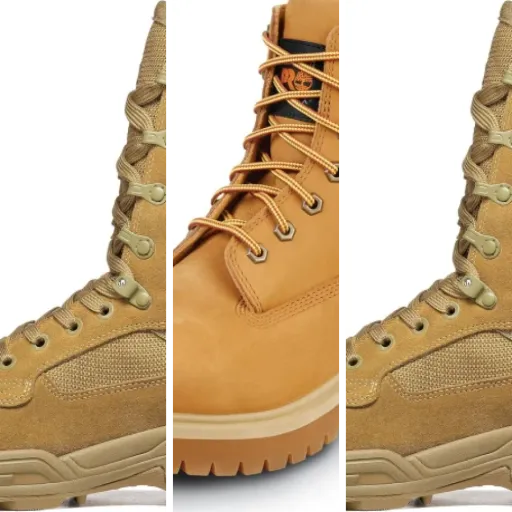
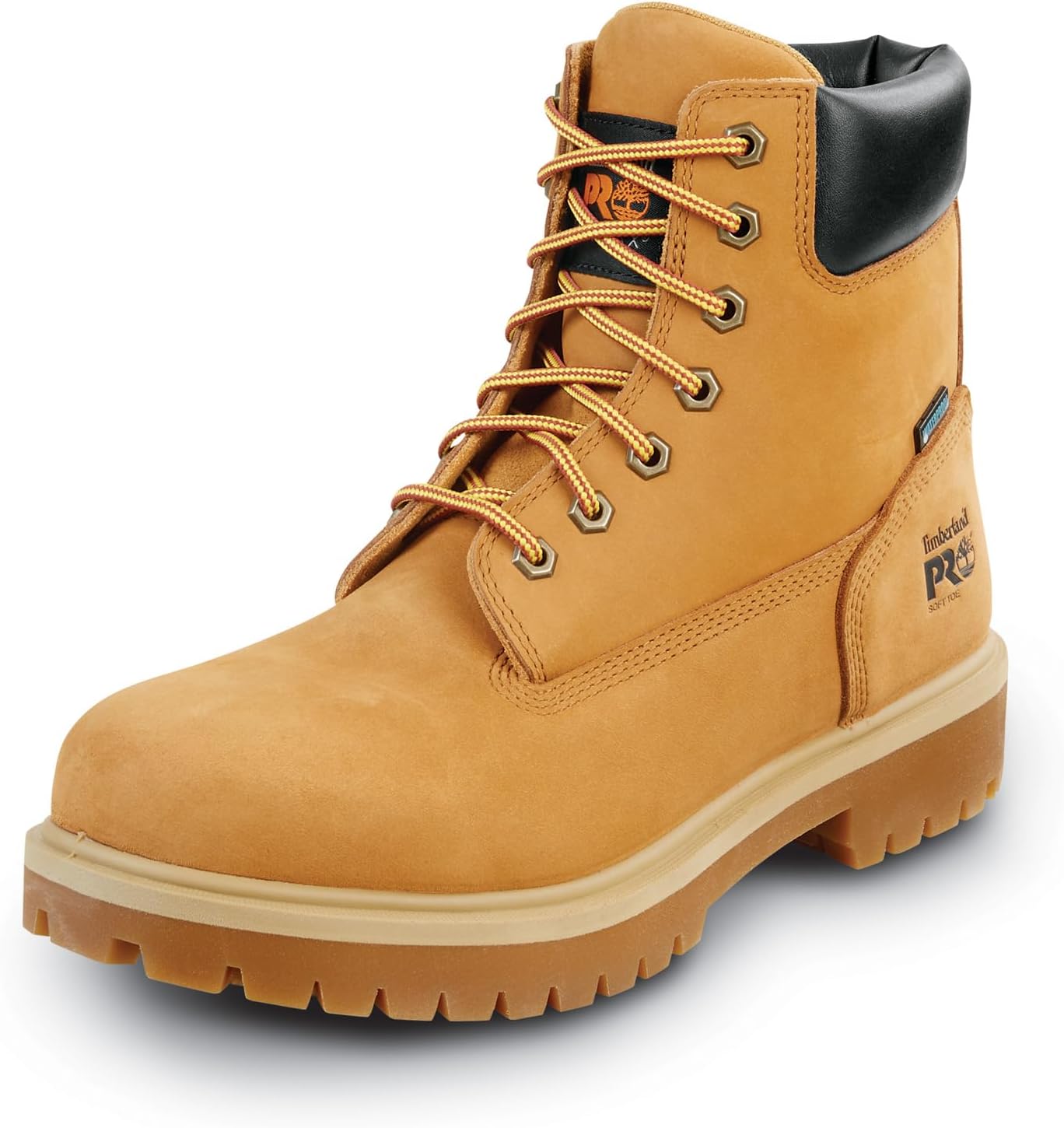
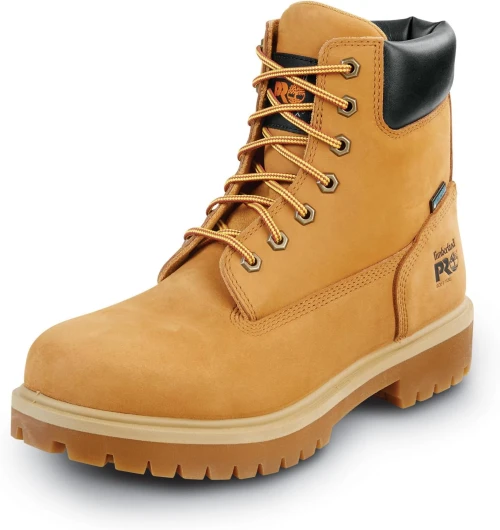
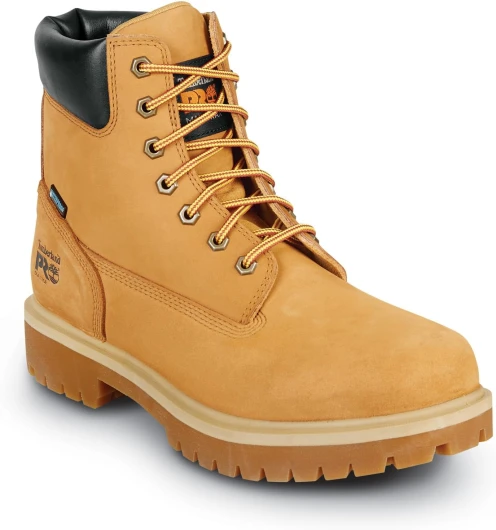
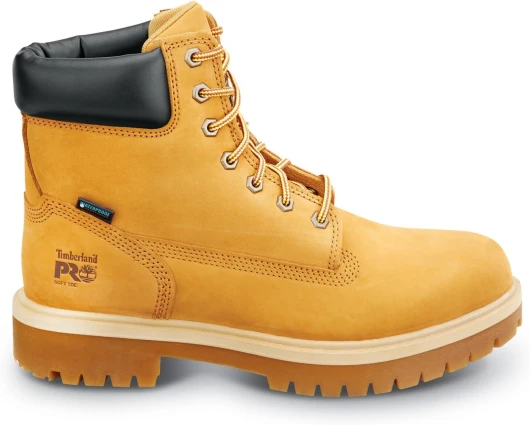
Design-wise, these are very much in the Timberland family. The wheat nubuck color is that familiar light tan everyone recognizes, and the overall shape is fairly clean – not super bulky like some safety boots. That’s nice if you want something that doesn’t scream “I just left a construction site” when you’re wearing them off the clock. The 6-inch height gives decent ankle coverage without feeling like you’re lacing up a military boot every morning.
One thing I appreciate is that the boot doesn’t have a lot of useless design fluff. The stitching is straightforward, the branding is there but not huge, and the lacing system uses standard eyelets and hooks that are easy to adjust. After a few days of use, the nubuck started to show creases and small scuffs, which is normal. If you want them to stay pretty, these aren’t the boots for that – they’re meant to be used and will show it. Personally, I like that “used” look on this kind of boot.
In terms of practicality, the shape of the toe box is fairly rounded and not too narrow. I have average-width feet and had enough space to wiggle my toes without feeling like my foot was sliding around. The heel is locked in well when laced properly, so you don’t get that annoying heel lift on ladders or stairs. The tread pattern is clearly designed for grip: lots of small lugs and channels that push water and oil aside. It’s not a fashion sole – it’s there to keep you on your feet on slick surfaces.
If I had to nitpick the design, I’d say the wheat nubuck looks great on day one but will show dirt quickly on actual job sites. A darker color would hide abuse better. Also, the boot looks like it should have a safety toe because of the overall style, which could be misleading if you’re not paying attention to the specs. But overall, the design is practical: classic look, functional sole, no weird gimmicks.
Comfort: easy break-in and good for long shifts
Comfort is probably the biggest selling point of these boots. Out of the box, they were wearable for a full day, which is rare for work boots. Usually, I expect at least a week of sore heels and rubbed ankles. With these, I wore them for about 9 hours on the first day – walking, standing, going up and down stairs – and while my feet were tired, I didn’t have hot spots or blisters. That’s already a win in my book.
The Timberland PRO 24/7 comfort system is basically cushioning plus some arch support. The insole is decent – not the best I’ve ever felt, but far from the flat cardboard you get in cheap boots. If you have very high arches or specific foot issues, you might still want your own insoles, but for regular feet, it’s fine. The PU midsole adds a bit of bounce and absorbs some of the impact when walking on hard concrete all day. Compared to a basic work boot with a stiff sole, my knees and lower back felt less beat up at the end of the day.
The fit in size 10.5 was true to size for me. I could wear regular work socks or slightly thicker wool socks without feeling cramped. The toe box has enough room so your toes don’t feel jammed on downhill walks or ladders, but it’s not so wide that your foot swims. The ankle padding is soft enough that it doesn’t dig in when you flex, which is something that annoys me with stiffer boots. Lacing is straightforward, and once you find your sweet spot, the boot holds the foot well.
In terms of temperature comfort, that 200g insulation works nicely for cool to moderately cold days. In mild weather, my feet stayed comfortable, not sweaty. On warmer days, you do feel the insulation a bit, but the breathable lining helps. If you work in hot indoor environments all day, you might find them a bit warm. Overall, I’d say these boots are built more for comfort than for maximum protection, and they do that job well. Not perfect, but definitely above average for work boots in this category.
Materials: waterproof leather and a grippy TPU sole that feels built for work
The main materials here are a waterproof leather upper, a PU midsole, and a Thermoplastic Polyurethane (TPU) outsole with the MaxTRAX tread. The leather is nubuck, so it has that slightly velvety feel, but it’s not fragile like some fashion nubuck. It handled dirt, light mud, and some splashes without falling apart. I did a quick wipe-down at the end of the day and it cleaned up reasonably well. After a few weeks, it has the usual scuffs and marks, but nothing that looks like early failure.
The waterproofing is seam-sealed, and in practice it held up fine in wet grass, puddles, and some light rain. I wouldn’t stand in ankle-deep water for an hour and expect totally dry socks, but for normal wet conditions on a job site or walking around town, it did what it’s supposed to do. The lining is breathable and moisture-wicking, which just means sweat doesn’t sit there as much. On long days, my socks were damp but not soaked, which is about what I expect from a waterproof leather boot.
The PU midsole is there for cushioning and to keep the weight reasonable. These are lighter than a lot of steel toe boots I’ve worn, which is logical since there’s no metal toe cap. The TPU outsole feels tough – it doesn’t have that soft, gummy feel that wears down fast on concrete. After walking on asphalt, concrete, and some gravel, the lugs still looked sharp. The oil and abrasion resistance is hard to measure precisely, but I did step in some oily spots in a shop and didn’t see the sole degrade or get slick over time.
Inside, the insulation is 200g Thermolite. That’s a moderate level, good for chilly mornings and mild winter days, but if you’re in deep snow for hours, you’ll want thicker socks or a heavier boot. The odor-control lining is a nice bonus; after multiple days of wear, the boots didn’t stink as badly as some others I own. Overall, the materials feel like they match the price: not luxury, not cheap, just solid and work-focused.
Durability: built to last a while, but time will tell
Durability is always a bit tricky to judge without a full year of abuse, but there are some early signs. The direct-attach construction usually holds up better than cheap glued soles, and so far the bond between the sole and the leather looks solid. No separation, no weird gaps forming after bending the boot a lot. The stitching around stress points – especially near the toe flex area and heel – still looks tight after a few weeks of daily use.
The TPU outsole is another good sign. It’s harder than regular rubber, which means it should wear slower on rough surfaces like concrete and asphalt. After walking and working on those surfaces, the lugs still look sharp and not chewed down. I don’t see any chunks tearing off, which is something I’ve had with softer soles. The oil and abrasion resistance should help them last longer in shops or garages where the floor is a mess.
The leather upper is holding up decently. Nubuck will always show scratches and stains faster than smooth leather, especially in the wheat color. That’s cosmetic, not structural. I haven’t seen any cracking or deep creasing that looks like it will split soon. Keeping them cleaned and maybe hitting them with a waterproofing spray once in a while should extend their life. The laces and eyelets also feel sturdy; no fraying laces or bent hooks yet.
Based on my experience with similar Timberland PRO boots, you can usually expect at least a solid year or two of regular work use, more if you rotate with another pair and don’t absolutely trash them. They’re not indestructible, and there are heavier, more rugged boots out there if you abuse your gear daily. But for the price and the comfort level, the durability seems fair. I’d call it: pretty solid, as long as you treat them like work boots, not bulldozers.
Performance on the job: great grip, decent waterproofing, limited protection
On actual job use, the biggest performance highlight is the slip resistance. The MaxTRAX outsole grips really well on wet concrete and slightly oily floors. I tested them in a workshop where there are always small oil spots and dust on the ground, and I felt noticeably more secure than in my old generic work boots. No surprise slides when turning quickly or stepping on a damp patch, which is honestly one of the main reasons to buy this model.
Waterproofing also does its job. I walked through wet grass, shallow puddles, and light rain, and my feet stayed dry. The seam-sealed construction helps here; I didn’t feel any slow seepage from the sides like I sometimes do with cheaper boots. If you’re in and out of wet areas during the day, these are fine. If you’re standing in water or heavy slush for hours, you’ll eventually hit the limits, but that’s normal for this style of boot.
Where performance is more limited is in impact protection. This is a soft toe boot with no safety toe cap. That means if you drop a heavy tool, a brick, or anything serious on your toes, you’re relying on leather and padding only. For some jobs – warehouse, maintenance, light construction where toe hazards are low – that’s acceptable and even more comfortable. For heavy-duty construction, I wouldn’t risk it. This isn’t a flaw; it’s just the design choice. You need to know your work environment and safety requirements.
As for all-day fatigue, the combination of cushioning and lighter weight (no steel toe) really helps. After back-to-back shifts, my legs and feet felt less hammered compared to my heavier safety boots. For people who walk a lot on the job and don’t absolutely need a hard toe, that’s a real performance benefit. Overall, I’d say: excellent grip, good waterproofing, solid comfort, but limited protection by design. If that trade-off fits your work, it performs well.
What you actually get with this Timberland PRO boot
On paper, this model is a 6-inch, soft toe, waterproof work boot with a slip-resistant TPU outsole and some insulation. In reality, it sits in that middle ground between a casual Timberland and a serious work boot. You get the classic wheat nubuck leather upper, lace-up closure, and about a 7.25-inch shaft, so it covers the ankle well. It’s rated ASTM F2892-24 EH SRO, which basically means it’s tested for electrical hazard and slip resistance, but again, no safety toe cap.
The boot uses direct-attach construction, so the upper is basically molded to the sole. That usually means fewer chances for water to sneak in around the midsole and fewer seams to fail. Timberland also pushes their PRO 24/7 comfort system, which in practice just means the insole and midsole are cushioned enough to reduce foot fatigue. There’s 200 grams of Thermolite insulation, which is light-to-medium warmth – good for cool to moderately cold days, not arctic-level cold.
Inside, the lining is breathable and has odor control, which sounds like a gimmick, but after long days my socks weren’t as swampy as with some cheaper boots I’ve worn. The outsole is non-marking, oil and abrasion resistant, with their MaxTRAX slip-resistant tread. The tread pattern is pretty aggressive, with smaller channels that grip wet and greasy floors better than flat rubber soles. It’s clearly built for service, warehouse, or light industrial work where floors can be slick.
In short, what you’re buying here is a comfortable, waterproof, soft toe work boot with solid grip and a classic Timberland look. You’re not getting a steel toe, composite toe, or ultra-rugged logger boot. If you match it to the right type of job – maintenance, warehouse, light construction, service work – the feature set makes sense. If you’re doing heavy demolition or anything with serious crush hazards, this is the wrong tool for the job.
Pros
- Very comfortable out of the box with minimal break-in needed
- MaxTRAX slip-resistant outsole grips well on wet and slightly oily surfaces
- Waterproof leather and seam-sealed construction keep feet dry in normal wet conditions
Cons
- Soft toe only, no safety toe cap, not suitable for jobs with high impact or crush risks
- Wheat nubuck shows dirt and scuffs quickly on real job sites
- Insulation can feel a bit warm in hot indoor environments
Conclusion
Editor's rating
After wearing the Timberland PRO 6IN Direct Attach Soft Toe MaxTRAX boots for a while, my conclusion is pretty straightforward: they’re comfortable, they grip well, and they handle wet conditions nicely, but they’re not heavy-duty safety boots. The soft toe design makes them lighter and easier on your feet during long shifts, and the MaxTRAX outsole does real work on slick floors. If you’re in maintenance, warehousing, light construction, or service jobs where a safety toe isn’t mandatory, they’re a solid option that can pull double duty as casual boots after work.
Where they fall short is for people who need serious protection or want the toughest possible boot for extreme abuse. There’s no steel or composite toe, and while the waterproof leather and TPU sole feel sturdy, this isn’t a hardcore logger or demolition boot. Also, the wheat nubuck looks good but shows dirt and wear quickly, which might bother you if you care about appearance. In the end, I’d recommend these to anyone who wants a comfortable, slip-resistant, waterproof work boot with a classic look and doesn’t need a safety toe. If your job has strict safety requirements or you regularly deal with heavy falling objects, skip this and get a safety toe model instead.