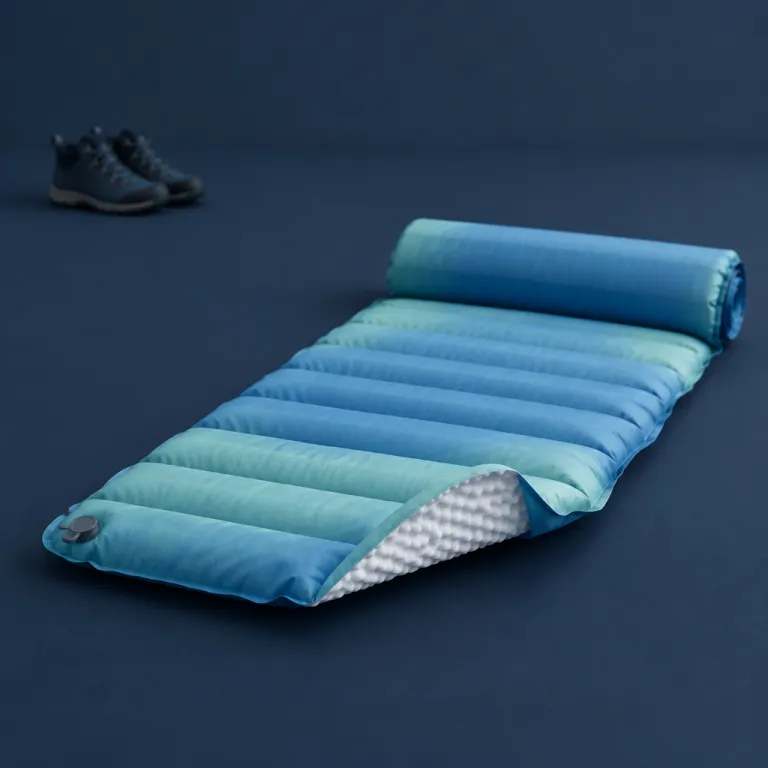
Why sleeping pad R-value matters more than the air temperature
When you lie down to sleep in camp, the ground is the real thief of warmth. Your body weight compresses the sleeping bag under you, killing loft and insulation so heat flows straight into the cold ground. That is why having the sleeping pad R-value explained clearly matters more for fall nights than obsessing over the air temperature alone.
R-value is a measure of resistance to heat loss, so higher values mean the pad slows the flow of heat from your body into the ground. In practical camping terms, a pad with an R-value of 1 feels fine on warm summer nights, while a pad around 3 to 4 handles typical three season backpacking sleeping conditions on forest duff or alpine meadows. Once you start feeling that unmistakable chill from cold ground seeping through your sleeping mat in shoulder season, you have learned the hard way that your insulation numbers were too low.
Think of your sleep system as a stack of barriers between your body and the ground, not just a sleeping bag wrapped around you. The bag temperature rating assumes you are using an appropriate pad, because the lab tests place the mannequin on a standardized insulating surface. If your sleeping pads are under spec for the conditions, even the best sleeping bag with a conservative bag temperature rating will not keep you truly warm.
How standardized R-value testing finally made numbers comparable
For years, comparing sleeping pad values across brands felt like guessing in the dark. One company’s “three season” air pad might feel colder than another brand’s budget foam pad, because each used different internal tests. With the modern standardized R-value test, sleeping pad R-value explained on packaging now means the same thing whether you buy from Therm-a-Rest, Big Agnes, or Sea to Summit.
The current test places the pad between a warm plate and a cold plate, then measures how much heat loss occurs through the pad over time. That controlled temperature difference and measured heat flow produce a single R-value, so higher numbers always mean better insulation against the cold ground. When you see air pads, self inflating pads, and closed cell foam pads all listed with R-values on the same scale, you can finally compare weight, warmth, and price without decoding marketing language.
This matters when you are choosing sleeping gear for a specific season or route, because you can match the pad’s temperature rating to your expected ground temperatures. If you are planning late fall car camping on frozen gravel, you might pair a high R-value air pad with a cheap closed cell foam pad underneath for redundancy. When you are dialing in a lighter backpacking sleeping setup for milder nights, you can confidently drop to a lower R-value pad and save weight without gambling blindly.
For shelter performance in wet shoulder seasons, pad choice also interacts with tent performance and site selection. If you are working on tent waterproofing and want a deeper dive into keeping the rest of your shelter dry, this detailed guide on how to achieve the ultimate tent waterproofing pairs well with understanding R-values. A dry floor plus the right insulation under your sleeping mat turns marginal weather into manageable weather.
Seasonal R-value targets for real fall and cold shoulder trips
Once you have the sleeping pad R-value explained in technical terms, you still need real numbers for real trips. For warm summer camping on soft forest ground, most hikers are comfortable with sleeping pads in the R 1 to 2 range, especially when night temperatures stay well above freezing. As soon as you plan for a fall season trip with frosty mornings and cold air pooling in valleys, you should treat R 3 as a baseline and aim higher.
For classic three season backpacking sleeping on mixed dirt, rock, and occasional snow patches, many experienced hikers settle on pads in the R 3 to 4.5 range. Cold sleepers, side sleepers, and anyone with low body fat often prefer R-values closer to 4.5, because their personal heat loss is higher and they compress more of the pad under hips and shoulders. When you expect true cold weather with frozen ground or snow camping, stacking a closed cell foam pad under a high R-value air pad to reach a combined R 5.5 to 7 turns a marginal sleep system into a safe one.
Remember that a warm pad can matter more than a warmer bag when the ground is truly cold. If you upgrade from a midrange sleeping bag to a premium cold weather sleeping bag but keep a thin summer pad, you still feel the cold ground stealing warmth all night. For a deeper look at how bag temperature ratings interact with pads in winter, this article on exploring the world of cold weather sleeping bags is a useful companion read.
Many thru hikers on routes like the PCT or CDT carry one pad for the entire season and adjust their sleep system with clothing layers. If you expect to cross high passes with lingering snow, err toward higher R-values and accept a small weight penalty for reliable warmth. The cost of one extra 150 grams in your pack is trivial compared with the cost of shivering through every night on cold ground above treeline.
Air pads, foam pads, and hybrids: warmth, weight, and failure modes
When you start comparing sleeping pads with the R-value explained, the construction type matters as much as the printed number. Air pads offer excellent comfort and pack down small, but they rely on internal baffles and reflective films for insulation, so a puncture can drop your R-value effectively to zero. Closed cell foam pads are bulkier and less plush, yet they provide reliable insulation even when abused on sharp rock or frozen ground.
High end air pads from brands like Therm-a-Rest, Big Agnes, and Sea to Summit now reach R-values above 5 while keeping weight under 600 grams, which is impressive for cold weather performance. These insulated air pads often use synthetic fill or reflective layers to slow heat loss, so they feel noticeably warmer than uninsulated air pads of similar thickness. Pairing one of these with a simple closed cell foam pad creates a sleep system that balances warmth, redundancy, and acceptable weight for serious backpacking sleeping in shoulder seasons.
Foam pads, especially classic closed cell foam designs, shine in durability and simplicity, though their R-values usually top out around 2 to 3. Many mountaineers and winter campers still carry a foam sleeping mat as a backup under an inflatable pad, because it protects the air pad from abrasion and adds a safety margin if the air pad fails. In truly cold weather, that foam layer also reduces convective heat loss inside the air pad by keeping the bottom surface slightly warmer.
Hybrid pads that combine foam cores with air chambers try to bridge the gap between comfort and reliability. They often weigh more than pure air pads but offer better insulation for the same thickness, which can be valuable when you are counting grams yet still need higher R-values. Whatever style you choose, treat the pad as a critical piece of insulation, not an accessory, because a failed pad on a cold night is a genuine safety issue rather than a minor inconvenience.
Stacking pads, dialing fit, and integrating boots into your cold ground strategy
One of the most effective tricks for fall and early winter camping is stacking pads to boost R-value. A thin closed cell foam pad under an insulated air pad can add 1 to 2 R-value points, while also protecting the inflatable from sharp debris and frozen ruts. This layered sleep system spreads your weight more evenly, reduces pressure points, and keeps more warm air trapped under your hips and shoulders.
When you are choosing sleeping gear for a specific trip, think about how your boots, socks, and camp routine interact with your pad and bag. If your hiking boots stay damp and you bring them into the tent, they radiate cold into the small air volume, which increases overall heat loss from your body and sleep system. Using a solid pair of field tested boots with good underfoot insulation, such as those reviewed in this detailed test of Meindl Dovre Extreme GTX Wide field boots, helps keep your feet warmer during the day so you do not climb into the sleeping bag already chilled.
Side sleepers compress more of the pad under their hips and shoulders, so they often need higher R-values than back sleepers for the same ground temperature. If you know you are a cold sleeper, treat the manufacturer’s temperature rating as optimistic and add at least one full R-value point to your target for fall conditions. For car camping, where weight is less critical, doubling up with a thick air pad on top of a dense foam sleeping mat turns a marginal three season setup into a genuinely warm platform for long, restorative sleep.
FAQ
What R-value sleeping pad do I need for fall backpacking?
For typical fall backpacking with night temperatures near freezing, most hikers should choose a sleeping pad with an R-value between 3 and 4.5. Cold sleepers or side sleepers often prefer pads closer to R 4.5, especially on rocky or compacted ground. If you expect snow patches or very cold ground, add a closed cell foam pad underneath to raise the combined R-value above 5.
Is a warmer sleeping pad more important than a warmer sleeping bag?
On cold ground, upgrading the sleeping pad often has a bigger impact on warmth than upgrading the sleeping bag. The compressed insulation under your body in the bag provides very little resistance to heat loss into the ground. A higher R-value pad restores that lost insulation and keeps more of your body heat where it belongs.
Can I stack two pads to increase R-value?
Yes, stacking pads is an effective way to increase total R-value and improve safety. The R-values of two pads are roughly additive, so an R 2 foam pad under an R 3 air pad gives you about R 5 overall. This approach is popular for cold weather trips because it also provides a backup if the inflatable pad fails.
How do air pads compare to foam pads for durability?
Foam pads, especially closed cell foam models, are generally more durable and puncture resistant than air pads. Air pads offer better comfort and pack smaller, but they can fail suddenly if punctured or if a seam delaminates. Many experienced hikers carry a thin foam pad as a backup under an air pad to balance comfort, warmth, and reliability.
Do R-values on sleeping pads from different brands really match now?
Modern sleeping pads from major brands now use a standardized R-value test, so their numbers are directly comparable. While construction differences can affect subjective comfort, an R 4 pad from one reputable brand should insulate similarly to an R 4 pad from another. This consistency lets you focus on fit, weight, and price once you have chosen the R-value range you need.