
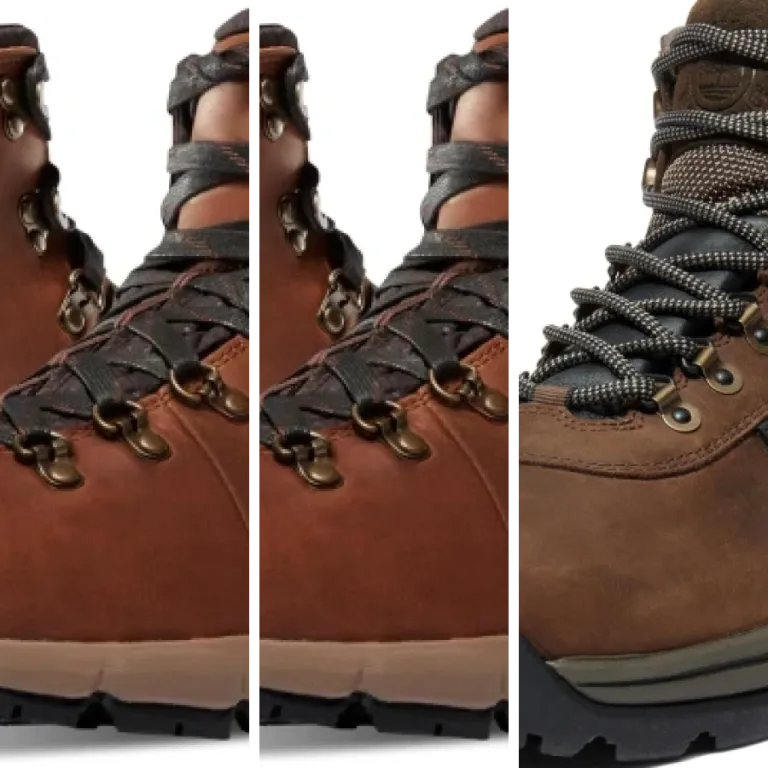
Why waterproof boots matter for outdoor enthusiasts
Staying Dry and Comfortable on the Trail
For outdoor enthusiasts, experienced hikers, and mountaineers, keeping feet dry is more than a comfort issue—it's a matter of safety and performance. Wet conditions can strike unexpectedly, whether you're crossing a shallow stream, hiking through morning dew, or facing sudden rain. Waterproof boots are designed to shield your feet from moisture, helping to prevent blisters, cold feet, and the discomfort that can ruin a day on the trail.
Choosing the best waterproof hiking boots means considering more than just the label. The right boot will keep water out while allowing sweat to escape, maintaining a dry and healthy environment for your feet. This balance is crucial for long treks, especially when carrying a heavy pack or navigating technical terrain. Whether you prefer lightweight hiking boots for fast ascents or more robust leather models for winter boots, the waterproof feature is a non-negotiable for many serious hikers.
- Durability: Quality waterproof boots, like the Lowa Renegade or Salomon Quest GTX, are built to withstand rough conditions and repeated exposure to wet environments.
- Support: Ankle boot designs and mid-height options offer stability, especially when trails get slippery.
- Versatility: From black leather boots for urban hikes to lightweight synthetic models for backcountry adventures, there are waterproof options for every style and need.
For women and men alike, finding the right fit and support is just as important as waterproofing. Many brands offer specific models for women, ensuring comfort and performance. Price can vary widely, but investing in a pair that matches your hiking style and climate pays off in the long run.
Don't overlook the importance of pairing your waterproof boots with the right socks. The right outdoor socks can make a significant difference in comfort and moisture management. For more on this, check out this guide on choosing the right outdoor socks for hiking boots.
In the following sections, we’ll explore which features set the best waterproof boots apart, how to compare technologies like Gore Tex, and tips for keeping your boots performing at their best. Whether you’re browsing Amazon for your next pair or reading a review on REI, understanding why waterproof boots matter is the first step to a safer, more enjoyable adventure.
Key features to look for in the best waterproof boots
Essential Qualities for Reliable Waterproof Boots
When searching for the best waterproof boots, outdoor enthusiasts and experienced hikers know that not all boots are created equal. The right pair can make the difference between a comfortable trek and a soggy, miserable experience. Here are the most important features to consider:- Waterproof Membrane: Look for boots with proven waterproofing technologies like Gore Tex, which keep your feet dry even in heavy rain or when crossing streams. Many top-rated hiking boots for men and women, such as the Salomon Quest GTX and Lowa Renegade, use these membranes to ensure reliable protection.
- Durability and Material: Leather boots are known for their long-lasting performance, but synthetic options can offer lightweight comfort. Reinforced stitching and quality construction are crucial for withstanding rough terrain and wet conditions.
- Support and Fit: Ankle support is vital, especially in mid or ankle boot designs. A secure fit helps prevent blisters and injuries on uneven ground. Boots like the Renegade Evo and Salomon Ultra are praised in many review articles for their supportive structure.
- Weight: Lightweight boots reduce fatigue on long hikes, but should not compromise on protection. Winter boots may be heavier for insulation, while hiking boots for summer or wet climates should balance weight and waterproofing.
- Traction: Outsoles with aggressive tread patterns help maintain grip on wet, muddy, or rocky surfaces. This is essential for safety during challenging hikes.
- Breathability: Waterproof hiking boots should also allow moisture to escape, keeping your feet dry from the inside. This is especially important for long-distance hikers and mountaineers.
- Price and Value: While the best boots often come at a higher price, investing in quality can save money in the long run by avoiding replacements. Many top brands are available on Amazon and REI, with options for every budget.
Quick Comparison Table: Key Features at a Glance
| Boot Model | Waterproof Tech | Material | Weight | Support | Price Range |
|---|---|---|---|---|---|
| Salomon Quest GTX | Gore Tex | Leather/Synthetic | Mid | High Ankle | $$$ |
| Lowa Renegade | Gore Tex | Leather | Mid | Mid Ankle | $$$ |
| Sportiva Hike Mid | Proprietary | Synthetic | Lightweight | Mid Ankle | $$ |
| Salomon Ultra | Gore Tex | Synthetic | Lightweight | Mid Ankle | $$ |
Common challenges faced by hikers and mountaineers
Weather, Terrain, and the Realities of the Trail
Even the best waterproof hiking boots face tough challenges in the wild. Outdoor enthusiasts and mountaineers know that unpredictable weather, wet trails, and rugged terrain can quickly test the limits of any boot. Whether you’re hiking in the rain, crossing streams, or trekking through snow, keeping your feet dry and comfortable is essential for safety and performance.
- Persistent Wet Conditions: Extended exposure to rain, puddles, or snow can overwhelm some waterproof boots, especially if the membrane or seams are compromised. Even top-rated models like the Salomon Quest GTX or Lowa Renegade may eventually let moisture in if not properly maintained.
- Breathability vs. Waterproofing: Many hikers notice that while boots keep water out, they can also trap sweat inside. This is a common issue with waterproof membranes such as Gore Tex, especially in warmer climates or during intense activity. Lightweight options and boots with enhanced ventilation can help, but there’s always a trade-off between staying dry and staying cool.
- Weight and Comfort: Waterproof boots, particularly those made with leather or featuring mid-cut designs, tend to be heavier than non-waterproof hiking boots. This added weight can cause fatigue on long hikes, especially for women or those seeking a more agile experience. Lightweight models like the Salomon Ultra or Sportiva Hike aim to balance protection and comfort.
- Fit and Ankle Support: Ill-fitting boots or insufficient ankle support can lead to blisters, instability, and even injury. Ankle boots and mid-cut designs offer varying degrees of support, but finding the right fit is crucial for both men and women. Reviews often highlight the importance of trying on multiple models and considering your specific hiking style.
- Durability and Price: High-quality waterproof hiking boots often come with a higher price tag, but durability is key for long-term value. Frequent hikers should look for reinforced seams, robust outsoles, and reliable waterproofing technologies. Comparing options on Amazon or REI can help you find the best balance between price and performance.
Ultimately, the right hiking boot depends on your unique needs and the environments you explore. Whether you’re searching for black winter boots, lightweight rain boots, or a rugged pair for alpine adventures, understanding these common challenges will help you make an informed choice. For those tackling especially wet or technical trails, exploring specialized gear like running spikes for hiking can further enhance traction and safety.
Comparing popular waterproof boot technologies
Understanding Waterproofing Technologies in Hiking Boots
When comparing waterproof hiking boots, the technology inside the boot can make a big difference in performance, comfort, and price. Here’s a breakdown of the most common waterproofing systems you’ll find in today’s best hiking boots for men and women:- GORE-TEX® (GTX): This is the most recognized waterproof membrane. Boots like the Salomon Quest GTX and Lowa Renegade EVO use GORE-TEX to keep feet dry while allowing sweat to escape. GORE-TEX boots are known for their reliability in wet and winter conditions, but they can sometimes add weight and cost more than non-GTX models.
- Proprietary Membranes: Many brands develop their own waterproof linings. For example, La Sportiva Hike Mid and Salomon Ultra boots use in-house membranes that aim to balance waterproofing, breathability, and weight. These options can be lighter and sometimes more affordable, but performance varies—always check user reviews and durability ratings.
- Leather Uppers: Full-grain leather boots, like some classic black hiking boots, naturally resist water when treated properly. Leather offers great durability and support, especially for ankle boot designs, but may require more maintenance to stay waterproof and can be heavier than synthetic options.
- Seam-Sealed Construction: Many waterproof boots use sealed seams to prevent water from entering through stitching. This is common in both rain boots and lightweight hiking boots, and it’s a key feature for keeping feet dry in wet conditions.
| Technology | Waterproof | Breathability | Weight | Durability | Price |
|---|---|---|---|---|---|
| GORE-TEX | Excellent | Good | Mid-High | High | $$$ |
| Proprietary Membranes | Good | Good | Light-Mid | Varies | $$ |
| Leather (Treated) | Good | Fair | High | Very High | $$$ |
| Seam-Sealed | Good | Good | Light | Mid | $-$$ |
Tips for maintaining your waterproof boots
Keeping Your Boots Performing at Their Best
Proper care is essential for waterproof hiking boots, whether you’ve invested in premium leather, lightweight synthetic, or advanced Gore Tex models. Maintaining your boots not only extends their durability but also ensures they keep your feet dry and comfortable on the trail. Here’s how to keep your boots—be it winter boots, rain boots, or hiking boots—performing at their best:- Clean after every hike: Mud, grit, and debris can break down waterproof membranes and leather. Rinse boots with lukewarm water and use a soft brush for stubborn dirt. Avoid harsh detergents that can damage waterproof layers.
- Dry thoroughly, but gently: Never place boots directly on a heater or in the sun. Instead, remove insoles and laces, then stuff boots with newspaper to absorb moisture. Let them air dry in a well-ventilated area to prevent cracking and preserve the waterproof lining.
- Reapply waterproof treatments: Over time, even the best waterproof boots lose their water resistance. Use products designed for your boot material—sprays for synthetic or suede, wax for leather. Regular treatment helps keep water out and maintains breathability.
- Inspect for wear and tear: Check seams, soles, and the ankle support area for damage. Early repairs can prevent bigger issues and keep your boots trail-ready.
- Store properly: Keep boots in a cool, dry place. Avoid storing them in damp garages or hot car trunks, which can degrade materials and adhesives.
Extra Tips for Women’s and Men’s Boots
Women’s and men’s hiking boots may have different fits and materials, but maintenance basics remain the same. For lightweight or mid boots, pay extra attention to the waterproof membrane, as these can be more prone to wet spots over time. Leather boots, like the Lowa Renegade or Salomon Quest GTX, benefit from occasional conditioning to prevent drying and cracking.When to Replace Your Boots
Even with the best care, boots eventually wear out. If you notice persistent leaks, loss of support, or significant sole wear, it might be time to review new options. Checking reviews on platforms like Amazon or REI can help you compare price, weight, and durability for your next pair. Whether you’re eyeing the Salomon Ultra, Renegade Evo, or a sportiva hike model, regular maintenance ensures you get the most out of your investment before moving on to your next adventure.How to choose the right waterproof boots for your next adventure
Finding Your Perfect Fit: Factors to Consider
Choosing the right waterproof boots for your next hiking or mountaineering adventure means balancing comfort, performance, and price. The best boot for you depends on your activity, terrain, and personal preferences. Here’s what to keep in mind:
- Fit and Support: Prioritize ankle support, especially for rugged trails. A mid or ankle boot can help prevent injuries. Try boots on with your hiking socks to ensure a snug, comfortable fit without pinching.
- Weight and Comfort: Lightweight boots reduce fatigue on long hikes. However, heavier leather boots often offer more durability and support, especially for winter boots or when carrying heavy packs.
- Waterproof Technology: Look for reliable waterproof membranes like Gore Tex or proprietary technologies from brands such as Salomon Quest, Lowa Renegade, or La Sportiva Hike. These keep your feet dry in wet conditions, whether you’re facing rain, snow, or muddy trails.
- Material and Durability: Leather boots are known for their longevity and support, while synthetic options are often lighter and dry faster. Consider your climate and how much abuse your boots will take.
- Traction and Outsole: A good hiking boot should have a grippy outsole for wet and dry surfaces. Deep lugs and quality rubber compounds make a difference on slippery rocks and muddy paths.
- Women’s and Men’s Options: Many brands offer boots designed specifically for women or men, with differences in fit and weight. Check reviews and sizing guides for the best match.
- Price and Value: While premium boots like the Salomon Ultra or Renegade Evo come at a higher price, they often deliver superior performance and durability. For budget-conscious hikers, Amazon and REI offer a wide range of waterproof hiking boots at various price points. Always check the latest review and compare features before making a decision.
Where to Buy and What to Look For
When shopping, consider trying boots in-store for the best fit, or use online retailers like Amazon (search for "amazon view" or "view amazon") and REI ("rei view" or "view rei") for a broad selection and user reviews. Look for details on weight, waterproof rating, and support features. Don’t forget to check for seasonal deals on winter boots or rain boots, especially if you need specialized gear.
| Boot Model | Waterproof Tech | Weight | Support | Price Range |
|---|---|---|---|---|
| Salomon Quest GTX | Gore Tex | Mid | High | $$$ |
| Lowa Renegade | Gore Tex | Mid | High | $$$ |
| Sportiva Hike Mid | Proprietary | Light | Medium | $$ |
| Salomon Ultra | Gore Tex | Light | Medium | $$ |
Ultimately, the best waterproof hiking boots are the ones that keep your feet dry, comfortable, and supported on every adventure. Take your time, read reviews, and don’t hesitate to try several pairs before making your choice.