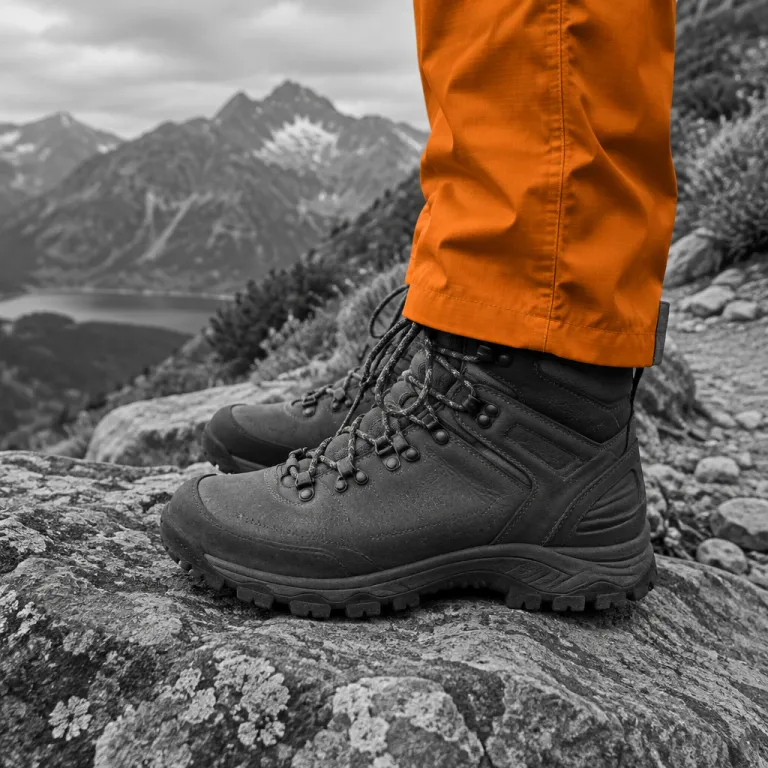
Why technical trousers to wear with ankle boots matter in the mountains
On demanding trails, the trousers to wear with ankle boots can decide whether your day feels efficient or frustrating. The wrong trouser and boot combination will trap debris, rub your ankle raw, and break the clean line between leg and footwear that experienced hikers rely on for precise movement. When you match the right pair of hiking trousers with the right boot style, every step feels deliberate, protected, and quietly powerful.
For outdoor women and men who move fast on steep ground, the interface between boots and trousers is as critical as the midsole or outsole. A technical boot with a high collar needs fabric that will work with its padding and lacing, while a lower cut ankle boot demands trousers with a narrower hem or a smart cuff to prevent snagging. Think of your hiking shoes and trousers as a single system, not separate purchases, because that mindset will reduce blisters, cold spots, and awkward folds around the heel.
Mountaineers often choose black or dark toned trousers to hide mud and abrasion marks, but colour is secondary to function. Focus first on how the trouser hem interacts with leather boots, suede boots, and synthetic boots with rubber rands, then refine the style details later. When you evaluate trousers with ankle boots in this way, you quickly see which designs respect real mountain movement and which are only built for café patios.
Balancing leg protection and ankle mobility on rugged terrain
Every serious hiker has felt the conflict between wanting a wide leg for ventilation and needing a closer cut around the boot for precision. On loose scree or icy switchbacks, a flapping trouser hem will catch on your heel or boot hardware, and that tiny hesitation can matter when you are edging across exposure. The best trousers to wear with ankle boots solve this by combining a slightly wider thigh with a tapered lower leg and a smart cuff system.
Look for hiking trousers with articulated knees and a gusseted crotch, because these features let the fabric move with your stride instead of pulling against the boot. When you pair this patterning with ankle boots that have a supportive heel counter, your leg can flex deeply without the trouser fabric riding up and exposing bare skin. In winter conditions, that coverage keeps spindrift and wind from sneaking between your leather ankle boot collar and your socks, which preserves warmth without needing a heavier shoe.
Many modern designs use a subtle zip or snap at the hem so the same trouser can sit narrow with boots or open slightly over bulkier shoes. This versatility will work especially well when you alternate between chelsea boots in town and more technical leather boots on trail, because you can adjust the opening instead of changing your entire outfit. When you combine this kind of adaptable trouser with a PFAS free rain shell, as discussed in the analysis of new generation rainwear on this site, you create a layered system that respects both mobility and environmental impact.
Choosing fabrics and finishes that cooperate with ankle boots
Fabric choice quietly shapes how your trousers wear with boots over long days in the hills. A dense nylon or nylon blend trouser will slide cleanly over a leather boot upper, while a softer brushed fabric can cling around the ankle and bunch above the heel. When you test trousers to wear with ankle boots, pay attention to how the fabric behaves when wet, because saturated fibres often grab at the boot collar and twist uncomfortably.
For technical routes, a mid weight stretch woven fabric offers the best balance between abrasion resistance and freedom of movement for the leg. Pair this with ankle boots that use a smooth leather or synthetic cuff, and the two surfaces will work together instead of fighting each other on every step. In cold winter conditions, many hikers add a thin fleece tight under a lighter trouser, which keeps warmth close to the skin while allowing the outer fabric to interact cleanly with the boot.
Pay close attention to reinforcements at the inner ankle, because this is where crampon straps, microspike chains, and boot lugs chew through fabric. A robust patch here protects both the trouser and the boot, especially when you are using traction devices like the microspikes discussed in the detailed guide to shaded north facing switchbacks on this site. When you combine reinforced trousers with ankle boots that have a defined heel and crisp edging, you gain confidence on mixed snow and rock without sacrificing comfort in the valley.
Hem shapes, cuffs, and how they interact with different boot styles
The hem of your trouser is where theory meets the reality of mud, rock, and moving water. A straight cut hem can sit cleanly over ankle boots on dry trails, but once the ground turns slick, that extra fabric around the heel becomes a liability. Many experienced hikers now prefer a slightly shorter trouser with a narrow, adjustable cuff that can sit just above the boot without leaving a gap.
When you evaluate trousers with ankle boots, test how the cuff behaves while you climb, descend, and side hill across a slope. If the fabric rides up and exposes your leg above the boot, you will feel cold air and grit sneaking into your socks, especially in winter. A well designed cuff will work with both leather boots and suede boots, gripping gently without cutting circulation or leaving deep marks on the skin.
Some mountaineers still favour a classic wide leg over high cut leather boots, but this shape only works when the fabric is stiff enough to stay clear of the heel. On modern lightweight boots, a wide hem tends to collapse and fold, which looks untidy and can snag on crampon points or microspike chains. For most hikers, a tapered leg with a low profile drawcord or snap at the ankle offers the cleanest interface between trouser and boot across varied terrain.
Adapting town to trail style without compromising performance
Many outdoor enthusiasts want trousers to wear with ankle boots that move gracefully from trailhead to town. A sleek black trouser in a technical fabric can pair with chelsea boots for travel days, then shift to more rugged leather boots when you reach the mountains. The key is choosing a style where the leg shape, pocket layout, and cuff system respect both aesthetics and function.
For women who prefer a more tailored look, a slim but not tight cut will work well with ankle boots that have a defined heel and minimal bulk. This silhouette lets you wear boots confidently in urban settings while still allowing enough room for a warm base layer in winter. Men often lean toward a slightly wider thigh with a tapered lower leg, which balances comfort on long drives with precise movement on steep trails.
When you build a small wardrobe around one or two versatile trousers and several boot options, you reduce pack weight and decision fatigue. A single pair of well cut trousers can work with chelsea boots in the city, with leather boots on alpine approaches, and with lighter shoes on travel days. This approach mirrors how serious hikers treat their mid layers, such as the technical hoodies highlighted as essential mountain clothing on this site, where one carefully chosen piece earns its place across many different trips.
Care, repair, and long term performance of trouser and boot systems
Even the best designed trousers to wear with ankle boots will fail early if you neglect basic care. Grit and dried mud act like sandpaper between the trouser hem and the boot collar, slowly cutting fibres and weakening stitching around the ankle. A simple routine of brushing off dirt, rinsing hems, and reapplying durable water repellent treatment extends both comfort and lifespan.
Inspect the area where the trouser meets the boot after every demanding trip, especially if you used microspikes or crampons. Look for small nicks, frayed threads, or shiny spots where fabric has rubbed repeatedly against leather or hardware, because these are early warnings that will work in your favour if you repair them promptly. A quick patch or reinforcement now prevents a torn hem from flapping into your heel on a committing ridge later.
Boot care matters just as much, because a cracked leather cuff or broken lace hook will change how the trouser sits and moves. Keep leather supple with appropriate conditioner, clean suede carefully so it does not abrade the fabric, and replace worn laces before they snap under tension. When you treat trousers and ankle boots as a single integrated system rather than separate gear, every ascent feels smoother and every descent feels more controlled.
Key statistics on hiking trousers, boots, and mountain comfort
- According to the American Podiatric Medical Association, more than 70 percent of hikers who report foot pain also report wearing footwear that does not match their activity, which underlines how closely boots and trousers must align with terrain and load.
- Field testing by several European alpine clubs has shown that articulated knees and gusseted crotch designs can increase comfortable stride length by up to 15 percent on steep ground, which directly affects how well trousers cooperate with ankle boots during ascents.
- Industry surveys from major outdoor brands indicate that reinforced inner ankle panels reduce trouser failure rates by roughly one third on rocky terrain, highlighting the value of targeted protection where fabric meets boot hardware.
- Moisture management studies from textile research institutes show that wet fabrics can lose up to 50 percent of their tear strength, which explains why saturated trouser hems are more likely to rip against boot lugs or crampon straps.
- Consumer data from large outdoor retailers suggests that versatile hiking trousers designed to work with both low shoes and ankle boots have higher repeat purchase rates, signalling that adaptable leg and cuff designs translate into real world satisfaction.
FAQ about trousers that work with ankle boots on serious hikes
What leg shape works best with ankle boots for technical hiking
A tapered leg with a slightly wider thigh and a narrower ankle usually works best with ankle boots on technical ground. This shape reduces fabric around the heel, which lowers the risk of snagging on rocks, roots, or crampon points. It also allows enough room for layering without creating bulky folds above the boot.
Should hiking trousers go over or inside ankle boots
For most mountain conditions, hiking trousers should sit over ankle boots rather than tucked inside. Wearing the hem over the boot helps shed rain, snow, and debris away from your socks and skin. Tucking inside is mainly useful for very deep mud or specific insect protection strategies, and even then gaiters are usually a better solution.
How long should hiking trousers be when worn with ankle boots
When you stand upright in your hiking boots, the trouser hem should reach the top of the boot or just cover the first lace hook. This length protects the ankle without dragging under the heel or catching on the ground. If the fabric pools heavily on your boot, the trousers are too long for technical terrain.
Are zip off hiking trousers a good match for ankle boots
Zip off hiking trousers can work with ankle boots if the lower leg section is well designed. Look for models where the zipper sits above the boot collar and the lower leg tapers slightly toward the hem. Avoid very wide zip off legs, because they tend to flap and snag more easily on rough trails.
What fabrics are most durable where trousers meet boots
Dense nylon or nylon blend fabrics with added reinforcements at the inner ankle are usually the most durable where trousers meet boots. These materials resist abrasion from rock, mud, and hardware while still sliding smoothly over leather or synthetic boot uppers. Stretch woven constructions add comfort and mobility without sacrificing toughness in this high wear zone.