
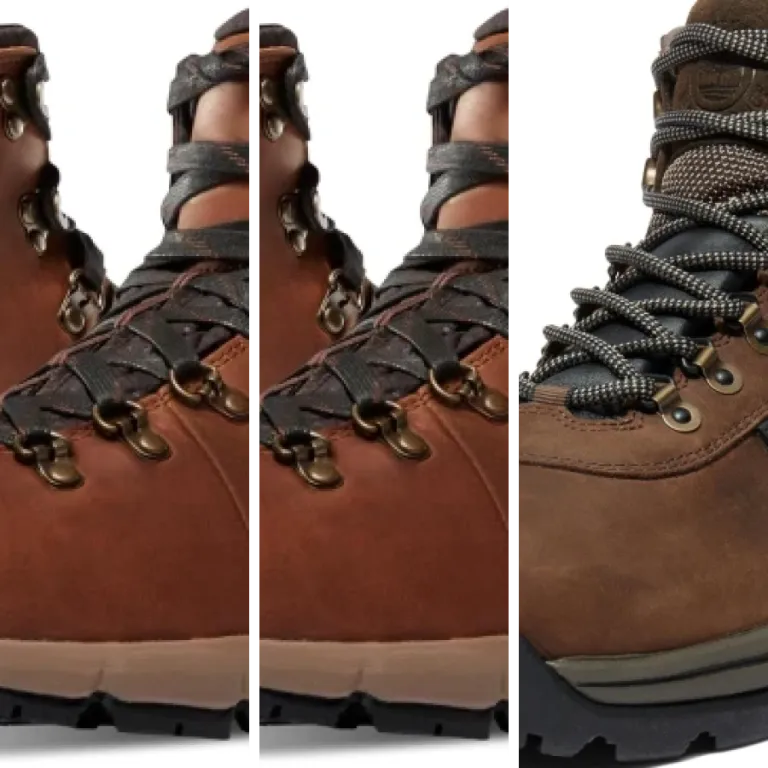
Understanding the unique needs of outdoor enthusiasts and mountaineers
What Outdoor Enthusiasts and Mountaineers Really Need from Their Boots
For outdoor enthusiasts, experienced hikers, and mountaineers, the right hiking boot is more than just footwear—it's essential protection and support for every adventure. Whether you’re tackling rocky trails, wet conditions, or steep ascents, your boots must deliver on several fronts. The demands are high: waterproof performance, reliable grip, and comfort over long distances are non-negotiable. But there’s more to consider, especially when you factor in the unpredictable nature of the outdoors.
- Waterproofing: Wet feet can quickly ruin a trek. Boots with advanced waterproof membranes, like Gore Tex, help keep feet dry in rain, snow, or river crossings. This is crucial for both comfort and safety.
- Protection and Durability: Rocky terrain and rough trails demand a boot that offers toe protection, often with steel toe or composite toe options. Reinforced leather uppers and rugged outsoles are essential for resisting abrasion and impact.
- Insulation: For those venturing into colder climates, insulated waterproof boots are a must. They help maintain warmth without sacrificing breathability, making winter boots and insulated boot models popular choices.
- Fit and Comfort: A proper fit prevents blisters and fatigue. Boots come in a range of sizes and widths, with features like side zip for easy on and off, and cushioned insoles for all-day comfort.
- Versatility: Many hikers look for boots that can transition from trail to work, such as waterproof work boots or toe work boot models. The ability to handle both regular and rugged use is a big plus.
Men’s waterproof boots are available in a variety of styles, from classic leather hiking boot designs to modern insulated waterproof options. Color black remains a popular choice for its versatility and ability to hide dirt. For those seeking value, keeping an eye on boot sale events can help secure the best price on high-quality models.
When evaluating boots, it’s important to consider not just the initial price but also the long-term durability and performance. A quick view of reviews and field tests can help identify which boots truly stand up to wet and rugged conditions. For a detailed look at how a steel toe work boot performs in real-world scenarios, check out this in-depth review of a men’s steel toe boot.
Ultimately, the best waterproof boot for you will depend on your specific needs—whether it’s a lightweight hiking boot for quick day hikes, a rugged insulated boot for winter expeditions, or a waterproof work boot that can handle both job sites and mountain trails. The next sections will break down the key features to look for, the latest material innovations, and how to ensure a perfect fit for every adventure.
Key features to look for in the best waterproof mens boots
What Sets High-Performance Waterproof Boots Apart?
For men who spend serious time outdoors, the right hiking boot can make or break an adventure. Choosing the best waterproof boot means looking beyond just the label. Whether you’re searching for a rugged work boot, insulated waterproof winter boots, or a lightweight hiking boot for wet trails, certain features stand out as essential.
- Waterproofing Technology: Look for boots with proven membranes like Gore Tex or proprietary tex linings. These keep water out while allowing sweat to escape, keeping your feet dry in rain, snow, or river crossings.
- Material Quality: Full-grain leather and synthetic uppers each have their strengths. Leather offers durability and natural water resistance, while modern synthetics can be lighter and dry quicker. Some boots combine both for the best of both worlds.
- Toe Protection: For rocky or technical terrain, composite toe or steel toe boots provide extra safety. Toe work boots and toe boot designs are especially valued by mountaineers and those on demanding trails.
- Insulation: If you hike in cold or wet climates, insulated waterproof boots or insulated boot models help retain warmth. Check for insulation ratings and materials that suit your typical conditions.
- Fit and Sizing: A proper fit prevents blisters and fatigue. Many brands offer regular and wide sizes, so always check the size chart. Quick view options online can help compare features and prices before you buy.
- Traction and Outsole: Deep, aggressive lugs and rubber compounds designed for wet surfaces are crucial for safety on slippery ground. Some boots feature side zip for easy on-off, especially useful in winter boots or work environments.
- Price and Value: While a higher price can reflect quality, many boots go on sale, offering excellent value. Look for boot sale events or compare regular price versus sale price to get the best deal.
For a detailed look at how these features come together in real-world conditions, check out this test of men’s White Ledge Mid Waterproof Hiking Boots in brown, 10.5 wide. This review covers fit, waterproof performance, and durability—key aspects for anyone serious about their outdoor gear.
Remember, the best men waterproof boots are those that match your activity, climate, and foot shape. Whether you need a color black insulated boot for winter, a quick view of a composite toe work boot, or a lightweight hiking boot for summer, focusing on these features will help you find the right pair for your next adventure.
Material innovations in waterproof hiking boots
Modern Materials That Keep Your Feet Dry
When it comes to hiking boots, the materials used can make or break your experience on wet trails. Outdoor enthusiasts and mountaineers know that a boot’s waterproof performance depends on more than just a label. Today’s best waterproof boots for men combine advanced fabrics and smart construction to keep water out while letting your feet breathe.
- Gore-Tex and Tex Membranes: Gore-Tex is a gold standard for waterproof hiking boots. This membrane blocks water but allows sweat to escape, reducing the risk of blisters and fatigue. Other tex membranes offer similar protection, so always check for these features when comparing boots.
- Full-Grain Leather: Many classic hiking boots use full-grain leather for its natural water resistance and durability. When treated, leather boots can handle regular exposure to rain and mud. Look for options labeled as waterproof leather for the best results.
- Synthetic Uppers: Modern boots often use synthetic materials to reduce weight and improve quick drying. These are great for those who want a lighter boot without sacrificing waterproof protection.
- Insulated Linings: For winter boots or insulated waterproof boots, look for linings that trap warmth without trapping moisture. This is key for cold, wet conditions.
Some boots also feature composite toe or steel toe protection, making them suitable as waterproof work boots. Side zip designs and color black options are popular for both men and women, offering quick on-off and versatile style. If you’re shopping for a sale price or boot sale, compare features like insulated boot linings, regular price versus sale price, and whether the boot is designed for hiking, work, or both.
For those interested in the latest innovations and how they impact your hiking performance, check out this guide on choosing the right running spikes XC for your hiking adventures. It’s a helpful resource for understanding how material choices affect grip, comfort, and waterproofing in rugged conditions.
Fit and comfort: avoiding blisters and fatigue on long treks
Getting the Right Fit for Demanding Trails
When it comes to hiking boots, fit and comfort are not just about luxury—they’re about safety and performance. Outdoor enthusiasts and mountaineers know that a poorly fitting boot can quickly turn a promising trek into a painful ordeal. The best waterproof boots for men and women are designed to minimize blisters, hot spots, and fatigue, even on long, rugged routes. Here’s what to consider to ensure your boots work as hard as you do:
- Size and Width: Always try boots on with the socks you plan to wear. Brands often differ in sizing, so a quick view of the size chart is essential. Some boots offer regular and wide options, which can make a big difference in comfort.
- Toe Protection: Look for boots with a reinforced toe—whether it’s a steel toe, composite toe, or a rugged leather cap. This feature is crucial for rocky terrain and adds a layer of protection against stubs and impacts.
- Support and Cushioning: Insulated waterproof boots and waterproof insulated models often include extra padding and arch support. This helps reduce fatigue on long hikes and provides warmth in winter boots.
- Break-In Period: Even the best hiking boot needs a break-in period. Take short walks before heading out on a major trek to let the leather or synthetic materials mold to your foot.
- Secure Lacing and Side Zip: A snug fit around the ankle prevents slipping and blisters. Some boots feature a side zip for quick on and off, which is handy during unpredictable weather or for work boot applications.
Comfort Features That Make a Difference
Modern hiking boots incorporate innovations like Gore Tex linings for waterproof breathability, memory foam insoles for customized comfort, and insulated boot designs for cold weather. When comparing price and features, consider whether the boot is designed for regular hiking, winter use, or as a waterproof work boot. Color black and other neutral tones are popular for their versatility and ability to hide dirt.
Don’t overlook the importance of a quick view of customer reviews and sale price comparisons. A boot sale can be a great opportunity to try high-end models with advanced comfort features, such as waterproof work boots with composite toe or insulated waterproof linings. Ultimately, the best boot is the one that fits your foot, your trek, and your budget—delivering reliable protection and comfort every step of the way.
Top picks: boots that excel in wet and rugged conditions
Standout Boots for Wet and Rugged Terrain
For outdoor enthusiasts and mountaineers, choosing the right waterproof boot can make or break a trip. After considering essential features like waterproof membranes, insulation, and toe protection, here are some top picks that consistently perform in challenging conditions. These boots have been highlighted for their durability, comfort, and reliable protection, whether you’re facing rain, snow, or rocky trails.- Gore-Tex Hiking Boots: Known for their advanced waterproof and breathable membranes, Gore-Tex boots keep feet dry without overheating. Many models offer a composite toe or steel toe for added protection, making them suitable as both hiking and work boots. Look for options with insulated waterproof linings for winter treks.
- Leather Waterproof Boots: Full-grain leather remains a classic for men’s waterproof boots. Treated leather uppers paired with modern waterproof membranes provide a balance of ruggedness and comfort. Some brands offer insulated boot versions for cold weather, and side zip designs for quick on and off.
- Rocky and Tex-Lined Boots: Boots featuring Rocky or Tex waterproof linings are engineered for extreme conditions. These models often include reinforced toe work protection and slip-resistant soles, making them a favorite among those who need a reliable waterproof work boot that transitions easily to the trail.
- Insulated Waterproof Winter Boots: For those venturing into snow or icy environments, insulated waterproof boots with a composite or steel toe offer both warmth and safety. Color black is a popular choice for its versatility and classic look. Many of these boots are available in a wide size range, including regular and wide fits for men and women.
Quick View: What to Expect from the Best Waterproof Boots
| Boot Type | Waterproof Tech | Toe Protection | Insulation | Best For | Price Range |
|---|---|---|---|---|---|
| Gore-Tex Hiking Boot | Gore-Tex membrane | Composite/Steel Toe | Optional | Wet, rugged trails | Mid to high |
| Leather Waterproof Boot | Treated leather, waterproof lining | Regular/Steel Toe | Optional | Mixed terrain, work | Mid |
| Rocky/Tex-Lined Boot | Rocky/Tex waterproof lining | Reinforced Toe | Optional | Heavy-duty, work boot | Mid to high |
| Insulated Waterproof Boot | Waterproof insulated membrane | Steel/Composite Toe | Yes | Winter, snow, ice | Mid to high |
When choosing your next pair, consider not only the waterproof rating but also the fit, insulation, and toe protection. Quick view features like side zip, color black, and sale price can help narrow down the best options for your needs. Whether you’re searching for a men waterproof hiking boot, a waterproof work boot, or insulated winter boots, these top picks offer reliable performance and protection for every adventure.
{{ product_part }}Care and maintenance for long-lasting waterproof performance
Keeping Your Boots Waterproof and Ready for Adventure
Proper care and maintenance are essential for ensuring your waterproof hiking boot delivers reliable protection, season after season. Even the best waterproof boots—whether you choose a leather, insulated, or gore tex model—require regular attention to maintain their performance in wet and rugged conditions.- Clean after every trek: Mud, salt, and debris can degrade waterproof membranes and leather. Use a soft brush and lukewarm water for a quick clean. Avoid harsh detergents that can strip away protective coatings.
- Dry boots thoroughly: Never dry boots with direct heat, as this can damage materials and adhesives. Instead, remove insoles and laces, then let your boots air dry at room temperature. Stuffing them with newspaper helps absorb moisture quickly.
- Condition leather uppers: For leather boots, apply a dedicated conditioner to keep the material supple and prevent cracking. This is especially important for insulated waterproof models and winter boots, which face harsher conditions.
- Reapply waterproof treatments: Over time, even gore tex and tex membranes can lose their water repellency. Use a spray-on or rub-in waterproofing product designed for your boot’s material. Focus on seams and flex points for best results.
- Inspect for wear and tear: Check the toe, sole, and side zip areas for signs of damage. Early repairs can extend the life of your boots and maintain their waterproof protection.
- Store boots properly: Keep boots in a cool, dry place away from direct sunlight. Avoid storing them in damp areas, which can lead to mold and odor.
| Boot Type | Care Focus | Recommended Frequency |
|---|---|---|
| Leather Waterproof Boot | Conditioning, waterproofing, cleaning | Monthly or after heavy use |
| Gore Tex / Tex Boot | Gentle cleaning, waterproof spray | Every few outings |
| Insulated Boot | Drying, odor control, seam inspection | After each use in wet conditions |
| Steel Toe / Composite Toe Work Boot | Toe protection check, cleaning, waterproofing | Monthly |