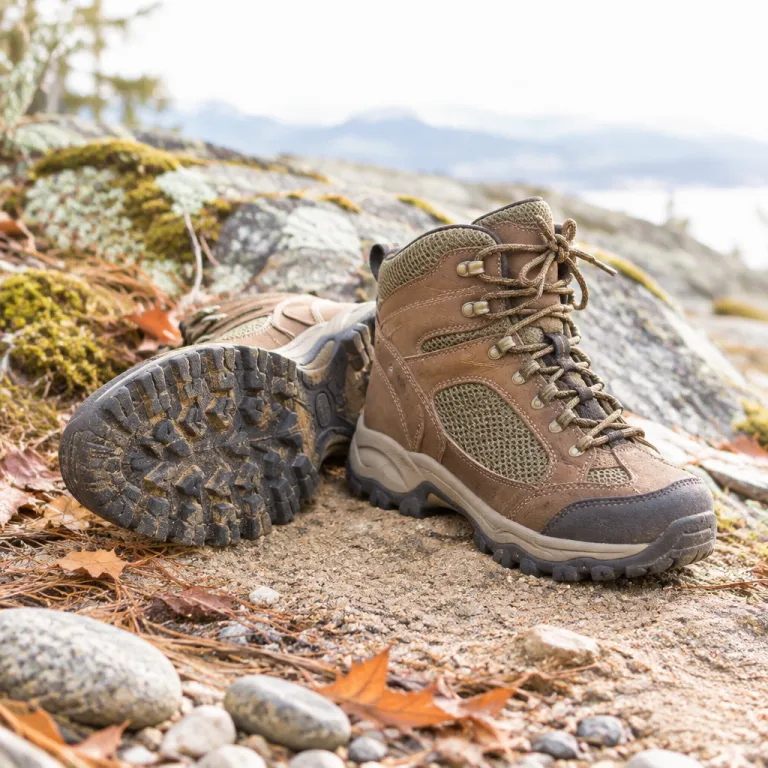
Why technical lace up booties for women matter in the mountains
On steep alpine trails, women need hiking boots that lock the heel and stabilize every step. Purpose built women’s lace up booties give more precise control than generic outdoor shoes, especially when the terrain shifts from low forest paths to high scree slopes. For experienced hikers who move fast and light, the right lace system can be the difference between a confident descent and bruised toes inside cramped combat boots or fashion footwear.
When you compare different boots for women, focus first on how the lace pattern shapes the fit around the ankle and mid foot. True technical lace boots use segmented lacing zones, so you can keep the lower section tight for edging while leaving the upper ankle boots slightly looser for comfort on long traverses. This high low tension strategy lets mountaineers fine tune support on the fly instead of accepting a single compromise fit from generic lace booties or lifestyle ankle boots.
Many women shop by colour or price, but serious hikers should rank stability and protection above everything. A pair of women’s lace booties with a firm mid sole, a supportive mid calf collar, and a precise lace closure will always beat soft women shoes that feel good only on pavement. If you hike in mixed conditions, look for models that blend the agility of low hiking shoes with the security of mid or high hiking boots, so your women combat style footwear still performs when the trail turns technical.
Balancing ankle support, boot height, and pack weight
Choosing between low, mid, and high lace up booties for women is really about risk management on uneven ground. Low hiking boots and low hiking shoes feel agile, but they expose the ankle to twisting forces when you side hill with a heavy pack. High ankle boots and mid calf designs add mass, yet they give women better leverage when edging on snow, mud, or broken rock.
For multi day routes, I often pair mid height lace boots with a 15 kilogram pack, because that balance of support and weight keeps my stride efficient over long distances. When the forecast calls for serious mountain weather, I move to more protective boots for women that resemble light combat boots, with a taller cuff and stiffer shank to handle crampon use. In both cases, the lace pattern on these women’s lace booties lets me run the lower eyelets tight and the upper hooks slightly looser, creating a controlled high low tension profile that reduces fatigue.
Wide feet or bunions change the equation, and this is where specialized designs matter. Some brands now offer wide width rubber boots and technical hiking boots that keep the forefoot roomy while still locking the heel, which is crucial for long descents under load. When women shop for these models in a women shop or outdoor retailer, they should compare price low to price high, but never trade away fit security for a small saving, because a high price boot that prevents injury is cheaper than a low high bargain that fails halfway through a stormy traverse.
Lacing strategy, toe protection, and steep descents
Even the best women’s lace up booties fail if the lacing strategy is wrong on long descents. When gravity drives your toes into the front of your boots, you need a lace system that locks the heel firmly into the back of the shoe. Technical lace boots for women use locking eyelets at the mid foot, so you can cinch the lower section hard while keeping the upper ankle area more relaxed.
Black toenails on big mountain days usually come from a combination of poor fit and sloppy lacing rather than from the boots themselves. A detailed guide on why your toenails turn black on descents and the fit plus lacing fix that actually works shows how targeted lacing can transform the performance of both low hiking shoes and taller hiking boots. For women who alternate between fast scrambles and loaded glacier approaches, mastering this lace technique in their lace booties and ankle boots is as important as choosing the right crampons or trekking poles.
Toe protection also depends on the shape and stiffness of the front of the boots for women, especially when kicking steps in spring snow. A robust rubber rand and a firm toe box spread impact forces, which keeps delicate women feet safer when rockfall or scree slides across the trail. When women shop for new women shoes, they should test both singular boot and paired boots on a downhill ramp, checking that the lace system holds the heel while the toes stay free from crushing pressure.
Materials, waterproofing, and the reality of wet trails
Technical lace up booties for women live or die by their materials when the trail turns cold, wet, and abrasive. Full grain leather boots offer excellent durability and natural water resistance, but they demand regular care to keep the leather supple and the seams sealed. Synthetic hiking boots dry faster and weigh less, which many women prefer for high output days where every gram and every minute of drying time matters.
Waterproof membranes such as Gore Tex or eVent help keep feet dry in shallow streams and wet grass, yet they also slow evaporation when the temperature climbs. For women who sweat heavily, a non membrane pair of lace boots combined with quick drying socks can feel cooler and more comfortable on long summer traverses. The best match between materials and climate often means owning both waterproof boots and more breathable women shoes, then choosing the right pair for each specific route.
Colour and finish play a role too, especially when women shop for multi use footwear that must handle both city streets and alpine trails. White leather lace booties from lifestyle lines may look stylish, but they rarely match the abrasion resistance of purpose built hiking boots designed for scree and glacier moraine. When comparing price low and price high options, women should read the material specifications carefully, because a seemingly high price often reflects better leather quality, stronger stitching, and more durable rubber compounds in the sole.
From city to summit: style, brands, and real value
Many outdoor enthusiasts want lace up booties for women that transition from urban life to serious hiking without feeling like clunky combat boots. Brands such as Timberland and London Rag have built reputations on stylish boots, yet only some of their lines deliver the structure and grip required for demanding trails. When evaluating any pair of boots for women, ignore marketing labels and instead check the sole pattern, shank stiffness, and ankle support with the same scrutiny you would apply to pure mountaineering footwear.
Timberland women models that target hikers usually feature deeper lugs and more supportive collars than their fashion focused siblings, which makes them more suitable as hybrid hiking boots and city shoes. London Rag and the related London Rag women shop collections often emphasize design, but certain lace booties and ankle boots in these ranges still provide enough traction for light hiking if you keep pack weights low. For mixed use, I recommend owning one pair of robust hiking boots for serious trips and a separate pair of lighter women’s lace booties for travel, commuting, and casual walks.
Price signals quality only when you understand what you are paying for in each boot. A high price tag on boots London fashion models may reflect premium leather and branding rather than true trail performance, while a mid price technical boot can offer better grip and support for real mountains. When women shop across categories, they should compare high low features such as sole compound, rand protection, and lace hardware, rather than relying solely on a simple price high or price low filter in an online women shop interface.
Fit, sizing, and buying strategies for serious women hikers
Fit is the single most important factor when choosing lace up booties for women who tackle long, technical routes. A boot that feels slightly loose in the shop can become a liability once your feet swell after eight hours of hiking. Women should always try boots with the same sock thickness they plan to use on the trail, and they should test both uphill and downhill ramps whenever possible.
Online shopping complicates this process, but it also opens access to specialized models that local stores may not carry. Many reputable retailers now offer free shipping and free returns, which allows women to order multiple sizes of the same boots, compare them at home, and keep only the best match. When using these women shop platforms, filter by hiking boots first, then refine by ankle height, mid calf coverage, and specific features such as lace hooks or toe protection rather than by colour alone.
For women with narrow heels and wider forefeet, some Timberland women models and certain London Rag hiking inspired designs can work well if the lace system is strong enough to lock the rearfoot. Always check that the lace booties or combat boots you choose have robust eyelets and smooth running laces, because weak hardware will fail under repeated tensioning. Whether you prefer white lifestyle shoes, dark leather boots London styles, or technical women combat silhouettes, prioritize a secure heel pocket, adequate toe room, and a lacing pattern that lets you adjust tension from low to high across the entire foot.
Layering systems, pack planning, and how boots interact with the rest of your kit
Serious women hikers know that lace up booties do not work in isolation; they interact with socks, insoles, and the rest of the layering system. A supportive pair of boots for women can only perform at its best when paired with moisture wicking socks that manage sweat and reduce friction. On cold nights in the mountains, the warmth of your sleeping system also affects how your feet recover between demanding days.
Understanding how a sleeping pad R value decides your fall nights helps you balance insulation under your body with the protection around your feet. If your pad is too thin or has a low R value, your body will draw heat from your extremities, making even the best lace boots feel cold and unresponsive in the morning. Women who plan multi day hikes should think of their hiking boots, socks, and sleeping system as a single thermal unit, adjusting each component to match expected temperatures and humidity.
Pack planning also influences which lace booties or hiking boots you should wear on a given trip. Heavy loads and technical terrain justify more supportive ankle boots or mid calf designs, while light fastpacking setups pair better with agile low shoes that still use a precise lace closure. By aligning pack weight, route difficulty, and footwear structure, women can ensure that their chosen women’s lace up booties enhance performance instead of becoming a weak link in an otherwise carefully tuned mountain kit.
Key statistics on women’s hiking boots and mountain footwear
- Market research from the European outdoor footwear sector, including reports from the European Outdoor Group and NPD Group, shows that women specific hiking boots now account for more than 40% of total hiking boot sales, reflecting a clear shift away from unisex models that often failed to match women’s foot shapes.
- Studies on ankle injuries in mountain hiking, such as analyses published in the Wilderness & Environmental Medicine journal, report that properly fitted boots with adequate ankle support can reduce inversion sprain risk by up to 20% compared with low cut trail shoes on uneven terrain, especially when carrying packs heavier than 12 kilograms.
- Consumer surveys in major European markets, summarized in annual outdoor participation reports, indicate that more than 60% of women hikers rank fit and comfort above price when choosing new boots, yet nearly half still buy online without trying multiple sizes, which increases the likelihood of returns and dissatisfaction.
- Laboratory tests on waterproof membranes from manufacturers such as Gore and eVent show that modern breathable liners can maintain water resistance for more than 80,000 flex cycles, but performance drops sharply if boots are not regularly cleaned and reproofed after muddy or dusty trips.
- Grip testing on wet rock surfaces, reported by independent gear labs and university biomechanics departments, demonstrates that aggressive lug patterns and softer rubber compounds can improve braking traction by 15 to 25% compared with flatter, harder soles, which is particularly relevant for women descending with heavy packs on steep alpine trails.
FAQ: women’s lace up booties and serious hiking
Are lace up booties for women suitable for multi day alpine hikes ?
Many lace up booties for women are suitable for multi day alpine hikes if they offer a stiff enough mid sole, reliable ankle support, and a secure lacing system. Look for models marketed as hiking boots rather than purely fashion booties, and always test them under load before committing to a long route. If the boot holds your heel, protects your toes, and grips well on rock and mud, it can handle serious terrain.
How should women choose between low, mid, and high hiking boots ?
Low hiking shoes work best for light packs and well maintained trails, where agility matters more than maximum protection. Mid height hiking boots balance support and weight, making them a strong choice for most women on mixed terrain with moderate loads. High or mid calf boots suit heavy packs, snow, and unstable ground, where extra ankle leverage and protection justify the added mass.
What is the ideal fit for women’s lace up hiking boots ?
The ideal fit gives you a snug heel lock, secure mid foot, and enough toe room to wiggle without hitting the front of the boot on descents. Women should try boots with their usual hiking socks, lace them firmly, and walk on both uphill and downhill ramps to check for movement. If your heel lifts more than a few millimetres or your toes touch the front when descending, the fit is not acceptable for serious hiking.
Do women need different hiking boots than men ?
Most women benefit from hiking boots built on women specific lasts, which usually feature a narrower heel, slightly lower volume, and different forefoot proportions than men’s models. These design changes help lace systems lock the foot more effectively, reducing blisters and improving control on technical ground. While some women can use men’s or unisex boots successfully, dedicated women’s designs generally provide a more precise and comfortable fit.
How many pairs of hiking boots should an experienced woman hiker own ?
Experienced women hikers often benefit from owning at least two pairs of boots or shoes for different conditions. A lighter, more flexible pair works well for summer day hikes and fastpacking, while a sturdier, more supportive pair handles heavy packs, cold weather, and rough alpine terrain. Rotating between pairs also extends the lifespan of each boot, as materials have time to dry and recover between demanding trips.