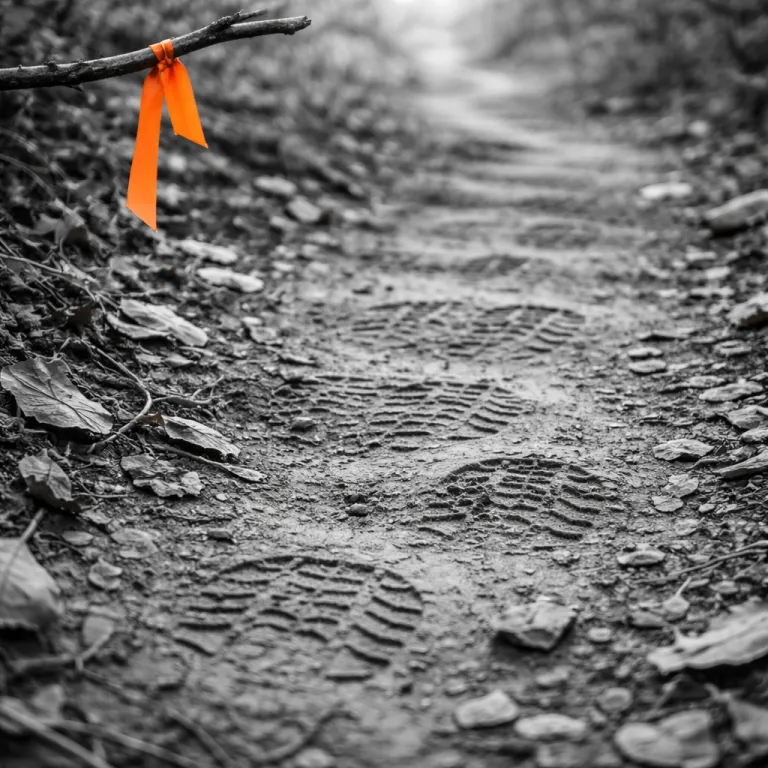
Why National Trails Day 2026 is really a work party for your boots
National Trails Day 2026 lands on Saturday, June 6, and it is less a feel-good hike and more a work shift for your footwear. The American Hiking Society treats this nationwide celebration as a coordinated network of stewardship projects on national trails, state paths, and every kind of local trail you can imagine, turning a single date into a year’s worth of maintenance. When you show up for a National Trails Day event, you are not just going for a casual hike outdoors, you are signing up to help keep nature and recreation spaces open for the entire community.
The official calendar marks National Trails Day 2026 on a Saturday in early June, with registration handled through the American Hiking Society’s National Trails Day event search and sign-up tools on its website. You can usually find a local project by entering your ZIP code, then filtering for trail work, hiking, fishing and boating access, or other outdoor recreation projects that match your comfort level and fitness. Think of it as a nationwide menu of opportunities, where every trail crew, hiking society chapter, and parks department adds its own flavour of work, from light brushing to heavy tread repair.
Most press release language frames this as a chance to celebrate trails and share your favourite view on social media, but the honest story is grittier and better. Trail crews use this June gathering to tackle the jobs that never make it into glossy brochures, like clearing drains, rebuilding waterbars, and hauling out invasive plants that choke the trail corridor. As one crew leader with the Colorado Mountain Club likes to tell new volunteers, “If you notice our work while you hike, we probably did it wrong—good maintenance disappears under your boots.” If you care about American trails and the outdoors you hike all year, this is the day to celebrate trails by earning them back with sweat, not just hashtags.
What real trail work looks like when you lace up boots instead of runners
Trail work on National Trails Day 2026 is not a scenic stroll, it is four to six hours of focused labour that will test your hiking boots in ways a normal hike never does. A typical volunteer crew splits into small teams, each assigned to a section of trail where they clear brush, widen the corridor, and restore the tread so every future hike feels smoother and safer. You will see how water, not feet, destroys trails, as you dig drainage dips, clean culverts, and rebuild waterbars that quietly protect the path all year.
On a well-run National Trails Day project, the crew leader starts with a safety talk, tool briefing, and a clear plan for the day. You might spend the morning cutting back blackberries on a local trail in Portland, Oregon, then shift to reinforcing switchbacks where erosion has eaten into the bench cut and turned the trail into a rocky trench. Other teams handle sign repair, wayfinding posts, and small stewardship projects near fishing and boating access points, where heavy use and poor drainage can turn a beautiful view into a muddy mess.
This is where your footwear choice matters more than on a casual day hike, because you will be swinging tools, side-hilling, and kicking rocks into place for hours. A mid-cut boot with real ankle support and a firm midsole lets you lever a McLeod or Pulaski without rolling your foot, while a soft trail runner folds and twists under the same load. Field tests from groups like the Appalachian Mountain Club and long-distance hikers consistently show that supportive boots reduce bruising and rolled ankles when you add tools and heavy loads. If you want a deeper primer on how different boots behave when the terrain gets serious, read this essential guide to getting to Havasu Falls, which explains why supportive footwear matters long before you shoulder a tool on a steep canyon trail.
Boots that earn their keep on a National Trails Day 2026 crew
National Trails Day 2026 is the rare moment when a sturdy hiking boot beats a nimble shoe for almost every hiker, because trail work punishes flimsy uppers and soft midsoles. When you are prying rocks, stomping in check steps, and side-stepping along a narrow trail bench, you want a boot that locks your heel, protects your toes, and shrugs off a dropped tool. This is not the day for ultralight minimalism, it is the day for leather, rubber rands, and lacing that holds through a full volunteer shift.
Look for a boot with a medium-stiff midsole, a defined heel brake, and a lug pattern that grips in loose soil when you are swinging a Pulaski or McLeod on a steep local trail. Models like the Scarpa Zodiac Plus, Salomon Quest, and Lowa Renegade have proven themselves on American trails where volunteers spend long hours cutting drains and hauling rock, and they balance comfort with enough structure for real work. After five hundred kilometres of mixed hiking and trail work, you will usually see the outsole lugs rounding off at the forefoot and the midsole losing some rebound, but the uppers on these boots tend to hold their shape far longer than lightweight trail shoes.
If you want to understand how serious boots evolved from military mountain gear to modern trail tools, read this deep dive into the legacy of the 10th Mountain Division huts and their influence on alpine travel. That history explains why a solid boot still matters when you move from recreation to stewardship projects, especially on steep, wet, or rocky national trails. On National Trails Day 2026, your boots are not just carrying you on a hike, they are part of the tool kit that keeps trails across America open for everyone.
How to find a real trail work day near you and show up ready
Finding a genuine work-focused National Trails Day 2026 event near you starts with the American Hiking Society website, where you can search by ZIP code and filter for trail maintenance rather than casual hikes. Many state park systems, from Tennessee State Parks to Missouri State Parks and New Jersey State Parks, publish their own June listings, so check their online resources and look for words like stewardship projects, trail work, or volunteer work day. Local hiking clubs, county trail councils, and regional hiking society chapters often cross-post these events on social media, which makes it easier to compare options and find a crew that matches your fitness and schedule.
When you scan the listings, prioritise events that mention specific tasks such as tread restoration, drainage work, invasive plant removal, or sign repair, because those are the days where your boots and effort will have the most impact. A description that only talks about a scenic hike and a celebration probably leans more toward recreation than real maintenance, though some events blend both by offering a morning of work followed by an afternoon hike. If you see a listing that mentions an outdoor film night or a shared dessert after the work, treat that as a bonus, not the main event.
Show up prepared with long trousers, gloves you do not mind destroying, eye protection, and boots that support your ankles when you swing tools or side-hill on loose soil. Pack at least two litres of water, salty snacks, and a light shell, because a June weather shift can turn a comfortable morning into a cold, wet afternoon. For more insight into how technology and community shape modern hiking experiences, this interview about transforming hiking experiences with innovative technology shows how digital tools can help volunteers coordinate, track trail conditions, and celebrate trails in America without losing the human connection.
Why one hard day of work changes every hike you take after
Spending a single National Trails Day 2026 on a trail crew will change how you see every path you hike for the rest of the year. Once you have dug a drain, set a rock step, or brushed a corridor, you will start to read the trail like a map of water, soil, and human choices instead of just a line on a screen. You will notice where the tread narrows, where roots grab ankles, and where a simple reroute could save a hillside from turning into a gully.
That shift in view is the real payoff, because it turns you from a consumer of outdoor recreation into a caretaker of nature and community spaces. The next time you hike a favourite local trail, you will see the fresh cuts where someone cleared a fallen tree, the crisp edges of a rebuilt switchback, and the subtle berm that keeps water off the tread, and you will know that volunteers made those changes. When you share a photo on social media or talk about your day outdoors, you will be able to say you helped celebrate trails by putting a shovel in the ground, not just a boot on the path.
Some events even lean into the celebration side with a post-work gathering that might include a simple thank-you moment, a shared dessert baked by a volunteer, or a casual outdoor slideshow of before and after photos from the trail. Those touches matter, because they remind everyone that American trails are held together by people, not just budgets and press release language. In the end, what keeps national trails open is not the waterproof rating on your boots, but the tenth river crossing you help stabilise so the next hiker can pass without thinking twice.
FAQ
What should I wear on National Trails Day 2026 for trail work?
Wear long trousers, a breathable long-sleeve shirt, and sturdy hiking boots with ankle support, because you will be swinging tools and moving on uneven ground. Add work gloves, eye protection, and a hat, then pack a waterproof layer in case the weather turns during the day. Avoid sandals or running shoes, since they offer poor protection against rocks, roots, and dropped tools on a busy trail crew.
How hard is the physical work on a typical National Trails Day 2026 project?
Most trail work days involve four to six hours of moderate physical effort, with frequent breaks and tasks matched to different fitness levels. You might spend time digging drains, clipping brush, or hauling small rocks, which feels like a steady hike with added upper body work. If you can comfortably hike for several hours with a light pack, you can usually handle a well-organised trail crew shift.
Do I need prior experience to join a National Trails Day 2026 trail crew?
No prior experience is required for most National Trails Day 2026 events, because crew leaders teach tool use, safety, and basic techniques at the start of the day. New volunteers are usually paired with experienced workers who can coach proper stance, safe swinging, and efficient digging. The only real prerequisites are a willingness to learn, to work as part of a team, and to respect the instructions of the crew leader.
Why are hiking boots recommended over trail runners for trail work?
Hiking boots provide better ankle support, toe protection, and lateral stability when you are swinging tools or side-hilling on loose soil. Their stiffer midsoles let you lever shovels, McLeods, or rock bars without feeling sharp pressure points under your feet. Trail runners excel for fast hiking, but on a work day they tend to twist, fold, and wear out faster under the repeated stress of digging and rock moving.
How can I find a National Trails Day 2026 event focused on real maintenance rather than just a group hike?
Start with the American Hiking Society event search, then filter for listings that mention trail work, stewardship projects, or maintenance tasks like drainage and brushing. Check state park websites and local hiking clubs for descriptions that specify tools provided, safety briefings, and work locations along particular trail sections. If an event description only mentions a scenic hike and social activities, contact the organiser to ask how much of the day is dedicated to hands-on maintenance.