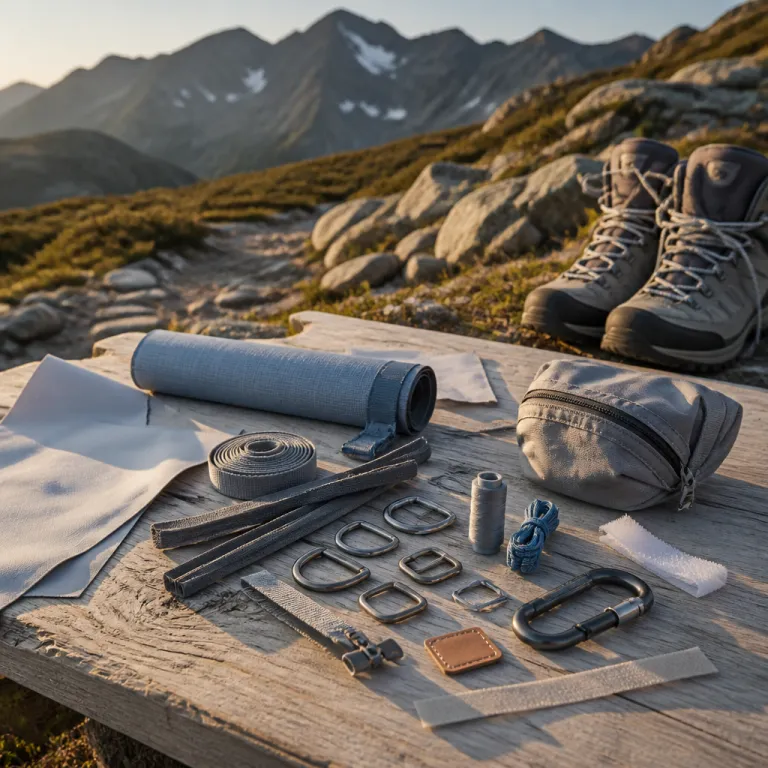
Choosing a portable accessory carrier that truly matches alpine objectives
A well designed portable accessory carrier keeps critical hiking gear organised and instantly reachable. When you move from forest trail to high alpine ridge, the same organiser must adapt to changing terrain, weather, and pack configuration. Serious hikers need a system that works as both a compact shoulder bag and a modular add on to a larger expedition pack.
The best carriers balance internal volume, external attachment points, and overall size so they ride close to the body without snagging on rock or brush. Look for a portable accessory carrier with a narrow profile, compression straps, and a flat back panel that sits cleanly against your torso or hip. This body hugging interface reduces swing, which saves energy over long days and protects the product from abrasion when you scramble or glissade.
Weight matters as much as durability, so check how many pounds the carrier actually adds to your kit. A model that weighs around 1 to 2 pounds can still offer excellent quality fabrics and zippers if the patterning is efficient. When you read technical specifications, focus on the stated weight lbs, the stated size in litres, and whether the portable design allows you to strip off extra pockets for ultralight missions.

Integrating crampons, microspikes, and sharp tools into a carrier portable system
Mountaineers often struggle to store crampons, microspikes, and snow pickets safely inside a portable accessory carrier. Steel points can shred a light fabric bag in a single approach if they are not isolated from softer layers and electronics. The most reliable carriers use a reinforced box style compartment with a rigid box top that keeps teeth away from down jackets and hydration hoses.
For icy approaches, pair your carrier with dedicated crampons for hiking boots and check that the internal size of the carrier fits their storage case. Some hikers prefer a separate crampon box that clips to the outside, while others want a carrier easy to slide into the main pack when the slope angle eases. In both cases, a thoughtfully designed daisy chain or gear loop lets you lash the box top securely so it does not swing against your legs.
Sharp gear also affects how much air can circulate inside the portable carrier shell, because wet steel can trap moisture and rust if ventilation is poor. Choose a product with drain grommets or mesh panels that let air move through while still protecting contents from spindrift. Over time this design preserves the quality of both the metal tools and the fabric carrier, which saves money and reduces waste.

Balancing lighting, navigation, and emergency gear in a compact carrier
Night approaches and pre dawn starts demand a portable accessory carrier that keeps lighting and navigation tools immediately accessible. A compact front pocket should hold a primary headlamp, a backup light, spare batteries, and a small power bank without forcing you to dig through clothing layers. When you are moving fast on exposed ridges, the ability to easy carry this kit on your chest or hip can prevent dangerous delays.
Modern headlamps such as those reviewed in this guide to the best headlamps for hiking often use USB C charging, so your portable layout should include a cable pouch and a protected electronics sleeve. This compartment needs padding yet must remain light enough that the overall bag still weighs pounds in an acceptable range for long alpine pushes. Many experienced hikers also store a compact paper map and compass in the same area, because electronics can fail in extreme cold or heavy rain.
Emergency gear such as a small first aid kit, bivy sack, and whistle should occupy a separate section of the carrier easy to identify by touch. Use contrasting zipper pulls or colour coded tabs so you can skip content that is not urgent when seconds matter. When every pocket has a clear role, you will instinctively reach for the right zip even while wearing gloves in high wind.

Vehicle to trailhead transitions and the role of a modular carrier
The journey from car to trailhead is where a portable accessory carrier often proves its value. Many hikers stage gear in a larger box or duffel in the vehicle, then transfer only essentials into a smaller portable unit for the day. This approach keeps the main pack uncluttered while ensuring that high priority items remain with you whenever you step away from the car.
When you evaluate any product, consider how it fits different vehicle type layouts such as hatchbacks, vans, or compact sedans. A rectangular box top profile stacks more efficiently in a boot, while a softer bag can squeeze into narrow gaps beside water containers and fuel bottles. Some carriers even include a sleeve that slides over a luggage handle, which helps if you travel by train or plane before reaching the mountains.
Online retailers such as Amazon list detailed shipping dimensions and weight lbs, which help you plan storage in both home and vehicle. Before you click through and read reviews, measure the available space in your car so you can match carrier size to your actual needs. Over time, a modular system of several compatible carriers will streamline packing, reduce forgotten items, and make early morning departures far less stressful.

Evaluating build quality, weight, and ease of use on demanding terrain
On steep, technical routes, the quality of your portable accessory carrier directly affects safety and efficiency. Fabrics should resist rock abrasion, repeated compression, and exposure to blowing ice crystals without delaminating or fraying. High denier nylon with a tight weave offers a great balance of durability and weight when paired with reinforced seams and bar tacked stress points.
Pay close attention to how the harness or strap system feels over several hours, not just in a shop. A design that seems light at first can create hot spots once the bag weighs pounds with water, tools, and emergency gear. Test whether the internal frame, if present, transfers load to your hips or shoulders in a way that matches your anatomy and preferred hiking style.
Ease of use also includes how quickly you can assemble or reconfigure the internal dividers and attachment points. Some carriers use hook and loop panels, while others rely on removable pouches that clip to a central spine. If you are going to love a system enough to rely on it for serious mountaineering, it must let you re pack in camp at night without frustration or wasted time.

From trail to camp: organising food, layers, and technical accessories
Once you reach camp, a portable accessory carrier becomes a mobile organiser for food, spare layers, and technical accessories. Many hikers dedicate one bag to cooking gear and snacks, another to repair tools, and a third to navigation and communication devices. This modular approach keeps the tent interior tidy and lets you move specific carriers between vestibule, cooking area, and sleeping space as conditions change.
Look for a product with a side pocket that can hold a compact stove, lighter, and windscreen while still allowing air circulation to dry damp items. A translucent box top or mesh panel helps you see contents at a glance, which saves time when weather closes in. When each portable unit has a clear role, you will spend less time rummaging and more time resting or hydrating.
For gear heavy expeditions, consider integrating a specialised tool bag as described in this analysis of a backpack tool bag for demanding terrain. Such carriers often ship in a compact box and are light enough that the total weight lbs remains reasonable even when fully loaded. When you read any shipping description, mention your own priorities such as easy carry handles, quick access zips, and whether the design will still feel great after many seasons of hard use.

Key figures on portable accessory carriers for hikers
- Specialist outdoor retailers report that accessory carriers between 3 and 7 litres in size are the most popular among day hikers, because this volume holds essentials without encouraging overpacking.
- Independent lab tests on technical packs commonly show that switching from heavy steel hardware to aluminium and composite components can reduce carrier weight while maintaining comparable durability, though exact percentages vary by model.
- Field practice sessions run by alpine clubs suggest that organising emergency gear in a dedicated, clearly marked pouch can significantly cut retrieval time during simulated rescue scenarios, improving response when it matters most.
- Consumer surveys from major outdoor brands consistently rank build quality and zipper reliability as top purchase factors, with many respondents willing to pay extra for reinforced stitching and water resistant fabrics.
| Use case | Recommended volume | Typical weight range |
|---|---|---|
| Alpine day trips | 3–7 L hip or chest pack | 0.7–1.5 lb (0.3–0.7 kg) |
| Technical mountaineering | 5–10 L modular carrier | 1–2 lb (0.45–0.9 kg) |
| Basecamp organisation | 5–12 L storage cube | 1–2.5 lb (0.45–1.1 kg) |
FAQ about portable accessory carriers for hiking and mountaineering
How large should a portable accessory carrier be for alpine day trips ?
For most alpine day trips, a portable accessory carrier between 3 and 7 litres offers enough space for navigation tools, lighting, a compact first aid kit, and a few high calorie snacks. Climbers carrying technical hardware may prefer a slightly larger size to accommodate crampons or extra slings. The key is to choose the smallest carrier that still fits your specific safety essentials.
Where should I position the carrier on my body or pack ?
Many experienced hikers mount a small carrier on the hip belt or chest to keep critical items within reach while moving. Larger carriers often ride inside the main pack but should still be oriented so the primary zip faces upward when you set the pack down. Whatever position you choose, ensure the carrier does not swing excessively or interfere with harness gear loops.
What materials offer the best balance of durability and weight ?
High denier nylon and modern ripstop fabrics provide an excellent balance of abrasion resistance and low weight for most hiking conditions. In very rocky or glaciated terrain, reinforced panels or laminated fabrics on high wear zones can extend the life of the carrier. Ultralight fabrics work well for fast and light missions but demand more careful handling around sharp tools.
How should I pack sharp items like crampons or tent stakes ?
Sharp items should always be stored in dedicated sleeves, protective boxes, or reinforced compartments inside the carrier. Cover crampon points with guards or a rigid case, and orient tent stakes so blunt ends face toward softer gear. This approach protects both the carrier fabric and nearby items such as insulated jackets or inflatable sleeping pads.
Can one portable accessory carrier work for both hiking and travel ?
Many carriers are versatile enough to serve on the trail and during travel, especially models with clean exterior lines and removable straps. Look for features such as a luggage handle sleeve, lockable zippers, and internal organisation that suits both passports and topo maps. If you travel frequently, prioritise a design that fits under an airline seat while still integrating smoothly with your main hiking pack.