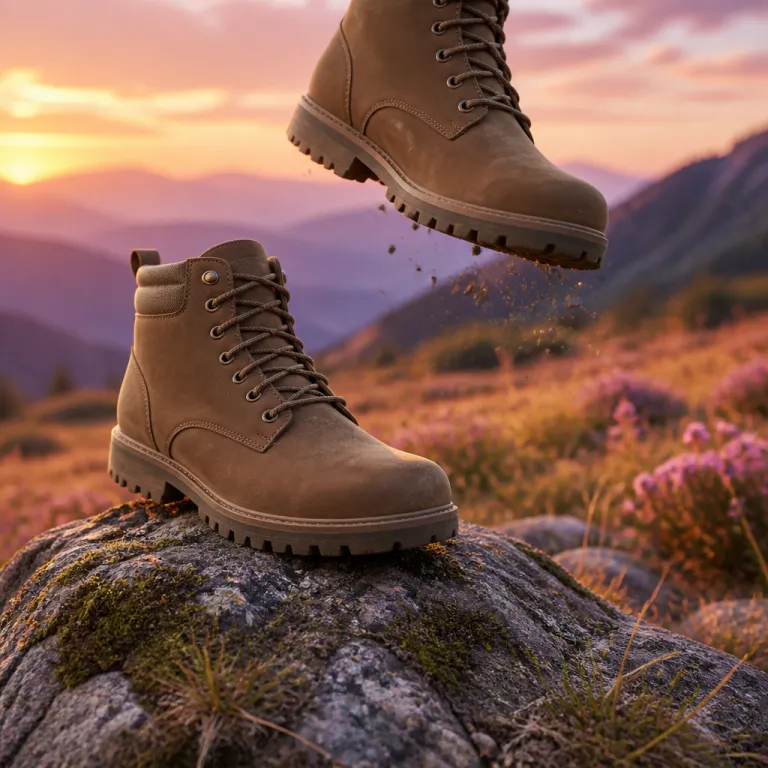
Why women’s chukka boots matter for serious hikers
Women who hike technical trails often underestimate how versatile a well built pair of women’s chukka boots can be. When a boot balances a precise toe profile, a supportive low to mid cut, and a stable platform, it becomes footwear that moves confidently from city pavement to alpine approaches. That blend of agility and structure is exactly why experienced mountaineers now keep at least one chukka style in their gear rotation.
On mixed routes with rock slabs, forest mud, and short scrambles, lightweight hiking boots for women must transition faster than traditional heavy backpacking footwear. A carefully constructed leather or suede women’s chukka gives enough ankle freedom for edging while still protecting the toe box from sharp scree and twisted roots. When these trail focused designs use recycled materials in the midsole and lining, the final product also answers growing sustainability expectations among outdoor focused women’s communities.
Many brands now rate their women’s chukka boots with technical metrics instead of only lifestyle language. You will see outsole hardness, heel to toe drop, and recommended size ranges listed alongside the price and expected terrain category. That level of detail helps women compare a warm lined leather model against a low cut desert boot–inspired chukka when planning multi day treks.
For hikers who also need footwear that works with casual office or travel outfits, the same women’s chukka styles can pair with everyday clothing after a summit day. A brown leather chukka with a subtle cap toe can move from hut dining rooms to urban streets without looking like pure trail gear. This dual role makes the investment in a higher price brand easier to justify, especially when free shipping and flexible delivery options are available.
Pay attention to how many stars a women’s chukka boot earns from reviewers who actually hike, not only walk city blocks. Reviews that mention twisted ankles avoided, secure midfoot hold, and stable performance under a heavy pack are more relevant than comments about color alone. As one long distance hiker wrote after a 60 kilometre weekend traverse, “my chukkas felt planted on wet rock and my ankles never once rolled, even with a full pack.” When a product consistently earns four or five stars from experienced hikers, it usually signals a final design that deserves a place beside your more traditional hiking boots.
Key design features that separate trail ready chukka boots
Not every pair of women’s chukka boots is engineered for demanding terrain, so design details matter. A trail capable model will combine a firm heel counter, a rock resistant toe bumper, and a midsole that resists collapse under load. Without these elements, boots that feel comfortable on flat paths may fail abruptly on steep, loose descents.
Look closely at the upper materials, because leather and suede behave differently when wet or frozen. Full grain brown leather chukka boots resist abrasion and support the ankle better, while black suede chukkas often feel softer and mold faster to the foot but demand more care. Many serious hikers now choose hybrid leather designs that mix suede panels with recycled synthetic reinforcements to keep the boot light yet durable.
Lacing architecture is another critical factor, especially for women’s feet that often need more precise midfoot control. A mid lace system that extends closer to the toe lets you fine tune volume for narrow or wide size profiles, which reduces sliding on long traverses. When that mid lace design is paired with a warm lined collar and tongue, the chukka can handle cold morning starts without sacrificing comfort later in the day.
Outsole geometry separates casual desert boots from true hiking footwear that only borrows the chukka silhouette. Deep, multi directional lugs, a defined heel brake, and a slightly stiffer mid section help prevent twisted knees on wet rock or loose gravel. If you regularly tackle boggy or snow covered routes, you may still prefer fully insulated wellies for women in the harshest terrain, as explained in this guide on why serious hikers choose insulated muck wellies for women in harsh terrain.
Comfort features should not be dismissed as luxury, because they directly affect safety on long days. A warm lined interior, a shaped cap toe, and a collar that avoids pressure on the Achilles tendon all reduce fatigue and blisters. When these details are executed well, women’s chukka boots can maintain stable performance for many hours without demanding constant fit adjustments.
Materials, sustainability, and long term durability
Material choice in women’s chukka boots now reflects both performance demands and environmental expectations. Many outdoor brands integrate recycled materials into midsoles, linings, and even laces, reducing waste without compromising trail capability. For serious hikers, the key question is whether these recycled components hold up as well as traditional foams and textiles under heavy pack loads.
High quality leather women’s chukka boots made from responsibly sourced brown leather can last for thousands of kilometres when maintained correctly. Regular cleaning, conditioning, and occasional reproofing keep the leather supple, prevent cracking, and maintain water resistance on muddy approaches. Suede chukka boots need gentler brushes and dedicated sprays, yet they reward that care with a softer feel and faster break in for many women’s foot shapes.
Some hikers worry that recycled materials in a chukka might reduce structural integrity, especially around the toe and heel. Field testing by independent labs such as SATRA and the University of Oregon’s Sports Product Testing group has shown that modern recycled midsoles can match or exceed the compression resistance of conventional EVA foams over extended use, with less than 5 percent additional compression set after hundreds of kilometres of simulated hiking. When combined with a robust rubber outsole similar to those used in classic hiking boots, the final product can withstand scree, roots, and repeated flexing without early failure.
Color and finish also influence durability, not just aesthetics or outfit compatibility. Darker brown leather and black suede hide scuffs better than pale tones, which helps women’s boots look presentable in town after rough trail days. If you prefer a more polished appearance, consider models that sit between chukka boots and Chelsea boots, using elastic side panels with a mid height cut for easier cleaning.
For hikers who prioritize both sustainability and longevity, it is worth comparing women’s chukka boots to more traditional nubuck hiking models. Detailed reviews of leading nubuck designs, such as those covered in this analysis of top nubuck leather hiking boots, show how premium hides age over time under real mountain use. Using that information, you can judge whether a lighter chukka built with recycled materials will realistically match your expected years of service.
Fit, sizing, and biomechanical performance on the trail
Correct fit in women’s chukka boots is non negotiable for anyone carrying a pack over varied terrain. A boot that feels slightly snug in the shop often relaxes after a few outings, especially when made from high quality leather or suede. Aim for a thumb width of space in front of the toe on descents, because that margin prevents bruised nails when your foot slides forward.
Women frequently report different pressure points than men, so women specific lasts are worth seeking out. These lasts usually narrow the heel, adjust midfoot volume, and refine the cap toe shape to match typical female anatomy. When combined with a supportive insole and a stable heel cup, such a boot can reduce pronation issues that often lead to twisted ankles or knee pain.
Size charts for women’s chukka boots sometimes differ from those for full height hiking boots, even within the same brand. Always check whether the product runs large or small, and read how many stars reviewers give to the accuracy of sizing. If you plan to wear thick warm lined socks in winter, consider going up half a size to maintain circulation without compressing the toes.
Biomechanically, a low to mid cut chukka allows more natural ankle articulation than a tall mountaineering boot. That extra freedom can improve balance on uneven rock and reduce fatigue on long traverses, provided the midsole remains torsionally stiff. For technical scrambling, some hikers even prefer a women’s chukka with a slightly pointed toe and a firm edge, because it behaves more like approach shoes than bulky traditional boots.
Rotating footwear across the season also protects your joints and extends the life of each pair. Use robust hiking boots for heavy loads and snow, then switch to lighter women’s chukka styles for shoulder season trails and urban approaches. This strategy spreads wear across multiple pairs and lets you fine tune support, weight, and flexibility to match each outing.
Balancing technical performance, aesthetics, and total cost
Outdoor enthusiasts rarely buy women’s chukka boots only for the mountains, so aesthetics and cost matter alongside performance. A well designed leather chukka in brown leather can complement smart casual outfits while still gripping wet roots on forest paths. That dual purpose reduces the effective price per use, especially when the brand offers free shipping and low cost resoling options.
When comparing models, look beyond the headline price and consider the full ownership picture. Factor in expected durability, availability of replacement insoles, and whether the boot can be resoled locally if the upper outlasts the tread. A slightly higher initial price for a premium product often becomes cheaper over time than replacing a budget pair of women’s boots every season.
Color choices also influence how often you will wear the chukka style away from the trail. Neutral tones such as brown leather or black suede pair easily with jeans, technical trousers, and casual dresses, which increases daily mileage. More technical looking color blocks may perform identically yet see less use in town, reducing the overall value of the purchase.
Some women prefer chukka boots that visually echo Chelsea boots, using clean lines and minimal stitching. Others lean toward desert boot silhouettes with mid lace systems and a slightly higher collar for extra support. Both approaches can work for hiking if the outsole, midsole, and toe protection meet the same standards you expect from dedicated hiking boots.
Retailers often highlight customer ratings with stars, but experienced hikers should read the narrative comments carefully. Look for mentions of rough terrain, scree slopes, and long days under load rather than only compliments about color or style. When a women’s chukka model earns high stars for both comfort and technical use, it usually signals a final product that justifies its price.
Integrating women’s chukka boots into a complete hiking system
Serious hikers think in terms of systems, not isolated pieces of gear, and women’s chukka boots are no exception. Your choice of socks, gaiters, and pack weight all interact with how a chukka performs on the trail. A warm lined sock can compensate for a lighter upper, while a heavy pack may demand a stiffer midsole even in a low cut design.
On multi day trips, many mountaineers carry both full height hiking boots and lighter women’s chukka models. The heavier pair handles snowfields, talus, and loaded summit pushes, while the chukkas take over for valley approaches and hut evenings. This rotation keeps feet fresher and reduces the risk of overuse injuries from repeating the same movement pattern in one boot all week.
Transport and storage also influence how long your footwear will last, especially when leather and suede are involved. Use a breathable accessory carrier that separates dirty boots from clothing and allows moisture to escape between stages of a trip. Detailed guidance on this approach is available in this analysis of why a portable accessory carrier matters for serious hikers and mountaineers, which applies directly to caring for women’s chukka boots.
For shoulder season hikes where weather can swing quickly, pairing women’s chukka boots with lightweight over gaiters offers extra insurance. The gaiters block debris and shallow water, while the chukka provides traction and support without the bulk of winter specific footwear. This combination works especially well for routes that mix forest tracks, rocky viewpoints, and short urban transfers.
Finally, remember that no single pair of women’s boots will suit every climate, pack weight, and technical demand. Treat your women’s chukka boots as one tool among several, ideal for low to mid intensity routes, travel days, and mixed use scenarios. When chosen carefully, they bridge the gap between everyday shoes and full scale mountain boots, giving you more flexibility across the hiking season.
Key statistics on women’s hiking and boot performance
- According to the Outdoor Industry Association’s 2023 Outdoor Participation Trends Report, women now represent roughly half of all hiking participants in the United States, which has pushed brands to expand women specific boot lines and refine women’s chukka boots for technical use (Outdoor Industry Association, 2023).
- Market research from NPD Group (now Circana) has shown that women’s hiking footwear sales grew faster than men’s between 2019 and 2022, with lightweight boots and hybrid shoe categories, including chukka styles, driving much of that increase (Circana Footwear Market Data, 2022).
- Laboratory tests cited by the American Podiatric Medical Association indicate that properly fitted hiking boots can reduce peak plantar pressure by up to 20 percent compared with casual shoes in controlled treadmill studies of adult walkers, highlighting the importance of correct sizing and supportive midsoles in women’s chukka boots (APMA, Footwear Position Papers).
- Consumer surveys from major outdoor retailers such as REI and Backcountry report that models with at least four out of five stars in user reviews experience significantly lower return rates, suggesting that star ratings remain a reliable indicator of overall boot satisfaction for women hikers (REI Co-op and Backcountry customer insights reports, 2021–2022).
- Lifecycle analyses conducted by several leading outdoor brands, including Adidas Terrex and Salomon, show that integrating recycled materials into footwear uppers and midsoles can cut product related carbon emissions by 10 to 30 percent, depending on the specific boot construction and supply chain (brand sustainability reports, 2020–2023).
FAQ about women’s chukka boots for hiking
Are women’s chukka boots suitable for serious mountain hiking
Women’s chukka boots can handle serious hiking when they use robust outsoles, supportive midsoles, and reinforced toe and heel zones. They work best for low to mid altitude routes, dry rock, and mixed forest terrain rather than sustained snow or glacier travel. For very harsh conditions, most mountaineers still rely on full height insulated hiking boots.
How should women’s chukka boots fit for long distance trails
The ideal fit leaves about a thumb width of space in front of the toes when standing on a downhill slope. The heel should lock firmly without lifting, and the mid lace area should feel snug but not restrictive across the instep. Always test the boot with the same warm lined or technical socks you plan to use on the trail.
What materials are best for durable women’s chukka boots
Full grain leather and high quality suede remain the most durable uppers for women’s chukka boots used on rough terrain. Many modern designs combine these with recycled synthetic reinforcements to reduce weight and environmental impact. Look for double stitching, a solid rand, and a reputable brand that publishes details about its materials and construction.
Can women’s chukka boots work as both hiking and everyday footwear
Yes, many women’s chukka boots are designed to transition smoothly between trail and town. Neutral colors such as brown leather or black suede pair well with smart casual outfits while still offering enough grip and support for moderate hikes. Choosing a model with a clean silhouette, similar to Chelsea boots or desert boots, makes this crossover even easier.
How do I maintain leather and suede women’s chukka boots
For leather chukka boots, clean dirt with a damp cloth, let them dry naturally, then apply conditioner and water repellent treatments as needed. Suede chukka boots require a soft brush to lift dirt and dedicated sprays that protect without clogging the nap. Storing both types in a cool, dry place with good air circulation will extend the life of the final product.