Fastpacking gear list for a first 30 mile day
Fastpacking sits between backpacking and trail running, and your first lightweight kit needs to reflect that hybrid reality. You are building a system where every pack item earns its place by function, not by comfort fantasy, because a 12 pound total weight (about 5.5 kilograms) feels light at the trailhead but brutally honest after 30 miles of climbing. Think of your fastpacking gear as a curated toolkit that lets you move fast, stay safe in changing weather conditions, and still sleep deeply when the running finally stops.
Start with the pack itself, because the wrong bag ruins even the best fastpacking plan. For a one or two night overnighter, most beginners do well with a 20 to 30 litre lightweight running style pack that carries like a vest but has enough structure to keep the weight from bouncing, while more experienced hikers may prefer slightly larger ultralight packs with minimalist hip belts. Aim for a base weight around 3 to 4 kilograms (roughly 6.5 to 9 pounds), which means your packing list must be brutally edited, with no camp shoes, no spare fleece just in case, and no redundant sleeping bags or oversized sleeping pad.
Your shelter and sleeping system dominate both comfort and weight, so treat them as a single decision. A beginner friendly setup should prioritise a light tarp or shaped tarp, a compact sleeping bag or quilt, and a thin but reliable sleeping pad that keeps you off cold ground without adding bulk, because this trio defines whether you actually rest or just lie there shivering. Keep the whole sleeping system, including stuff sack and any head net for bugs, under 1.8 kilograms (about 4 pounds) if possible, and remember that lighter does not always mean better when overnight temperatures drop or unexpected rain rolls in.
Sample minimalist gear list for a 30 mile day (approximate weights)
| Item | Example | Approx. weight |
|---|---|---|
| Pack (20–25 L) | Running-style fastpack | 500–650 g (1.1–1.4 lb) |
| Shelter | Silnylon tarp + stakes | 350–450 g (0.8–1.0 lb) |
| Sleep insulation | Down quilt (5–10 °C) | 450–650 g (1.0–1.4 lb) |
| Sleeping pad | Inflatable pad (R 3–4) | 300–400 g (0.7–0.9 lb) |
| Clothing carried | Fleece, shell, spare socks | 500–700 g (1.1–1.5 lb) |
| Cook kit | Ti pot, stove, small fuel | 250–350 g (0.6–0.8 lb) |
| Water capacity | 2 × 500 ml flasks + 1 L | Up to 2 kg (4.4 lb) when full |
Quick conversions for fastpacking planning
| Metric | Imperial |
|---|---|
| 1 kilogram | 2.2 pounds |
| 5 kilograms | 11 pounds |
| 30 miles | 48 kilometres |
| 10 miles | 16 kilometres |
Choosing the right pack and footwear for fast days
The pack is the backbone of any beginner fastpacking setup, and it must balance running comfort with real load support. Running vests shine for sub 5 kilogram loads on smooth singletrack, but once your total weight creeps toward 6 or 7 kilograms (13 to 15 pounds), an ultralight backpack with a minimalist frame and hip belt spreads the pressure better over long days. That is where studying how your first ultralight backpack handles volume, hip belt tension, and frame stiffness matters more than the brand logo on the bag.
Look for packs with front bottle pockets for water, quick access mesh for rain layers, and side pockets that you can reach while running, because stopping every hour to dig through your gear kills momentum. Many of the best fastpacking packs borrow from trail running vests with wide shoulder straps and multiple chest straps, yet they still carry like true ultralight backpacking rigs when you add a sleeping bag and sleeping pad. Keep the empty pack weight under 700 grams (about 1.5 pounds) if you can, and remember that lighter packs demand more disciplined packing and more attention to how the load rides against your back.
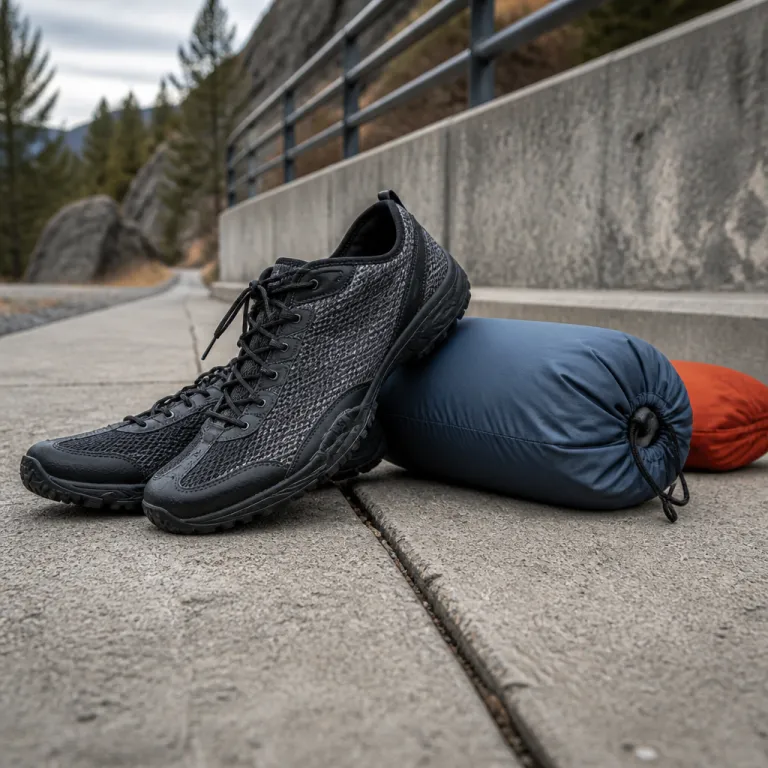
On your feet, trail running shoes are non negotiable for fastpacking, even if you usually hike in boots. Cushioned models like the Hoka Speedgoat (around 280–310 grams per shoe in men’s sizes, roughly 9.9–10.9 oz) protect joints during long running descents, while more responsive shoes such as the Salomon Sense Ride (roughly 270–290 grams per shoe, about 9.5–10.2 oz) give better ground feel and control when your pack feels light and the trail turns technical. Skip camp shoes entirely on a short fastpacking trip, because every extra pair adds weight and bulk that could instead go to a warmer fleece or a slightly thicker pad for better sleeping.
Sleep under nylon: shelter, sleeping system, and weather
Covering 30 miles a day only works if your sleeping system lets you recover, and that starts with choosing the right nylon above and below you. For a beginner fastpacking gear list, a simple tarp and groundsheet often beat an ultralight tent on weight, setup speed, and flexibility, especially when you expect mild weather conditions and can pitch in sheltered forest. A bivy bag can add warmth and bug protection under a tarp, but it also concentrates condensation, so many fastpacking hikers prefer a roomier nylon shelter that lets them move and manage wet gear.
Think of your sleeping bag and sleeping pad as a matched pair, because warmth comes from both loft and insulation from the ground. A 400 to 600 gram down sleeping bag or quilt paired with a high R value pad such as the Therm-a-Rest NeoAir XLite (around 360 g, R-value 4.2) or the updated NeoAir XLite NXT (about 370 g, R-value 4.5) keeps most people comfortable for three season fastpacking, while still fitting easily into a small stuff sack. These R-values are in line with current manufacturer specifications for three season pads, which typically range from about R 3 to R 5 for backpacking use, and they give a good balance of warmth and weight for overnight temperatures near freezing.
When you combine a Sea to Summit ultralight sleeping pad (roughly 350–400 g for three season models) with a NeoAir style mattress or similar, you gain redundancy and can tune comfort versus weight, but beginners should usually keep it simple with one reliable inflatable and a tiny foam sit pad. Pay close attention to weather conditions before every fastpacking trip, because rain and wind change what counts as the best fastpacking shelter choice. A light tarp that feels perfect in dry forecasts can become a liability in cold sideways rain, where a slightly heavier ultralight tent or a more enclosed tarp setup pays for its extra grams in real sleeping comfort. Whatever you choose, practise pitching your nylon shelter and adjusting guy lines at home, so that when the sky opens you are not learning knots in the dark while your gear slowly soaks with water.
Clothing, water, and small items that matter more than you think
Clothing for a first fastpacking kit should be built around active layers, not camp layers, because you will spend most of your time moving. A light synthetic or merino tee, running shorts with a good liner, and a trim fleece mid layer cover most conditions, while a breathable rain jacket and wind shirt handle sudden changes without adding much weight. For deeper detail on how fabric choices affect comfort during hard efforts, look at guidance on how breathable shorts fabric elevates comfort on demanding hiking routes, then apply the same logic to every textile you carry.
Water strategy can make or break a fastpacking trip, since carrying too much slows you down while carrying too little risks dehydration. Most fastpacking hikers do best with two soft flasks on the front of the pack for easy sipping while running, plus a small bladder or extra bottle in the main bag for dry stretches, and a reliable filter that works in silty streams. Remember that every litre of water adds one kilogram of weight (about 2.2 pounds), so plan refills around known sources and adjust your pace to match both terrain and weather conditions.
Do not neglect the small items, because they often punch above their grams in value. A head net weighs almost nothing yet transforms buggy camps into tolerable places to cook and sleep, while a tiny light titanium pot such as a Toaks Light model (around 80–120 g depending on volume) lets you boil water quickly for hot drinks or simple meals. Many fastpacking hikers carry a minimal cook kit and rely heavily on dehydrated backpacking meals, and exploring the world of dehydrated backpacking meals shows how calorie dense options can keep your bag lighter while still fuelling long days.
Training, pacing, and route choices for your first fastpacking trip
Fastpacking rewards running fitness more than backpacking experience, so your training should start with building a consistent trail running base. Aim for at least 40 kilometres (about 25 miles) per week on varied terrain before your first big fastpacking trip, then gradually add pack weight on long runs until carrying 5 to 6 kilograms feels natural. This weekly volume aligns with common coaching guidance for recreational trail runners preparing for marathon-distance efforts, and it gives your body time to adapt to both impact and load.
This progression teaches your body how the pack moves while running, and it exposes any hot spots from straps or bouncing gear before you are committed to a remote route. Route selection for a first-time fastpacker should favour smooth singletrack, bailout options, and moderate elevation gain over dramatic ridgelines. Loops and out and back routes simplify logistics, but a point to point trail with road crossings or huts can offer easier exits if weather conditions deteriorate or your pace drops, which matters when you are still learning how your body handles back to back 30 mile days. Avoid long rocky scrambles or exposed ridges on your first fastpacking trip, because those sections slow you down, punish ankles, and make trekking poles almost mandatory just to stay upright.
FKT athletes on routes like the Ice Age Trail show the extreme edge of what fastpacking can become, yet recreational fastpackers can still borrow their pacing and resupply strategies. They keep packs ruthlessly light, often trimming every stuff sack and choosing only the best fastpacking gear for their style, while accepting some discomfort to maintain speed, and you can adopt a softer version of that philosophy. In the end, success on your first fastpacking trip comes less from the exact model of NeoAir XLite NXT sleeping pad or the latest ultralight backpacking gadget, and more from honest self knowledge about your pace, your recovery needs, and your willingness to carry only what you truly use when the trail turns steep and the rain starts to fall.
Example 30 mile day and resupply plan
For a practical template, imagine a 48 kilometre loop with 1,500 metres of ascent, two reliable streams, and one road crossing with a small shop. Start at dawn with 1.5 litres of water and breakfast already eaten, run–hike the first 15 kilometres to the initial stream, refill to 1 litre, and snack every 45 minutes. Reach the road by mid afternoon, buy extra food if needed, top up to 2 litres for the final climb, then hike the last steep section before jogging gentle descents into camp. At night, filter another litre for cooking and breakfast, leaving camp in the morning with only enough water to reach the next known source.
On a simple map, you would mark the trailhead as your start, highlight the two stream crossings at roughly one third and two thirds of the loop, and circle the road crossing as your mid-day resupply point, then note estimated split times between each segment so you can check progress and adjust pace or water carries in real time.
FAQ
How heavy should my pack be for a first fastpacking trip ?
For a first fastpacking trip, aim for a total pack weight between 4.5 and 7 kilograms (10 to 15 pounds), including food and water at the start of the day. Keep your base weight, which excludes consumables, around 3 to 4 kilograms so that adding a sleeping bag, sleeping pad, and water does not push you beyond what feels runnable. If you consistently exceed these numbers, revisit your fastpacking gear list and remove duplicate clothing, oversized bags, or unnecessary cooking items.
Do I really need trekking poles for fastpacking ?
Trekking poles are not mandatory for fastpacking, but they help many runners and hikers manage steep climbs and long descents with a pack. Poles shift some load to your upper body, improve balance on loose terrain, and can double as tarp supports for ultralight shelters. If you are new to poles, practise using them on local trails before your trip, and choose lightweight folding models that can be stowed easily on your pack when you want to run without them.
Is a tarp safe enough compared to an ultralight tent ?
A well pitched tarp is safe for most three season fastpacking routes, provided you understand local weather patterns and have some practice setting it up. Tarps offer excellent ventilation, low weight, and flexible pitching options, but they require more skill and site selection than a freestanding ultralight tent. If you expect frequent heavy rain, strong winds, or exposed camps, a slightly heavier but more enclosed shelter may be the better choice for a beginner.
Should I choose a quilt or a traditional sleeping bag ?
Both quilts and traditional sleeping bags work for fastpacking, but quilts often provide a better warmth to weight ratio for experienced users. Quilts pair best with high quality sleeping pads and require careful adjustment of straps and draft control, while sleeping bags are more forgiving for restless sleepers or those new to ultralight systems. If you tend to move a lot at night or feel cold easily, a lightweight mummy sleeping bag may be the safer starting point.
How much running fitness do I need before trying fastpacking ?
You should be comfortable running at least 25 to 40 kilometres (15 to 25 miles) per week on trails before attempting a 30 mile fastpacking day. This base ensures your joints, tendons, and cardiovascular system can handle long hours of movement with added pack weight. Build up gradually, add pack training over several weeks, and test your full fastpacking gear list on shorter overnights before committing to longer routes.