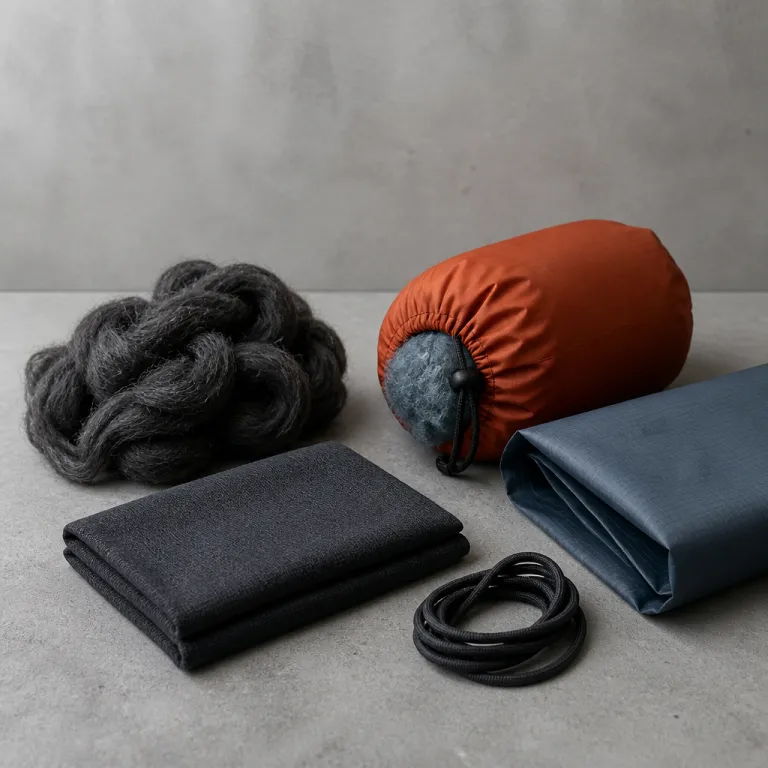
Why a summer hiking layering system matters at 3 600 meters
Summer feels simple at the trailhead, yet a smart summer hiking layering system prevents misery when the ridge turns hostile. On routes like the Tour du Mont Blanc or the Inca Trail, the temperature can swing from 32 °C in the valley to near freezing with wind and rain on a pass, so every layer you carry must earn its weight. Think of your clothes as modular layers that you can add or remove as weather, effort, and altitude change, rather than one heavy jacket that tries and fails to do everything.
Start by defining roles for each layer in the layering system, because a clear job description keeps your pack light and your body warm. The base layer manages sweat next to the skin, the mid layer adds active insulation, and the outer layer blocks wind rain or full alpine storms, while pants and accessories fine tune comfort in shifting conditions. When you treat each base, mid, and shell piece as part of a coordinated team rather than random hiking clothes, you will stay warm when you stop, cool while you climb, and safer when conditions deteriorate fast.
Experienced mountaineers already know that cold weather can arrive in minutes after a thunderstorm, yet many summer hikers still head out in cotton and a fashion hoodie. That works until a late afternoon squall soaks your jacket and base layers, the wind picks up, and your body cannot keep warm while you wait at a blocked trail section. A compact, fist sized summer hiking layering system solves that problem by giving you a light base layer, a wind shell, and an emergency synthetic insulation puffy that together weigh less than many single heavy fleece jackets.
Building the right base layer for real summer mountains
The base layer is the foundation of any serious summer hiking layering system, because it controls moisture and protects your skin from sun and pack straps. For hot approaches, a lightweight merino wool or high wicking synthetic tee in the 120 to 150 g per square meter range works best, as this kind of wool base or synthetic base layer moves sweat away quickly while remaining soft under shoulder straps and hip belts. Avoid cotton base layers at all costs, since wet cotton against your skin in a sudden storm can accelerate heat loss and turn a warm afternoon into a mild hypothermia scenario.
For multi day hiking in variable conditions, I prefer a short sleeve merino wool base for the day and a long sleeve synthetic base layer for camp, because alternating materials helps manage odor and drying time. Many modern merino wool base layers now include UPF ratings, so one base layer can replace a separate sun shirt and reduce total weight in your pack, while still keeping you warm enough when a breeze hits sweaty skin. Pair that with light, fast drying hiking pants instead of heavy cotton trousers, and your lower body layering will match the breathable efficiency of your upper body layers.
On higher routes like Kilimanjaro, where cold weather can still bite during rest stops, carry at least two base layers so you can swap a soaked base for a dry one before you cool down. This simple habit will keep warm blood flowing to your hands and feet, and it dramatically reduces the risk of getting chilled while you snack or adjust gear. If you tend to run cold, choose a slightly heavier mid weight wool base for summit pushes, then switch back to a lighter base layer once the sun returns and the wind drops.
The wind shell: the most underrated layer in your pack
A sub 90 gram wind shell jacket is the single most useful piece in a summer hiking layering system, yet many hikers still leave it at home. Unlike a full hard shell rain jacket, a minimalist wind shell focuses on blocking wind with just enough water resistance for short squalls, which means it breathes better during steep hiking and packs down to the size of a fist. Models like the Patagonia Houdini or Outdoor Research Helium Wind jacket weigh less than many T shirts, but they transform a light base layer and thin fleece into a system that feels surprisingly warm in gusty conditions.
On exposed ridges in the Rockies or Sierra Nevada, the difference between comfort and shivering often comes down to wind management rather than pure insulation. A thin wind shell over your base layer and a fleece mid layer traps a warm air buffer while shedding enough heat that you do not over sweat on climbs, and this balance matters more than chasing the absolute best waterproof rating. For many summer days, this soft shell style wind layer will stay on your shoulders for hours, while your heavier hard shell rain jacket lives deep in the pack as true storm insurance.
Fit matters as much as fabric in a wind shell, so choose a jacket that slides easily over both base layers and mid layers without flapping excessively in strong wind. The hem should cover the top of your hiking pants and the cuffs should seal reasonably well, because gaps here leak warm air and invite cold gusts. If you want a deeper dive into how a technical shell behaves in real mountain travel, read the detailed analysis of the Pacific Trail jacket in this guide to why the Pacific Trail jacket matters for serious mountain travel, then apply the same scrutiny to any wind shell you are considering.
The emergency puffy: synthetic insulation that earns its grams
An emergency puffy is not about comfort at camp, it is about margin for error when conditions go sideways. In a summer hiking layering system, that puffy should use synthetic insulation rather than down, because synthetic fibers retain more warmth when wet from rain, sweat, or condensation inside a shell. Aim for a jacket with roughly 60 to 80 grams of synthetic insulation in the torso, which usually lands around 200 grams total weight and compresses to something close to a softball in your pack.
This emergency mid layer lives in the bottom of your bag on most hiking days, but when you need it, you really need it. Think of a twisted ankle that forces a slow descent in cold wind rain, or an unplanned bivy above treeline when a storm blocks the route, where that synthetic insulation puffy under a hard shell can keep warm blood moving while you wait. Because this layer is about safety, not style, prioritize a simple design with a snug hood, clean cuffs, and a fit that layers cleanly over a base layer and under both a wind shell and a full rain jacket.
Arc Teryx, Patagonia, and Rab all make excellent synthetic mid layers, yet you do not need the most expensive option to build a reliable layering system. When you shop REI or your local specialty store, focus on how the puffy interacts with your existing base layers, mid layers, and shells, rather than chasing the highest advertised warmth rating. If your emergency jacket feels slightly too warm when worn over a base layer and fleece mid while standing still in a cool shop, that is usually the right level of insulation for real cold weather surprises in summer mountains.
The rain shell and pants: storm armor that mostly lives in your pack
A true waterproof hard shell and lightweight rain pants are the final outer layer pieces in a complete summer hiking layering system, even if they stay packed away most of the time. Modern PFAS free membranes have closed much of the performance gap with older fluorinated options, so you can now choose a sustainable rain jacket without sacrificing serious storm protection. Look for a shell jacket in the 200 to 250 gram range with pit zips or very breathable fabric, because in warm weather you will often wear it over just a base layer or thin fleece mid while moving fast through rain.
Rain pants for summer hiking can be even lighter, since they mainly protect against wind rain and brush rather than deep cold weather. A simple full zip or three quarter zip design around 150 grams lets you pull them over hiking pants quickly when conditions turn, then vent heat once the storm eases, which keeps your base layers drier and more effective. Some hikers skip rain pants entirely, but on alpine routes with frequent storms and strong wind, that choice can leave your legs soaked and chilled, undermining the rest of your layering system.
Durable Water Repellent coatings on shells wear off faster than most marketing suggests, especially under pack straps and hip belts. Long term tests of PFAS free boots and shells, such as this field report on when DWR stopped working after extended use in wet terrain, show that real world performance often declines after a few dozen days of hard hiking. Plan to refresh the DWR on your rain jacket and rain pants regularly, and remember that even a wet shell still blocks wind and preserves the warmth created by your base layer, mid layer, and emergency insulation.
Dialing the full system: weight, fit, and the fit in a fist test
When you lay out your full summer hiking layering system on the floor, it should look deceptively minimal. One or two base layers, a light fleece mid layer, a wind shell, an emergency synthetic insulation puffy, and a compact hard shell jacket with matching rain pants can handle everything from hot valley hiking to cold ridges with sleet. The goal is not to carry every possible layer, but to choose layers that work together across a wide range of conditions without redundancy.
A practical benchmark is the fit in a fist test, where your wind shell, emergency puffy, and rain jacket together compress to roughly the volume of a one liter bottle and weigh under 550 grams. Add two base layers, a fleece mid, and ultralight hiking pants, and your entire clothing system beyond what you wear should still stay under one kilogram, which leaves room in your pack for food, water, and safety gear. If your combined layers blow past that weight, you are probably doubling up on roles, such as carrying both a heavy soft shell and a thick fleece mid that overlap in function.
Fit is the final piece that turns theory into real trail performance, because poorly fitted layers create cold spots and hot spots. Your base layer should sit close without restriction, the fleece mid layer should glide over it, and the wind shell plus hard shell must slide on without bunching at the elbows or shoulders. Before a big trip, wear the full stack on a windy local hike, adjust hems and cuffs, and confirm that you can still reach for a trekking pole or scramble move without the jacket pulling your base layers out of place.
Integrating boots, socks, and lower body layers into the system
Upper body planning often steals the spotlight, but a summer hiking layering system fails if your feet and legs run either too hot or too cold. Start with a breathable pair of hiking pants that dry quickly after rain and block enough wind that you rarely need rain pants except in true storms, then add thin long underwear only for high, cold weather objectives. On your feet, treat socks as a base layer just like a shirt, choosing merino wool or synthetic blends that manage sweat and friction inside modern mid weight hiking boots.
Serious routes like the Pacific Crest Trail or alpine traverses demand that boots, socks, and lower layers work together to keep warm blood moving without trapping too much heat. A well cushioned, mid weight sock inside a supportive boot stabilizes your foot, while a thin liner sock can act as a second base layer to reduce blisters on long hiking days, especially when combined with breathable uppers that vent moisture. For more detail on how technical socks influence comfort and durability, see this analysis of knee high socks that elevate every serious hike, then match that knowledge to your own layering system from the ground up.
Remember that wind and rain hit your legs differently than your torso, so you can often run lighter on lower body insulation while still carrying robust weather protection. A simple combination of hiking pants, emergency rain pants, and well chosen socks gives you flexible layers that adapt quickly when conditions shift from hot sun to cold wind rain on a pass. In the end, the best system is the one you barely notice while moving, yet it quietly keeps you warm, dry, and ready for whatever the mountain throws at you.
Key figures for summer layering performance and safety
- Hypothermia can occur in wet, windy conditions at temperatures as high as 10 °C, which means a summer storm can create dangerous cold stress even when the air feels mild at the trailhead, according to mountain rescue statistics from multiple alpine regions.
- Lightweight wind shells in the 70 to 100 gram range can increase perceived warmth by one to two clothing layers in 20 to 30 km/h wind, based on thermal manikin tests published in outdoor apparel research.
- Merino wool can absorb up to 30 % of its weight in moisture while still feeling relatively dry against the skin, which helps base layers maintain comfort during long climbs with heavy sweating, as reported by textile performance laboratories.
- Field studies on synthetic insulation show that some polyester fills retain over 70 % of their insulating value when wet, while comparable down fills can lose more than half their loft, which supports choosing synthetic emergency puffies for summer storms.
- Backpacking surveys indicate that a complete three layer shell system under one kilogram total weight is achievable for most hikers using current ultralight designs, without sacrificing essential protection for multi day trips in variable mountain weather.
FAQ: summer hiking layering system
How many layers do I really need for summer mountain hiking ?
For most summer mountain trips, three core upper body layers plus storm protection are enough. Carry one or two base layers, a light fleece mid layer, a wind shell, an emergency synthetic insulation puffy, and a waterproof rain jacket. Add rain pants only if your route has frequent storms, long exposed sections, or cold weather at higher elevations.
Should my emergency puffy be down or synthetic for summer ?
For summer use, synthetic insulation is the safer choice for an emergency puffy. Synthetic fills keep more warmth when wet from rain, sweat, or condensation inside a shell, which is exactly when you are most vulnerable to getting cold. Down is lighter for the same warmth when dry, but it loses loft quickly if soaked during a storm or river crossing.
Do I still need a rain jacket if I carry a wind shell ?
Yes, a wind shell does not replace a true waterproof rain jacket in a summer hiking layering system. Wind shells handle short showers and strong breezes, but they will eventually leak in sustained rain or wet snow. A lightweight hard shell remains essential for real storms, especially above treeline or on multi day routes far from quick exits.
What fabric is best for a summer base layer ?
Lightweight merino wool and high wicking synthetics both work well for summer base layers. Merino offers better odor control and a softer feel, while synthetics usually dry faster and cost less. Avoid cotton for base layers, because once it gets wet it dries slowly and can increase your risk of getting chilled in wind or falling temperatures.
How small should my full layering system pack down ?
A well chosen summer hiking layering system for the upper body should compress to roughly the size of a one liter bottle and weigh under 550 grams for shells and insulation. When you add base layers and a light fleece mid, the total packed clothing weight beyond what you wear can still stay under one kilogram. If your system is significantly bulkier, you may be carrying redundant layers that overlap in function.