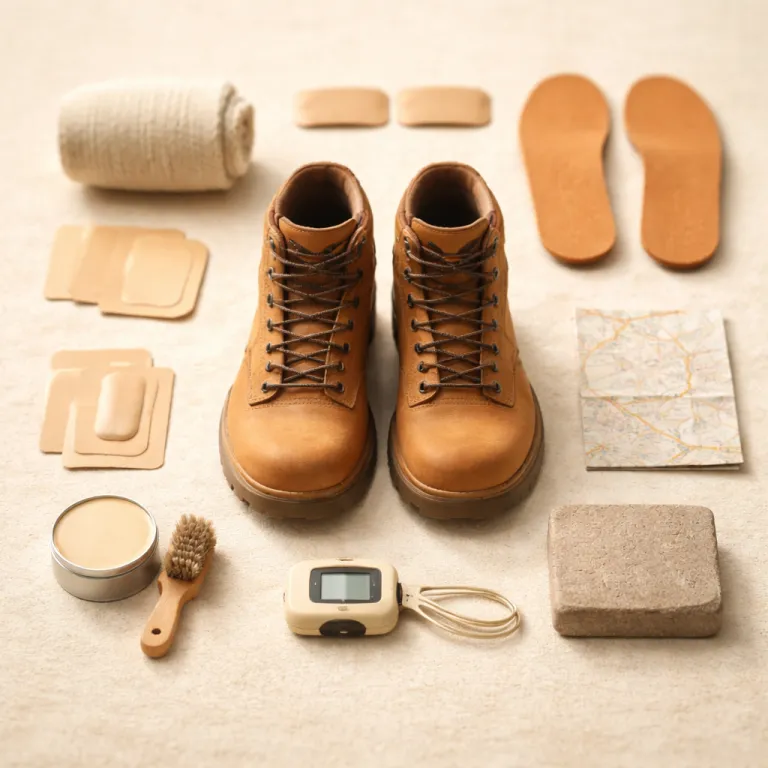

How to Break In Hiking Boots: Why the First 10 Miles Decide Your Whole Trip
You just bought a new pair of hiking boots and your real work starts now. Before those boots see any mountain trail, you need at least 10 to 15 miles (about 16 to 24 kilometres) of focused walking on real ground to complete the initial break-in, because this early phase teaches the boot how your feet move. Think of this article as a field manual on how to break in hiking boots so the leather, midsoles, and lacing techniques conform to your stride instead of fighting it, and so you can later extend that base to 20 to 30 miles for stiff leather backpacking models.
Indoor treadmills look tempting, but a treadmill session does not count toward that 10 mile minimum because the belt moves under you and reduces heel-to-toe flex cycles. When you walk outside in the boots, every step forces the boot to bend over uneven pavement, curbs, and small slopes, which makes the boots break in faster and more realistically than any gym machine. If you rely on treadmills alone, the shoes break along a flat, predictable pattern that fails the moment you hit a rocky hike with sidehills and loose gravel, where your feet wear very different stress patterns.
Speed walking on the sidewalk is your best early test because a brisk pace creates more flex per minute and exposes pressure points before they turn into blisters. Aim for two to three miles per session in the new boot, then add about ten percent more distance each outing, which matches the progressive loading guidance used in sports medicine and by large outdoor retailers for safe training. During this early break-in phase, pay attention to how your feet wear inside the boot, how the tongue settles, and whether the lacing techniques you use can relieve any hot spots without crushing your toes or making the boots feel longer than they are.
A step by step break in protocol for new hiking boots
Start by wearing the boots at home for one to two hours at a time so your feet can adjust without the pressure of a full hike. Lace the boot firmly over the instep but slightly looser at the toes, then walk stairs, stand while cooking, and move through your normal evening routine, because this low risk wear lets the upper begin to conform to your feet. Rotate between this new pair and an older pair of shoes so your feet do not fatigue while the boots soften gradually and the materials start breaking in along your natural flex lines.
Once you can comfortably wear hiking boots indoors for several hours, move outside for short neighbourhood walks of three to four miles with a light daypack. These early outings are where you refine lacing techniques, test how the pair of hiking boots handle gentle slopes, and feel whether the heel pocket locks in or slips with each step. If the boots will be used for backpacking, add a few kilograms to your pack after two or three walks, because weight changes how the boots break in and how your feet wear under load, especially over longer break-in sessions.
By the third or fourth outdoor session, introduce mixed surfaces such as gravel paths, park trails, and short stair climbs to accelerate breaking in boots without committing to a full trail hike. Keep each break-in walk under one hour at first, then extend the time as your confidence grows and as the shoes break more cleanly along your natural flex lines. If you have wide feet or tricky arches, cross check your fit strategy with a detailed guide to hiking boots for wide feet and last shapes, because a poor last match will not improve no matter how long you walk on pavement or how carefully you break boots in.
Socks, double layers and managing pressure points before blisters
The wrong socks can sabotage even the best fitting boots during the first break-in week. Choose a medium weight merino wool or merino synthetic blend sock, because these fibres manage moisture and reduce friction far better than cotton socks that stay damp and cold. When you wear socks made from merino, your feet stay drier and the boots break in along the shape of your toes instead of along random wrinkle lines that create pressure points.
For longer break-in walks or early backpacking shakedowns, many hikers prefer a double layer system with a thin liner sock under a cushioned outer sock to reduce shear forces on the skin. This double layer approach lets the two socks rub against each other while your feet remain more stable inside the boot, which can dramatically lower the risk of blisters on the heel and around the ankle bones. If you want to stress test the fit, try a short walk with slightly damp socks, because this worst case scenario reveals pressure points that dry conditions might hide and shows where the boots will rub on a rainy hike.
Any time you feel a hot spot, stop immediately and treat that area before the next mile, because early intervention is the difference between a minor annoyance and a ruined hike. Use Leukotape or moleskin to pre tape known pressure points such as the back of the heel, the side of the big toe, or the top of the instep where laces cross, and then adjust your lacing techniques to relieve direct pressure. When you combine smart taping, dialled in lacing, and the right socks, the boots will conform to your feet instead of forcing your feet to conform to the boot, which is the only sustainable way to break in hiking footwear for multi day trips and longer backpacking routes.
Leather versus synthetic boots and when to stop trying
Not all hiking boots break in the same way, and material choice matters more than most buyers realise. Full grain leather boots, like the classic Scarpa Kinesis Pro or Lowa Tibet, can stretch noticeably over time, which means a slightly snug new boot may relax into a better fit after roughly 20 to 30 miles of mixed walking and easy hiking. Synthetic or fabric heavy boots, especially light models that feel close to trail running shoes, will barely stretch at all, so the out of box fit must already feel dialled and comfortable across the forefoot.
If you feel bone level pressure on the side of your forefoot or your little toe goes numb within thirty minutes, that is a sign the last shape is wrong and no realistic break-in period will fix it. Another red flag is persistent heel lift even after experimenting with different lacing techniques and insole options, because repeated heel slip means the boots will keep generating blisters no matter how many miles you hike. In both cases, the smartest move is to return the pair and start again, rather than forcing a break-in on a pair that will never truly conform to your feet or support you on a demanding trail.
Leather boots reward patience, but they also punish neglect, so condition the uppers lightly after the first few wet hikes to keep the fibres supple while the boots break in. Synthetic boots demand less care yet often have midsoles that pack out faster, which can make the boots feel longer and sloppier after a season of hard backpacking. If long term durability and resoling matter to you, look for models that can be refurbished and study a guide to hiking boots you can resole or recycle, because a boot that fits and can be rebuilt is worth the extra break-in effort and the time you spend getting the fit right.
From sidewalk to trail: when your boots are truly ready
A new pair of hiking boots should log at least 10 to 15 miles on varied pavement and park paths before you trust them on a real trail, with stiff leather models often benefiting from closer to 20 miles before serious backpacking. Once you can wear hiking footwear for two hours without hot spots, numb toes, or arch fatigue, you are ready for a short hike of 5 to 8 miles on easy terrain. Use this first trail hike as a diagnostic run, not a summit push, because the goal is to see how the boots behave under uneven loads, sidehills, and short descents.
On that first proper hike, carry a modest backpacking style load of five to eight kilograms, plus a small repair kit with spare laces, Leukotape, and a blister kit. Pay attention to how your feet wear during climbs versus descents, because many boots that feel perfect on the way up will crush toes on the way down if the forefoot volume is too low or the lacing techniques are not tuned. If you feel your toes ramming the front of the boot on every step downhill, stop, re lace with a heel lock, and if that fails, accept that this pair may be the wrong fit and that no amount of breaking boots in will fix that.
After two or three successful shakedown hikes, you can confidently extend distance and elevation, knowing the boots will support you rather than sabotage you. At this stage, the shoes break more predictably, the collar softens, and the midsole begins to conform to your feet, which makes longer days feel easier. When you finally shoulder a full backpacking load for a multi day trip, your focus can shift from worrying about blisters to reading the weather, the map, and the next river crossing instead of wondering how your boots will behave.
Advanced fit tweaks, trail running cross training and care that extends boot life
Once the basic break-in is complete, you can fine tune fit and performance with a few advanced tricks that experienced hikers rely on. Swap in aftermarket insoles if you need more arch support or a deeper heel cup, because a stable platform helps the boots break in more evenly and reduces fatigue over long time on your feet. Experiment with different lacing techniques for steep climbs, long traverses, and technical descents, since micro adjustments in tension can relieve pressure points without changing the overall fit or making the boots feel too tight.
Some hikers use short trail running sessions in older shoes to build foot strength while they continue to break in boots on separate days, which keeps conditioning high without overloading the same tissues. This cross training approach means your feet wear different patterns of stress across the week, so when you finally combine new hiking boots with a heavy pack, your muscles and tendons are already prepared. Just avoid doing hard running workouts in the same week as your longest break-in hikes, because fatigue can mask early warning signs of blisters or overuse and make it harder to judge how well the boots fit.
After each outing, dry your boots slowly at room temperature, remove the insoles, and loosen the laces so the boot can fully open and release moisture. Never park boots next to a heater or campfire, because excessive heat can make the leather crack, the glue fail, and the boots feel longer in the toe box as the structure warps, which undoes all your careful break-in work. For long wet trips, focus on pairing well broken in boots with reliable waterproof layers in your sleep system and clothing, because staying dry at night helps your feet recover and keeps the next day’s hiking miles comfortable.
Key statistics on breaking in hiking boots
- Retailers and boot fitters report that failed break-in is among the leading reasons for early returns of hiking boots, which means many problems blamed on the boot actually start with rushed preparation and poor fit checks.
- Progressive loading protocols that increase walking distance by about 10 percent per session are widely used in sports medicine to reduce overuse injuries, and the same approach works for breaking in boots safely over time.
- Full grain leather uppers can stretch noticeably over several dozen miles, while synthetic uppers show minimal stretch, so material choice directly affects how much a boot can adapt and how long the break-in will take.
- Studies on blister formation in endurance events consistently show that moisture and friction together are the main drivers, which is why merino blend socks and double layer systems are so effective during break-in and longer hikes.
- Heel lift greater than roughly 5 millimetres during walking is strongly associated with blister risk on long hikes according to boot fitters and field observations, making secure heel lock lacing techniques essential during the first 10 to 20 miles.
Frequently asked questions about how to break in hiking boots
How long does it usually take to break in hiking boots ?
Most hikers need between 20 and 30 miles of mixed walking and easy hiking to fully break in hiking boots, spread over several weeks, especially for stiff leather backpacking models. Light synthetic boots may feel ready after 10 to 15 miles, while traditional leather designs often need the full distance before they truly conform to your feet. The key is to increase time and load gradually while monitoring for hot spots and persistent pressure points that do not improve with lacing tweaks.
Can I speed up the break in by soaking my boots in water ?
Soaking boots in water to force a faster break-in is an outdated technique that often damages modern materials and adhesives. Wet leather that dries too quickly can crack, and soaked midsoles may lose cushioning or shape, which makes the boots break in unevenly and can shorten their life. A controlled routine of dry walks, proper socks, and smart lacing is safer and more effective for breaking boots in without voiding warranties or weakening seams.
Is it normal for new hiking boots to hurt at first ?
Mild stiffness and awareness of new pressure points are normal during the first few sessions, but sharp pain, numbness, or severe blisters are not. If discomfort improves with small lacing changes and shorter walks, the boots will probably conform to your feet over time and feel better as the materials soften. If pain appears quickly and repeats every time, the fit or last shape is likely wrong and you should consider returning the pair rather than hoping more miles will fix it.
Should I use the same socks for every break in walk ?
Using the same model of merino blend socks for most break-in walks is smart, because it keeps one variable consistent while the boots adapt. Once the fit feels dialled, you can test different sock thicknesses to see how they affect volume and warmth on longer break-in hikes and cooler days. Avoid switching between thick and ultra thin socks early on, because that can hide or exaggerate pressure points in confusing ways and make it harder to judge how the boots really fit.
When should I give up on a pair of boots and return them ?
You should stop trying to break in a pair if you still have bone deep pressure, toe bang on descents, or major heel lift after 15 to 20 miles and several lacing experiments. Boots that cause numb toes or persistent blisters in the same spot are signalling a fundamental fit problem, not a temporary stiffness issue that more miles will solve. Returning that pair and starting over is better than gambling your bucket list hike on wishful thinking and hoping the boots will somehow change shape.