
Summary
Editor's rating
Value: good, but not cheap, and there are alternatives
Design: classic looks, a few practical choices, and some quirks
Comfort: very good once dialed in, but not zero break‑in
Materials: proper leather and Gore‑Tex, but not ultra premium
Durability: looks promising, but needs care and isn’t bulletproof
Performance on the trail: stability and waterproofing are the highlights
What you actually get with these Lowa Renegades
Pros
- Very comfortable for long walks once broken in, with good ankle support
- Gore‑Tex waterproofing works well in rain, mud, and wet grass
- Solid leather construction and stable sole that holds shape over time
Cons
- Basic stock insole; many users will want to replace it for better support
- Runs warm in hot weather compared to non-membrane or lighter boots
- Lots of stitching on the upper, which could be a long-term weak point if not maintained

Specifications
View full product page →| Brand | LOWA |
Serious boots for people who actually walk in them
I’ve been using the Lowa Renegade GTX Mid (size 10 UK, dark brown) as my main hiking boot for a while now. I’ve done a mix of stuff with them: wet forest tracks, rocky hill paths, and a few long city days where I just couldn’t be bothered to change shoes. So this isn’t a “tried them on in the living room” review. They’ve had mud, rain, and a couple of 20 km+ days.
My baseline: I usually hike in Salomon and Meindl boots, and I’ve killed a few cheap pairs from Decathlon in under a year. I’m not ultra careful with gear, but I do clean and proof leather every now and then. With that in mind, I was curious if the Renegades were really worth the price or just riding on reputation and that 4.6/5 rating you see everywhere.
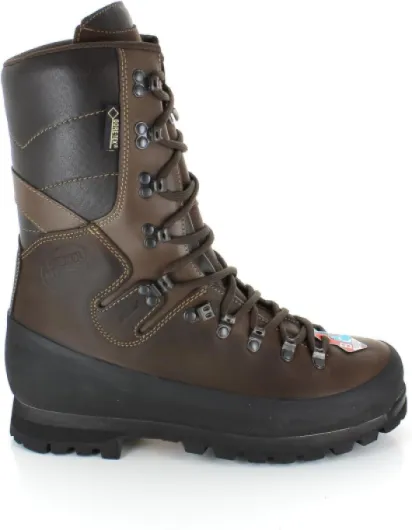
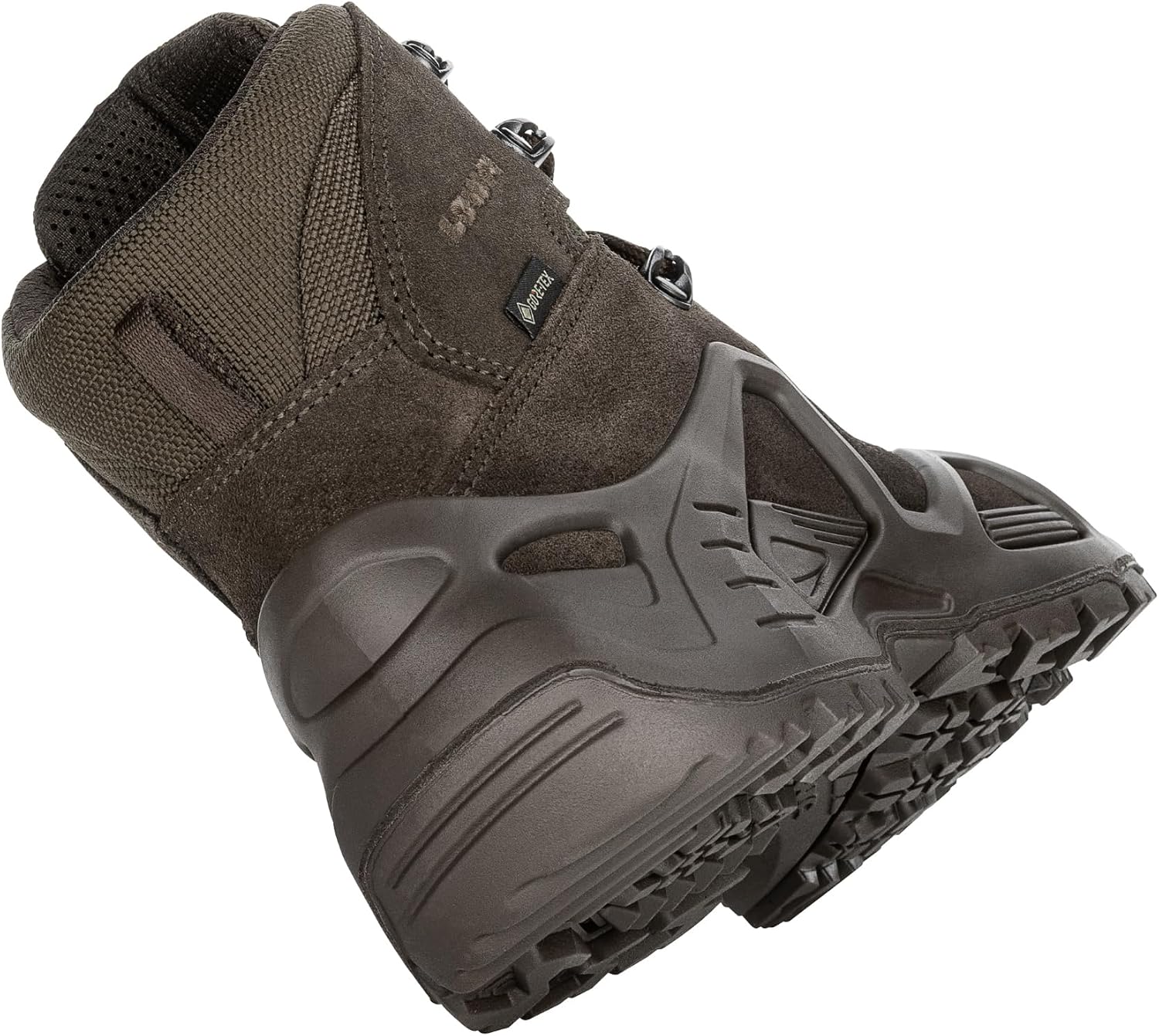
First impression when I took them out of the box: they look like classic hiking boots, nothing flashy. Dark brown leather, mid height, standard lace-up with hooks at the top. They feel solid in the hand but not like heavy army boots. I weighed one boot on a kitchen scale and it matched what’s advertised: not ultralight, but not a brick either.
Overall, these feel like boots made for people who actually walk long distances, not for posing in an “outdoor lifestyle” photo. They do some things really well, and a couple of things annoyed me. If you’re thinking of buying them for hiking, work, or daily use, I’ll walk you through what’s good, what’s average, and what straight up bothered me.
Value: good, but not cheap, and there are alternatives
Price-wise, the Lowa Renegade GTX Mid sits in that mid-to-high range for hiking boots. You can easily find cheaper boots from brands like Quechua/Decathlon or Hi‑Tec that also claim “waterproof leather” on the box. The question is whether the extra money on these Lowa boots actually shows up in daily use. For me, yes, but with a few caveats.
What you’re paying for here is mainly: decent leather, Gore‑Tex, and a proven hiking design that a lot of people use every day. They’re comfortable enough for long distances, stable, and properly waterproof. Compared to my cheaper boots from the past, the difference is that I don’t end the day with mashed feet and burning hotspots. Also, the midsole and upper feel like they’ll hold their shape longer instead of going floppy after one season.
On the downside, you’re not getting perfection. The stock insole is mediocre for the price, and I think Lowa could have done better there. For what these cost, having to immediately buy better insoles feels a bit cheap from the manufacturer. Also, if you just do light walking a few times a year, these are probably overkill. You’d be paying for durability and performance you’ll never really use.
So in terms of value: if you hike a lot, walk long distances, or need a reliable waterproof boot for work or daily use, the price starts to make sense. You’ll actually use what you’re paying for. If you’re more of a casual stroll person and mostly walk on tarmac, you can definitely get away with something cheaper and lighter. I’d call these good value for heavy users, decent but not amazing for casual users.
Design: classic looks, a few practical choices, and some quirks
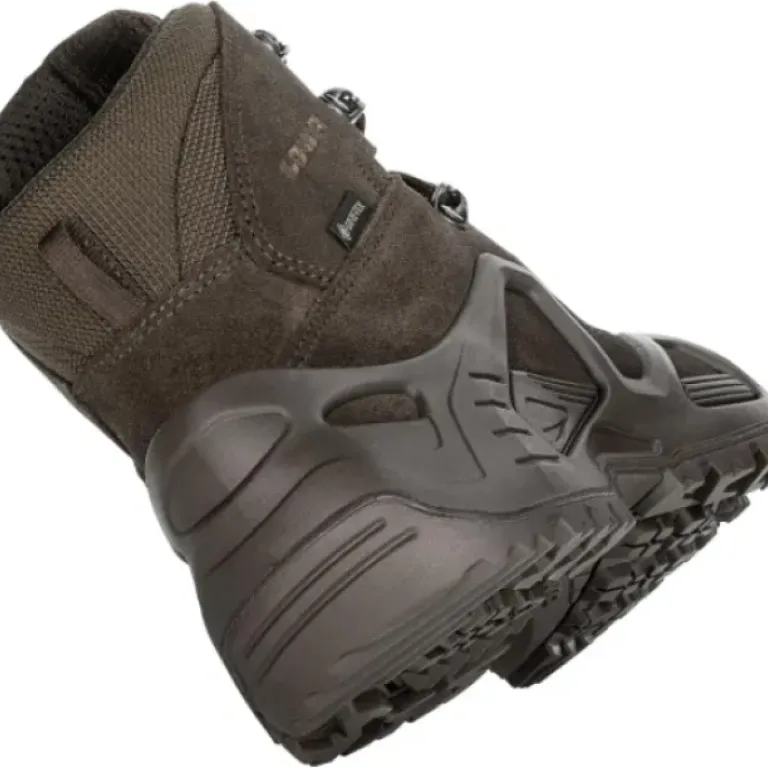
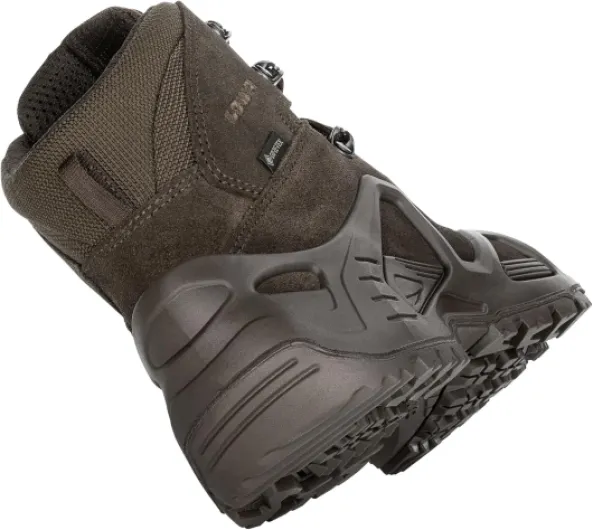
Design-wise, the Renegade GTX Mid is very conservative. Dark brown nubuck, minimal branding, solid colour, round toe. It looks like a standard hiking boot you’d see on a mountain path, not a fashion piece. I actually like that: you can wear them in town with jeans and not look like you’re about to climb Everest. If you want something tactical-looking or flashy, this isn’t it. It’s more “dad on a Sunday hike” than “special forces cosplay”.
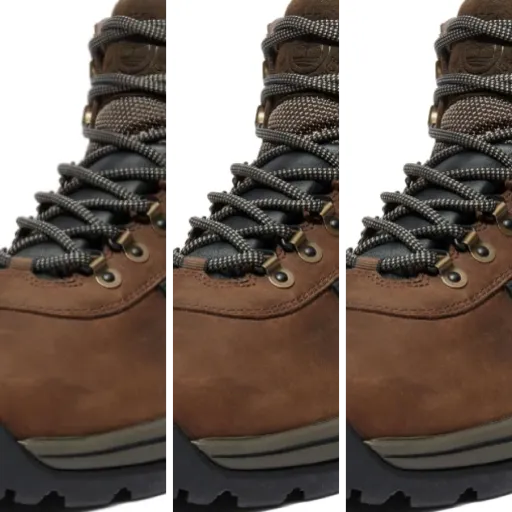
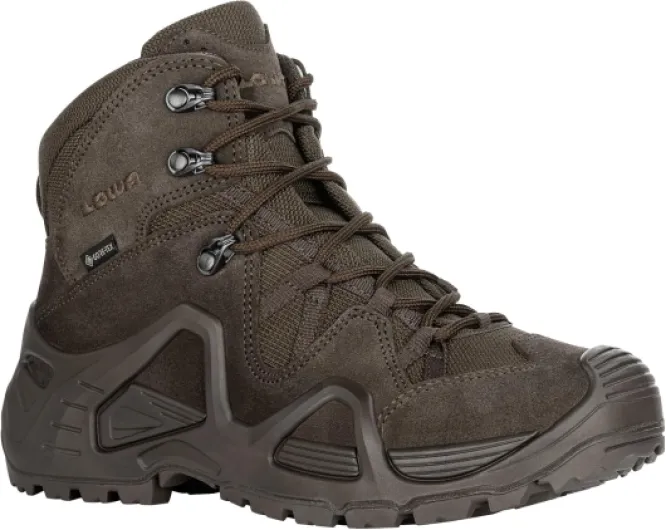
The lacing system is pretty practical. You’ve got normal eyelets on the lower part and three hook eyelets at the top. That lets you fine-tune the tension on the lower foot and keep the ankle a bit looser if you want. I used a trick similar to what one reviewer mentioned: tightening the lower part, doing a twist lock before the hooks, then leaving a bit of slack near the top. That stopped the heel from lifting without killing my Achilles. Once you find your lacing method, they stay put most of the day.
One thing I noticed: there’s a lot of stitching. Panels of leather, seams everywhere. Functionally, it gives structure and shape, but every seam is a potential weak point or water entry if the Gore‑Tex fails. You’ll want to keep an eye on those over time and use wax or spray regularly. It’s not a deal breaker, but compared to some more minimal leather uppers, this is busier. On the flip side, the design does hug the foot reasonably well, and the toe box has enough room for my toes to move without feeling like clown shoes.
In terms of height, they sit right at the ankle. Enough coverage to support and keep junk out, but not as tall as full-on military boots. For me, that’s a good compromise: I get some support without feeling locked in a cast. Overall, the design is functional and low key. Nothing that makes you go “wow”, but everything is where it should be. The only real downside is those many seams, which might matter for long-term durability if you’re rough on boots.
Comfort: very good once dialed in, but not zero break‑in
Comfort is where these boots are actually pretty strong. Out of the box, they were already wearable for a full day. I did about 8 km the first day with no blister, just a bit of pressure on the top of the foot where the tongue and laces cross. After two or three outings, that went away. I wouldn’t say they’re 100% “slippers out of the box”, but they’re far from those stiff boots that destroy your heels for a week.
The fit in 10 UK was true to size for me. I’m a standard 10 in most hiking boots. There’s enough room in the toe box to wiggle toes and avoid bashing them on descents, which is important. The midfoot is held fairly snug, and the heel lock is decent once you play with the lacing. Lowa does different widths, but in the UK you mostly find the regular width. If you’ve got very wide or very narrow feet, that might be a limitation. For my medium-width foot, regular was fine.
Underfoot cushioning is good enough for long days. I did a 25 km day with mixed terrain and didn’t get that “feet on fire” feeling you get in hard boots with no padding. That said, the stock insole is basic. After two hikes I swapped it for a firmer arch-support insole, and that made a noticeable difference, especially for my slightly flat feet. If you have plantar fasciitis or similar issues, I’d almost say upgrading the insole is mandatory. One Amazon reviewer used them to help with plantar fasciitis and had the same experience: good base boot, better with custom inserts.
Heat-wise, in cool to mild weather they’re comfortable. In hot weather, they run warm, like most waterproof leather boots. Your socks will be damp after a long summer hike. I wouldn’t pick them as my only boot for a hot country, but for UK/central Europe type climates, they’re fine. Overall, comfort is a strong point: supportive, stable, and forgiving enough for long walks, as long as you accept a short break-in and maybe change the insole.
Materials: proper leather and Gore‑Tex, but not ultra premium
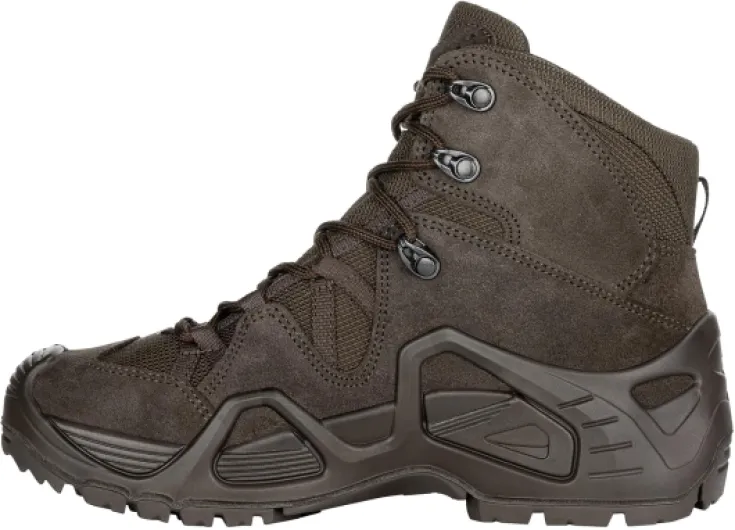
The materials are one of the main selling points here. The upper is 100% nubuck leather. It feels decent in the hand, not super soft like high-end Italian stuff, but not cheap and plasticky either. After a few hikes, it started to flex nicely without showing ugly cracks, which is usually a good sign. I did treat them with a waterproofing spray after the first muddy outing, and the leather took it in well. If you’re the type who never maintains leather, these boots will probably age fast and look rough.
Inside, you’ve got a Gore‑Tex Extended Comfort lining. That’s supposed to be the more breathable version of Gore‑Tex, aimed at active use. In practice, my feet stayed dry from outside water – walking through wet grass, puddles, and light rain, no leaks. From the inside, it’s the usual story: it breathes better than a rubber boot, but if it’s hot and you’re sweating, you’ll still end up with damp socks. Compared to non-membrane leather boots, your feet run warmer, which is expected.
The midsole is polyurethane (PU), which is standard in many hiking boots. It gives decent cushioning and doesn’t pack out as fast as EVA in my experience, but it can degrade over many years if stored badly. The outsole is rubber with a fairly grippy pattern. It’s not a Vibram-branded sole on my pair, but grip on dirt, gravel, and wet grass was fine. On smooth wet rock or metal, they’re okay but not miraculous – I still had to watch my step.
Inside, the insole is a basic felt/polyamide combo. It’s okay, but nothing special. I swapped it after a couple of hikes for a more supportive insole with better arch support, like one of the Amazon reviewers mentioned. That made a noticeable difference in comfort on long days. So materials overall: solid, functional, but the stock insole is the weak link. The rest feels like it can handle regular hiking and daily wear if you give the leather some basic care.
Durability: looks promising, but needs care and isn’t bulletproof
Durability is always tricky to judge early, but I can at least talk about how they’re holding up so far and what I’ve seen on other people’s pairs. After a few months of use – about 250–300 km of walking plus regular casual wear – the boots are in good shape. The leather has some creases where you’d expect, but no cracks. The sole shows normal wear on the heel and forefoot, nothing dramatic. The stitching is still intact everywhere.
The weak points I’m watching are the many stitched panels and the PU midsole. Lots of seams means more chances for something to come loose after a few years, especially if you’re rough or never clean them. The PU midsole, like on many boots, can degrade or crumble if you leave them in a damp cupboard for years unused. For people who wear them regularly, that’s usually less of an issue. If you buy them “for later” and store them, that’s where PU midsoles can surprise you.
Several Amazon reviewers mentioned getting 18–24 months of daily use out of similar Lowa boots before they feel “done”. That lines up with what I’d expect: if you wear them almost every day, hike, work, and don’t baby them, around two years is decent. If you only hike on weekends and maintain them (clean, dry, proof the leather), I can see them lasting longer. They’re not indestructible combat boots, but they’re clearly tougher than cheap fashion “hiking style” boots.
The key with these: treat them like leather boots, not disposable trainers. Rinse off mud, let them dry away from radiators, add waterproofing from time to time. Do that, and they should stay structurally sound for quite a while. If you just hammer them and never care for them, they’ll still last a bit, but you’ll cut their lifespan. So durability: pretty solid for real-world use, but with the usual leather boot maintenance conditions attached.
Performance on the trail: stability and waterproofing are the highlights
On actual trails, the Renegade GTX Mid does the main job: keep your feet supported and dry. The ankle support is decent for a mid-cut boot. I walked on uneven rocky paths and some rutted forest tracks, and the boot kept my ankle from rolling without feeling like a ski boot. The three-hook lacing helps you adjust how locked in you want to be. For heavy loads or multi-day treks, I’d maybe want something a bit stiffer, but for day hikes and light backpacking, these are fine.
Waterproofing is solid. I’ve gone through wet grass, muddy paths, and shallow puddles. No leaks so far. The Gore‑Tex does its job. The leather beads water nicely after proofing. As usual, if you stand in water above the ankle, it will eventually seep in from the top, but that’s user error, not the boot’s fault. Breathability is okay for a waterproof boot, but don’t expect miracles. On a cool, damp day, my socks came out just slightly moist from sweat, which is normal.
Grip is good on dirt, gravel, and forest floors. On wet grass, they held up fine, I didn’t end up sliding around. On smooth wet rock or metal surfaces (bridges, stairs), you still need to be careful. I had a couple of small slips but nothing crazy. It’s roughly on par with other mid-range hiking boots I’ve used. If you do a lot of scrambling on wet rock, you might want a more aggressive sole, but for general trekking and mixed terrain, this is enough.
For long distances, I’d rate performance as “reliable and predictable”. I’ve done 20–25 km days several times, and my feet were tired but not wrecked. No big hotspots, just normal fatigue. Compared to cheaper boots I’ve had, the main difference is that the support doesn’t collapse halfway through the day. They keep their shape, the heel doesn’t suddenly start rubbing, and the sole still feels stable when you’re tired. Nothing spectacular, but they get the job done very consistently.
What you actually get with these Lowa Renegades
On paper, the Lowa Renegade GTX Mid is a mid-cut leather hiking boot with a Gore‑Tex membrane, rubber sole, and polyurethane midsole. The size I used is 10 UK, labelled as a men’s trekking/hiking model, dark brown colour. It’s ankle height, lace-up closure, with three hook eyelets at the top. The boot is sold as waterproof and all-season, with a flat heel and round toe. In short: classic trekking boot spec.
The materials list is pretty clear: upper is 100% nubuck leather, lining is Gore‑Tex (ePTFE), midsole is 100% polyurethane, outsole is rubber. The insole is a mix of felt and polyamide. So no fancy carbon plates or weird gimmicks, just a traditional setup. The pair I got weighed roughly 680 g per boot according to the product sheet, which lines up with how they feel on foot: you notice them, but they don’t drag your legs down.
Use case according to Lowa and the Amazon listing: rugged terrain, sandy soils, trekking, even classed as “combat boot” in some listings. In practice, I’ve used them for: day hikes in mixed terrain, wet grass and mud, some stony tracks, and a few urban days where I was on my feet 8–10 hours. They’re clearly built more for walking than for running; they’re listed under “trail” category but don’t confuse them with trail running shoes.
If you like simple, no-nonsense boots, this model fits that. No air bubbles, no crazy colour patterns, no gimmicky zips. Just a mid-height leather boot with a waterproof membrane. The question is whether that fairly basic concept is worth the price when you can find cheaper leather boots that claim the same specs. That’s where the details and real use start to matter.
Pros
- Very comfortable for long walks once broken in, with good ankle support
- Gore‑Tex waterproofing works well in rain, mud, and wet grass
- Solid leather construction and stable sole that holds shape over time
Cons
- Basic stock insole; many users will want to replace it for better support
- Runs warm in hot weather compared to non-membrane or lighter boots
- Lots of stitching on the upper, which could be a long-term weak point if not maintained
Conclusion
Editor's rating
The Lowa Renegade GTX Mid is a solid, no-nonsense hiking boot that does the basics well: comfort, waterproofing, and stability. After real use on trails and in town, I’d say it’s clearly a step above cheap hiking boots, mainly because your feet feel supported all day and the leather and sole hold up properly. There’s a short break-in, but nothing dramatic, and once you dial in the lacing and maybe swap the insole, they’re easy to wear for long distances.
They’re not perfect. The stock insole is underwhelming for the price, they run a bit warm in hot weather, and the many stitched panels might be a long-term weak point if you abuse them and never maintain the leather. Also, if you only walk occasionally on easy paths, you’re probably spending more than you need to. But if you actually hike, work on your feet, or just want one pair of boots that can handle mud, rain, and long walks, they make sense.
In short: good choice for regular hikers, dog walkers who do serious mileage, and anyone needing a reliable waterproof boot for mixed terrain. People who only want something light for city use or summer holidays can look at lighter, cheaper options. They’re not flashy, but they get the job done consistently, which is what I care about in this kind of boot.