Key construction details that separate average from best
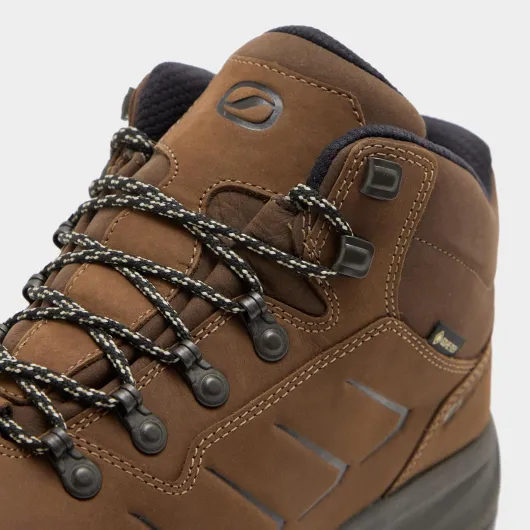
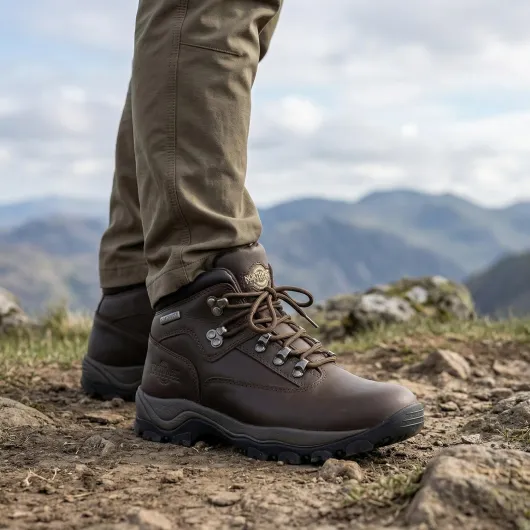
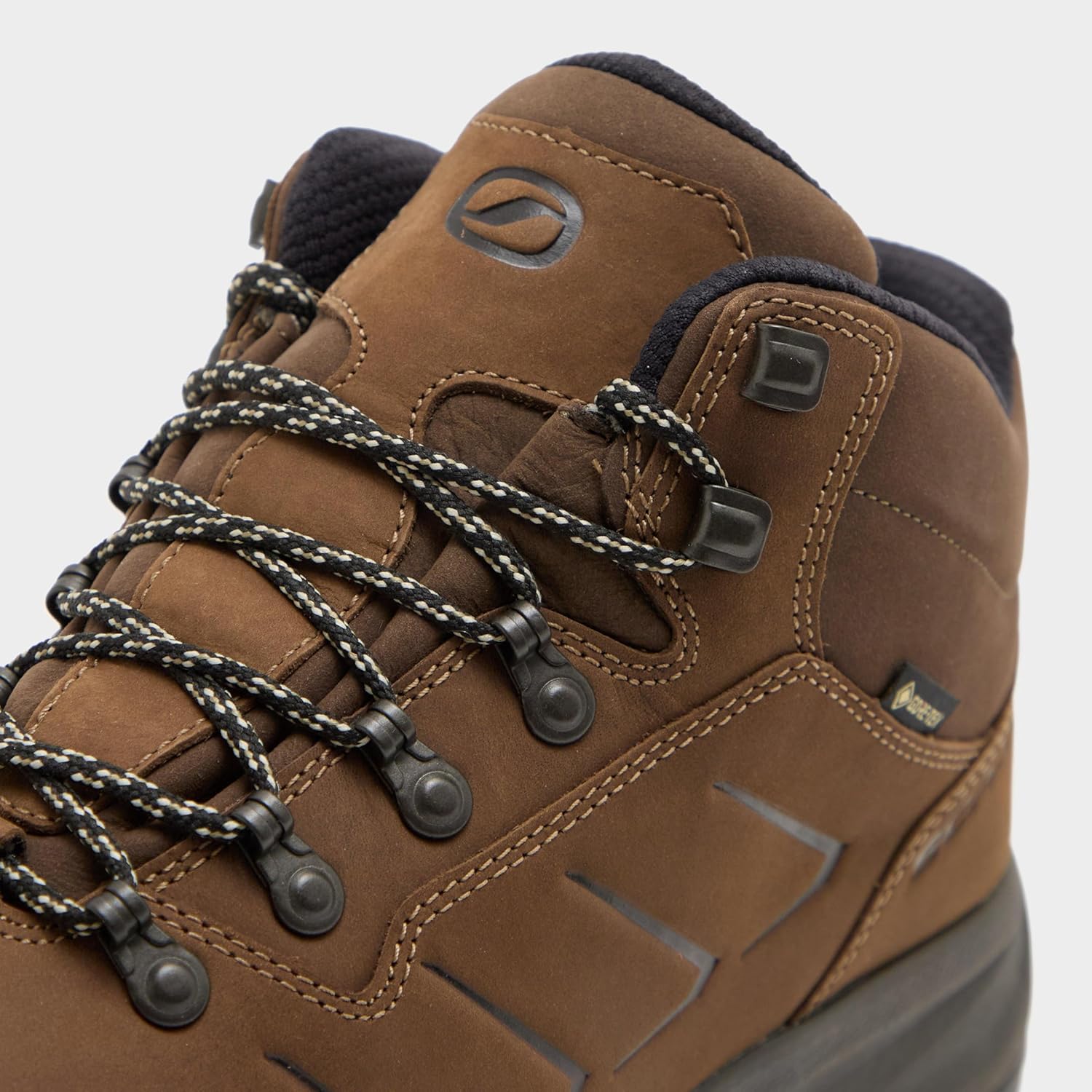
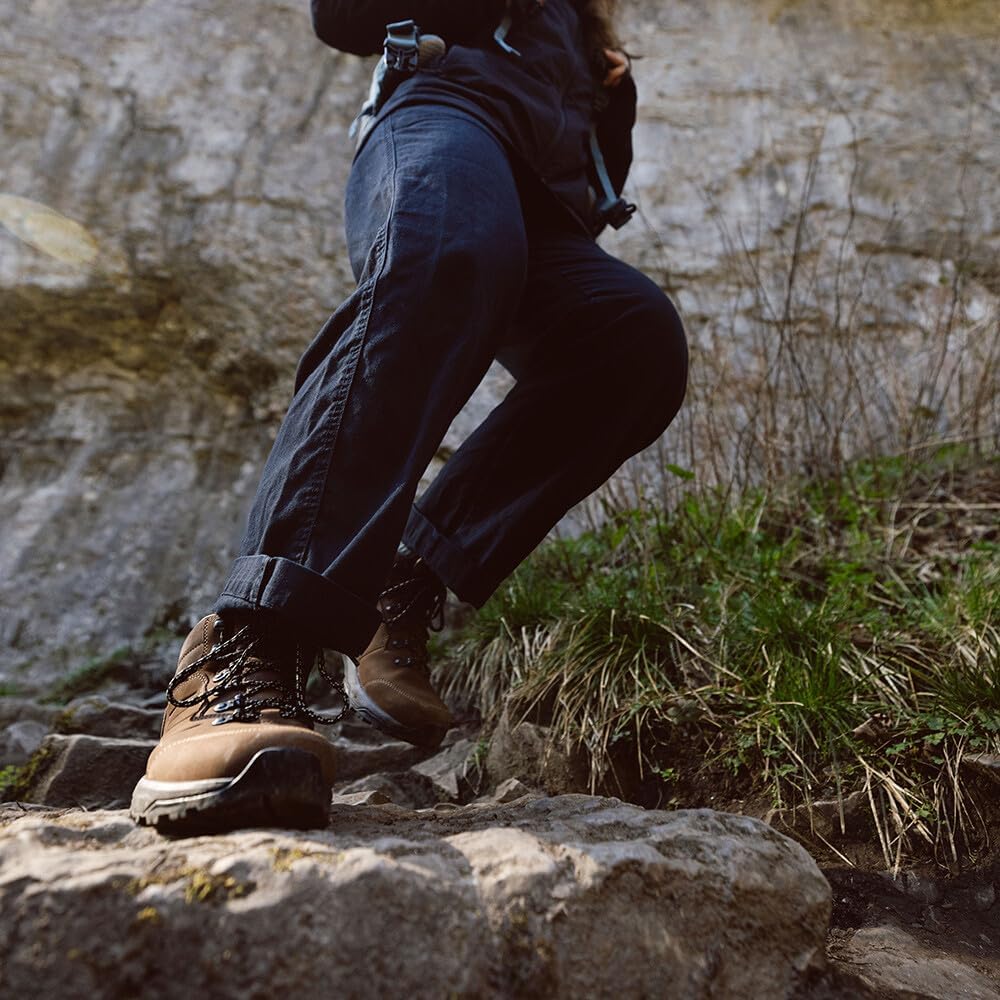
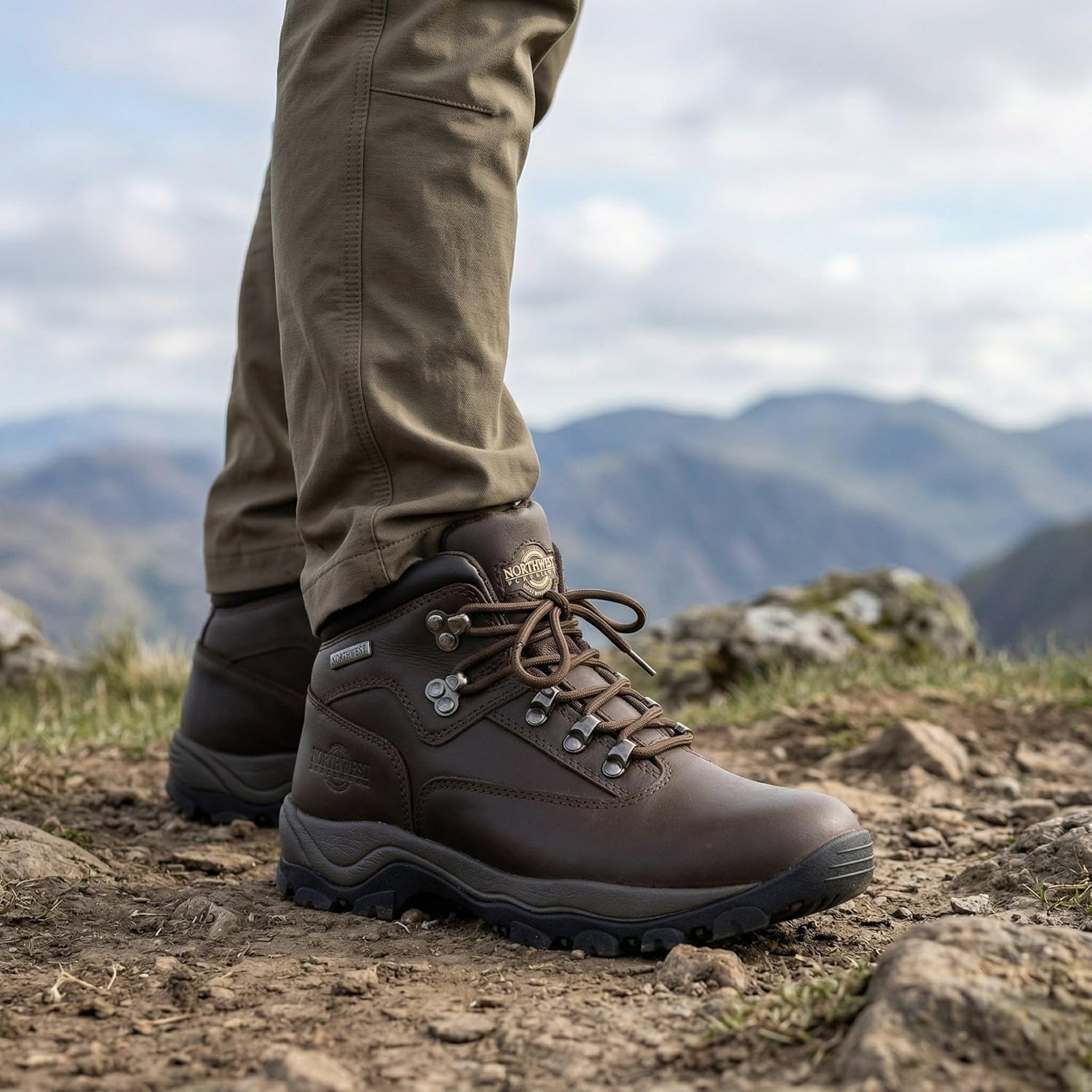
When comparing the best nubuck leather hiking boots, start with the upper and work down. The quality of the nubuck leather, the precision of the stitching, and the placement of the lace hooks determine how securely the boot holds your feet on uneven terrain. A strong heel cup and a slightly higher mid cut around the ankle often provide better support than a taller but poorly structured collar.
Many high end hiking boots combine nubuck leather with a gore tex or similar waterproof breathable membrane, but the membrane only performs well if the patterning and lining are executed carefully. A mid gtx model with sloppy seam taping or a loose heel pocket will feel clammy and unstable, even if the marketing promises a fully mid waterproof design. Look for a hiking boot where the tongue gusset rises high enough to block water, and where the leather overlays protect the membrane from abrasion by rocks and crampon straps.
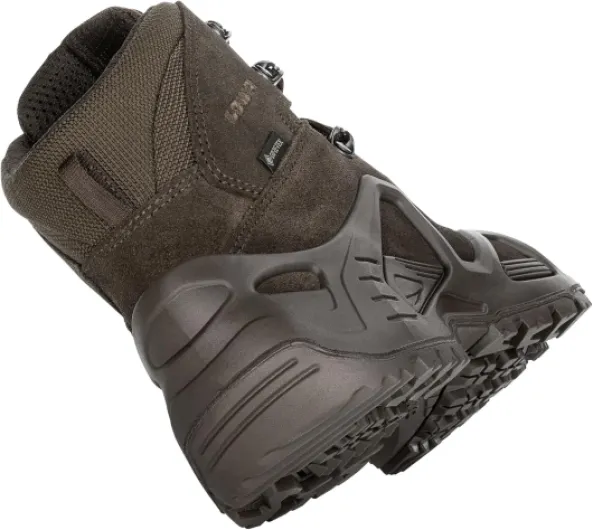
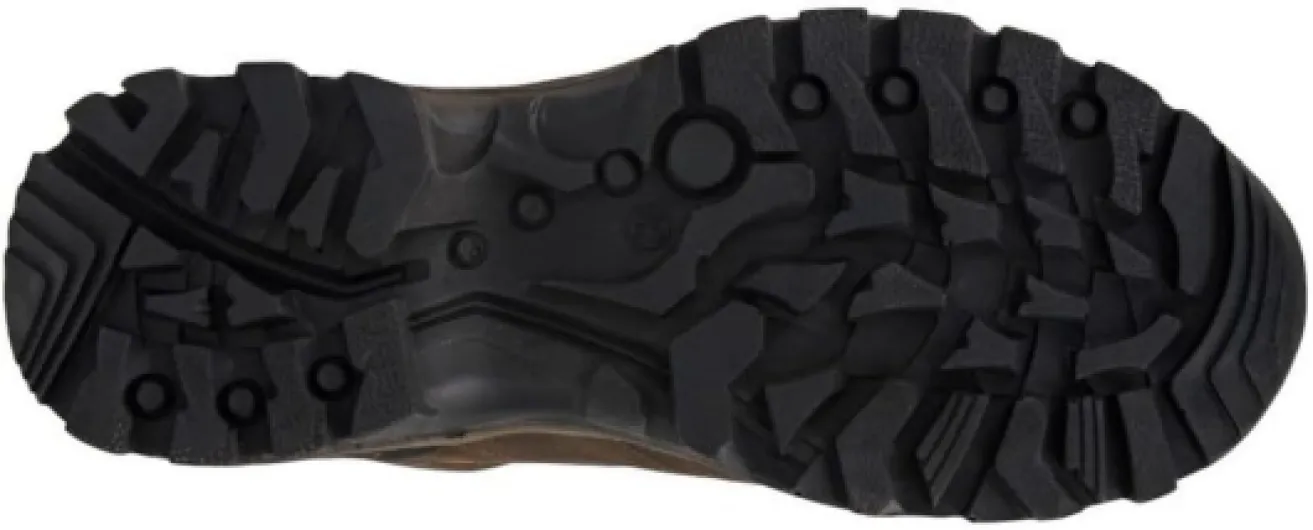
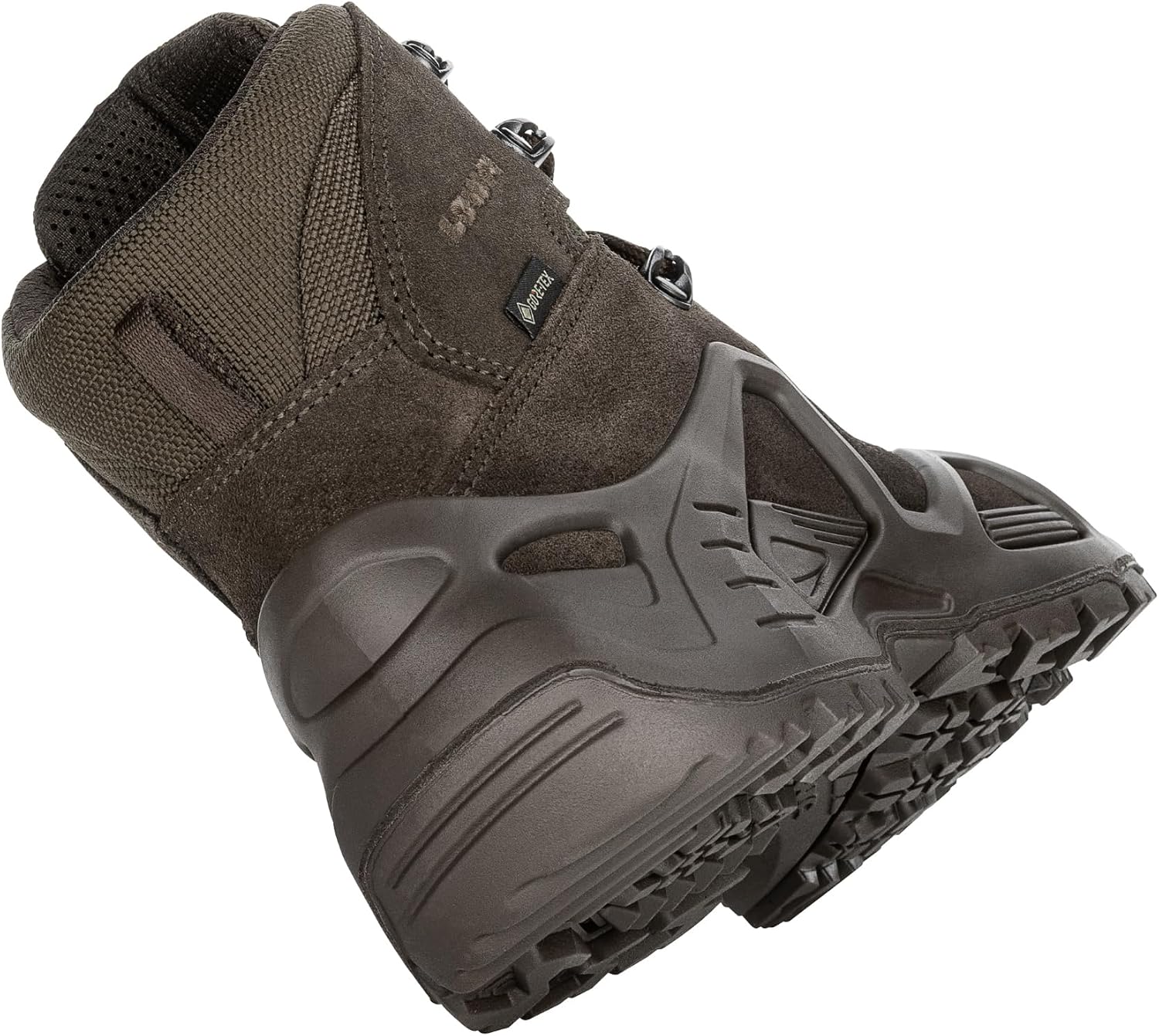
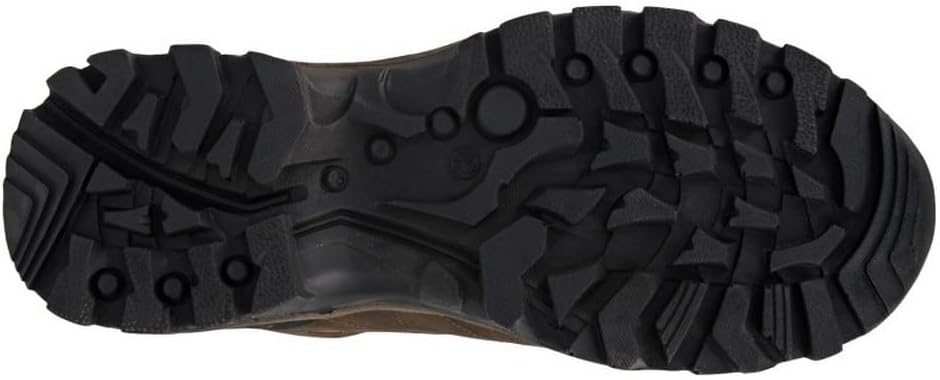
Underfoot, the midsole and outsole define how the boot behaves on long mountain approaches and technical scrambles. A dual density midsole can keep the forefoot cushioned for day hikes while still giving enough torsional stiffness for edging on rock, which is crucial when you carry a heavy pack. If you are evaluating orthopaedic style ankle boots or more casual leather walking shoes, such as those tested in this waterproof non slip leather ankle boot review, apply the same scrutiny to midsole density, outsole pattern, and arch support before trusting them for serious hiking.
Quick comparison of key construction specs
- Upper materials: full nubuck panels in approach oriented boots; nubuck and mesh hybrids in lighter hike mid designs.
- Waterproof lining: gore tex or similar membrane in most mid waterproof models; unlined leather in faster drying, non membrane boots.
- Outsole compound: firm rubber with pronounced lugs for edging and scree; softer rubber with multi directional lugs for mixed trail use.
How to choose the right nubuck hiking boot fit
Fit determines whether even the best nubuck leather hiking boots feel like precision tools or torture devices. Your ideal hiking boot should lock the heel, allow the toes to splay slightly, and keep the midfoot snug without pressure points on the instep. On steep downhill terrain, your toes must not hit the front of the boots, or you will lose toenails after a few aggressive day hikes.
For women hiking in mixed terrain, anatomical differences in heel width and arch height make women specific hiking boots worth serious consideration. A women focused nubuck leather hiking boot often uses a narrower heel pocket, slightly softer midsole, and a different ankle shape, which improves both comfort and long term support. When you compare men and women models, pay attention to the stated weight per pair and check whether the lighter, more lightweight design still offers enough ankle support for your pack weight and mountain objectives.
Trying boots late in the day, with the socks you actually use for a hike mid in the mountains, remains the most reliable fit test. Many specialists still recommend the classic thumb width of space in front of the toes, combined with a firm heel hold when you walk up and down a ramp. During our own field checks, boots that passed this simple test stayed comfortable for full days of hiking without hot spots. For a deeper breakdown of sizing, sock choice, and the three features worth paying for in any hiking boot, consult this detailed guide on buying your first pair of hiking boots before committing to a nubuck leather model.
Iconic nubuck models: from alpine classics to modern hybrids
Several benchmark models illustrate how nubuck leather remains central to serious hiking boots and mountain travel. The Lowa Renegade line, including the classic lowa renegade mid and newer renegade evo versions, uses nubuck leather uppers with a supportive yet relatively lightweight chassis that suits long European trekking routes. These boots show how a carefully tuned midsole and outsole can make a mid cut hiking boot feel secure on rocky terrain without the bulk of a full mountaineering boot.
In the more technical segment, La Sportiva has built a strong reputation with models like the Ultra Raptor and the Ultra Raptor II Mid GTX, which blend trail running DNA with supportive hike mid structures. While some Ultra Raptor versions rely more on synthetic uppers, Sportiva also produces nubuck leather based hiking boots that prioritize edging stability and precise foot placement on steep mountain paths. For hikers who prefer a softer underfoot feel, the Hoka Kaha series uses a maximalist midsole with leather and nubuck panels, creating a unique combination of plush cushioning and firm ankle support for long day hikes with heavy loads.
On the more versatile end, the Merrell Moab family, including the merrell moab mid and moab mid waterproof variants, offers nubuck leather and suede mixes that work well for moderate terrain and travel. These hiking boots may not match the edging power of a stiffer sportiva mountain boot, but they provide excellent out of the box comfort for casual hikes and mixed city trail use. When you compare these with a salomon quest mid gtx or similar boot, consider whether you prioritize immediate comfort, long term durability, or the ability to carry a heavy pack over broken ground.
At a glance: typical specs for popular nubuck based models
- Lowa Renegade Mid: nubuck upper, gore tex membrane, moderately stiff midsole, versatile outsole for trekking and day hikes.
- La Sportiva Ultra Raptor II Mid GTX: supportive hike mid chassis, gtx lining, aggressive outsole pattern for technical trails.
- Hoka Kaha: leather and nubuck panels, maximalist cushioning, mid cut collar aimed at comfort on long days.
- Merrell Moab Mid: nubuck and suede mix, softer flex, comfort focused fit for moderate terrain and travel.
- Salomon Quest Mid GTX: robust upper with protective toe cap, gore tex lining, supportive platform for heavy packs.
Balancing waterproofing, breathability, and weight in nubuck boots
Waterproofing strategy can make or break your experience with nubuck leather hiking boots in real mountain weather. A gore tex or comparable membrane inside a nubuck leather upper creates a strong barrier against rain and shallow stream crossings, but it also adds weight and can reduce breathability in hot climates. For multi day hikes that mix snowfields, wet grass, and rocky ridges, many experienced hikers still prefer a mid gtx or similar mid waterproof configuration despite the extra grams per weight pair.
On the other hand, some ultra lightweight hikers and fast packers now choose non membrane nubuck leather boots or even hybrid trail shoes like the Altra Lone Peak and altra lone variants, accepting some moisture in exchange for faster drying and lower overall weight. These designs often sacrifice some ankle support, so they suit skilled users with strong feet and careful footwork on technical terrain. If you lean toward this style, consider pairing your footwear with reliable trekking poles, such as the collapsible models reviewed in this test of lightweight collapsible hiking poles, to offload stress from your ankles and knees.
For cold and wet mountain environments, a more robust nubuck leather hiking boot with a full grain leather reinforcement and a reliable mid waterproof lining still offers the best all round protection. These boots may feel warmer on summer day hikes, but they shine when temperatures drop and the terrain turns to slush, ice, and saturated mud. In such conditions, the combination of a supportive midsole, aggressive outsole, and well treated nubuck leather upper keeps your feet drier, warmer, and more stable than most synthetic hiking boots or trail shoes.
Performance priorities for outdoor enthusiasts and mountaineers
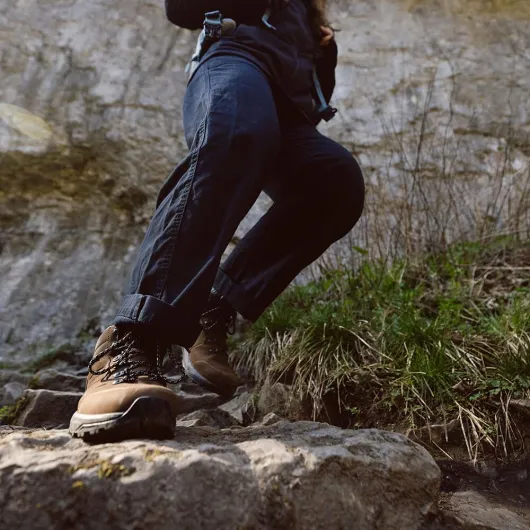
Outdoor enthusiasts, seasoned hikers, and mountaineers share a common goal when choosing the best nubuck leather hiking boots : reliable performance when conditions deteriorate. For multi day traverses and high mountain approaches, prioritize a boot with a supportive midsole, a stiff enough outsole for edging, and a secure ankle wrap that prevents rolling on loose scree. A slightly higher mid cut can offer better ankle support without the full restriction of a traditional alpine boot.
Mountaineers often use nubuck leather hiking boots for long approaches to snow and rock routes, then switch to technical climbing footwear higher on the mountain. In this role, a boot like the salomon quest mid gtx or a comparable sportiva model must carry heavy loads comfortably while still allowing precise foot placement on exposed traverses. The best boots in this category combine a robust leather upper, a protective toe cap, and a carefully tuned weight per pair that balances durability with the need to move quickly when weather windows are short.
For more moderate objectives and frequent day hikes, many hikers now choose lighter options such as the Hoka Kaha, the Lowa Renegade, or hybrid designs inspired by the lone peak trail running line. These boots and shoes trade some long term durability for exceptional comfort and reduced fatigue, which can be a smart choice if you mostly hike on established paths rather than technical mountain ridges. Whatever your objective, treat your nubuck leather hiking boots regularly, monitor outsole wear, and replace them before the midsole collapses, because tired cushioning and worn lugs undermine both comfort and safety for your feet.
Key figures on nubuck leather hiking boot performance
- Independent lab tests reported by several European outdoor magazines generally suggest that quality nubuck leather uppers can withstand more abrasion cycles than comparable synthetic uppers of the same weight, which helps explain their continued use in premium hiking boots for alpine terrain. Always check the specific abrasion data published by the brand or testing lab for the model you are considering.
- Field surveys from long distance trail associations indicate that many thru hikers replace their primary hiking footwear roughly every 800 to 1 200 km, while well maintained nubuck leather hiking boots used mainly for weekend day hikes often remain structurally sound for significantly longer distances of mixed terrain use. For accurate benchmarks, refer to mileage recommendations and durability notes in brand spec sheets and independent trail reports.
- Comparative weight data from major brands reveal that modern mid cut nubuck leather hiking boots with a gore tex membrane commonly fall in the 1 000 to 1 300 g per pair range in a standard men size, whereas non membrane lightweight models can drop below 900 g per pair, trading some weather protection for reduced fatigue. Consult the official weight listings from manufacturers or retailer comparison tables for the exact figures of each boot.
- Consumer return statistics from large outdoor retailers often show that poor fit accounts for a clear majority of hiking boot returns, highlighting that careful sizing and lacing adjustments matter more for long term comfort than small differences in midsole foam formulas or outsole rubber compounds. When possible, review the retailer’s published return data or annual reports to see how fit issues compare with material or manufacturing defects.