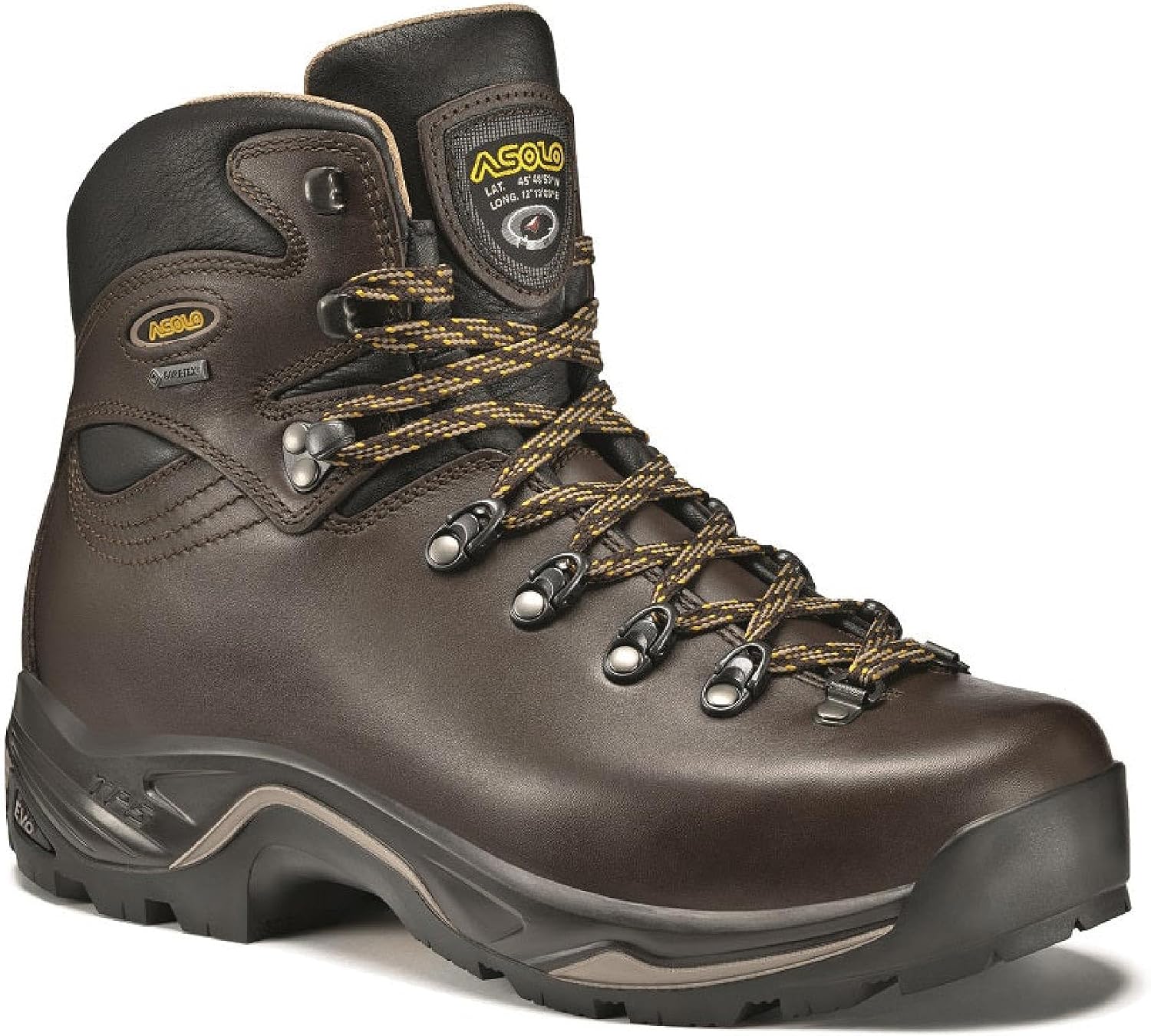
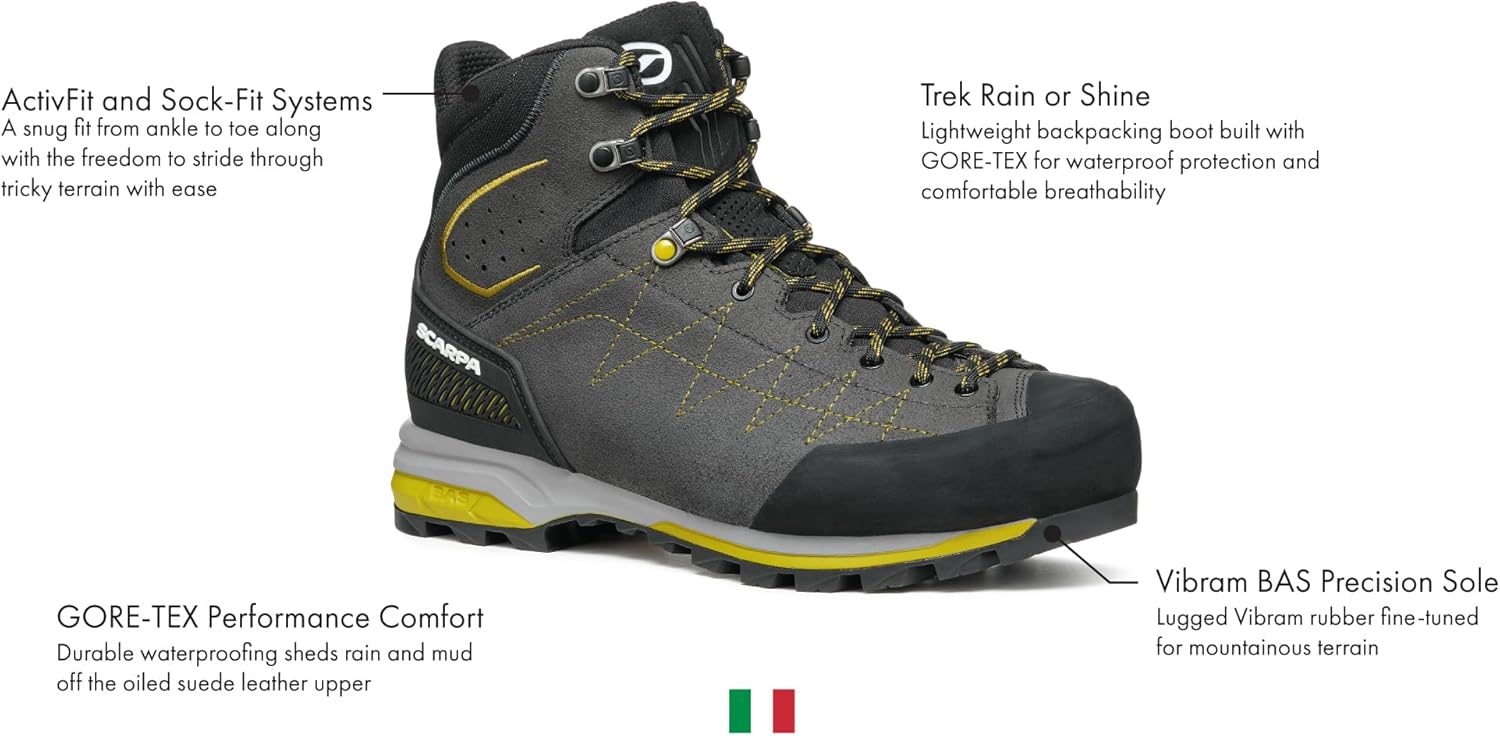
Key fit, comfort, and support factors that matter on the trail
Fit is the single most important factor when choosing the best backpacking hiking boots for men or women. A boot that feels slightly loose in the shop can become dangerously unstable on a steep trail, while a tight toe box will punish you on long day hikes with bruised nails and blisters. Always try boots with the socks you use for backpacking and check that your heel stays locked when you walk downhill.
Comfort goes beyond cushioning and includes how the hiking boot flexes with your stride and how the collar wraps your ankle. Many mid height waterproof hiking models for boots men and women use softer foam around the ankle to improve comfort while still providing strong ankle support under a heavy backpack. When you test a potential best hiking option, walk on an incline board if available and pay attention to any pressure points around the mid foot or instep.
Support comes from the midsole stiffness, the shape of the arch, and the overall chassis of the boot. A backpacking focused mid GTX design often uses a firmer foam or a partial shank to prevent the boot from folding under load, which protects your plantar fascia and reduces calf fatigue. If you often hike in hot conditions, pair a supportive but waterproof boot with breathable socks and smart fabric choices, as explained in this guide on when trail runners stop being enough and it is time to move to a more protective boot.
Materials, waterproofing, and the role of Gore Tex membranes
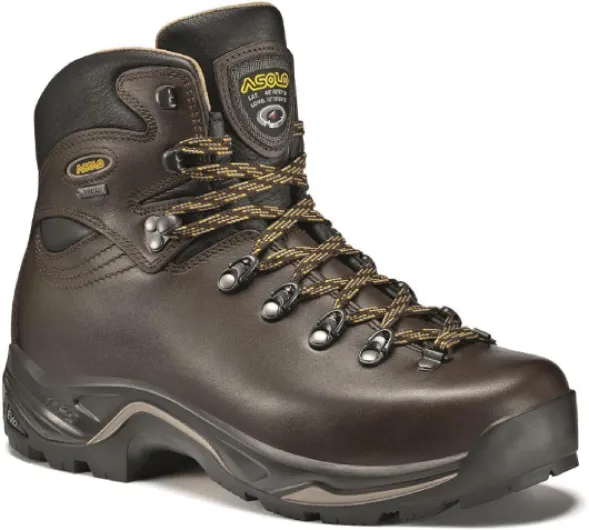
Backpacking boots come in two main material families, classic leather and modern synthetic fabrics, often combined with a waterproof membrane. Full grain leather hiking boots excel in durability and long term support, but they usually weigh more than synthetic GTX hiking models built with mesh and welded overlays. For long trips where resupply is difficult, many experienced hikers still prefer a leather boot because it can be maintained and reproofed for years.
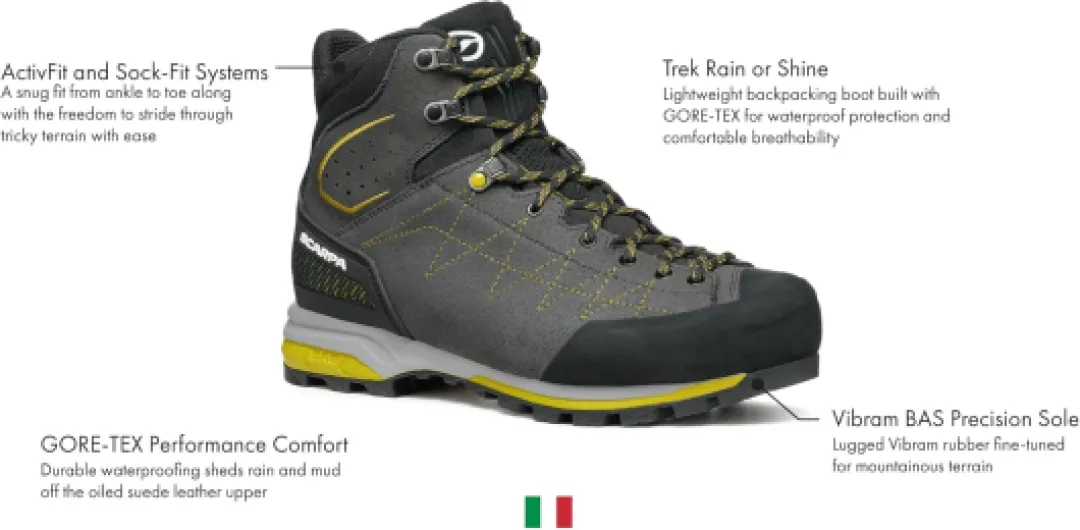
Waterproof protection in many of the best backpacking hiking boots relies on a Gore Tex bootie sewn inside the upper, marketed as Gore Tex or GTX. A mid waterproof or mid GTX boot keeps external moisture out, but it can also trap sweat if the lining and socks do not manage humidity well during intense backpacking days. Some hikers choose non waterproof hiking boots for dry climates and rely on quick drying materials instead, accepting wet feet for a short time in exchange for better breathability.
Hybrid constructions are becoming more common, where a leather rand protects the lower boot while synthetic panels reduce weight and improve flex. Models such as the Lowa Renegade or the Renegade Evo use this approach to deliver a supportive hiking boot that still feels relatively lightweight underfoot. If you want to understand how a fully featured backpacking boot behaves under load, detailed field tests like this technical review of a men’s backpacking boot provide valuable real world insight.
Flagship models: Salomon, Sportiva, Merrell, Lowa, and Altra
Certain models have become reference points when discussing the best backpacking hiking boots among experienced hikers and mountaineers. The Salomon Quest series, for example, blends a trail running inspired chassis with a tall boot upper that offers serious ankle support for demanding backpacking routes. Many men and women who carry 18–20 kg packs on rough alpine terrain consider a Salomon Quest boot one of the best hiking options for mixed rock and mud.
La Sportiva dominates the technical end of the market with designs like the Ultra Raptor and the Sportiva Ultra Raptor mid GTX, which bridge the gap between trail runners and hiking boots. The low Ultra Raptor shoe excels on fast day hikes, while the mid waterproof Sportiva Ultra Raptor boot adds cuff height and support for multi day backpacking on steep, broken ground. For those who prefer a more traditional sportiva hike feel, leather heavy duty models from the same brand provide a stiffer platform for scrambling and via ferrata.
On the more approachable side, the Merrell Moab family and the Moab Mid remain popular for their immediate comfort and reasonable price. These boots suit hikers who want a comfortable fit straight from the box and who mostly tackle moderate trail backpacking rather than technical mountaineering. Zero drop enthusiasts often turn to the Lone Peak line, which offers a lightweight alternative to classic boots while still giving more protection than a pure trail running shoe.
Weight, durability, and price: finding the right compromise
Every backpacker must balance weight, durability, and price when selecting the best backpacking hiking boots for their objectives. A very lightweight boot feels agile on the trail and reduces fatigue, but it may wear out faster under a heavy pack than a more robust leather hiking boot. At the other extreme, a thick leather model with a full rubber rand can last for thousands of kilometres, yet its mass may slow you down on long ascents.
Durability depends on outsole rubber, midsole foam density, and how the upper resists abrasion from rocks and scree. Boots such as the Lowa Renegade or Renegade Evo use firmer midsoles and strong nubuck leather to provide long term support, which justifies their higher price for frequent backpacking. In contrast, softer cushioned models like some versions of the Merrell Moab or the Lone Peak feel extremely comfortable at first but may lose support sooner, especially for boots men who carry very heavy loads.
When comparing price between different hiking boots, consider cost per 100 km rather than the initial number on the box. A premium GTX hiking boot that lasts for 1 200 km of backpacking can be better value than a cheaper non waterproof hiking model that collapses after 400 km. For hot summer routes where heat management matters as much as weight, this analysis of how fabric and timing help you keep moving on baking trails shows why pairing the right boot with smart clothing choices maximizes comfort.
Women specific fits, gender nuances, and long distance comfort
Women often experience different pressure points and volume needs than men, so women specific hiking boots are not just a marketing idea. Many brands adjust the heel pocket, forefoot width, and instep height in their women versions of the best backpacking hiking boots to match common anatomical patterns. A women specific boot can dramatically improve comfort and reduce blister risk on long backpacking trips, especially for those with narrower heels.
Some women still prefer men or unisex boots when they have wider feet or need extra volume for winter socks. In these cases, trying both men and women versions of models like the Salomon Quest, Lowa Renegade, or Merrell Moab helps you identify the best hiking fit for your particular foot shape. Pay attention to how the mid foot area feels when laced tightly, because excessive pressure there can cause numbness on steep trail descents.
Long distance comfort depends on how the boot interacts with your biomechanics over thousands of steps. A mid height waterproof hiking boot that feels slightly stiff in the shop often breaks in to provide excellent support and comfort on multi day backpacking routes. For both men and women, rotating between two pairs of boots or alternating a lighter sportiva hike shoe with a more protective backpacking boot can extend the life of each pair and keep your feet fresher.
When to choose boots over trail runners for demanding backpacking
Trail running shoes have become popular for ultralight backpacking, but there are clear situations where boots remain the better choice. If your route includes heavy loads, off trail travel, or snow patches, a supportive hiking boot with a firm midsole and strong ankle support protects your joints and reduces the risk of sprains. Many experienced mountaineers switch from trail runners to a mid GTX or mid waterproof boot as soon as temperatures drop and surfaces become slick.
Waterproof hiking boots with Gore Tex membranes shine in cold, wet conditions where staying dry is essential for safety and comfort. A boot like the Sportiva Ultra Raptor mid GTX or a robust leather model similar to the Lowa Renegade provides the structure needed for crampon compatible microspikes and for edging on hard snow. In contrast, a Lone Peak style trail shoe may feel more lightweight and agile, but it will transmit more cold and offer less protection when you kick steps or cross talus.
For shoulder season backpacking, many hikers carry both a lighter shoe and a more protective boot, choosing each day based on weather and terrain. When repeated storms, saturated ground, and cold winds combine, the best backpacking hiking boots with full height cuffs, solid support, and reliable waterproof construction become non negotiable gear. In such conditions, the extra grams on your feet are a small price to pay for stability, warmth, and long term joint health.
Key figures about backpacking boots and hiking injuries
- Studies from mountain rescue services in the Alps report that around 25–30 % of non fatal hiking accidents involve ankle sprains or lower leg injuries, highlighting the role of supportive boots for backpacking with heavy loads.
- Biomechanical research from sports medicine laboratories shows that every 100 g added to a boot can increase oxygen consumption by roughly 0.5–1 %, which explains why lightweight designs feel noticeably easier to hike in over long distances.
- Field surveys among long distance hikers on routes such as the Pacific Crest Trail indicate that many complete between 800 and 1 200 km in a single pair of quality hiking boots, while lighter trail shoes often last 500–800 km before losing support.
- Consumer testing from independent gear labs consistently finds that waterproof Gore Tex boots maintain effective waterproofing for at least 6–12 months of regular use, provided that the outer fabric is cleaned and reproofed to preserve breathability.
- Market analyses of outdoor footwear show that backpacking boots with advanced membranes and premium leather typically cost 20–40 % more than entry level models, but they often deliver better long term comfort and durability for frequent hikers.
Trusted sources for further research
- American Alpine Club – annual accident reports and safety analyses for climbers and mountaineers.
- International Journal of Sports Medicine – peer reviewed studies on biomechanics, footwear, and overuse injuries.
- German Alpine Club (DAV) – technical recommendations and equipment guidelines for hiking and alpine touring.