ASOLO Men's TPS 520 GV Evo Review: heavy-duty leather boots for serious backpack loads

ASOLO Men's TPS 520 GV Evo Review: heavy-duty leather boots for serious backpack loads

Aisling McKenna
Aisling McKenna
Trekking Style Analyst
5 September 2026 1 min read

Summary

Editor's rating

★★★★★ ★★★★★

Value: worth it if you really backpack, overkill if you just day hike

★★★★★ ★★★★★

Design: classic leather tank with a few modern tweaks

★★★★★ ★★★★★

Comfort: solid once broken in, but not friendly out of the box

★★★★★ ★★★★★

Materials: full-grain leather and Gore-Tex, built more for longevity than lightness

★★★★★ ★★★★★

Durability: built to last several seasons if you take care of the leather

★★★★★ ★★★★★

Performance on the trail: stable, protective, a bit clumsy but reliable

★★★★★ ★★★★★

What you actually get with these ASOLO TPS 520 GV Evo boots

★★★★★ ★★★★★

Pros

  • Very stable and supportive under heavy backpack loads
  • Durable full-grain leather and Vibram sole that can handle rough terrain
  • Reliable waterproofing with Gore-Tex for wet and mixed weather

Cons

  • Heavy and stiff, with a noticeable break-in period
  • Runs warm in hotter conditions due to leather + Gore-Tex construction
Brand ASOLO

Serious boots for people who actually carry heavy packs

I’ve been using the ASOLO Men's TPS 520 GV Evo in size 11.5 UK for a few long weekend hikes and a 5‑day trek, all with a pretty heavy pack (around 18–22 kg). I’ll be honest: these are not casual Sunday-walk boots. They’re stiff, they’re heavy, and they clearly target people who spend hours on rocky trails and don’t mind a bit of break‑in pain to get something solid underfoot.

What pushed me to try them was the combo of full‑grain leather, Gore‑Tex and the Vibram sole. I was fed up with lighter fabric boots that start to leak or tear after a season. I wanted something more old‑school, leather, that you can beat up and re‑wax. The Amazon rating at 4.5/5 also helped, but I went in knowing that heavy leather boots are not for everyone.

Right away, the main thing I noticed was the weight and stiffness. Out of the box, they feel like small tanks. If you’re used to trail runners or light mids, you’ll probably find them brutal at first. But once I loaded my pack and hit rocky trails, the extra support started to make sense. My ankles and knees were less tired at the end of the day compared to my lighter boots.

In this review I’ll go through how they feel on the foot, the materials, how they behave in the rain and on rocky ground, and if I think the price is justified. Spoiler: they’re pretty solid for backpacking, but there are a few downsides you should know, especially around weight, break‑in, and how hot they can get.

Value: worth it if you really backpack, overkill if you just day hike

★★★★★ ★★★★★

In terms of value, you have to look at what you actually do on the trail. These ASOLO TPS 520 GV Evo boots are not cheap, and there are plenty of lighter and more comfortable options for casual hiking at lower prices. If your typical outing is a 10 km loop with a small daypack on groomed trails, I’d say these are not the best value for you. You’d be paying for features you don’t really need, and you’d be carrying extra weight for nothing.

Where the price starts to make sense is if you do multi‑day treks with a heavy pack or regular trips on rough, rocky terrain. The combination of durability, support, and waterproofing means you’re buying something that should last several seasons, not just one or two. Compared to constantly replacing lighter, cheaper boots that wear out or start leaking, investing once in a tougher pair can be more economical in the long run. That’s basically how I’m justifying them for myself.

Compared to other leather Gore‑Tex backpacking boots I’ve used (Scarpa, Meindl), the price feels in the same ballpark. You’re not getting a crazy deal, but you’re also not being ripped off. You pay for full‑grain leather, Vibram, Gore‑Tex, and a well‑built midsole. The downside is you’re also paying in comfort during the break‑in and in extra weight on every step. So the value really depends on your priorities: long‑term durability and support vs. lightness and instant comfort.

Overall, I’d rate the value as good but not outstanding. If you’re a serious backpacker or someone who regularly hauls a heavy pack over rough ground, they’re a reasonable investment. If you’re more of a casual hiker or you prefer moving fast and light, your money is probably better spent on something lighter and more breathable.

81Mz9wHLSbL._AC_SL1500_

Design: classic leather tank with a few modern tweaks

★★★★★ ★★★★★

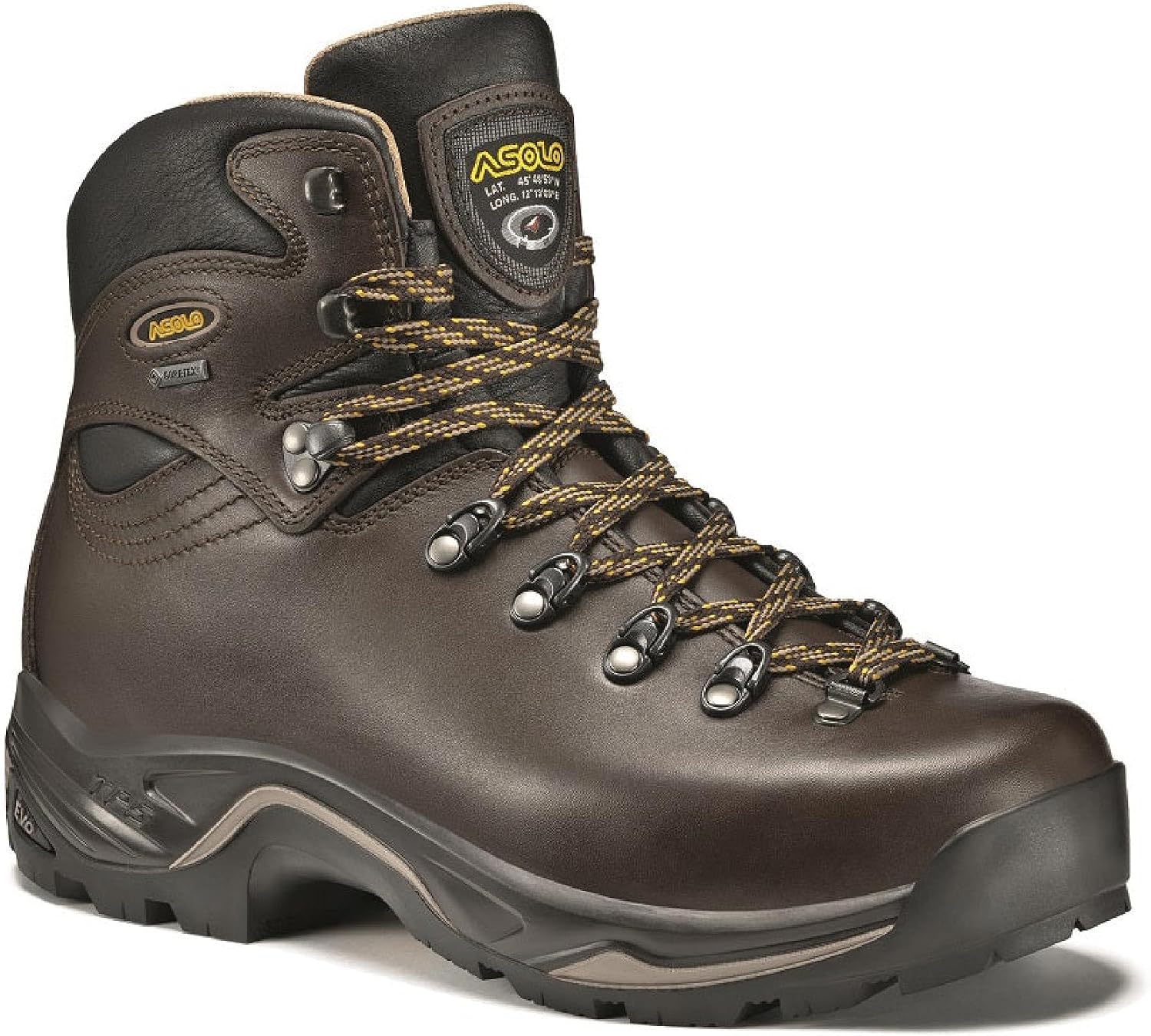
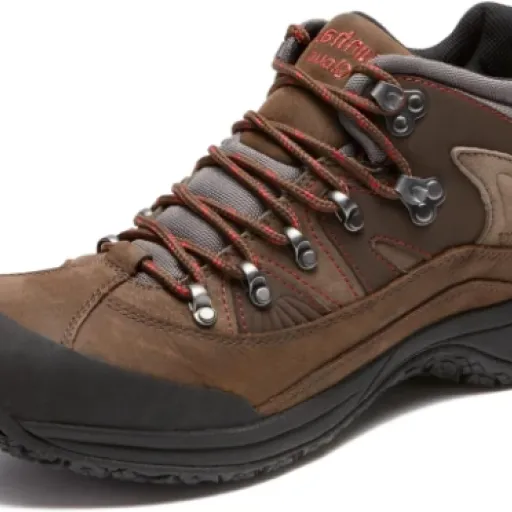
Design‑wise, the ASOLO TPS 520 GV Evo is pretty straightforward: one‑piece full‑grain leather upper, high cut around the ankle, and a chunky Vibram sole. No bright colors, no mesh panels, no fancy overlays. It looks like the kind of boot mountain guides wore 15–20 years ago, just with a more modern outsole. If you like simple, functional gear over fashion, you’ll probably appreciate that. If you want sleek or urban‑friendly, this is not it.

The one‑piece leather construction is a big part of the design. There are very few seams, which is good for water resistance and durability. The tongue is fully gusseted and pretty thick, so debris doesn’t get in easily. After stomping through wet grass, mud, and a couple of shallow stream crossings, I never felt water entering from the upper or tongue area, which shows the design is doing its job there.

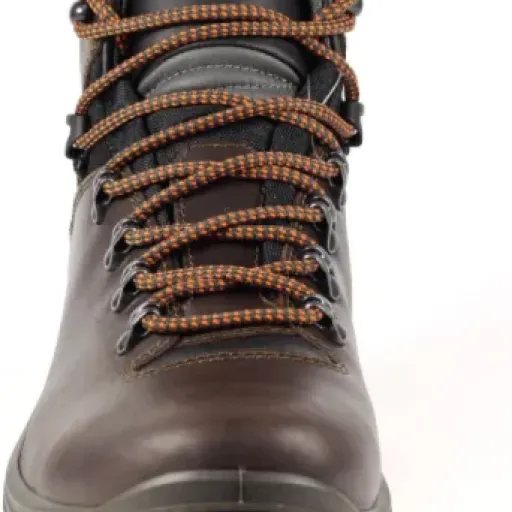
The micro pully lacing system is basically a combination of smooth metal eyelets and hooks that reduce friction when you pull on the laces. The nice thing is you can really crank down the lower part of the boot while keeping the top a bit looser for ankle flex. On long uphills, I tightened the lower half a lot to lock my heel and kept the top slightly looser to avoid cutting circulation. It actually makes a difference, especially when your feet swell during the day. That said, it’s still just laces and hardware – don’t expect some high‑tech miracle.

One thing to note: the design favours support over agility. The sole is quite wide and the boot feels big on the foot. On narrow, technical sections, you’re very aware that you’re wearing a big piece of kit. I didn’t feel super nimble hopping from rock to rock, but I did feel stable, which is kind of the point. If your style is more fast‑and‑light, this design will probably feel like overkill. If your priority is not twisting your ankle under a heavy pack, then the design makes sense.

Comfort: solid once broken in, but not friendly out of the box

★★★★★ ★★★★★

Comfort is where you really need to know what you’re signing up for. Out of the box, the TPS 520 GV Evo feels stiff and quite unforgiving. On my first 10 km test walk with a light pack, I got some hot spots on my heels and the top of my foot where the tongue bends. Nothing catastrophic, but enough to remind me that these are classic leather boots, not soft sneakers. I had to adjust lacing a few times to get the pressure right.

After about 40–50 km, things started to improve. The leather softened a bit, the ankle area molded better to my leg, and the heel hold got more secure. By the time I took them on a 5‑day trek with long days (15–20 km) and a heavy pack, I didn’t get any new blisters, just the usual tired feet at the end of the day. The support under a heavy load is where the comfort really shows. My arches and ankles felt more supported than in my lighter fabric boots, and my knees were less sore after long descents with the pack.

The downside is that these boots run warm. With the thick leather and Gore‑Tex, my feet were fine in cool and wet conditions, but on warmer days my socks were pretty damp by the end. Not soaking, but definitely not fresh. If you mostly hike in hot climates, I’d think twice. Ventilation is limited, and this is just the nature of this type of boot. I also found the insole pretty basic – I swapped it for a more supportive aftermarket insole after the first week, which helped with long‑day comfort.

Fit‑wise, the toe box is average – not super wide, not super narrow. If you have very wide feet, you might feel cramped. The micro pully lacing helps tune the fit; I often locked the heel area tight to avoid sliding forward on descents and left the top slightly looser. In short: once broken in, comfort is good for heavy backpacking, but don’t expect a soft, out‑of‑the‑box feel. There’s better if you want immediate comfort and lighter use; these make more sense if you accept a break‑in period for long‑term support.

71b68a2BAeL._AC_SL1500_

Materials: full-grain leather and Gore-Tex, built more for longevity than lightness

★★★★★ ★★★★★

The materials are clearly chosen for durability and protection, not for weight savings. The upper is a 2.6–2.8 mm one‑piece water‑resistant full‑grain leather. In the hand, you can feel how thick and stiff it is. This kind of leather usually takes time to break in, but it also tends to last longer than thin split leather or fabric panels. After about three weeks of use, including a lot of rock scrapes and some bushwhacking, the leather shows surface marks but nothing that looks like it’s about to fail.

Inside, you’ve got a Gore‑Tex Performance Comfort lining. That’s the standard Gore‑Tex you find in a lot of serious hiking boots. In practice, it kept my feet dry from outside moisture – rain, wet grass, shallow stream crossings – but like all waterproof membranes, it has its limits in hot weather. On a warm day around 24–26°C with a full pack, my socks were damp from sweat by the end of the stage. So yes, it’s waterproof, but don’t expect miracle breathability. That’s just the trade‑off with leather + Gore‑Tex.

The midsole is dual‑density polyurethane with the TPS (Triple Power Structure). Polyurethane is heavier than EVA but holds its shape longer and compresses less over time. The TPS bits are basically built‑in shock absorbers in key zones. You can actually see the different density pieces under the heel and forefoot. On rough, rocky descents, I could feel that impact was spread out and my feet weren’t getting hammered as quickly as in some lighter boots I own. On the flip side, you don’t get that soft, bouncy feel – it’s more firm and controlled.

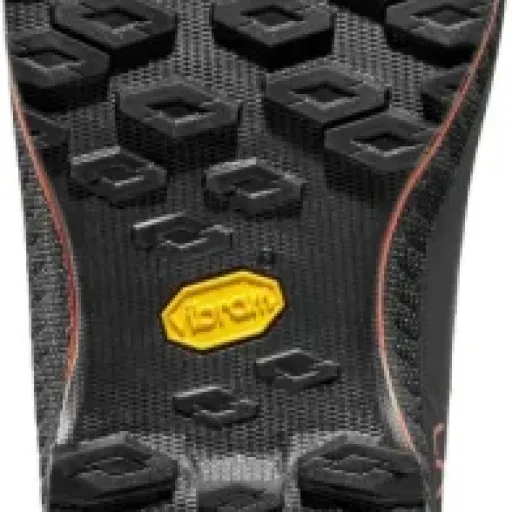
The outsole is a Vibram TPS Evo rubber, with self‑cleaning lugs. The rubber feels on the harder side, which usually means better durability but slightly less stickiness on wet rock. After walking on abrasive granite and a lot of forest trails, the lugs still look decent with no major rounding off. Overall, the material choice makes sense if you want a boot that will survive several seasons of rough use, but you pay for it with weight, stiffness, and more heat around the foot.

Durability: built to last several seasons if you take care of the leather

★★★★★ ★★★★★

Durability is probably the strongest point of these boots. After a few weeks of use, including rocky alpine trails, muddy forest tracks, and some abuse in scree, the full‑grain leather upper is holding up very well. There are scratches and cosmetic marks, which is normal, but no cuts, no delamination, and the stitching is all intact. The one‑piece leather design with minimal seams really helps reduce weak points where things usually blow out.

The Vibram outsole also looks good so far. The lugs are slightly rounded in the high‑wear zones, but nothing major. With the hardness of the rubber and the polyurethane midsole, I’d expect this boot to last longer than typical lightweight hikers, which often lose their cushioning or start to delaminate after a couple of big seasons. These feel more like a long‑term investment type of boot, assuming you’re okay with the weight and style.

One thing to keep in mind: full‑grain leather needs some basic maintenance. After muddy days, I cleaned them, let them dry away from direct heat, and applied a bit of wax. When I skipped that for a week, the leather started to look a bit dry in the flex zones. Nothing dramatic, but if you just trash them and never care for the leather, they’ll age faster and lose some water resistance. This is not a throw‑away synthetic boot – it’s more old‑school in that sense.

Hardware‑wise, the metal eyelets and hooks feel solid. No bending or loosening so far, even when I really crank down the laces. The Gore‑Tex liner is still holding up, no leaks yet, but that’s something you only really judge after a year or two. Based on the build quality, though, I’d expect these to easily handle several seasons of regular backpacking if you’re not careless. So from a durability standpoint, they’re pretty solid – just know you need to put a bit of effort into cleaning and conditioning if you want them to stay in good shape.

61QX4z1-BSL._AC_SL1500_

Performance on the trail: stable, protective, a bit clumsy but reliable

★★★★★ ★★★★★

On the trail, the TPS 520 GV Evo is all about stability and protection. With a 20+ kg pack on rocky and rooty ground, they feel very secure. The ankle support is noticeable: you can step on uneven rocks without your ankle rolling all over the place. On one day with a lot of loose stones and side slopes, I felt much more confident in these than in my lighter mid boots, which tend to flex and twist more.

The Vibram TPS Evo outsole grips well on dirt, gravel, and dry rock. The lugs are deep enough to bite into soft ground, and the self‑cleaning pattern actually works okay – mud tends to shed off after a few steps rather than packing in. On wet rock, the grip is decent but not magical. I had to be careful on smooth, wet slabs; the rubber feels a bit on the hard side, so you don’t get that sticky feel some approach shoes have. Still, I never had a scary slip, just a couple of small skids when I got lazy with foot placement.

Shock absorption is where the TPS midsole does its job. On long descents with a heavy pack, I didn’t feel sharp impacts in my heels as much as with lighter boots. The support feels very even, and the boot stays stable when you land on edges or small rocks. The trade‑off is that you don’t feel quick or agile. These boots want you to walk steadily, not run or jump around. On flat or easy trails, they can feel like overkill and a bit tiring, simply because you’re lifting more weight with each step.

Waterproof performance was solid. I walked through wet grass for hours and did several shallow stream crossings up to just under the laces. My feet stayed dry every time. The only moisture I had was from sweat on warmer days. So if you’re trekking in mixed weather, rain, mud, and occasional water crossings, they handle it well. Overall, the performance is strong for multi‑day backpacking and rough terrain, but for light day hikes or fast hiking, they’re honestly more boot than you need.

What you actually get with these ASOLO TPS 520 GV Evo boots

★★★★★ ★★★★★

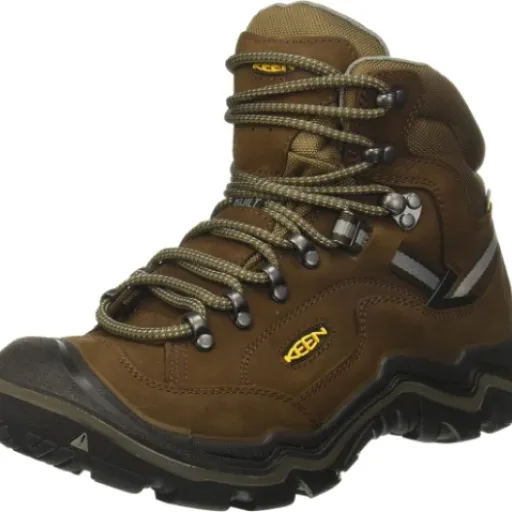
On paper, these boots tick a lot of boxes: full‑grain leather upper, Gore‑Tex lining, Vibram outsole, and a fairly aggressive backpacking build. The model name is a mouthful, but in practice it’s a classic leather backpacking boot with modern details. The pair I tested is the chestnut color in 11.5 UK, which fits into the traditional brown hiking boot vibe, nothing flashy.

The key features Asolo pushes are the Triple Power Structure (TPS) midsole, the Vibram TPS Evo outsole with self‑cleaning lugs, and the Gore‑Tex Performance Comfort membrane. There’s also this so‑called "micro pully" lacing system – basically metal hardware that makes the laces slide more easily so you can tighten different zones of the boot without fighting friction. In practice, it’s just a decent lacing system with smooth eyelets and locking hooks, not some magical gadget, but it does help to dial in tension.

The boot height is around the ankle, but the collar is quite beefy, and the tongue is thick and padded. Closure is standard lace‑up, nothing fancy like BOA or zips. The sole is rubber with a noticeable rocker, and the midsole is dual‑density polyurethane, which is more about durability and support than soft comfort. If you’re coming from EVA trail shoes, this will feel much firmer underfoot.

Overall, the presentation is clear: this is a serious backpacking boot built to carry weight, not a light hiking shoe for casual paths. If your plan is mostly groomed trails with a small daypack, you’re probably over‑booting with these. But if you do multi‑day treks with a big pack, or a lot of rocky, uneven terrain, the design at least makes sense on paper.

Pros

  • Very stable and supportive under heavy backpack loads
  • Durable full-grain leather and Vibram sole that can handle rough terrain
  • Reliable waterproofing with Gore-Tex for wet and mixed weather

Cons

  • Heavy and stiff, with a noticeable break-in period
  • Runs warm in hotter conditions due to leather + Gore-Tex construction

Conclusion

Editor's rating

★★★★★ ★★★★★

The ASOLO Men's TPS 520 GV Evo is a classic, heavy‑duty leather backpacking boot aimed at people who actually carry weight and spend time on rough trails. It’s stiff, fairly heavy, and not especially friendly out of the box, but once broken in it offers very solid support, good waterproofing, and strong durability. The full‑grain leather upper and Vibram outsole feel ready for several seasons of abuse if you’re willing to do basic maintenance.

Where this boot makes sense is for multi‑day treks with a heavy pack, rocky or uneven terrain, and wet or mixed weather. In those conditions, the stability and protection are worth the extra weight. Your ankles, knees, and feet feel more supported at the end of the day compared to lighter, softer boots. On the other hand, if you mostly do short hikes, like to move fast, or live in a hot climate, these will probably feel like too much: too warm, too stiff, and too heavy for what you need.

So, who should get them? People who like traditional leather boots, don’t mind a break‑in period, and want one solid pair for serious backpacking. Who should skip them? Casual hikers, fast‑and‑light fans, and anyone who hates heavy footwear. For the right user, they’re a pretty solid choice; for everyone else, they’ll just feel like overkill.

See offer Amazon

Sub-ratings

Value: worth it if you really backpack, overkill if you just day hike

★★★★★ ★★★★★

Design: classic leather tank with a few modern tweaks

★★★★★ ★★★★★

Comfort: solid once broken in, but not friendly out of the box

★★★★★ ★★★★★

Materials: full-grain leather and Gore-Tex, built more for longevity than lightness

★★★★★ ★★★★★

Durability: built to last several seasons if you take care of the leather

★★★★★ ★★★★★

Performance on the trail: stable, protective, a bit clumsy but reliable

★★★★★ ★★★★★

What you actually get with these ASOLO TPS 520 GV Evo boots

★★★★★ ★★★★★
ASOLO Men's TPS 520 Gv Mm Evo Backpacking Boot 11.5 UK Chestnut ASOLO Men's TPS 520 Gv Mm Evo Backpacking Boot 11.5 UK Chestnut
🔥
See offer Amazon