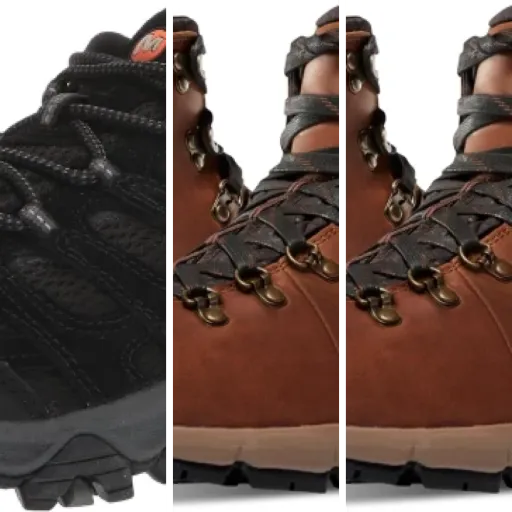
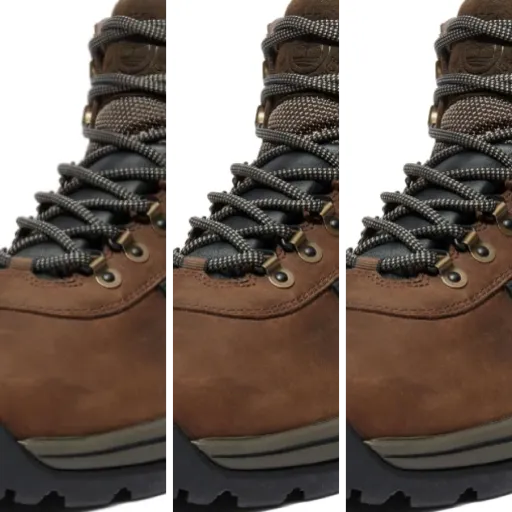
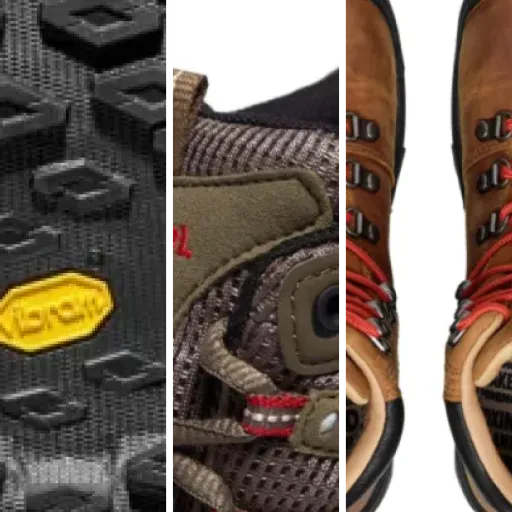
Summary
Editor's rating
Value: good boot, not cheap – worth it if you walk a lot
Design: practical more than flashy
Comfort: almost zero break‑in, but check your sizing
Materials: leather, Gore‑Tex and a chunky sole
Durability: built to last if you look after the leather
Performance on the trail: grip, support and waterproofing
What you actually get with the Lowa Renegade
Pros
- Very comfortable from day one with almost no break‑in needed
- Reliable waterproofing with Gore‑Tex and leather upper for wet conditions
- Good stability and grip on typical hiking terrain (mud, gravel, rocky paths)
Cons
- Price is high, and possible import/customs fees can make it even more expensive
- Stock insole is basic and may need replacing for longer hikes

Specifications
View full product page →| Brand | LOWA |
Solid daily hiking boots, not just for big mountains
I’ve been using the Lowa Renegade GTX Mid (men’s, size 10.5 UK, dunkelgrau) as my main walking and hiking boots for a while now. I don’t baby them: dog walks in wet fields, muddy woodland, a couple of long 20+ km hikes, and the usual “walk to the shops in the rain” stuff. So this isn’t a one‑day first impression; it’s based on actually living in them several days a week.
The first thing that stood out is how trainer‑like they feel straight out of the box. Most hiking boots I’ve owned needed at least a few long walks to soften up. With these, I did a 10 km walk on day one and didn’t get any blisters or hotspots. The leather was a bit stiff at first, but nothing painful, and the ankle padding is generous without feeling like a ski boot.
They’re sold as waterproof, breathable GORE‑TEX leather boots with a Vibram sole. In practice, that means they’re meant to handle wet grass, muddy paths, and light to moderate rain, not just pretty weather strolls. I’ve had them in soaked long grass and ankle‑deep mud. So far, my feet have stayed dry, as long as the water doesn’t go over the top of the boot. Breathability is okay, not magical – it’s still a leather boot with a membrane.
If you’re wondering whether these are more “serious hiking boot” or “comfortable all‑round walking boot”, I’d say they sit right in the middle. They’re supportive enough for a long hike with a daypack, but comfortable enough to wear to town without feeling like you’re in full mountain gear. They’re not perfect and there are some things I’d change, especially at this price, but overall they get the job done well for regular walkers.
Value: good boot, not cheap – worth it if you walk a lot
In terms of price, the Lowa Renegade sits in the higher mid‑range for hiking boots. It’s not bargain territory, and depending on where you buy them, you might also get hit with import or customs fees, like one of the reviewers mentioned. So you really have to look at them as an investment for people who walk a lot, not an impulse buy for one weekend a year.
Compared to cheaper boots I’ve owned (Regatta, Karrimor, generic leather boots), the difference is mainly in comfort and long‑term feel. The Renegades are more comfortable out of the box, stay supportive for longer walks, and the waterproofing is more trustworthy. Cheaper boots often start well but lose shape or leak after a season. With these, you’re paying for a mix of better materials, better construction, and a fit that works for real mileage.
That said, they’re not perfect for the money. The stock insole is basic and I ended up replacing it, which is an extra cost. Also, if you mostly walk on pavements or do short, occasional countryside strolls, you probably don’t need to spend this much – a cheaper walking shoe or boot will do the job. Where the Renegade makes sense is if you’re doing regular 10–20 km walks, weekend hikes, or hill days and want one boot that can handle all of that comfortably.
So in my view, value is good but depends on your use. For heavy users – dog walkers who are out daily, keen hikers, people who like long days out – the price is justified by the comfort and durability. For casual users, it’s probably overkill and you’d be better off with something cheaper and lighter. Just keep an eye on potential extra fees if ordering from abroad; that can quickly mess up the price/value balance.
Design: practical more than flashy
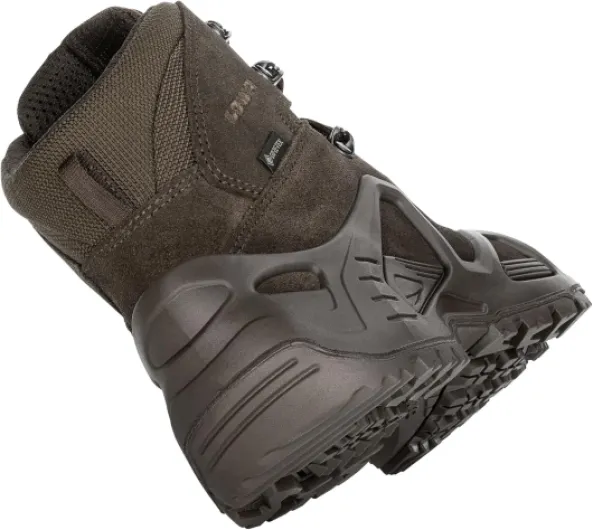
Design‑wise, the Lowa Renegade is pretty low‑key and practical. The dunkelgrau colour is a dark grey with some slightly lighter panels and stitching, nothing loud. If you want something that you can wear on a hike and then keep on to go into town or a pub without looking like you’re on an expedition, this colour works well. It looks like a hiking boot, but not like a climbing boot from the 90s.
The shape of the boot is fairly neutral: not super narrow, not clown‑wide. The toe box is rounded and gives enough room for your toes to spread without feeling sloppy. I didn’t get any toe banging on descents, which is usually the first design flaw I notice with cheaper boots. The cap toe is reinforced enough to protect you when you kick a rock, but it’s not a giant rubber bumper like some heavy-duty boots.
The lacing system is simple but well thought‑out. You’ve got standard eyelets up to mid‑foot and then three pairs of metal hooks. That makes it easy to do different tension zones – tighter at the ankle for support, a bit looser over the top of the foot if you swell on long walks. The tongue is gusseted high enough that water and grit don’t easily get in, as long as you don’t wade above that level. No fancy quick‑lace system here, but honestly, I prefer this classic style because it’s easy to fix if something breaks.
One small downside: there are quite a few seams and stitched panels on the leather upper. So far, I haven’t had any issues, but more seams usually means more potential weak points as the boot ages. The upside is the boot flexes naturally and doesn’t feel like a block. Overall, the design does what it needs to: functional, stable, and neutral‑looking, rather than fashion‑driven. If you like clean, practical gear, you’ll probably be fine with how these look.
Comfort: almost zero break‑in, but check your sizing
Comfort is where these boots do well. Out of the box, they felt surprisingly soft around the ankle and heel, with enough padding that I didn’t get any rubbing. I did a 10 km walk the first day and a longer 18 km hike a few days later. No blisters, no hotspots, just a bit of normal stiffness in the leather at the front that eased off after a couple more outings. Compared to other leather boots I’ve owned, the break‑in is short and pretty painless.
The overall support is decent for a mid boot. The cuff gives enough ankle support for uneven, rutted paths without feeling like you’re strapped into a ski boot. I’ve twisted my ankle in cheaper softer boots before; with these, the ankle feels held but not locked. Underfoot, the midsole is firm enough for rocky ground, so you don’t feel every sharp stone poking through, but it’s not a plank. I can do a full day in them without my feet feeling destroyed, which is kind of the main point.
One important point: sizing. I normally wear around a 10–10.5 UK in trainers. In these, 10.5 is fine with standard hiking socks, but if you like thick winter socks or your feet swell a lot on long days, you might want to go up half a size. Quite a few people mention going half a size up, and I can see why. The length is true, but the fit is a bit snug over the top of the foot, especially if you crank the laces.
The only comfort downside for me was the stock insole. It’s okay for a couple of hours, but on long hikes I started feeling a bit of pressure under the forefoot. Swapping to a better insole fixed that. Once that was sorted, comfort has been very good for daily walking and longer hikes. Not as soft and bouncy as a trail runner, obviously, but for a proper leather boot they’re easy to live with, even if you’re not used to heavy footwear.
Materials: leather, Gore‑Tex and a chunky sole
The upper is nubuck leather, which is basically a slightly sanded leather that feels a bit softer and looks more matte. In real use, it holds up well to scrapes from rocks and branches, and it doesn’t mark as badly as very smooth leather. I’ve dragged mine through wet hedges, fences, and rocky paths, and a quick brush plus a bit of leather conditioner brings them back to looking pretty fresh. The leather does need some care if you want it to last: a clean and a treatment every now and then, especially after really muddy walks.
Inside, you’ve got a GORE‑TEX membrane. The waterproofing so far has been reliable: wet grass, puddles, standing in mud for a while – no leaks yet. Breathability is okay but don’t expect miracles: these are still leather boots with a membrane, so on warm days or steep climbs your feet will get warm. Compared to cheaper non‑membrane boots I’ve had, I’d say these are slightly warmer but much more dependable in the rain. For UK‑style weather (rain, wet fields, mud), the material choice makes sense.
The sole is rubber with a Vibram EVO pattern. The rubber feels on the firmer side, which is good for durability. After quite a bit of use, the lugs are only slightly worn. Grip on dirt, gravel and wet grass is solid. On wet smooth rock or metal, like wet stiles or manhole covers, they’re okay but not magic – you still need to watch your step. The midsole is EVA, which gives a bit of cushioning but keeps the boot from feeling too soft or squishy under load.
The only part that feels a bit average is the stock insole. It’s man‑made, lightly shaped, and fine for short walks, but after a few long days I swapped it for an aftermarket insole with more arch support and heel cushioning. It’s not a deal‑breaker, but at this price, I’d have liked a better insole out of the box. Overall, the materials are decent quality, built more for durability and practicality than for being ultra lightweight.
Durability: built to last if you look after the leather
Durability so far looks pretty solid. After regular use – several walks a week, plus a few longer hikes – the leather upper is holding its shape, and the stitching is intact with no loose threads. The toe area has taken a few kicks against rocks and tree roots and only shows minor scuffing, nothing that affects performance. A quick brush and an occasional leather treatment (I’ve used a neutral conditioner similar to what some reviewers mention) keeps them looking decent.
The sole wear is minimal. The Vibram lugs are still well‑defined, with only slight smoothing on the heel edges where I tend to land. I’m not seeing any separation between the sole and the upper, which I’ve had happen on cheaper boots after a season. The midsole cushioning hasn’t noticeably packed down yet either – the boot still feels as supportive as it did in the first month.
One thing with leather/Gore‑Tex boots: maintenance matters. If you just leave them caked in mud and never clean or treat them, the leather will dry and crack over time, and the waterproofing will suffer. After muddy walks, I rinse or brush off the dirt, let them dry away from direct heat, and every so often I apply a leather treatment to keep the material from drying out. Doing that, I fully expect these to last several seasons of regular use. Plenty of people online mention keeping Renegades for years, and based on the build, I believe that’s realistic.
If you’re the type who wants zero maintenance and treats boots like disposable trainers, you might be a bit disappointed in the long run. But if you’re willing to give them basic care, the construction and materials feel up to the job. Nothing about them feels flimsy or “fashion boot” level. They feel like proper hiking boots that can take consistent use, not just the odd holiday walk.
Performance on the trail: grip, support and waterproofing
In actual use, the Lowa Renegade behaves like a reliable all‑round hiking boot. On mixed terrain – forest tracks, muddy fields, gravel paths, and rocky trails – they’ve handled everything without feeling out of place. The Vibram sole gives good traction in mud and on loose gravel. I’ve had them on steep, wet grass and they bit into the ground well enough that I didn’t feel like I was about to slide down on my backside. They’re not mountaineering‑boot grippy, but for normal hiking and hillwalking they do the job well.
Stability is another strong point. The Monowrap frame and full‑length stabiliser plate give the boot a controlled flex: the forefoot bends enough for a natural step, but the midfoot and heel stay solid. On rocky descents or uneven, rooty paths, my feet felt supported and I wasn’t rolling around inside the boot. With a daypack (10–12 kg), they feel stable; I haven’t tried them with a heavy expedition pack, but honestly they’re not built for that kind of use anyway.
Waterproofing has been solid so far. I’ve walked for over an hour in long, soaked grass where my trousers were dripping, and my socks stayed dry. I’ve stood in shallow streams and deep puddles up to just below the lacing hooks; again, no leaks. Where you need to be careful is depth – if water goes over the top, obviously it’s game over. Breathability is acceptable for a Gore‑Tex leather boot: my feet get warm on hot days, but not swampy. For cool to mild weather and classic UK conditions, it’s a good compromise.
The only performance area where they’re just “okay” is on very smooth, wet man‑made surfaces – metal, painted concrete, etc. Like most hiking soles, they can feel a bit slick there. On real outdoor terrain, though, especially dirt and rock, they’re predictable and confidence‑inspiring. For hillwalking, long countryside walks, and light trekking, they hit the right balance between comfort and support.
What you actually get with the Lowa Renegade
On paper, the Lowa Renegade GTX Mid is a mid‑cut leather hiking boot with GORE‑TEX lining, a Vibram EVO outsole, and Lowa’s so‑called Monowrap frame. In normal words: leather on the outside, waterproof membrane inside, and a fairly chunky rubber sole with a plastic frame to keep things stable. The model I’ve got is the dunkelgrau colour, which is basically a dark grey that goes with anything and doesn’t scream “bright neon hiker”.
The boot is classed as a high‑rise hiking boot but in reality it’s more of a mid‑ankle height. It covers the ankle nicely but doesn’t climb halfway up your calf like heavier backpacking boots. Lacing is classic: normal eyelets at the bottom and metal hooks at the top, which makes it quick to tighten or loosen. Nothing fancy, but it works and it’s practical when you’re putting them on in a muddy car park.
Inside, you get a removable pre‑shaped insole, EVA midsole, and decent padding around the heel and ankle. The insole is nothing special – it’s usable, but if you’re picky about foot support or do big mileage, you’ll probably swap it out for something better. I did after a few longer walks because I wanted more cushioning under the ball of the foot.
Overall, the positioning is clear: these are meant to be all‑round hiking/walking boots, not ultra‑technical mountaineering gear. They’re for people who walk a lot, want comfort and waterproofing, and don’t want to feel like they’re in a heavy brick of a boot. The spec list matches that: leather, Gore‑Tex, Vibram, mid height, solid but not extreme stiffness. If that’s what you’re looking for, the basic package makes sense.
Pros
- Very comfortable from day one with almost no break‑in needed
- Reliable waterproofing with Gore‑Tex and leather upper for wet conditions
- Good stability and grip on typical hiking terrain (mud, gravel, rocky paths)
Cons
- Price is high, and possible import/customs fees can make it even more expensive
- Stock insole is basic and may need replacing for longer hikes
Conclusion
Editor's rating
Overall, the Lowa Renegade GTX Mid is a solid, comfortable hiking boot that suits people who actually spend time on trails and in wet fields, not just once‑a‑year tourists. The big strengths are comfort straight out of the box, reliable waterproofing, and a stable feel on mixed terrain. They walk more like a sturdy trainer than a heavy mountain boot, which makes them easy to wear for everyday dog walks and longer weekend hikes alike.
They’re not flawless. The stock insole is basic, they’re not the coolest‑looking thing on earth, and the price is on the higher side, especially if you get hit with import charges. If you mainly walk on pavements or only go hiking a few times a year, you can definitely save money with a simpler boot or a walking shoe. But if you’re doing regular 10–20 km walks, hill days, or just want a dependable leather boot that won’t chew your feet up during break‑in, they’re a strong option. I’d recommend them to frequent walkers and hikers who want one boot to cover most situations. Casual users or people on a tight budget might be better off with something cheaper and lighter.