
Summary
Editor's rating
Value: good comfort for the money, but not the toughest choice
Sporty design with some practical quirks
Comfort: almost no break-in, but pay attention to width and breathability
Synthetic build and Gore-Tex: light but not bulletproof
Durability: fine for casual hikers, questionable for heavy use
Trail performance and waterproofing: strong start, long-term doubts
What these boots actually are (and what they’re not)
Pros
- Very comfortable out of the box with almost no break-in needed
- Lightweight for a mid-cut boot, feels more like a trail runner with ankle support
- Good grip and stability on mixed terrain and descents
Cons
- Waterproofing may not hold up well for heavy or long-term wet use
- Runs warm and less breathable due to Gore-Tex membrane
- Laces are slippery and can be annoying to tie securely

Specifications
View full product page →| Brand | Salomon |
Light boots, big expectations
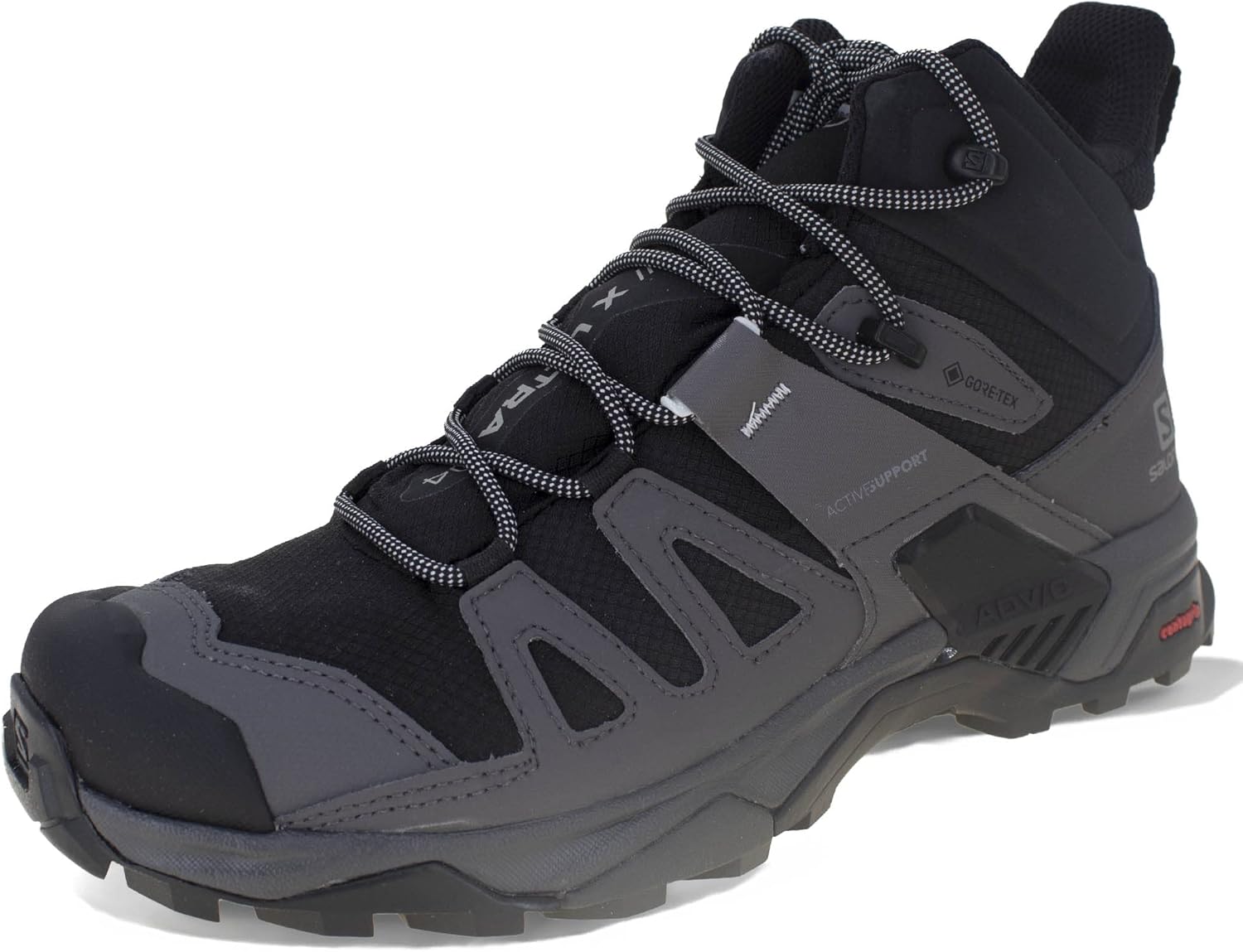
I’ve been using the Salomon X Ultra 4 Mid Gore-Tex in a men’s 11 Wide (Black/Magnet/Pearl Blue) as my main hiking boots for a few weeks now. I bought them because I wanted something lighter than full leather boots but still mid-cut and waterproof for wet trails and muddy shoulder seasons. I’ve used older Salomon models before, so I kind of knew what to expect: light, sporty, more like a trail runner with a collar than a classic chunky boot.
In practice, I’ve taken these on a mix of day hikes (5–10 miles), some sloppy, wet forest trails, and a couple of long dog walks in the rain just to see how they behave when they’re soaked for hours. Nothing extreme like mountaineering, but enough mud, roots, and wet grass to get a feel for them. I also wore them around town for a few days to see how they feel on pavement and at the end of a full day on my feet.
My overall feeling: they’re very comfortable out of the box, grip is pretty solid, and they feel more like a light hiking shoe than a boot. But there’s a catch: the Gore-Tex and long-term waterproofing are clearly the weak spot. You can tell from my own use and from other reviews that these are not the kind of boots you buy expecting 3+ years of daily wet use without issues.
If you’re looking for a light, supportive, mid-cut shoe for mixed terrain and you’re fine with the idea that the waterproofing might start to fade after a season or so, they make sense. If you want something bombproof for constant rain, snow, or work use, I’d say they’re decent but not ideal. I’ll break down what worked for me and what annoyed me in more detail below.
Value: good comfort for the money, but not the toughest choice
Price-wise, the X Ultra 4 Mid GTX usually sits in that mid to upper mid-range for hiking boots. You’re paying for the Salomon name, Gore-Tex, and the lighter, sportier design. For what you get – very good comfort, low weight, strong grip – I’d say the value is pretty solid if you’re mainly a day hiker or casual backpacker. Compared to heavier leather boots in the same price bracket, you’re trading some long-term durability for less fatigue and a more agile feel.
Where the value starts to feel a bit “meh” is if you need long-lasting waterproofing and heavy-duty build. If the Gore-Tex membrane really does start failing for some people in under six months, that’s not great for the price. At that point, you might be better off with a non-GTX boot that dries fast or a more robust leather boot that you treat and maintain. It really depends on how you use your boots. If you only hike occasionally and don’t constantly soak them, you’ll probably feel like you got your money’s worth.
Compared to cheaper hiking boots, you do feel the difference in fit and weight. These feel more dialed in, more like performance footwear than clunky budget boots. If comfort and lightness are high on your list, the extra cost can be justified. If you just want something basic to walk the dog on gravel paths, you can definitely spend less and be fine.
Overall, I’d say the value is good but not outstanding. They make sense for people who prioritize comfort, low weight, and grip, and are okay accepting that they might not be the longest-lasting waterproof boots out there. If you go in with that mindset, you probably won’t be disappointed with what you paid versus what you get.
Sporty design with some practical quirks
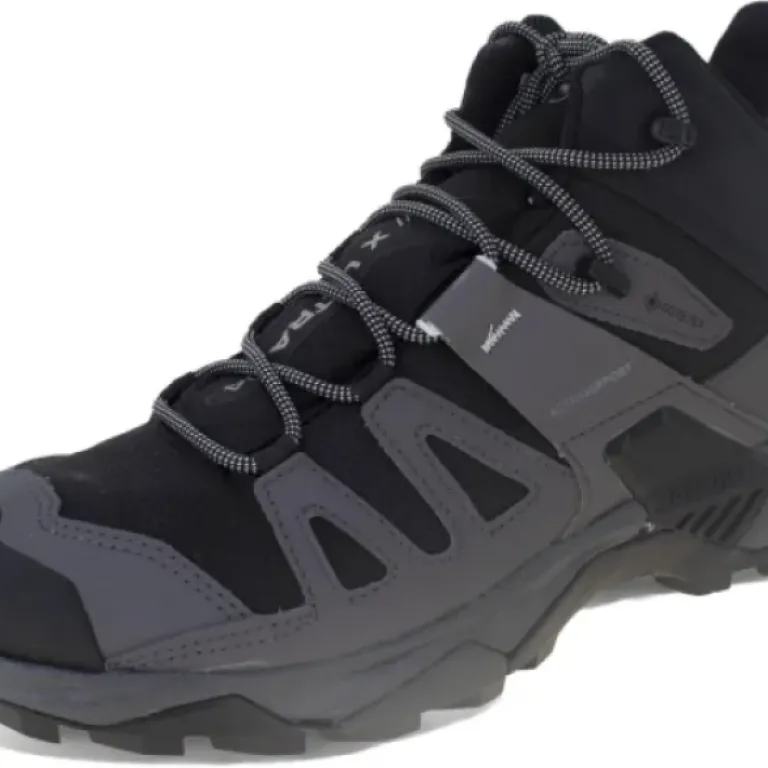
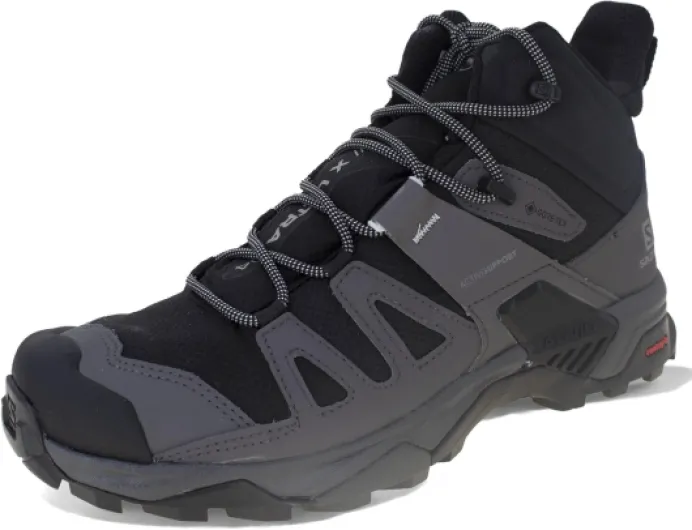
Design-wise, the X Ultra 4 Mid looks like a chunky trail running shoe that’s been stretched up to cover your ankles. The Black/Magnet/Pearl Blue colorway is pretty neutral. In person, it’s mostly dark and doesn’t scream “neon hiker” like some other Salomon models. You can wear them in town without feeling like you’re in full mountain gear, which I liked. The branding is visible but not over-the-top.
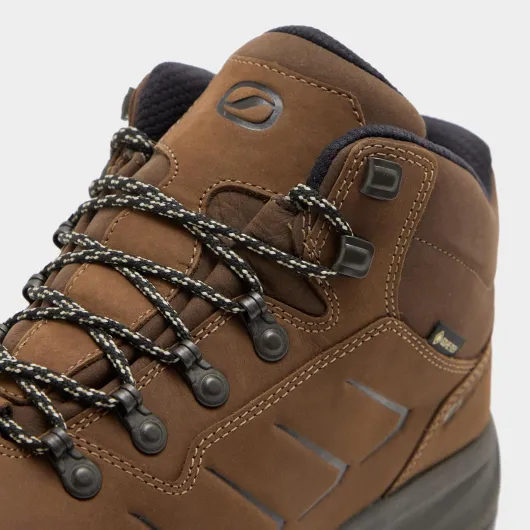
The mid-cut collar is padded and doesn’t dig into my ankle, even when I cinch the laces tighter for descents. The shape is slightly asymmetric, with Salomon’s usual sporty look. One thing I noticed is that the lacing hardware is simple fabric loops and one pair of hooks at the top. It works, but the laces themselves are a bit slippery. I’ve had the same issue as one of the Amazon reviewers: getting a tight knot that stays put can take a double knot and a bit of fiddling, especially with gloves or cold fingers.
The toe bumper is decent – not as beefy as a full-on mountaineering boot, but enough to protect against rocks and roots on the trail. The heel has a firm counter and a small pull tab, which helps when you’re putting them on. I didn’t find any weird pressure points or seams rubbing, which is good, because some mid boots dig into the front of the ankle when you flex. These flex pretty naturally when walking.
Overall, the design is practical and modern, but with a few trade-offs: laces that don’t lock as well as I’d like, and a general “shoe-first, boot-second” vibe. If you want something that looks classic and rugged, this isn’t it. If you’re okay with a technical, sporty look that blends in with outdoor clothing, they do the job.
Comfort: almost no break-in, but pay attention to width and breathability
Comfort is probably the strongest point of these boots. Out of the box, I went straight into a 6–7 mile hike with no hotspots or blisters. The midsole cushioning is firm but forgiving, and the ankle collar is well padded. I didn’t have that “brick on the feet” feeling you get with some stiffer boots. It really does feel like a trail running shoe with a higher cut. For day hikes and moderate terrain, that’s a big plus.
The pair I have is the 11 Wide, and I’d say the toe box is decent but not super roomy. It’s enough for my average-to-slightly-wide forefoot with a medium hiking sock. If you have very wide feet or like a lot of toe splay, you might still feel a bit snug. One Amazon reviewer said they were worried about no wide option; in my case, having the wide size helps, but this is not an ultra-wide boot like some Altra or Keen models. It’s more “normal with a bit of extra space” than truly wide.
Arch support is pretty solid. I have medium arches and didn’t feel the need to swap insoles right away. The stock insole itself is basic, nothing special. If you rely on thick aftermarket insoles for high arches, you might struggle with volume – another reviewer mentioned that a thicker insole wouldn’t fit well with their high instep. So if you know you need custom orthotics or very cushioned insoles, just be aware these boots don’t have tons of extra room inside.
The main comfort downside is heat and breathability. The Gore-Tex and synthetic upper trap more heat than a non-GTX mesh shoe. On cooler, wet days, it’s fine. On warmer hikes, my feet got sweaty, and once they’re damp from sweat, they stay that way for a while. It’s not horrible, but don’t expect a super airy feel. Still, for what they are – waterproof mid-cut boots – comfort is overall very good, and I’d happily wear them all day for hiking or travel.
Synthetic build and Gore-Tex: light but not bulletproof
The upper is mostly synthetic with some textile, which explains why the boots are so light. There’s no heavy leather here. The upside is they dry faster and don’t need any break-in time. The downside is they don’t feel as tough or long-lasting as a leather boot if you’re hard on your gear. After several muddy hikes and some light scraping on rocks, the upper on mine shows minor scuffs but nothing alarming so far.
Inside, you’ve got a Gore-Tex membrane that’s supposed to keep water out while still letting sweat escape. In practice, the waterproofing is decent at first: I walked through wet grass, shallow puddles, and muddy sections up to near the top of the toe box, and my feet stayed dry. But you can feel that the boot doesn’t breathe as well as a non-GTX shoe. On warmer days, my socks were damp from sweat, not leaks. That’s just the trade-off with Gore-Tex in a relatively closed synthetic boot.
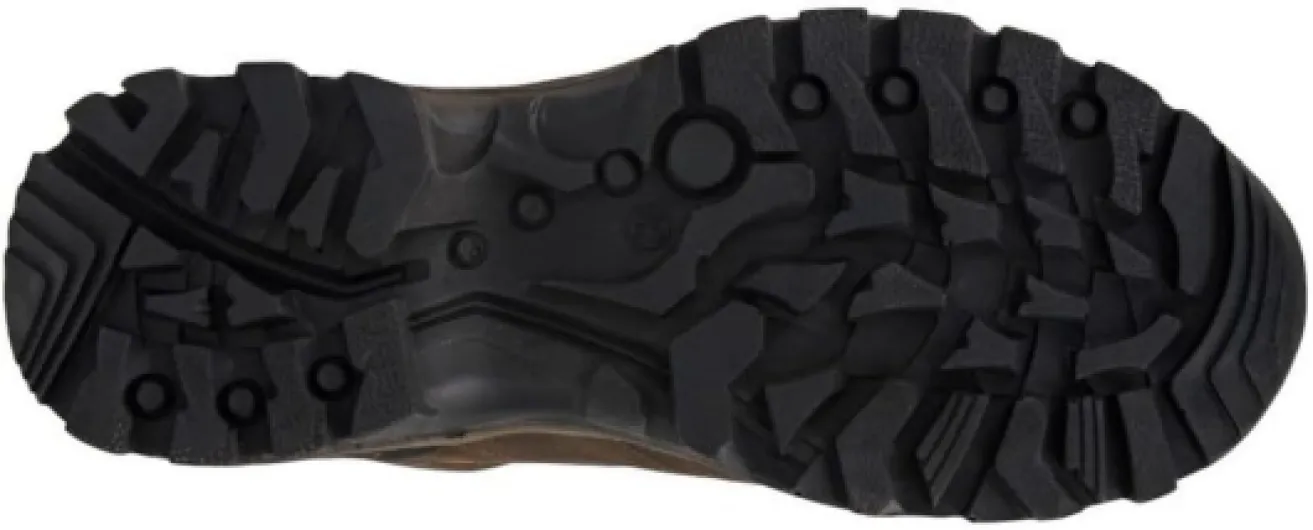
The outsole is rubber with fairly aggressive lugs. Grip on dirt, mud, and wet rock has been good for me. I haven’t had that sketchy “sliding on wet roots” feeling much, and on descents I felt in control. The midsole feels like EVA foam – cushioning is there, but it’s not super plush. It’s firm enough to protect from rocks without feeling like a brick. For a mid boot, it’s a good balance.
The weak link, based on my use and what other buyers report, is long-term waterproof durability. One review mentioned the membrane failing in under six months. I haven’t owned them that long yet, but I can see how repeated flexing at the forefoot plus synthetic fabric could eventually open up tiny leak points. So materials are good for weight and comfort, but if you’re expecting multi-year, daily wet use, I’d lower expectations a bit.
Durability: fine for casual hikers, questionable for heavy use
Durability is where I’d say “it’s fine, but don’t abuse them.” After roughly a couple dozen miles of mixed terrain and some daily wear, my pair still looks in good shape. The outsole shows minimal wear on the lugs, and the upper has only light scuffing around the toe area. For someone who hikes on weekends and does a few trips a year, I think these will last a reasonable amount of time.
Where my confidence drops is long-term waterproofing and heavy daily use. The synthetic upper and Gore-Tex membrane combo is light and comfortable, but it rarely holds up as long as thick leather boots. The Amazon review mentioning waterproof failure in under six months is a red flag if you plan to use these constantly in wet conditions. Even if my pair hasn’t reached that point yet, I’ve seen similar patterns with other light GTX boots: the fabric creases at the forefoot, the membrane gets stressed, and eventually water starts seeping in.
The laces also feel like a minor durability weak point. They’re thin and a bit slippery. I haven’t broken them, but they don’t feel as tough as some round hiking laces. If you rely on really cranking down the fit every hike, I wouldn’t be shocked if they wear faster and need replacing. The rest of the construction – stitching, bonding of upper to sole – looks solid so far. No peeling or loose threads on my pair yet.
So I’d rate durability as average to slightly above average for a light synthetic boot, but clearly below a heavy leather model. If you’re a casual hiker doing 1–2 hikes a month plus some travel, they’ll probably hold up fine for a couple of seasons. If you’re on trail multiple times a week, in wet conditions, and want several years of solid waterproofing, I’d look at something more robust. These are more “performance comfort boots” than long-term tanks.
Trail performance and waterproofing: strong start, long-term doubts
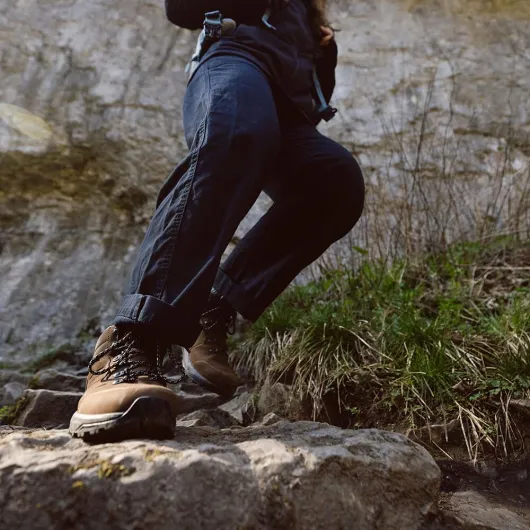
On the trail, these boots do most things well. Traction is one of the highlights. The rubber sole and lug pattern bite nicely into dirt, wet leaves, and light mud. On rocky, uneven terrain, I felt stable, and the Descent Control thing is basically just a marketing way of saying the heel and midfoot are shaped and rubbered to grip well on downhills. In practice, I could move fairly fast on descents without feeling like I was about to slide out. For a light boot, support is decent.
The mid-cut gives you just enough ankle support to feel more secure than in a low trail runner, especially when carrying a daypack. It won’t save you from every rolled ankle, but it does help on sidehills and when you’re tired. I wouldn’t take these on super technical, off-trail boulder hopping with a heavy pack, but for normal hikes and even some light scrambling, they get the job done.
Waterproofing is a mixed bag. When new, they’re properly waterproof against splashes, shallow creek crossings, puddles, and wet grass. I’ve stepped into water up to just below the lace line, and my feet stayed dry. Other reviewers report the same: early on, no issues. The problem is durability. One verified buyer mentioned the Gore-Tex failing in under six months, with wet feet after that. That lines up with what I’ve seen with some other light GTX boots: the constant flexing at the toe and the synthetic fabric eventually create tiny leak points.
For winter or snow, they’re okay if you combine them with good socks and maybe gaiters. Another user said they used them in winter and stayed dry but had cold toes at times. I had a similar experience – dry but not especially warm. They’re not insulated boots, so don’t expect them to keep your feet toasty in deep cold. Overall, performance is strong for grip and comfort, good at first for waterproofing, but I wouldn’t trust them as my only boot for constant wet conditions year after year.
What these boots actually are (and what they’re not)
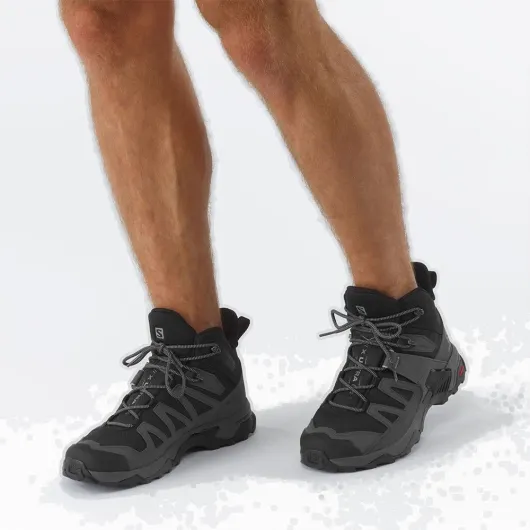
The Salomon X Ultra 4 Mid GTX is basically a trail running shoe with a higher ankle and a Gore-Tex membrane. They’re not big, stiff backpacking boots. When you pick them up, the first thing you notice is how light they are for a mid-cut boot. If you’re used to full-grain leather boots from brands like Lowa or Asolo, these feel almost like sneakers in comparison. The pair I have in size 11 Wide feels easy to swing around on long hikes and doesn’t make my legs feel tired.
On paper, Salomon sells them as a “go anywhere” hiking boot with Descent Control Technology, Gore-Tex waterproofing, and aggressive rubber lugs. In real life, I’d say they’re best suited for:
- Day hikes with mixed terrain (dirt, roots, light rock)
- Wet spring/fall trails where you hit puddles and mud
- Light backpacking with a moderate pack, not super heavy loads
- Travel/safari/outdoor trips where you walk a lot but don’t want heavy boots
They’re not really ideal for serious winter mountaineering or heavy backpacking with 40+ lb packs. The mid cut gives some ankle support, but the whole boot is still quite flexible. The outsole is grippy, but the structure isn’t as stiff as a true mountain boot. If you expect something rugged enough to kick steps in ice all day, this is the wrong category.
So, in short: light, modern hiking boot, more performance runner vibe than classic leather workhorse. Good for people who prioritize comfort and low weight over maximum durability and bombproof waterproofing. If you come in with that mindset, you’ll probably be happier than if you expect them to be your one boot for everything for the next 5 years.
Pros
- Very comfortable out of the box with almost no break-in needed
- Lightweight for a mid-cut boot, feels more like a trail runner with ankle support
- Good grip and stability on mixed terrain and descents
Cons
- Waterproofing may not hold up well for heavy or long-term wet use
- Runs warm and less breathable due to Gore-Tex membrane
- Laces are slippery and can be annoying to tie securely
Conclusion
Editor's rating
After putting some miles on the Salomon X Ultra 4 Mid GTX, I’d sum them up like this: very comfortable, light, and grippy boots with decent waterproofing at first, but not the toughest option for long-term abuse. They feel great right out of the box, handle mixed terrain well, and don’t weigh you down on longer hikes. If your main use is day hikes, weekend trips, travel, or things like safari and light backpacking, they fit that role nicely.
Where they fall short is mainly around long-term durability of the waterproofing and, to a lesser degree, overall ruggedness compared to leather boots. If you’re planning to live in these boots in constant rain, snow, or as a daily work boot, I’d be cautious. The synthetic build and Gore-Tex membrane just don’t inspire the same long-term confidence as a heavier, more traditional boot. Also, they run a bit warm because of the membrane, so they’re not the best choice if you mostly hike in hot, dry conditions.
I’d recommend these to hikers who want a light, comfortable mid-cut boot for mixed trails, occasional creek crossings, and variable weather, and who don’t mind the idea that they might need to replace them after a couple of seasons of regular use. If you want a boot you can beat up for years in wet, rough conditions, or if you’re very picky about long-lasting waterproofing, I’d look at sturdier leather options instead.