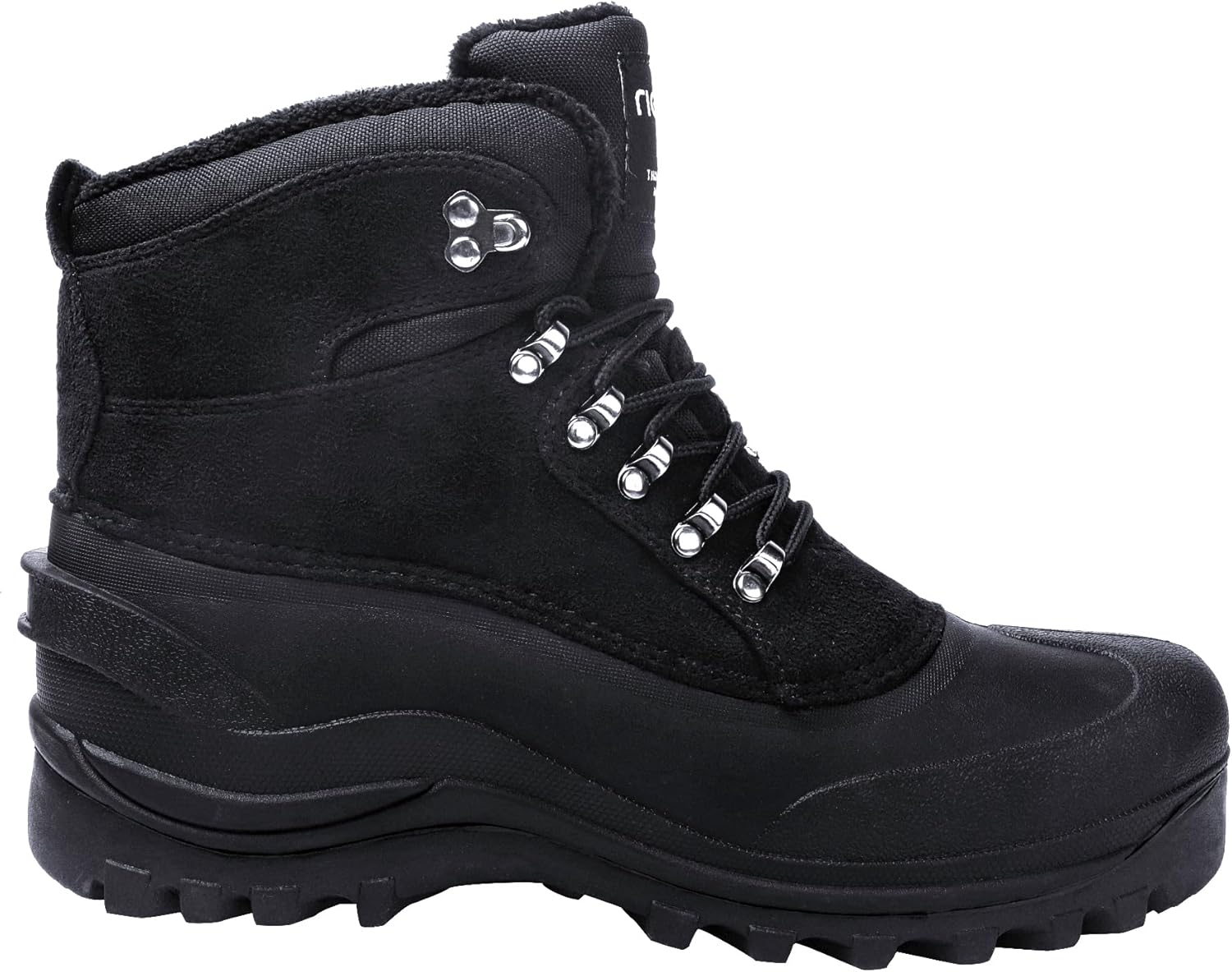
Discover our ranking of the 3 best cold weather hiking boots based on our tests.

Why the best cold weather hiking boots matter in real winter terrain

For experienced hikers and mountaineers, the best cold weather hiking boots are safety equipment, not fashion accessories. When winter hiking turns technical, a boot that balances insulation, waterproof protection, traction, and weight can mean the difference between efficient progress and a forced retreat in deep snow. Serious winter boots must keep feet warm and dry while remaining comfortable enough for long approaches and heavy packs.

Cold exposes weaknesses in any hiking boot, especially around seams, laces, and the mid sole interface where snow and ice accumulate. A winter boot with quality leather or advanced synthetics, a reliable waterproof membrane such as Gore Tex, and dense insulated padding will keep feet functional when temperatures plunge below freezing. As one gear editor notes, “Investing in high-quality insulated boots is essential for safe winter hiking.”

Mountaineers who already own three season hiking boots often underestimate how much extra insulation and traction they need for the best winter objectives. A dedicated winter boot or insulated boots with a taller shaft, aggressive traction, and a stiffer mid sole will outperform lighter hiking boots when you are breaking trail through deep snow or traversing icy north facing slopes. The trade off is extra weight, so choosing the best hiking boot for your route and pack load becomes a strategic decision.

Both men and women must also consider fit nuances, including regular wide sizing, toe box volume, and heel hold. A winter hiking boot that feels slightly roomy in the shop often becomes perfectly snug once thick socks and swollen feet enter the equation. Prioritizing a secure but pressure free fit helps keep feet warm, reduces blisters, and allows you to use traction devices confidently on steep winter hiking routes.

Ranking

#1 🏆 Best choice
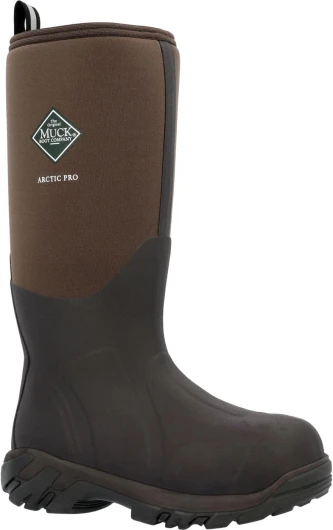
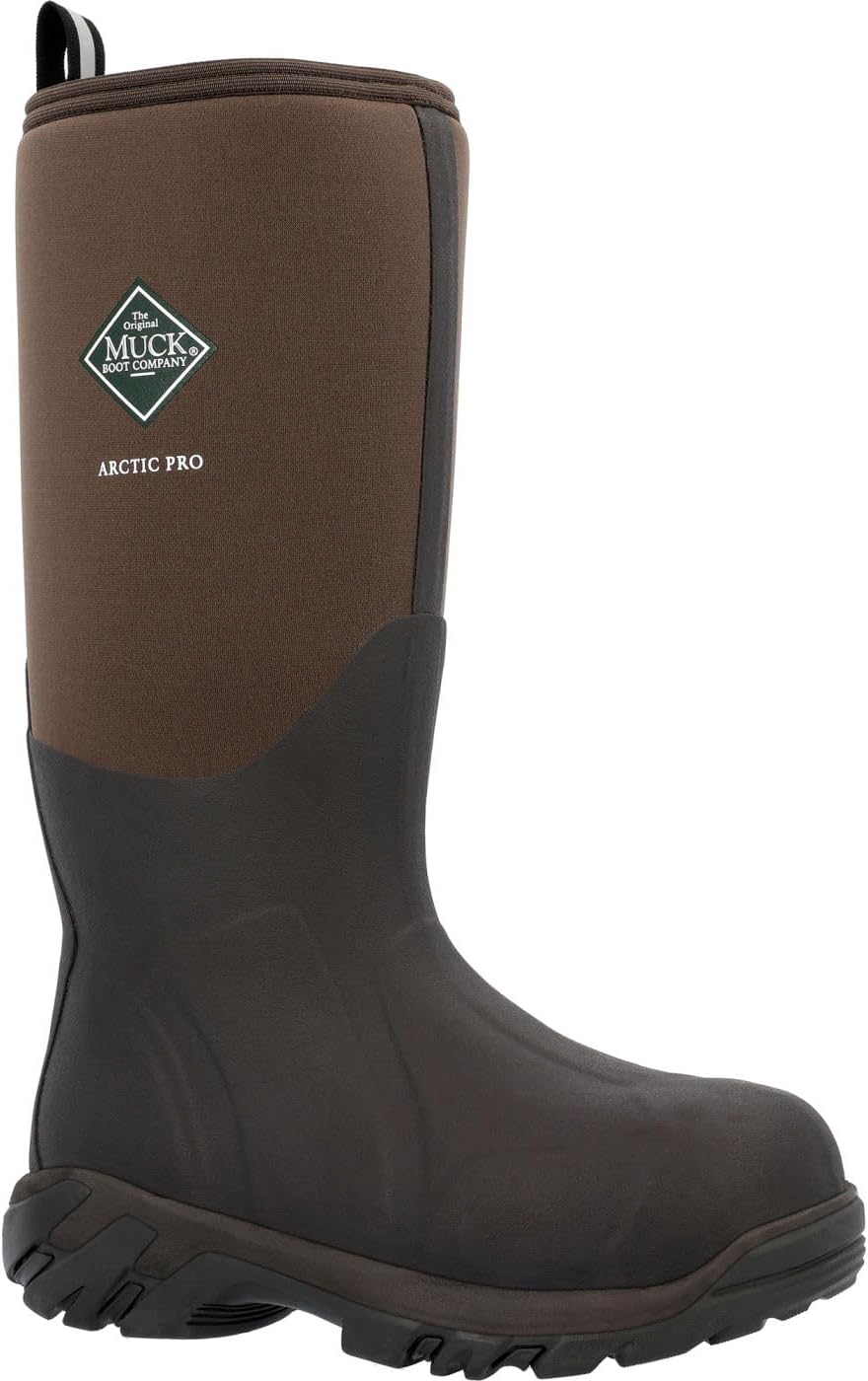
Boot Men's Arctic Pro Hunting Boot

MUCK

Boot Men's Arctic Pro Hunting Boot

⭐ Très bien noté 🔥 Populaire
  • Keeps feet warm for hours in real cold (single digits Fahrenheit) with just one decent sock
  • Fully waterproof rubber/neoprene build that handles snow, slush, and standing water
  • Durable materials and solid construction that feel ready for several hard seasons
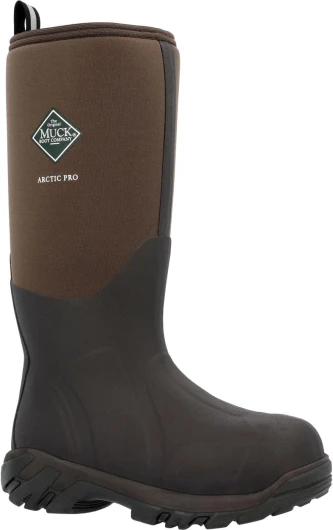
The Muck Boot Men’s Arctic Pro is a serious cold-weather boot that focuses on warmth, waterproofing, and durability, not style or lightness. In real use, it keeps feet warm and dry in conditions where cheaper boots start to fail, especially when you’re standing still or moving slowly in snow, slush, or wet fields. The 8mm neoprene and fleece lining do their job, and the rubber lower plus aggressive outsole handle mud and packed snow well. They feel tough enough to take regular abuse on a farm, in the woods, or on the ice.On the flip side, they’re bulky, fairly heavy, and can get too warm if you’re very active. They’re not great for long hikes or mixed city use; they shine when you’re out in real winter for hours and don’t move much. The fit is roomy, which is nice for thick socks but can feel a bit sloppy for narrow feet. For the price, I think they offer good value if you truly deal with harsh cold and wet conditions regularly. If you just need casual winter boots for short tasks, you can save money and go lighter. Hunters, ice fishers, and outdoor workers in cold regions will probably be happy. Occasional winter users might find them overkill.
8.7 /10
☆☆☆☆☆ ★★★★★
🌟 Excellent See full review →
See offer Amazon
#2
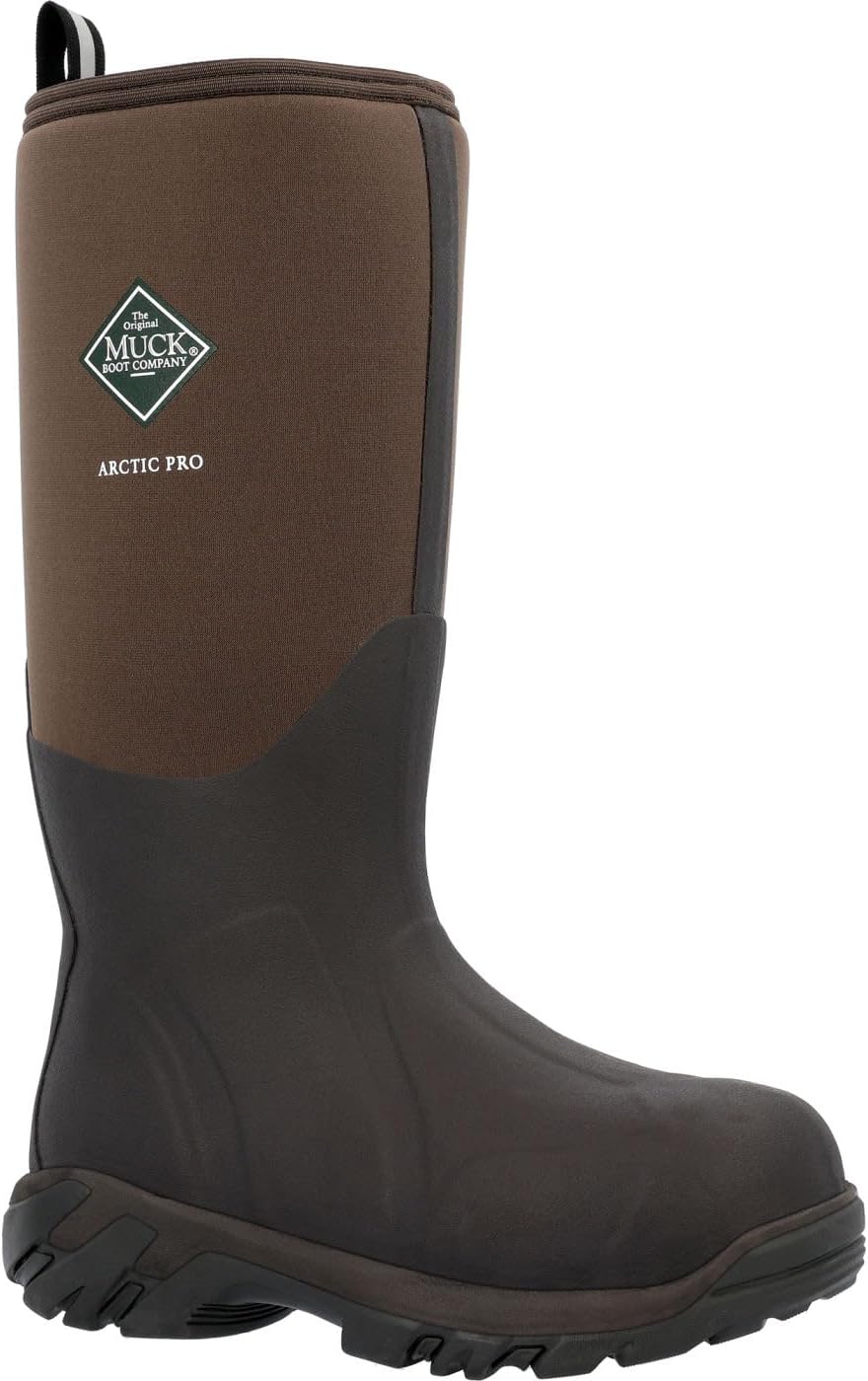
Boot Men's Arctic Pro Hunting Boot 11 Bark

MUCK

Boot Men's Arctic Pro Hunting Boot 11 Bark

⭐ Très bien noté 🔥 Populaire
  • Very warm in real-world cold (single digits and low 20s) without needing crazy-thick socks
  • Fully waterproof with tall 17-inch height for deep snow, slush, and shallow water
  • Comfortable neoprene and fleece lining with roomy toe box for long periods of standing
The Muck Boot Men's Arctic Pro is a serious cold-weather boot that focuses on one thing and does it well: keeping your feet warm and dry when it’s genuinely cold and wet. The 8 mm neoprene, fleece lining, and thermal foam underfoot actually make a difference in real use. Standing on ice, in slush, or in snow for hours is far more bearable in these than in most insulated leather boots or cheap rubber boots I’ve tried. Comfort is solid as long as you accept that they’re tall and a bit bulky.They’re not perfect. Traction on pure ice or smooth wet surfaces is only okay, so you still need to be careful. The neoprene, while thick, isn’t invincible—if you drag it through sharp stuff all day, it can tear. And the price is on the higher side, which only really makes sense if you use them a lot in harsh conditions. For quick winter errands or light use, they’re overkill. But if you’re a hunter, ice angler, guide, or someone who works outside in real winter, they’re a pretty solid choice that actually solves the “cold feet after an hour” problem.In short: get these if you spend long stretches standing or moving slowly in serious cold and wet and are tired of frozen toes. Skip them if you want a light winter boot for casual walking or if you mostly deal with mild winters and city sidewalks.
8.7 /10
☆☆☆☆☆ ★★★★★
🌟 Excellent See full review →
See offer Amazon
#3
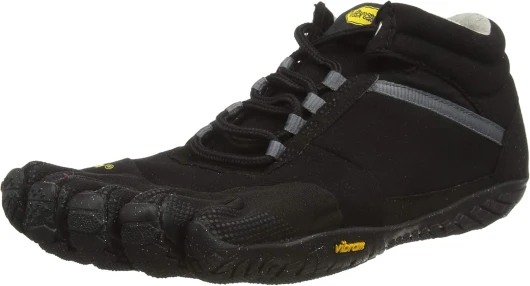
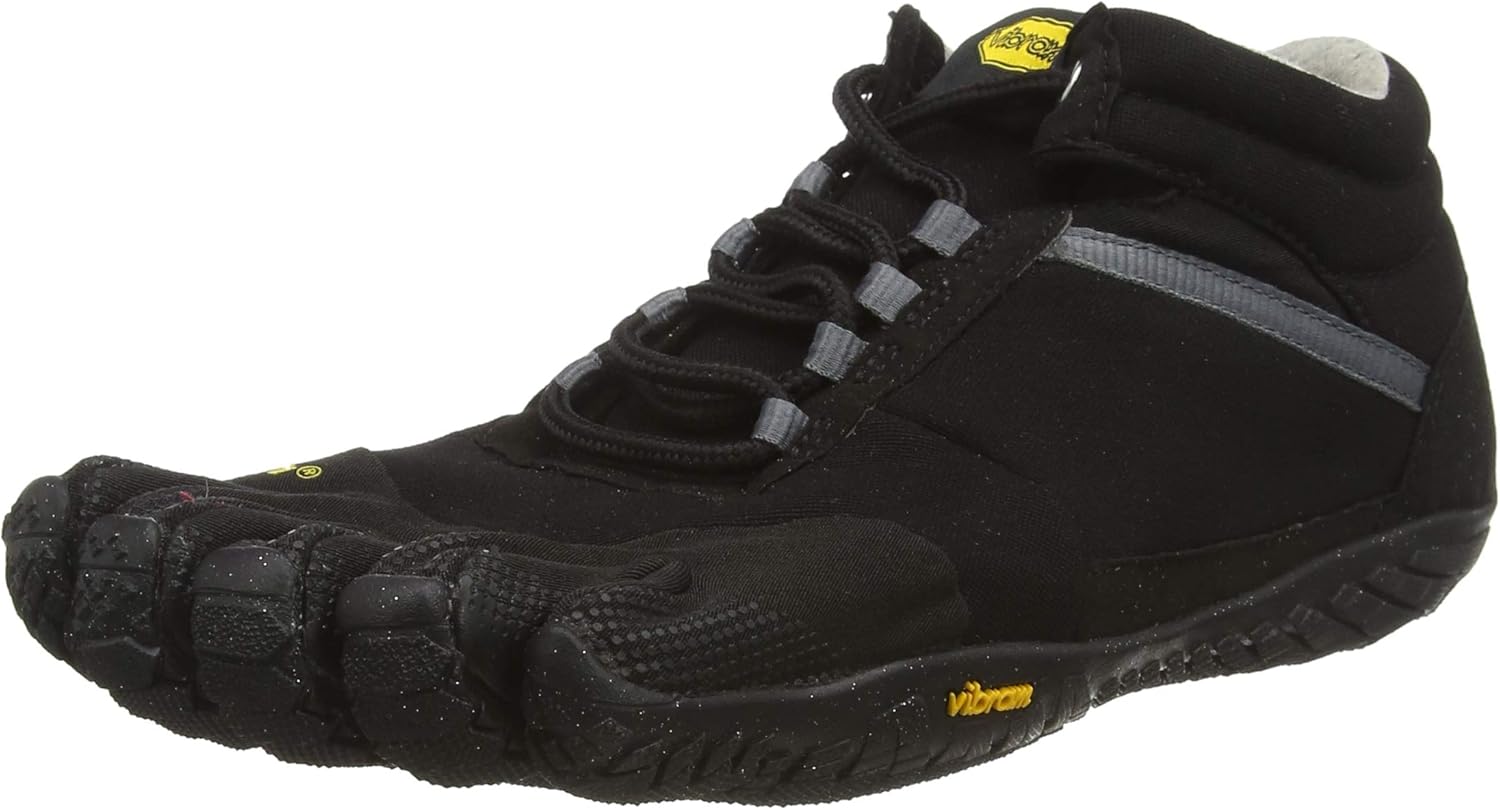
Men's Trek Ascent Insulated Walking Shoe 9-9.5 Black

Vibram

Men's Trek Ascent Insulated Walking Shoe 9-9.5 Black

  • Very good grip on snow and typical icy surfaces thanks to ICETREK sole
  • Warm 360° wool lining that keeps toes comfortable in cold weather
  • Light and flexible minimalist feel compared to bulky winter boots
After using the Vibram Trek Ascent Insulated for a while in real winter conditions, my take is pretty straightforward: they do exactly what a winter FiveFingers should do, but they’re not a universal winter shoe. The warmth is genuinely good for active use around freezing and a bit below, the ICETREK sole grips very well on snow and typical icy patches, and the overall feel is light and flexible. If you already like minimalist shoes and hate switching to clunky boots every winter, these make sense.They’re not perfect though. Sizing is finicky—you almost certainly need to go up at least one size, maybe two if you want thicker socks. The ankle collar can rub on the outer ankle bone depending on your anatomy, which can be a deal-breaker if you’re sensitive there. Water resistance is okay for light snow and slush, but this is not a stand-in-puddles boot. Design choices like the missing heel pull tab and basic laces feel a bit lazy at this price.I’d recommend these to people who: already own FiveFingers, walk or run regularly in cold conditions, and want something warmer without giving up ground feel and toe separation. I’d skip them if you: need fully waterproof boots, hate fiddly shoes that take time to put on, or are brand new to toe shoes and just want simple winter footwear. For the right user, they’re a pretty solid winter tool; for everyone else, they’ll feel like an expensive, slightly weird experiment.
8.2 /10
☆☆☆☆☆ ★★★★★
🌟 Excellent See full review →
See offer Amazon

Comparison table : Cold weather hiking boots

Overall score Value for money Design Comfort Materials Durability Performance Presentation
Boot Men's Arctic Pro Hunting Boot
#1 MUCK
Boot Men's Arctic Pro Hunting Boot
See offer Amazon
8.7/10 ☆☆☆☆☆ ★★★★★ ☆☆☆☆☆ ★★★★★ ☆☆☆☆☆ ★★★★★ ☆☆☆☆☆ ★★★★★ ☆☆☆☆☆ ★★★★★ ☆☆☆☆☆ ★★★★★ ☆☆☆☆☆ ★★★★★
Boot Men's Arctic Pro Hunting Boot 11 Bark
#2 MUCK
Boot Men's Arctic Pro Hunting Boot 11 Ba...
See offer Amazon
8.7/10 ☆☆☆☆☆ ★★★★★ ☆☆☆☆☆ ★★★★★ ☆☆☆☆☆ ★★★★★ ☆☆☆☆☆ ★★★★★ ☆☆☆☆☆ ★★★★★ ☆☆☆☆☆ ★★★★★ ☆☆☆☆☆ ★★★★★
Men's Trek Ascent Insulated Walking Shoe 9-9.5 Black
#3 Vibram
Men's Trek Ascent Insulated Walking Shoe...
See offer Amazon
8.2/10 ☆☆☆☆☆ ★★★★★ ☆☆☆☆☆ ★★★★★ ☆☆☆☆☆ ★★★★★ ☆☆☆☆☆ ★★★★★ ☆☆☆☆☆ ★★★★★ ☆☆☆☆☆ ★★★★★ ☆☆☆☆☆ ★★★★★

Key performance factors in winter boots for demanding hikers

Insulation sits at the heart of every serious winter boot, and understanding its performance helps you select the best cold weather hiking boots for your climate. Synthetic fills such as Thinsulate or PrimaLoft trap warm air efficiently while keeping weight manageable, which matters when your hiking day stretches beyond 15 kilometres. For extreme cold, some insulated boots add removable liners that increase insulation but also raise overall weight and bulk.

Waterproofing is equally critical, because even the warmest insulated hiking boots fail once snowmelt seeps through the upper. A waterproof hiking membrane such as Gore Tex, paired with a high rand and sealed seams, prevents slush from soaking the boot while still allowing moisture to escape from your feet. Many winter boots combine leather with synthetic panels to balance durability, flexibility, and waterproof reliability during long winter hiking approaches.

Traction determines how confidently you move across ice, crust, and wind packed snow. Deep lugs, sticky rubber, and heel brakes help a winter boot bite into steep slopes, while compatibility with microspikes or light crampons extends the range of your best winter objectives. When planning routes like the mixed trails highlighted in this guide to Beaver Creek winter hiking, traction becomes as important as insulation or waterproofing.

Experienced hikers also weigh price and weight carefully, because the best cold weather hiking boots often sit in the premium category. A heavier insulated boot may offer outstanding warmth and traction but feel tiring on long, rolling terrain, while a lighter winter boot suits faster hiking but sacrifices some insulation. Evaluating your typical winter hiking conditions, from north facing forest tracks to open alpine ridges, helps you decide which boot or boots deserve a place in your gear rotation.

Standout models in the best cold weather hiking boots category

Among purpose built winter boots, the Baffin Impact stands out for extreme cold, offering massive insulation for expeditions and static camps. Its substantial weight makes it less suitable for fast hiking, yet for Arctic style trips or multi day winter camping, this insulated boot keeps feet warm when temperatures plunge far below typical mountain conditions. Hikers tackling serious north facing routes or deep snow approaches often accept the extra weight in exchange for reliable warmth.

For more mobile winter hiking, the Merrell Thermo Overlook 2 provides a lighter hiking boot profile with solid insulation and dependable waterproof hiking performance. Its lower shaft height suits groomed winter hiking trails, mixed snow and mud, and urban approaches where a full expedition winter boot feels excessive. Many men and women appreciate how this boot balances price, weight, and traction while still qualifying among the best winter options for moderate climates.

Technical winter hikers often compare insulated boots such as the Keen Revel series, including the Revel Polar, which targets deep snow and cold conditions with robust insulation and aggressive traction. The Keen Revel line aims to keep feet warm without sacrificing too much hiking efficiency, making it a strong candidate for those who want one boot for both winter hiking and occasional snowshoeing. When paired with gaiters, these insulated boots handle deep snow on demanding routes like the icy approach to Devils Bridge in winter.

Columbia’s Bugaboot III and Oboz Bridger winter boots also earn frequent praise among experienced hikers seeking the best cold weather hiking boots. The Bugaboot III offers a competitive price and reliable waterproof construction, while the Oboz Bridger winter boot emphasises support, leather durability, and strong traction. Both models come in men and boots women versions, with regular wide options that help keep feet comfortable during long winter hiking days.

Fit, comfort, and gender specific considerations in winter hiking boots

Comfortable fit becomes more complex in winter boots because insulation and thick socks change how a hiking boot wraps the foot. Many experienced hikers size up half a size in insulated boots to keep feet from feeling cramped once they add winter socks and spend hours on the trail. This extra room also helps maintain circulation, which is essential for keeping feet warm in the best cold weather hiking boots.

Men and women often experience different pressure points, so brands design winter boots women specific lasts with narrower heels and slightly different mid foot shapes. A women focused winter boot can reduce heel lift, improve traction on steep slopes, and prevent blisters during long winter hiking days. Meanwhile, men’s versions may offer more volume in the forefoot, which benefits those with wider feet or who prefer regular wide sizing.

Comfort also depends on how the boot’s weight and stiffness interact with your stride and pack load. A heavier insulated boot with a stiff mid sole supports crampons and snowshoes but may feel overbuilt for casual winter hiking on forest tracks. Conversely, a lighter waterproof hiking boot with moderate insulation suits fast hiking but may not keep feet warm enough during static belays or long breaks in deep snow.

Experienced mountaineers often maintain two pairs of winter boots, one lighter for best hiking efficiency and one heavier for extreme cold or technical north face routes. In both cases, they prioritise a secure heel, enough toe room to wiggle, and lacing systems that allow micro adjustments with gloves. Testing boots indoors for at least thirty minutes, including on an incline ramp, helps ensure your chosen winter boot will remain comfortable across varied terrain and changing snow conditions.

Balancing insulation, waterproofing, and traction with real world trade offs

Every winter boot represents a compromise between insulation, waterproofing, traction, weight, and price, and understanding these trade offs helps you choose wisely. High insulation levels keep feet warm in extreme cold but add weight and bulk, which can slow your hiking pace and increase fatigue on long days. Lighter insulated boots feel more agile yet may require careful layering of socks and movement to maintain warmth during winter hiking.

Waterproof membranes such as Gore Tex excel at blocking liquid water while allowing vapour to escape, but they still rely on regular maintenance. Applying waterproofing treatments to leather and cleaning mud from the boot’s lower sections preserves the integrity of the waterproof hiking barrier. Neglecting this care can lead to gradual leakage, especially when repeatedly plunging through deep snow or crossing partially frozen streams on north facing approaches.

Traction technologies, from aggressive rubber lugs to winter specific compounds, significantly influence how the best cold weather hiking boots perform on ice and packed snow. Some winter boots integrate heel ledges or specific shapes that interface cleanly with microspikes or semi automatic crampons, expanding their use on steeper winter hiking routes. However, more aggressive traction patterns can collect wet snow, so experienced hikers periodically knock their boots together to maintain grip.

Price often reflects the sophistication of insulation, waterproofing, and traction systems, with premium insulated boots commanding higher costs. For many men and women who hike frequently in winter, investing in a high quality winter boot pays off through durability, safety, and comfort. When planning ambitious itineraries like those outlined in this guide to challenging winter hikes near major cities, that investment becomes part of a broader risk management strategy.

Care, longevity, and sustainability of serious winter hiking boots

Maintaining the best cold weather hiking boots properly extends their lifespan and preserves performance across many seasons. After each winter hiking day, remove dirt and snow, take out the insoles, and allow the boot to dry slowly in a cool, ventilated space. Direct heat can damage leather, compromise waterproof membranes, and reduce the effectiveness of insulation in even the best winter boots.

Regularly applying leather conditioner and waterproofing sprays keeps the upper supple and reinforces the waterproof hiking barrier. Inspect high wear zones such as the toe cap, heel, and mid sole junction, because early signs of delamination or cracking can often be addressed through professional repair. Many insulated boots, including some leather heavy models, can be resoled, which reduces waste and lowers the long term price of ownership.

Sustainability has become a growing concern among experienced hikers, leading brands to experiment with recycled materials and recraftable designs. Choosing a winter boot built with durable leather, repairable construction, and responsibly sourced insulation reduces environmental impact over the boot’s full life cycle. This approach aligns with the reality that a single well maintained winter boot can replace several cheaper, less durable options.

Storage between seasons also affects how well your hiking boots perform when the snow returns. Clean them thoroughly, stuff them lightly to maintain shape, and store them away from direct sunlight or damp basements that can degrade materials. When you pull those insulated boots out for the first north face tour of the season, you will appreciate how consistent care helps keep feet warm, dry, and ready for demanding winter hiking objectives.
Frequently asked questions

Consider sizing up slightly to accommodate thick winter socks and natural foot swelling during long hiking days. Ensure there is enough room to wiggle toes without the heel lifting excessively when you walk uphill. This balance helps keep feet warm while maintaining precise control on icy or steep winter hiking terrain.

In most winter hiking scenarios, a waterproof membrane such as Gore Tex is highly beneficial because it blocks snowmelt and slush from soaking the boot. However, membranes still require regular cleaning and reproofing of the outer materials to maintain performance. In extremely cold, dry climates, some mountaineers may prioritise vapour permeable systems, but for mixed snow conditions, waterproof hiking membranes remain the standard.

The required insulation level depends on your climate, activity intensity, and personal circulation. For active winter hiking in moderate cold, a lighter insulated boot often suffices, especially if you keep moving consistently. For static belays, high altitude routes, or deep snow camping, heavier insulated boots with thicker linings or removable liners provide more reliable warmth.

Some robust three season hiking boots with waterproof membranes and room for thick socks can handle mild winter hiking on packed trails. However, they usually lack the insulation and traction needed for deep snow, ice, or prolonged exposure to sub zero temperatures. Most experienced hikers eventually invest in a dedicated winter boot to complement their lighter hiking boots.

Remove insoles and laces, open the boot fully, and let it dry at room temperature with good airflow, optionally stuffing with newspaper to absorb moisture. Avoid placing winter boots directly near heaters or fires, because excessive heat can damage leather, adhesives, and insulation. Patience during drying preserves the performance and longevity of even the best cold weather hiking boots.

According to our tests, the best cold weather hiking boots is the Boot Men's Arctic Pro Hunting Boot with a score of 8.7/10.

The cheapest cold weather hiking boots in our comparison is the Boot Men's Arctic Pro Hunting Boot.

The most popular cold weather hiking boots is the Boot Men's Arctic Pro Hunting Boot with 5 354 customer reviews.

To choose a cold weather hiking boots, we recommend comparing performance, build quality, value for money and user reviews. Our comparison table above helps you make the right choice.

We have tested 3 Cold weather hiking boots to establish this ranking.
#1 Boot Men's Arctic Pro Hunting Boot
MUCK
Men's Arctic Pro Hunting Boot
8.7/10 Best choice
See offer Amazon
Share this page
Published on
Share this page

Summarize with

What the experts say

Most popular


Also read


Articles by date