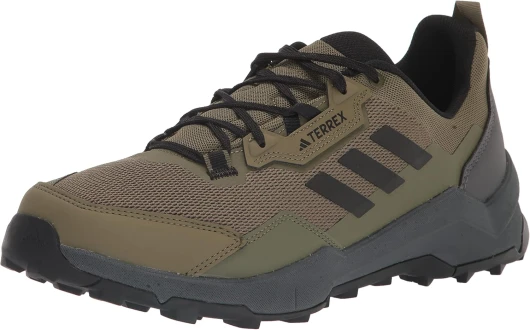
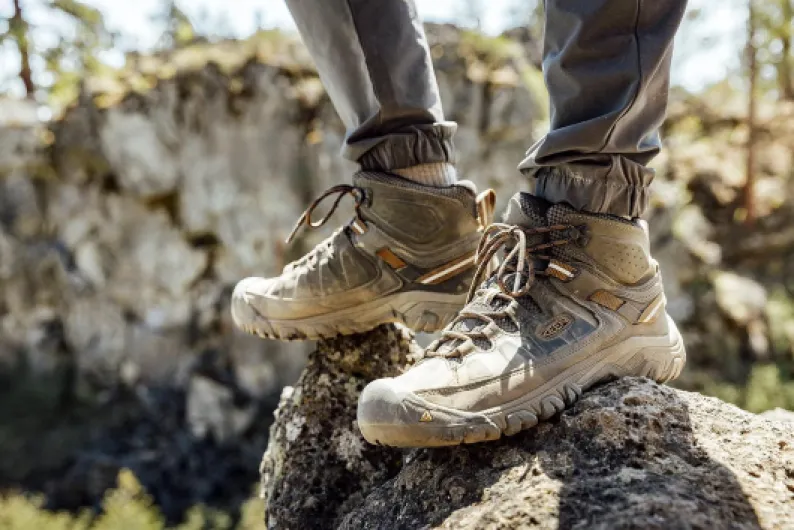
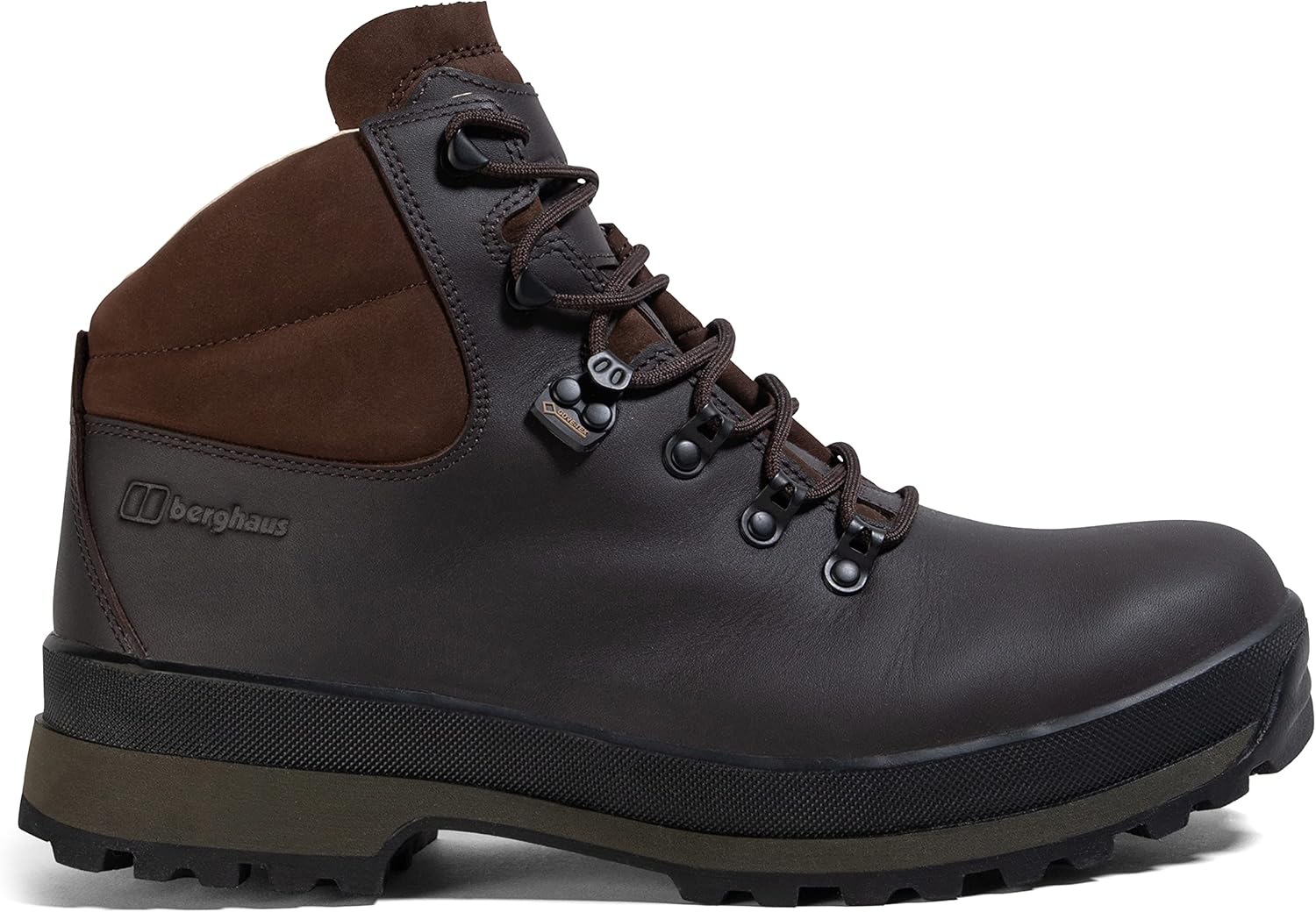
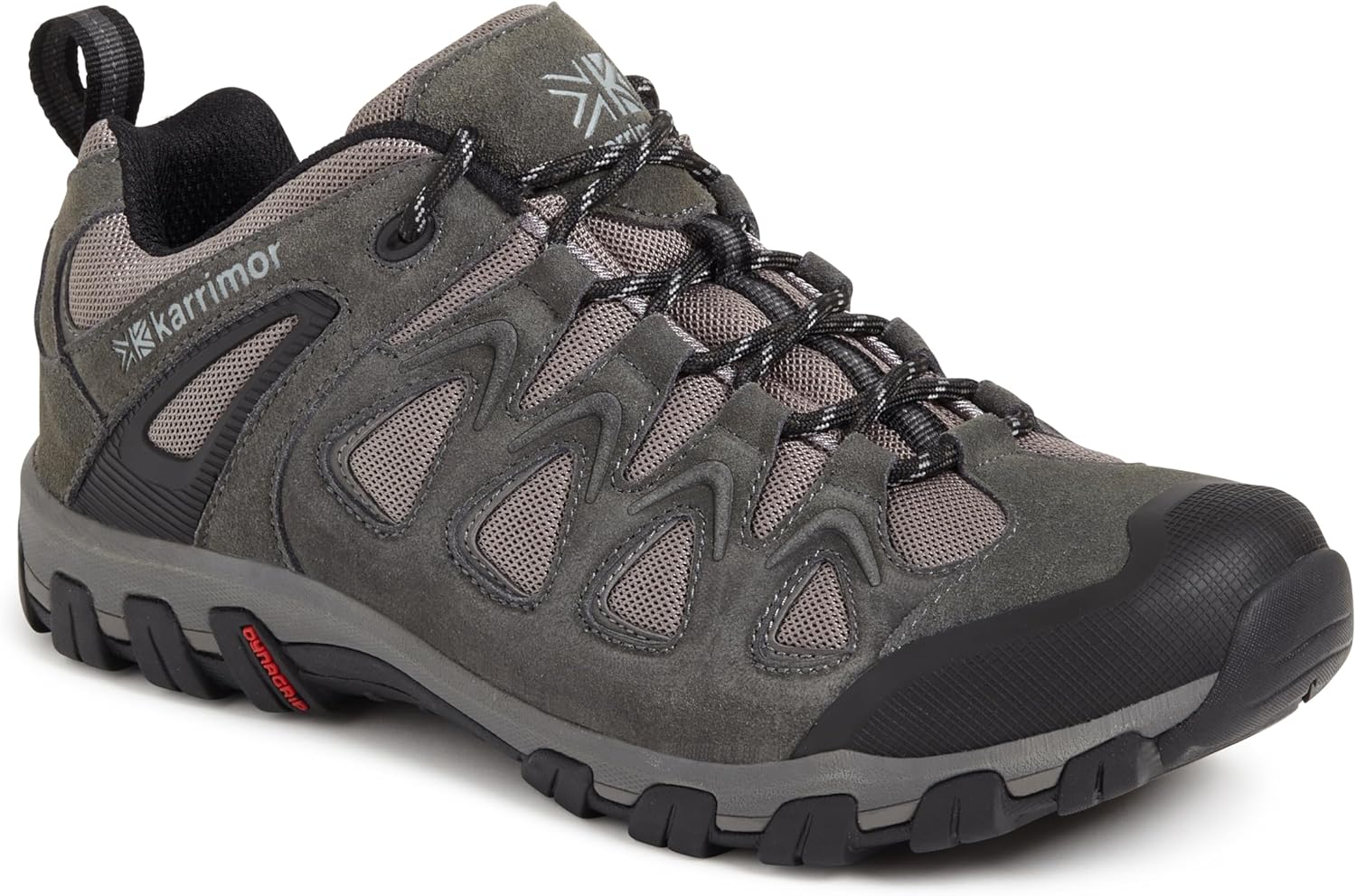
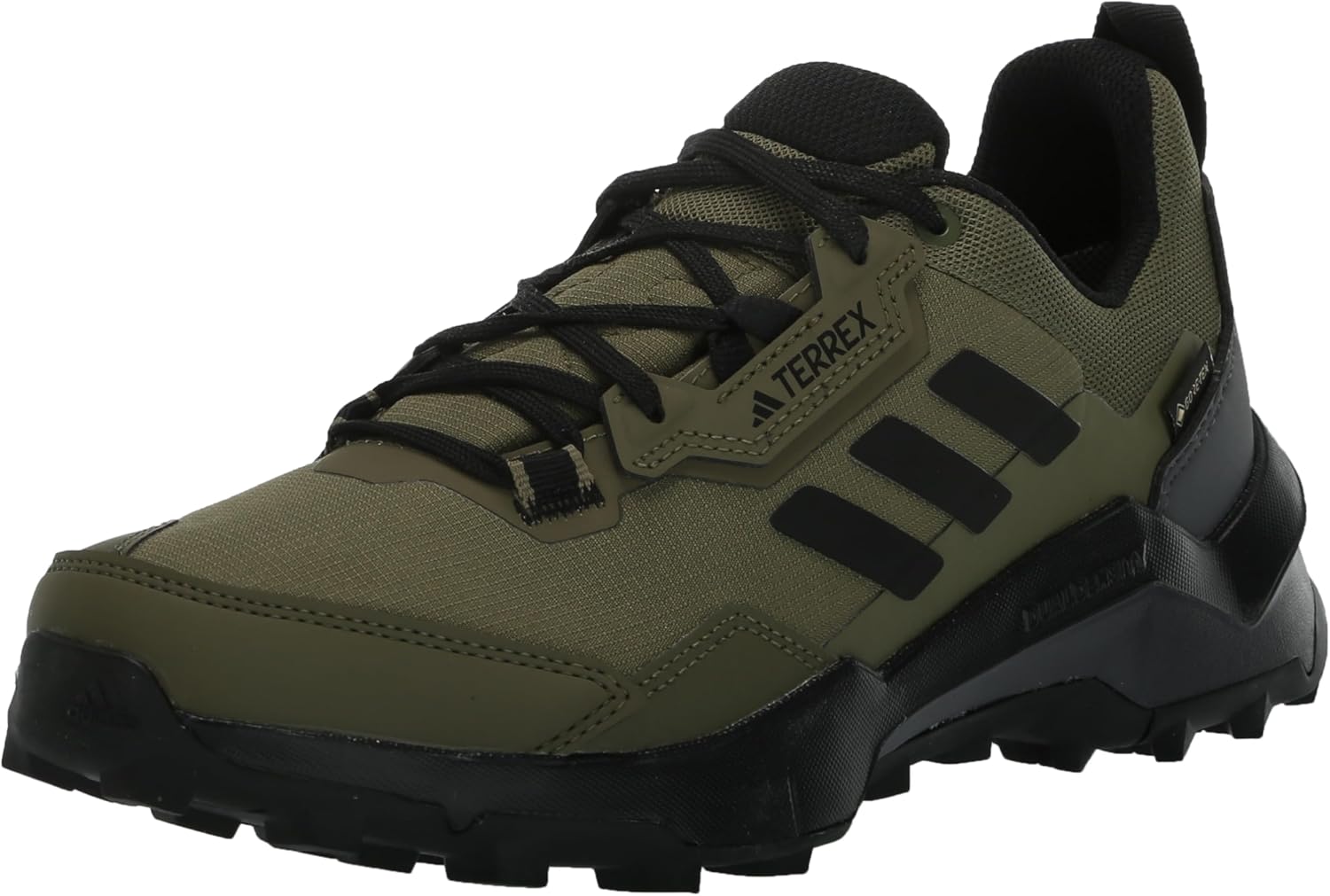
Why stability, ankle support, and mid cut designs matter on day hiking routes
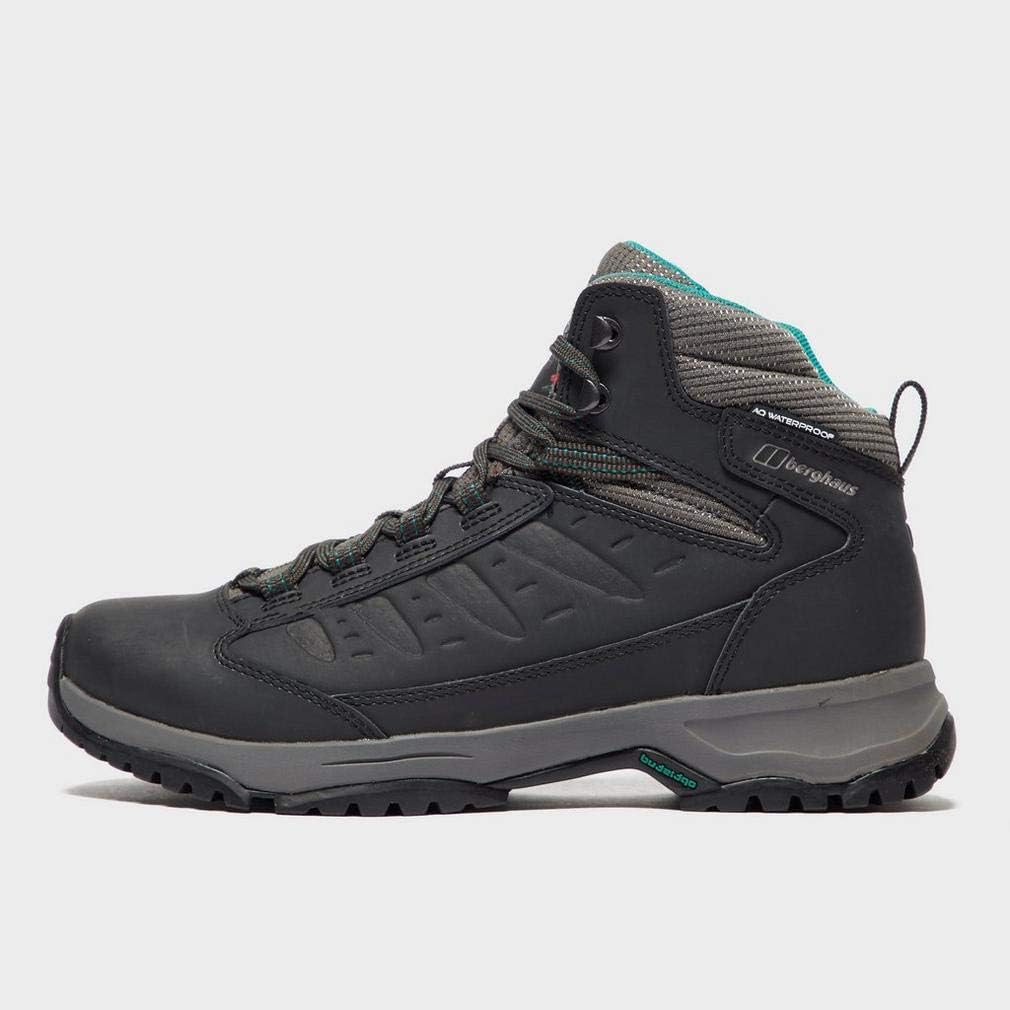
Stability is the quiet safety net behind the best hiking boots for day hikes. On undulating singletrack, a supportive mid boot stabilizes the ankle without feeling like a rigid mountaineering shell, which is unnecessary weight for most day hiking plans. The combination of a structured heel counter, a torsion resistant mid sole, and a well designed upper gives a hiking boot its characteristic planted feel.
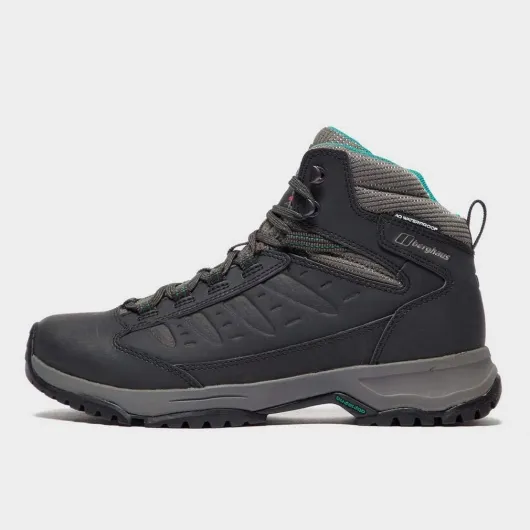
Many hikers now gravitate toward mid gtx designs because they blend waterproof protection with targeted ankle support. A mid waterproof boot with a partial leather upper and synthetic reinforcements can resist abrasion from scree and roots while still flexing naturally during long approaches. When you read a detailed gtx review, pay attention to how testers describe lateral stability on off camber trail sections, because this is where weaker designs allow the foot to roll.
Some ultra cushioned models, such as the hoka kaha and its kaha gtx variant, illustrate how modern foam compounds can deliver both comfort and control. These hiking boots use thick midsoles to absorb impact on long descents, yet their broad platform and structured upper maintain stability even under a full day pack. For technical users, the reasons buy such a boot often include reduced joint stress, while the reasons avoid may involve less precise edging on narrow rock ledges compared with a firmer leather boot.
Waterproofing, breathability, and the real meaning of gtx in hiking boots
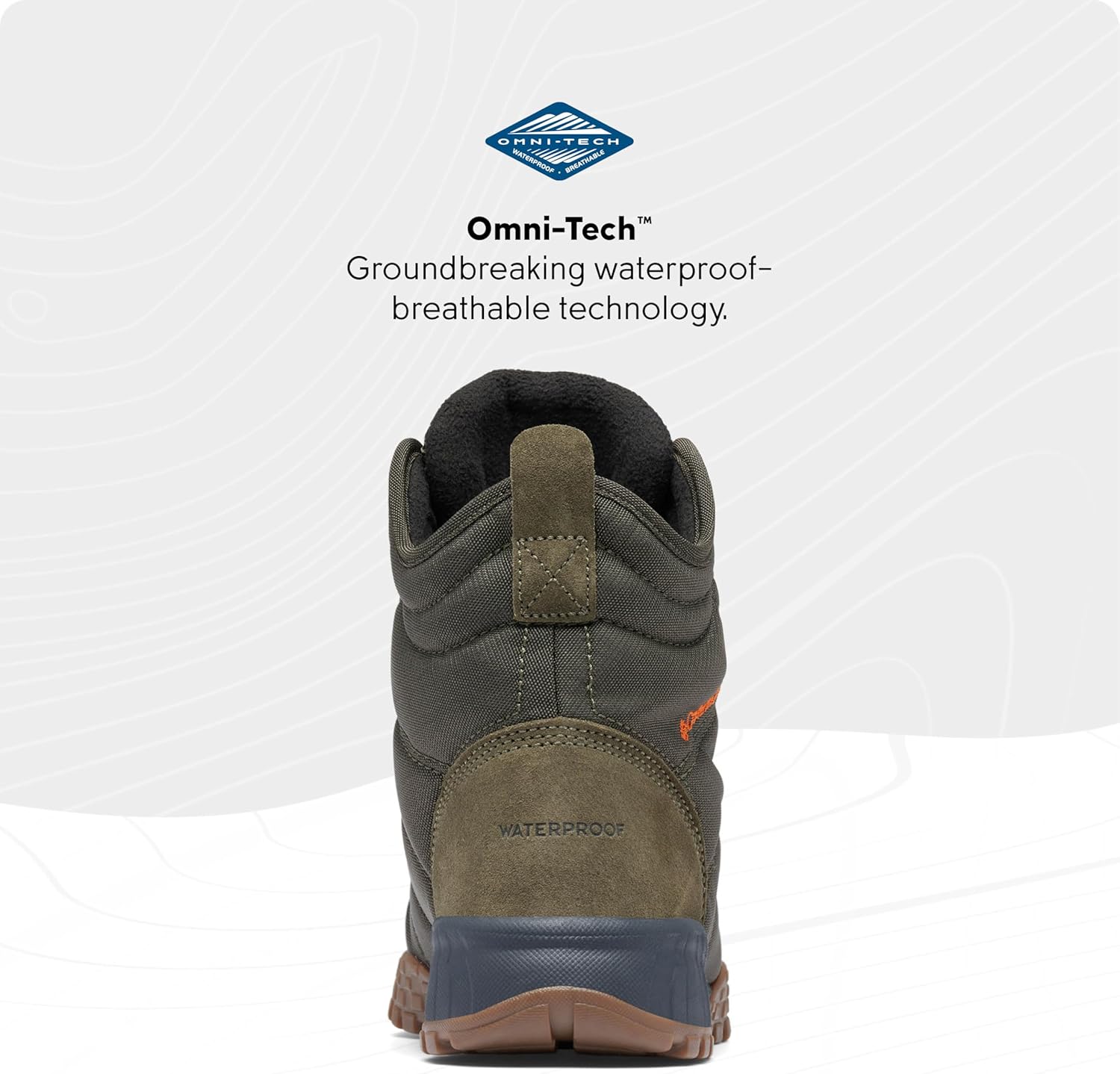
Waterproof labels on hiking boots can mislead even seasoned hikers who focus only on staying dry. In practice, the best hiking boots for day hikes balance waterproof performance with breathability, drying time, and the specific climate of your home mountains. A gore tex or similar gtx membrane in a hiking boot forms a barrier against external moisture, but the boot’s lining, upper materials, and overall construction determine how well sweat vapor escapes.
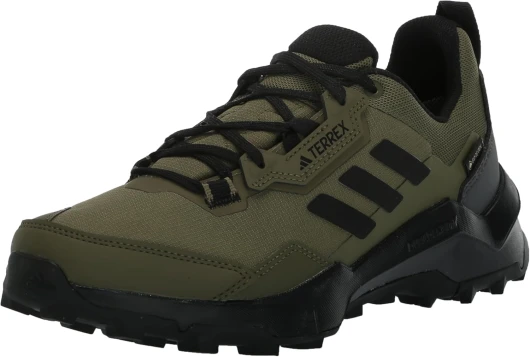
Many mid gtx and mid waterproof models use a mix of leather and synthetic mesh to fine tune this balance. Full leather boots offer excellent durability and natural water resistance, yet they can run warmer on steep trail climbs in hot conditions, especially during fast day hiking missions. By contrast, a lightweight synthetic boot with a gtx liner may feel cooler and dry faster overnight, which becomes a strong reasons buy factor for hikers who travel frequently or tackle multi day hut trips.
However, waterproof boots women and boots men can feel clammy if the fit is too tight or the socks are poorly chosen. A slightly roomier hiking boot with quality wool socks allows air circulation, which helps the membrane move moisture outward during sustained hiking. When you read any serious gtx review, look for comments on breathability during both slow, cold ascents and rapid, warm descents, because this dual performance defines real world comfort on varied trail profiles.
Comparing iconic models like merrell moab and salomon ultra on real trail days
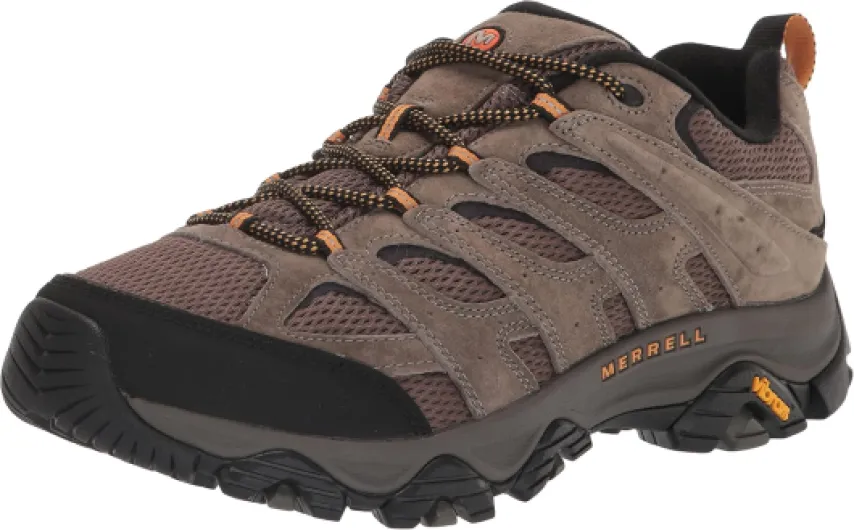
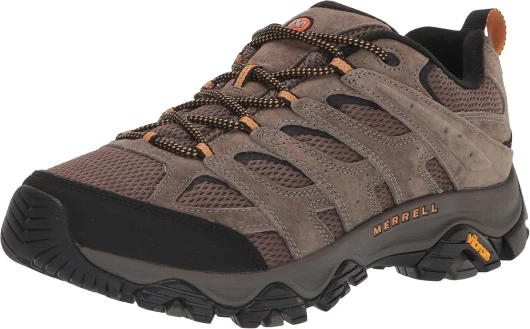
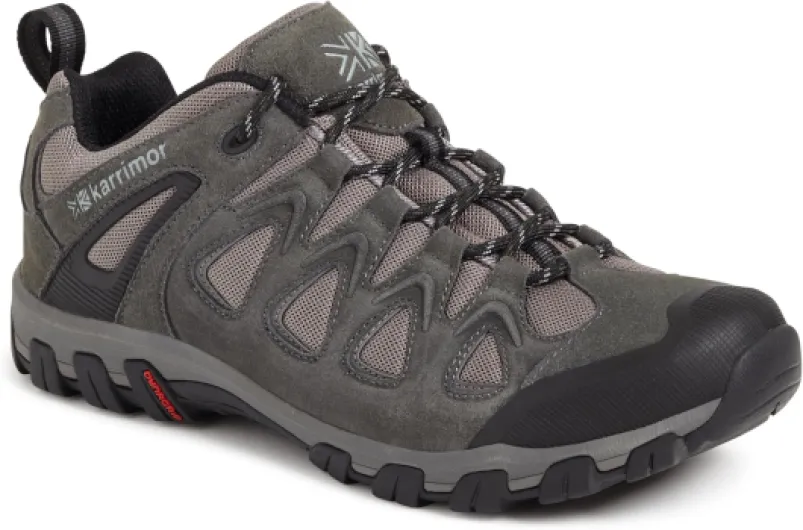
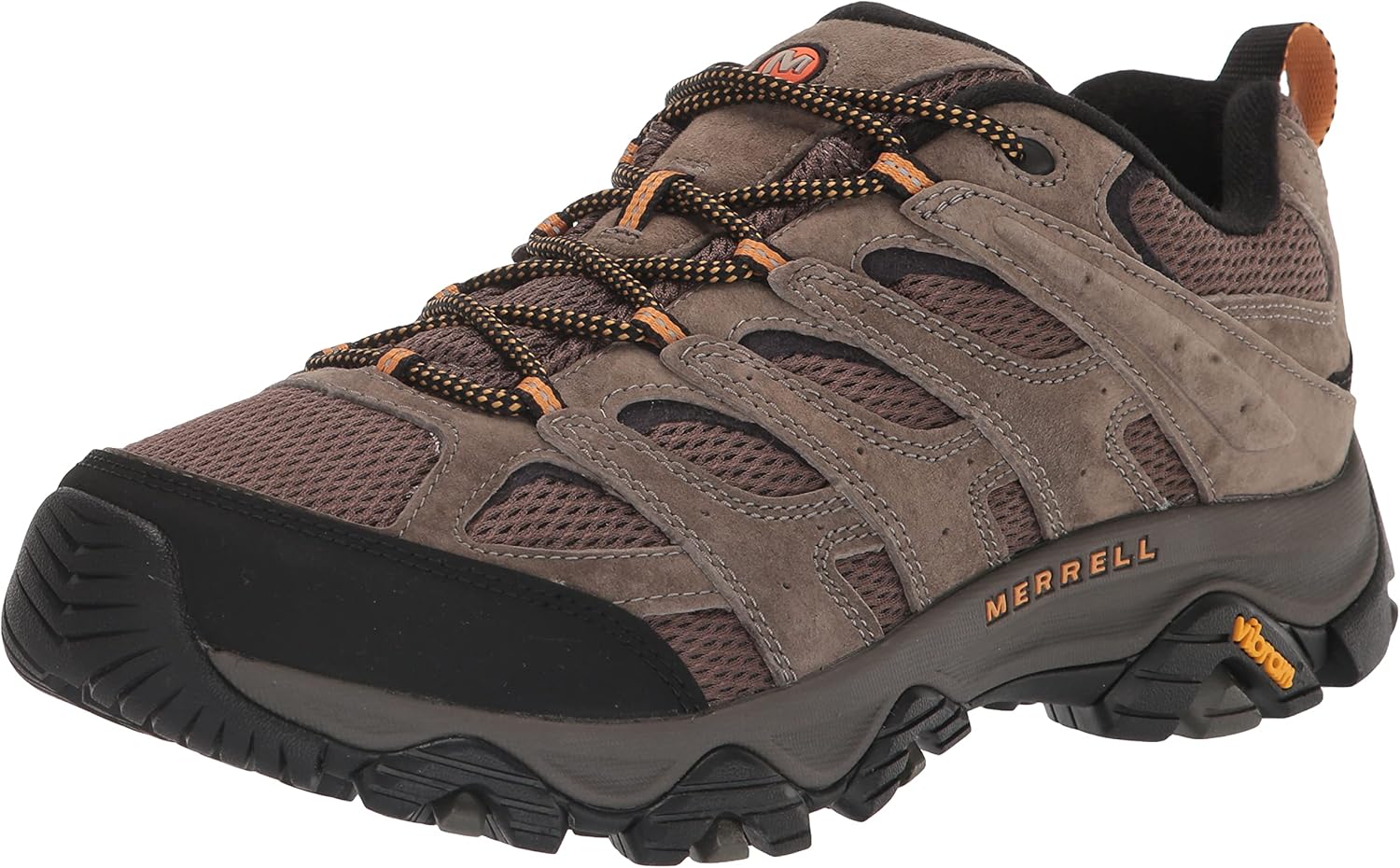
Model names such as merrell moab and salomon ultra appear constantly in any review of the best hiking boots for day hikes. The moab mid and its various leather or synthetic versions have become a reference point for average hikers who want reliable comfort straight from the box. Its mid waterproof construction, moderate stiffness, and familiar fit make it a common first serious hiking boot for many outdoor enthusiasts.
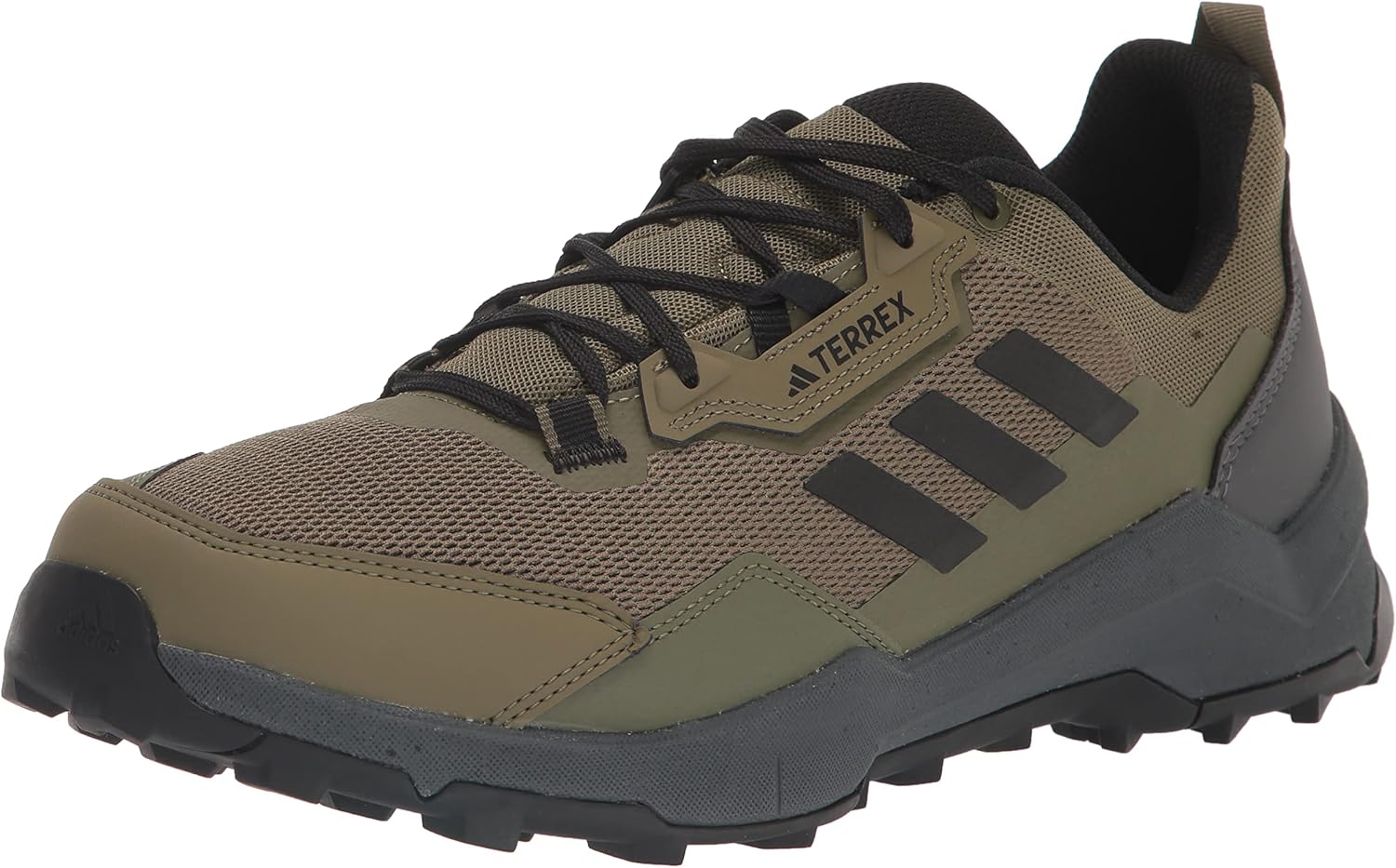
In contrast, a salomon ultra boot or the ultra raptor style from other brands often targets hikers who prioritize a more athletic ride. These hiking boots usually feel lighter underfoot, with a rockered sole that encourages a faster stride on rolling trail terrain during long day hiking outings. For some users, the reasons buy these ultra oriented boots include their running shoe like feel, while the reasons avoid may involve reduced underfoot protection on sharp scree or heavy pack carries.
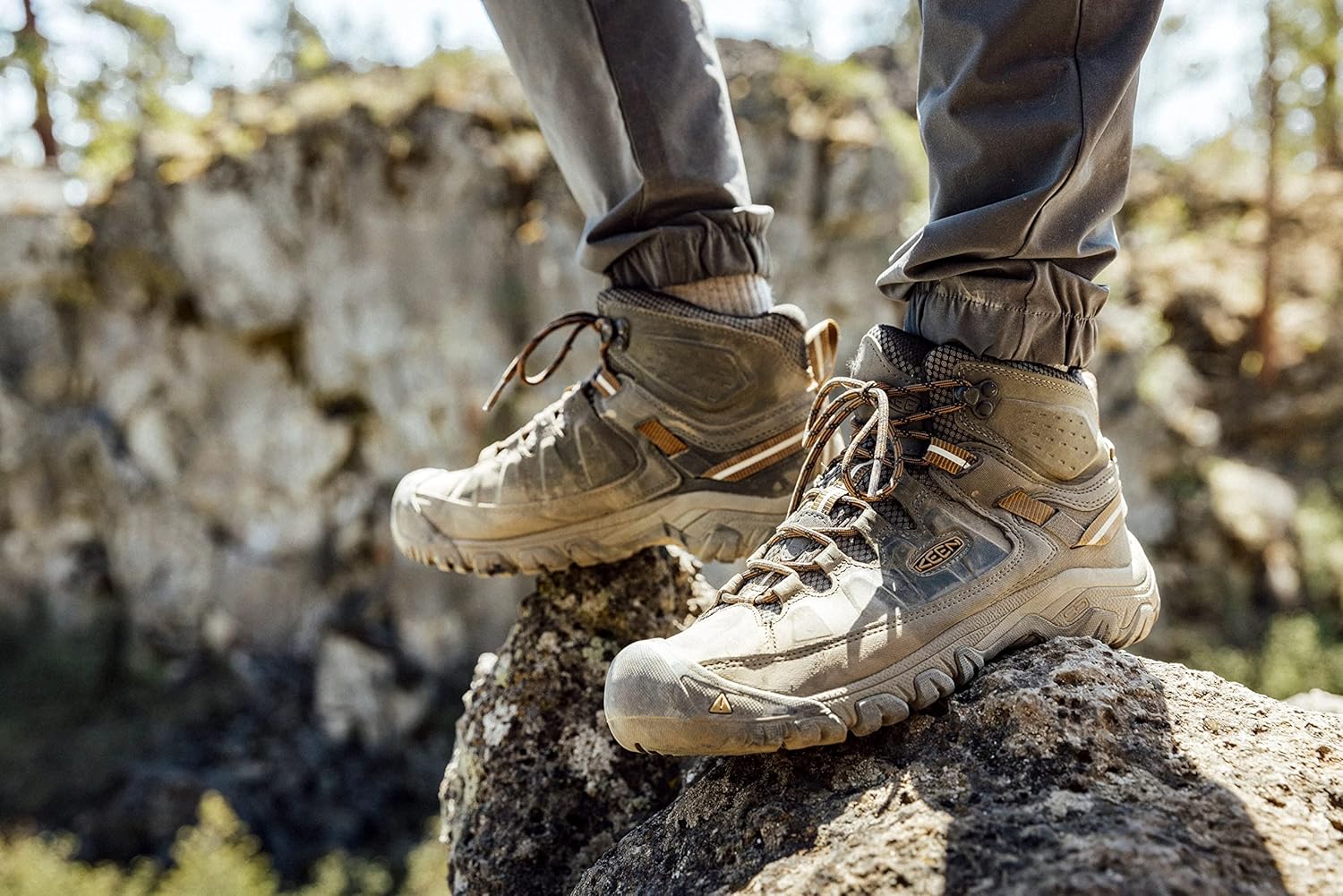
When comparing hiking boots and hiking shoes across these families, focus on how each boot handles technical descents and wet roots. A mid boot with strong ankle support and a grippy outsole can transform a slippery forest trail into a controlled, confident experience. For deeper analysis of how these characteristics play out on demanding routes, many hikers read long form trip reports such as those covering the Skyline Divide trail in Washington, which highlight how specific boots behave on real mountain days ; see for example this detailed account of exploring the beauty and challenges of the Skyline Divide trail.
Gender specific fit, boots women versus boots men, and the role of average foot shape
Fit remains the most critical factor when selecting the best hiking boots for day hikes, and gender specific designs play a central role. Boots women models often feature a narrower heel, slightly lower volume mid foot, and adjusted instep height to match common anatomical patterns. Boots men typically allow more forefoot width and overall volume, which benefits hikers with broader feet or those who prefer thicker socks for cold day hiking.
However, these average patterns never replace individual testing, especially when comparing hiking boots, hiking shoes, and hybrid designs. A women hiker with a wide forefoot may feel more secure in a so called men last, while a man with a narrow heel might find better lock in a women labeled boot. The key is to read the fit notes in every review, then try multiple sizes and widths in both leather and synthetic mid waterproof models to identify the most stable platform.
Some ultra cushioned designs like the hoka kaha and kaha gtx highlight how modern brands tune foam density and collar padding differently for boots women and boots men. These hiking boots aim to provide ankle support without creating pressure points on the malleolus or Achilles tendon during long trail descents. When you evaluate reasons buy or reasons avoid for any specific hiking boot, always relate them back to your own foot shape, pack weight, and preferred trail pace rather than relying solely on average user feedback.
Lightweight versus robust construction and how to read a serious hiking boot review
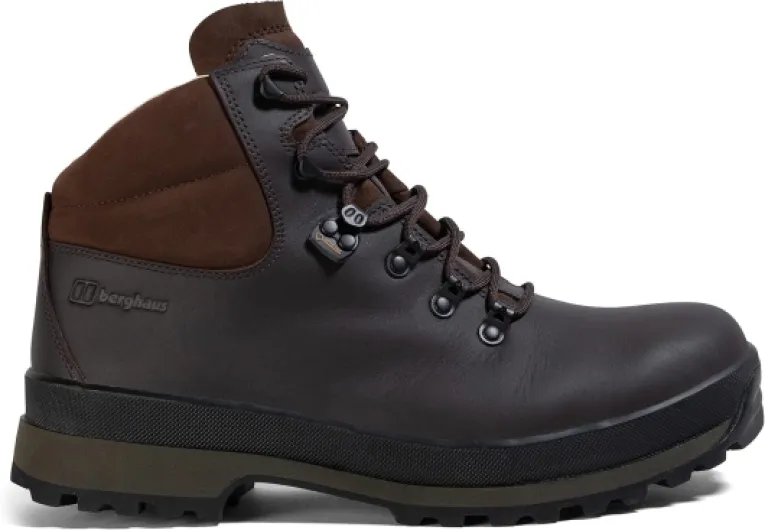
The tension between lightweight agility and robust protection defines many debates about the best hiking boots for day hikes. A lightweight mid boot can feel almost like a trail running shoe, encouraging faster movement and reducing fatigue on rolling terrain. Yet on rocky alpine approaches or heavily rooted forest paths, a sturdier leather hiking boot with a more supportive mid sole may offer better long term comfort and fewer bruised feet.
When you read a detailed hiking boot review, look beyond marketing terms like ultra, gtx, or waterproof and focus on construction details. Check whether the boot uses full grain leather, split leather, or synthetic textiles, and note how these choices influence durability, drying time, and long term stability under a loaded pack. Pay attention to outsole lug depth, heel brake design, and the presence of a rock plate, because these elements determine how the boot behaves on steep trail descents and loose scree traverses.
Experienced hikers often maintain both hiking boots and hiking shoes in their gear closet, selecting the ideal boot for each day hiking objective. A merrell moab mid gtx might serve as a reliable all rounder, while a salomon ultra or ultra raptor style boot becomes the choice for fast, dry conditions. Ultimately, the reasons buy or reasons avoid any specific model should emerge from careful testing on your local trails, combined with thoughtful analysis of multiple gtx review sources and your own evolving preferences as your mileage increases.
Key statistics about hiking boots performance and day hiking safety
- More than half of lower limb hiking injuries occur on descents, where boot stability, ankle support, and outsole traction play a decisive role in preventing slips and sprains.
- Field tests consistently show that mid waterproof boots with modern gore tex style membranes maintain effective waterproofing for several hundred kilometres when properly dried between hikes.
- Comparative lab measurements indicate that switching from heavy traditional leather boots to modern lightweight mid boots can reduce energy expenditure by several percentage points over a full day hiking itinerary.
- Surveys of experienced hikers report that fit issues in hiking boots and hiking shoes account for a large majority of blister related problems on long trail days.
- Usage data from popular models such as merrell moab mid and salomon ultra lines suggest that many hikers now rotate at least two pairs of boots to extend lifespan and adapt to seasonal conditions.
Essential questions about choosing the best hiking boots for day hikes
How tight should a hiking boot feel for all day comfort ?
A hiking boot should feel snug around the heel and mid foot, with enough space to wiggle toes without touching the front when standing flat. During a test on a sloped surface, your toes should not slam into the front of the boot while descending, which protects nails on long trail days. Aim for a secure, glove like fit that still allows slight swelling over many hours of day hiking.
Are mid waterproof boots always better than low cut hiking shoes ?
Mid waterproof boots provide extra ankle support and protection from mud, shallow streams, and debris, which benefits many hikers on rough or wet terrain. However, low cut hiking shoes can feel cooler and more agile on well maintained trails or in hot, dry climates. The best choice depends on your typical trail conditions, pack weight, and personal preference for either maximum stability or minimal weight.
When should I choose leather hiking boots instead of synthetic models ?
Leather hiking boots excel when you need durability, long term shape retention, and natural water resistance for frequent use on rocky or abrasive terrain. Synthetic boots usually weigh less and dry faster, which can be advantageous for fast day hiking or travel where you cannot always dry gear thoroughly. If you often hike in wet forests, scree fields, or off trail terrain, a quality leather mid boot with a gore tex style membrane may offer the best balance of protection and longevity.
How do I evaluate reasons buy and reasons avoid in a hiking boot review ?
When reading any hiking boot review, focus on how the tester’s terrain, pack weight, and hiking style compare with your own. Reasons buy such as excellent cushioning, precise fit, or strong ankle support matter only if they align with your priorities and typical trail conditions. Likewise, reasons avoid like reduced edging precision, warm waterproof liners, or average durability may be acceptable trade offs if the boot excels in the areas you value most.
Is a gtx membrane necessary for the best hiking boots for day hikes ?
A gtx or similar waterproof membrane is valuable if you frequently cross wet grass, shallow streams, or hike in rainy climates. For dry, hot environments or short day hiking outings on well drained trails, a non waterproof boot or breathable hiking shoes may feel cooler and more comfortable. The ideal approach is to match your boot’s waterproofing level to your most common conditions, rather than assuming that every hiking boot must be fully waterproof to perform well.