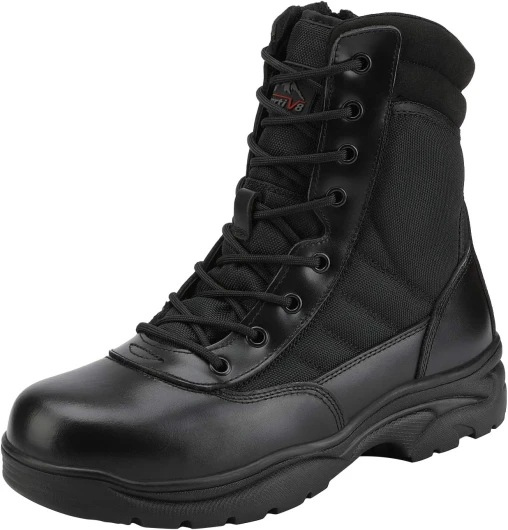
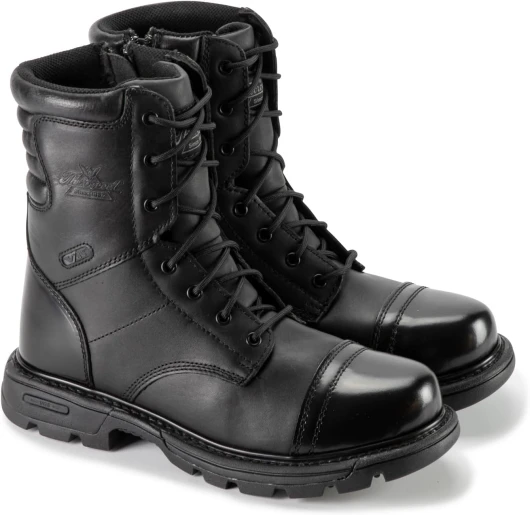
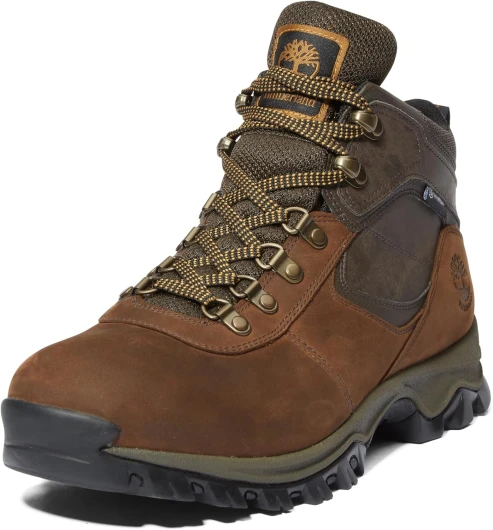
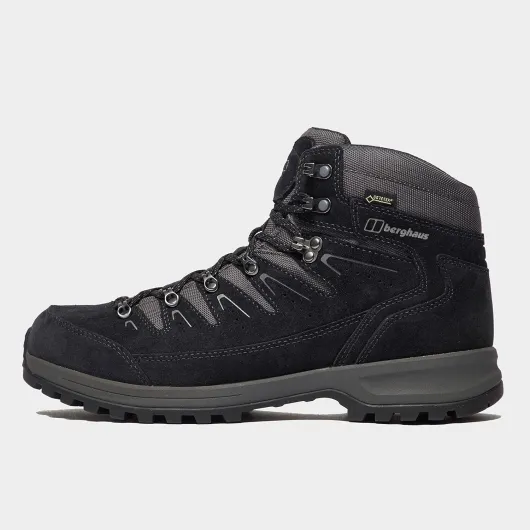
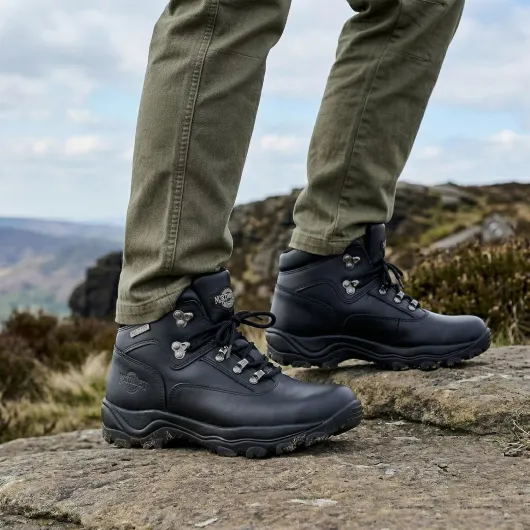
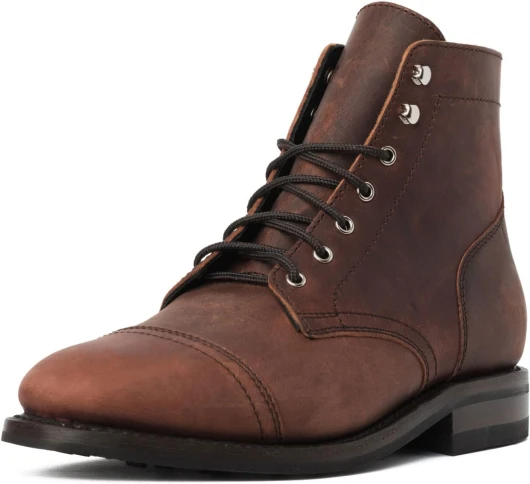
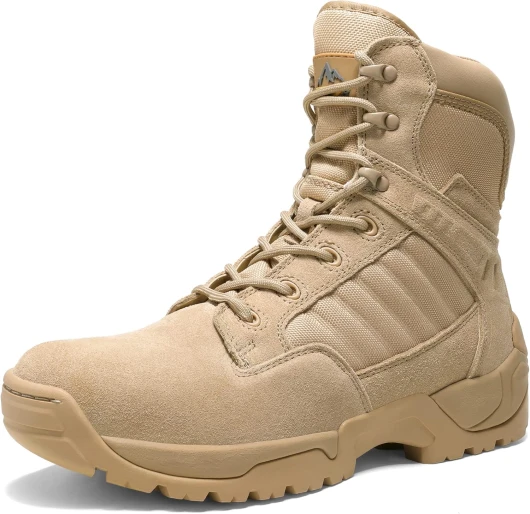
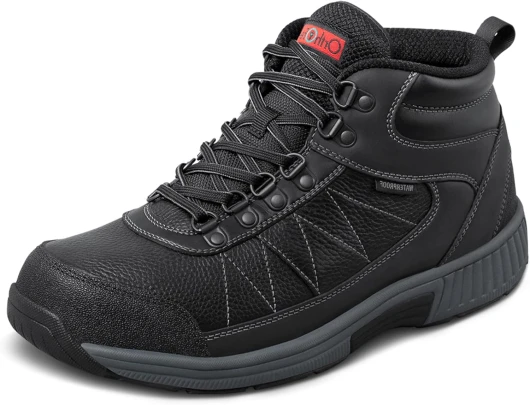
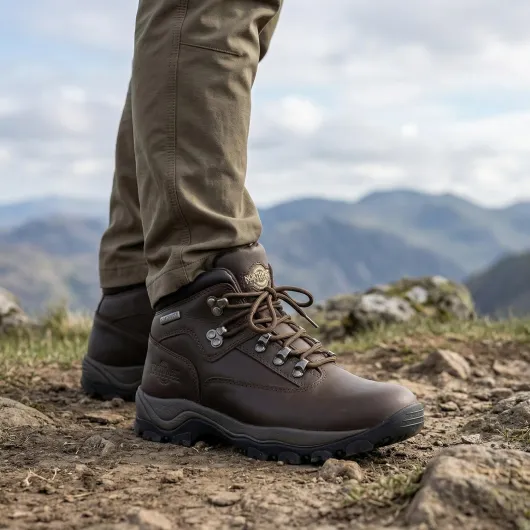
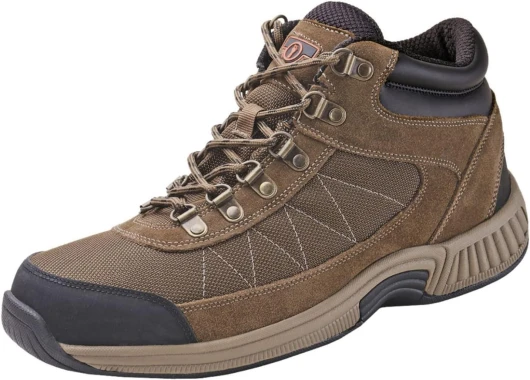
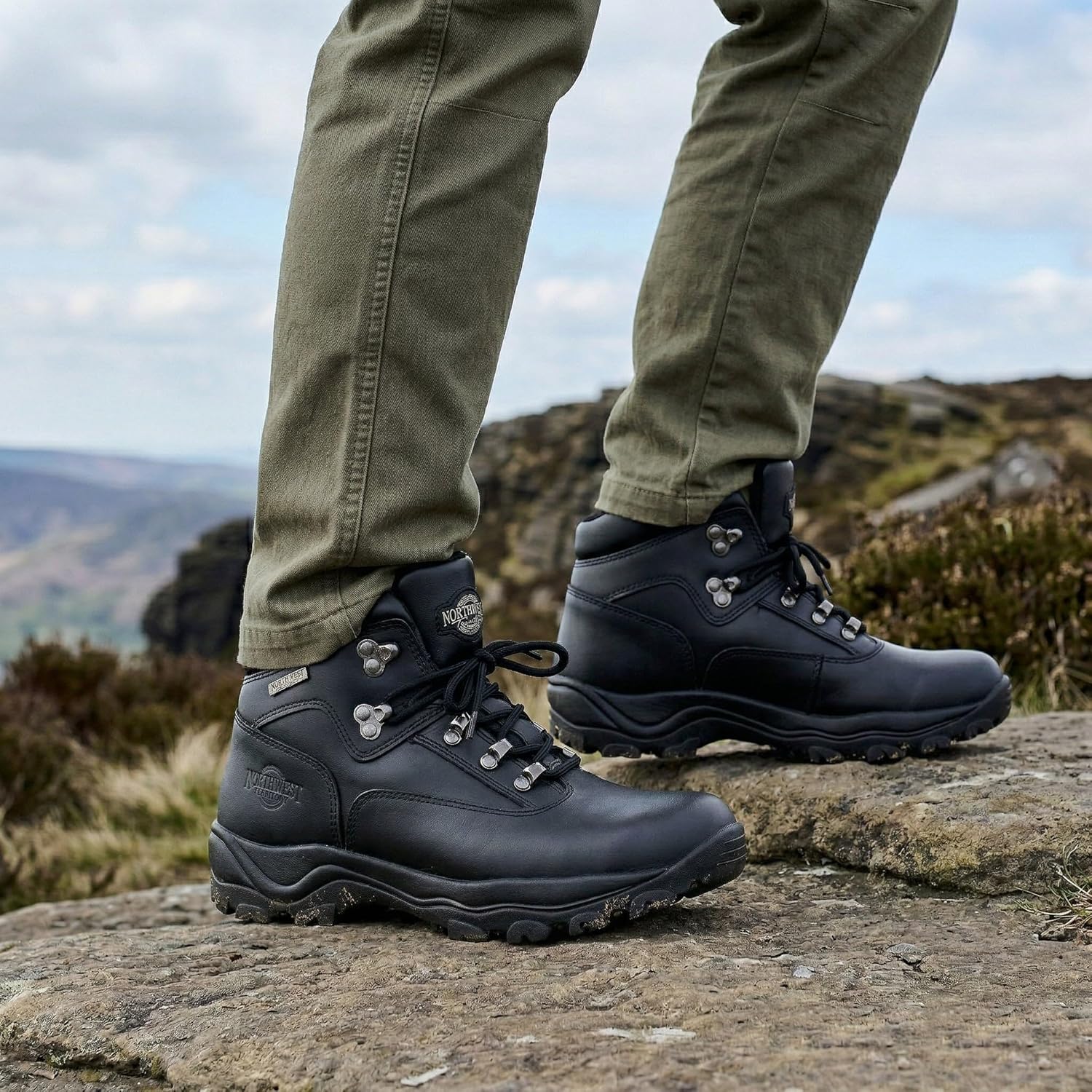
Leather, membranes, and the real meaning of waterproof performance
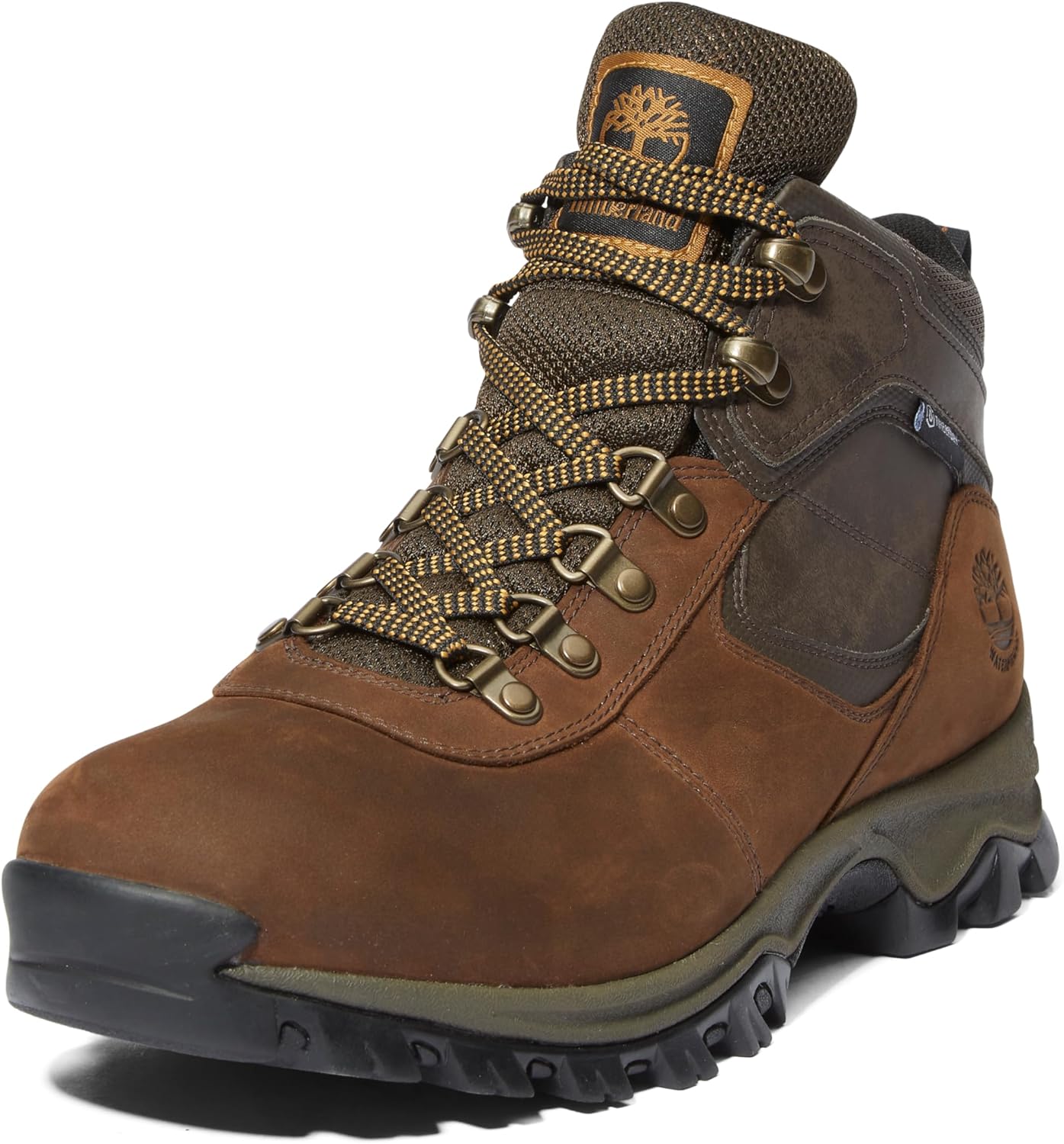
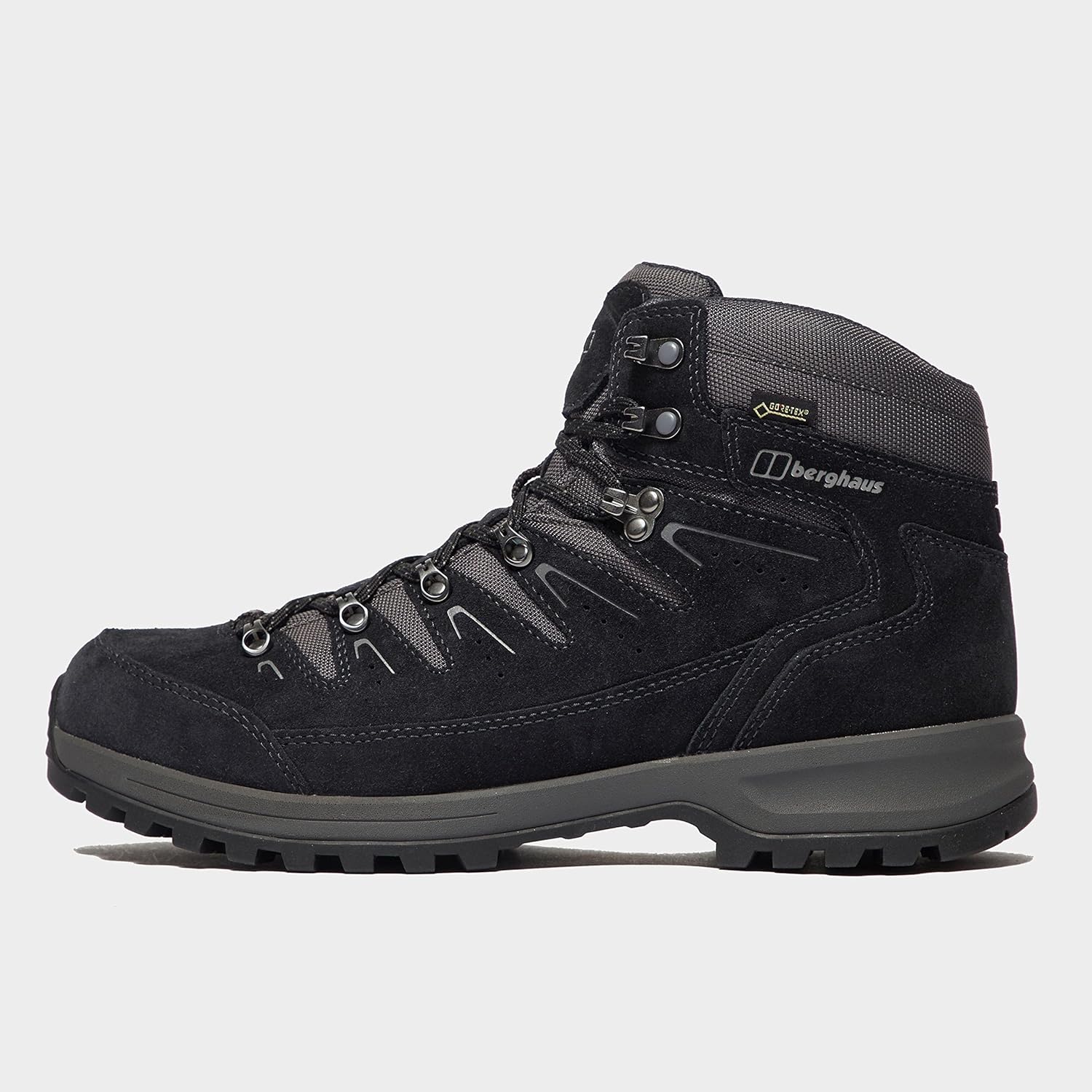
Understanding materials is crucial when judging the best leather hiking boots for serious mountain weather. Full grain leather resists abrasion and sheds water well, but it needs regular care to maintain waterproof performance and breathability during long hiking days. Nubuck leather offers a softer hand and slightly faster break in, yet it still forms a robust barrier when combined with a quality gore tex liner.
Many premium hiking boots use a layered construction, pairing leather with a gore tex membrane and protective rand to manage moisture from both outside and inside. This approach keeps the boot waterproof while allowing sweat to escape, which improves comfort on steep ascents where heat buildup can cause blisters. When a manufacturer labels a model as mid waterproof or leather gtx, examine how the tongue, cuff, and seams are sealed, because weak points often appear there after repeated flexing.
For long approaches to remote waterfalls or canyons, such as those described in this essential guide to a demanding desert approach, a reliable waterproof boot becomes a safety asset. A soaked pair of boots increases weight pair significantly, reduces insulation, and can lead to macerated skin on multi hour exits. Choosing a hiking boot with proven mid gore tex construction and robust leather uppers reduces these risks while keeping pack weight manageable.
Membrane based footwear is not infallible, so experienced hikers treat waterproof ratings and rated stars as starting points rather than guarantees. They look closely at how the boot handles repeated soaking, drying, and flexing, then adjust care routines with waxes or creams suited to full grain or nubuck leather. Over time, this disciplined maintenance preserves both the waterproof barrier and the supportive structure that makes a pair of boots reliable in harsh alpine conditions.
Fit, support, and the subtle art of all day comfort
Even the best leather hiking boots fail if the fit is wrong for your foot shape. Mountaineers know that comfort is not a luxury but a performance factor, because a painful hotspot can shorten a summit window or force a retreat. When testing any hiking boot, assess heel hold, midfoot wrap, and toe box volume in both regular and wide options.
Many brands now offer regular wide sizing to accommodate different forefoot widths without compromising support. A mid cut leather gtx boot should cradle the ankle without pinching, allowing precise edging on rock while still flexing naturally during long hiking descents. Women often benefit from lasts shaped specifically for women feet, which adjust instep height and heel width to reduce slippage and improve all day comfort.
Models like the merrell moab and moab mid illustrate how a relatively light pair of boots can still provide adequate cushioning and stability for moderate loads. In contrast, a more technical ultra raptor style boot prioritizes edging and rock precision, trading some plushness for sharper trail feedback. When reading any review, pay attention to how testers describe the balance between cushioning, torsional stiffness, and overall weight pair, because these elements define how the boot feels after eight hours of continuous movement.
Historical hut systems, such as those described in this article on the legacy of mountain division huts, remind us that multi day travel demands consistent foot comfort. A boot that feels perfect on a short shop walk may reveal flaws when carrying a heavy pack between remote huts over varied terrain. Serious hikers therefore test their footwear on mixed gradients and surfaces before committing to long expeditions, ensuring that the chosen hiking boots support both foot health and overall performance.
Weight, durability, and the trade offs behind every leather boot
Choosing the best leather hiking boots always involves trade offs between weight and durability. A heavier full grain leather boot often delivers superior protection against scree, crampon straps, and sharp granite, but the extra pair lbs can accumulate fatigue on long hiking days. Conversely, a lighter nubuck leather or hybrid design may feel more agile yet require more careful foot placement in broken terrain.
Experienced hikers examine the stated weight pair and compare it with the boot’s intended use, pack load, and typical route profile. For multi day hut tours with moderate packs, a mid waterproof leather gtx boot around a moderate pair lbs figure often strikes a practical balance. For technical mountaineering or glacier approaches, some prefer a stiffer hiking boot with reinforced randing, accepting the higher weight for increased security.
Durability also depends on outsole compounds, midsole density, and how the leather upper is stitched or bonded to the sole. Boots that earn high rated stars in long term review testing usually combine robust grain leather with protective toe caps and heel counters. When you read full assessments from experienced testers, look for comments about how the boots handle repeated wet dry cycles, rocky talus, and occasional snow travel.
Technological innovation in hiking footwear continues, as highlighted in this interview on transforming hiking experiences with digital tools. Yet even as mapping and planning evolve, the fundamental physics of weight, support, and material fatigue remain unchanged for every leather boot. Mountaineers who log many alpine days learn to interpret flex patterns, outsole wear, and subtle creases in the leather, replacing boots before structural fatigue compromises safety on exposed ground.
Gender specific and width specific choices for technical terrain
For the best leather hiking boots, gender specific and width specific designs matter more than many buyers realize. Women often need different heel to forefoot ratios, so women specific hiking boots adjust volume and support zones to prevent heel lift on steep ascents. Similarly, offering both regular and wide options allows a boot to serve a broader range of experienced hikers without forcing compromises in lacing or sock choice.
When evaluating a leather gtx hiking boot, check whether the brand offers separate women lasts rather than simply shrinking a men model. A women specific mid gtx boot can provide better ankle alignment and arch support, which reduces fatigue on long hiking traverses with side hilling. For boots men options, wide sizing becomes crucial for those with broad forefeet who still require precise edging on technical rock.
Some lines, such as merrell moab and moab mid, illustrate how a single platform can branch into men, women, regular, and regular wide variants. This approach lets hikers choose the same proven outsole and midsole package while fine tuning fit through different lasts and volume distributions. When reading any review, note whether testers mention toe splay comfort, midfoot lockdown, and how the boot behaves when laced tightly for steep descents.
Price also interacts with these design choices, because offering multiple lasts and widths increases production complexity. However, for mountaineers who rely on a single pair of boots for mixed conditions, paying a higher price for precise fit often yields better long term value. A well fitted full grain or nubuck leather boot, whether in women or boots men versions, can maintain comfort and control across many seasons of demanding routes.
Evaluating value, price, and real world performance reviews
Assessing value in the best leather hiking boots requires looking beyond the initial price tag. A premium full grain leather boot with a resolable sole may cost more upfront but deliver many seasons of reliable hiking performance. In contrast, a cheaper boot with glued construction might feel fine initially yet fail early under the loads typical of serious mountaineering.
When you read full assessments and long term field reports, focus on how reviewers describe comfort, durability, and waterproof integrity after extended use. Pay attention to whether the gore tex or other tex membranes maintain their waterproof barrier, and whether the leather shows cracking or excessive stretching. Boots that consistently earn high rated stars across multiple review platforms usually combine robust materials, thoughtful design, and quality control.
Comparing models like merrell moab, moab mid, and more technical ultra raptor style boots helps clarify which category suits your objectives. The lighter options may excel as best hiking choices for fast paced day hiking, while heavier leather gtx designs shine on multi day alpine traverses. Evaluating pair lbs figures, weight pair trade offs, and how each hiking boot handles mixed weather will guide a more informed purchase.
Ultimately, the best value arises when a boot’s performance, comfort, and lifespan align with your specific mountain ambitions. A carefully chosen pair of hiking boots, matched to your foot shape in regular or wide sizing and maintained with appropriate care for grain leather or nubuck leather, becomes a trusted partner on serious routes. Over time, that partnership matters more than any initial price difference, especially when your safety and confidence depend on every step.
Key statistics on leather hiking boots and mountain footwear
- Up to 70 percent of experienced hikers report improved ankle confidence when switching from low shoes to mid cut leather hiking boots on technical terrain.
- Field data from long distance trekking routes shows that full grain leather boots can last up to 1,500 to 2,000 kilometers before significant outsole wear appears.
- Independent lab testing indicates that modern gore tex membranes maintain over 80 percent of their waterproof performance after 100,000 flex cycles in controlled conditions.
- Surveys among mountaineers suggest that more than half consider pair lbs weight a decisive factor when choosing boots for multi day expeditions.
- Consumer review analyses reveal that models with both regular and wide sizing options receive on average half a star higher comfort ratings.
Common questions about leather hiking boots for demanding routes
Are leather hiking boots better than synthetic boots for mountain use ?
Leather hiking boots generally offer superior durability, edging stability, and long term support compared with many synthetic boots. Full grain and nubuck leather resist abrasion from rock and crampon straps, which benefits mountaineers on technical routes. However, synthetic boots can be lighter and dry faster, so the better option depends on your priorities and typical terrain.
How should I care for full grain and nubuck leather hiking boots ?
Clean your boots gently after each trip, removing mud and grit that can damage stitching and leather fibers. Use care products formulated specifically for full grain or nubuck leather, applying conditioners and waterproofing treatments sparingly to avoid clogging pores. Allow boots to dry slowly at room temperature, away from direct heat sources that can crack leather and weaken adhesives.
What is the ideal weight for leather hiking boots on long treks ?
The ideal pair lbs weight depends on your pack load, terrain, and fitness level. Many experienced hikers aim for a balance where the boots feel supportive enough for rough ground yet light enough to avoid excessive fatigue after several hours. Comparing weight pair figures across models and testing them on real trails remains the most reliable way to judge suitability.
Do I need different boots for summer and winter mountain conditions ?
Some leather hiking boots can span three seasons, handling spring, summer, and autumn conditions with appropriate socks. For true winter mountaineering with sustained snow and ice, many climbers prefer insulated boots that accept technical crampons. If you often cross seasons, consider owning a versatile three season leather boot and a dedicated winter model.
How important is width choice when buying leather hiking boots ?
Width choice is critical, because a boot that is too narrow can cause pressure points, while one that is too wide may allow dangerous foot movement on steep slopes. Options such as regular and wide sizing let you match the boot to your natural foot shape without over tightening laces. A precise fit reduces blister risk, improves edging control, and enhances overall comfort on demanding mountain routes.