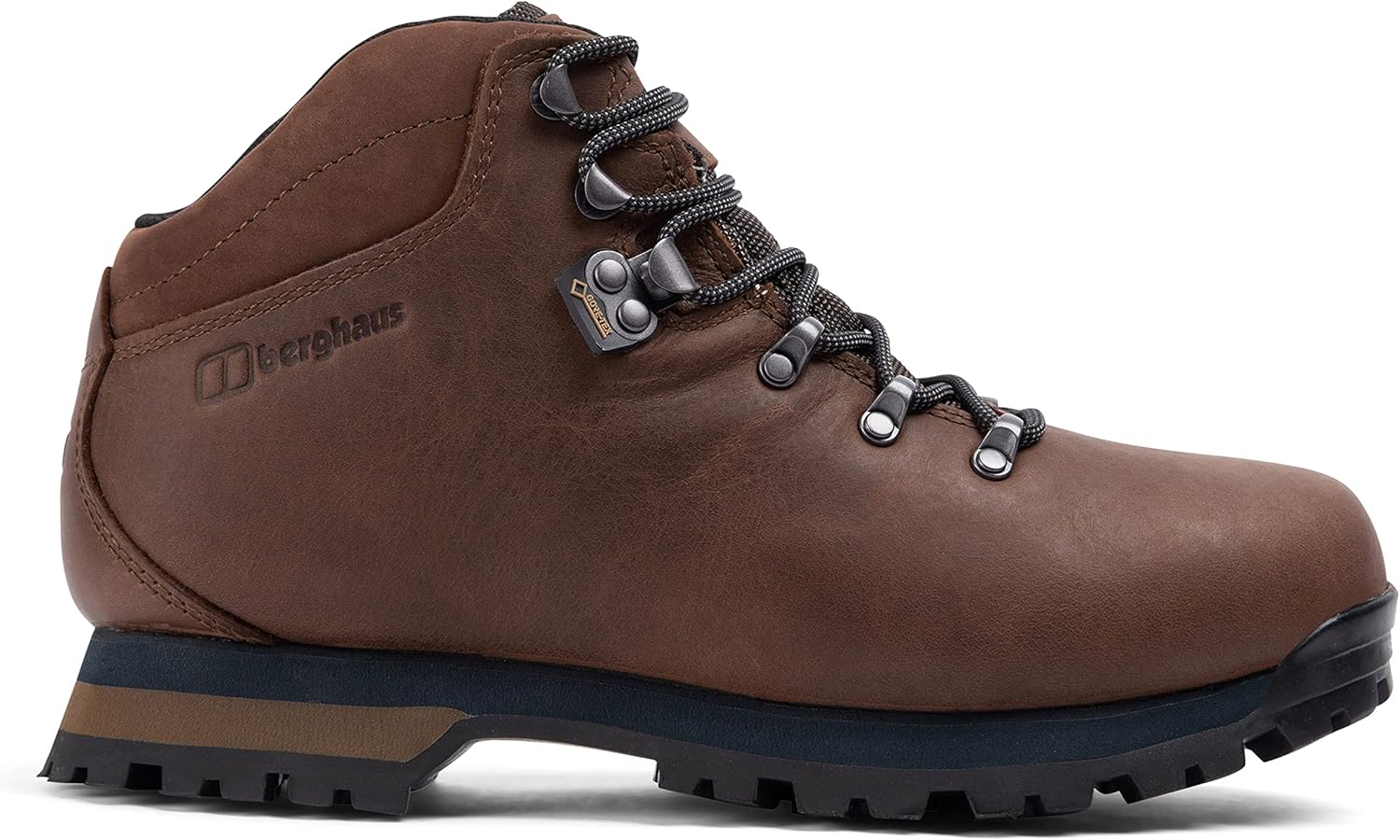
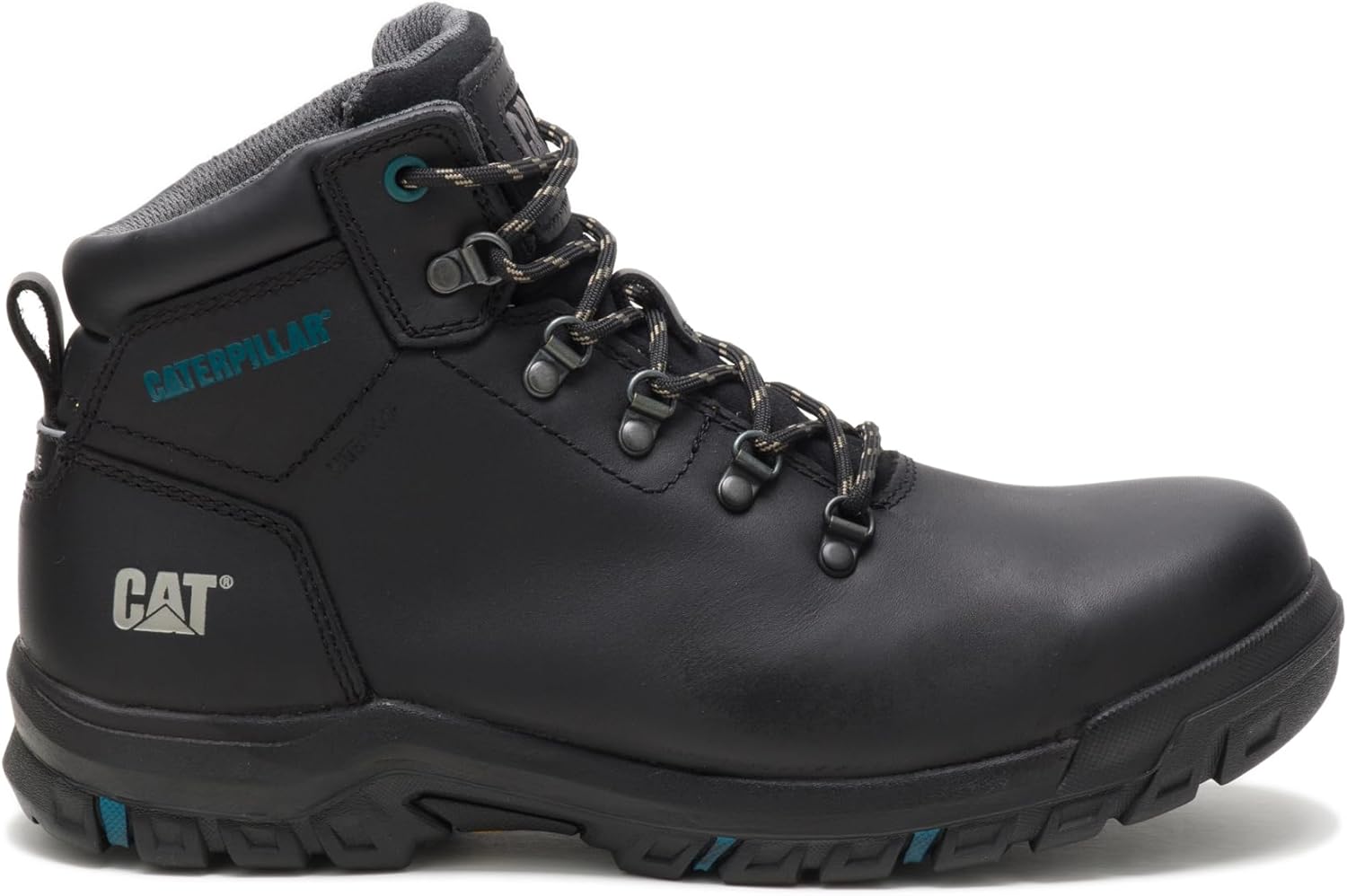
Dialing in fit, width, and support for women’s feet
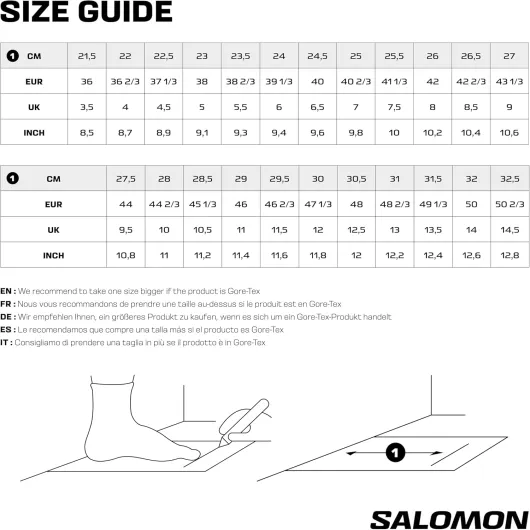
Experienced mountaineers know that the best womens hiking boots start with meticulous fit. The boot must cradle the foot without pressure points, leaving enough space for toes to splay on steep descents. A good hiking boot fit also anticipates afternoon swelling, especially on hot days or heavy pack approaches.
Women often experience challenges with width because many traditional boots were built on male oriented lasts. Modern boots women lines now offer regular wide options, allowing narrow, medium, and high volume feet to find a secure home. When testing several hiking boots, lace each boot carefully, then walk on an incline ramp to check heel hold and forefoot stability.
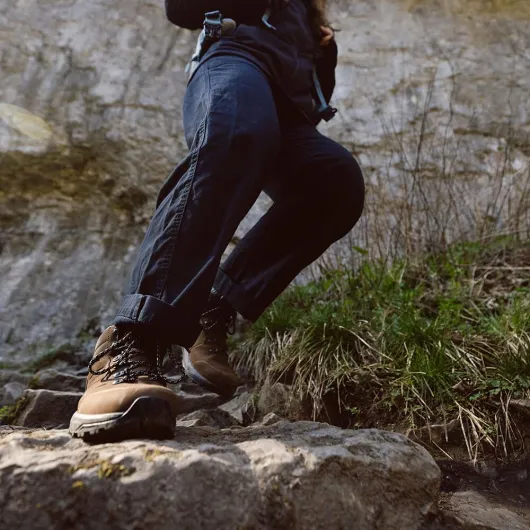
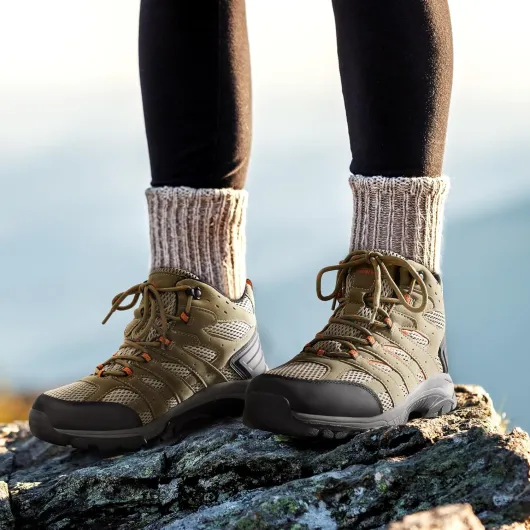
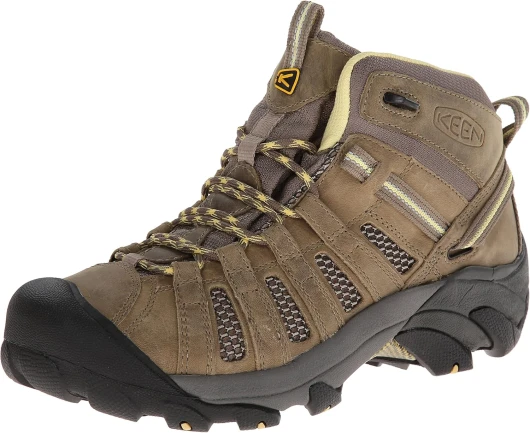
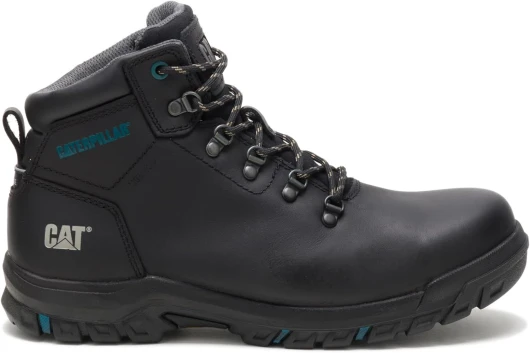
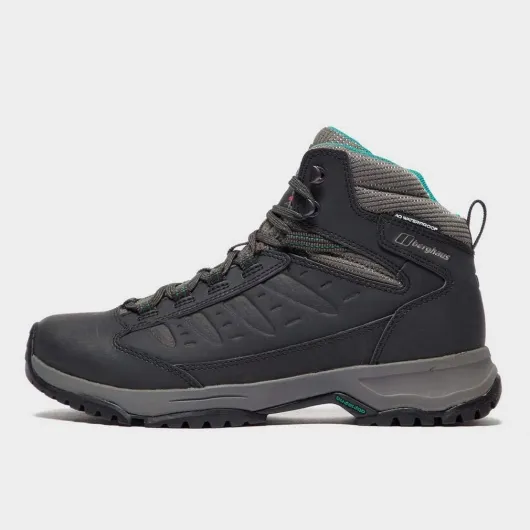
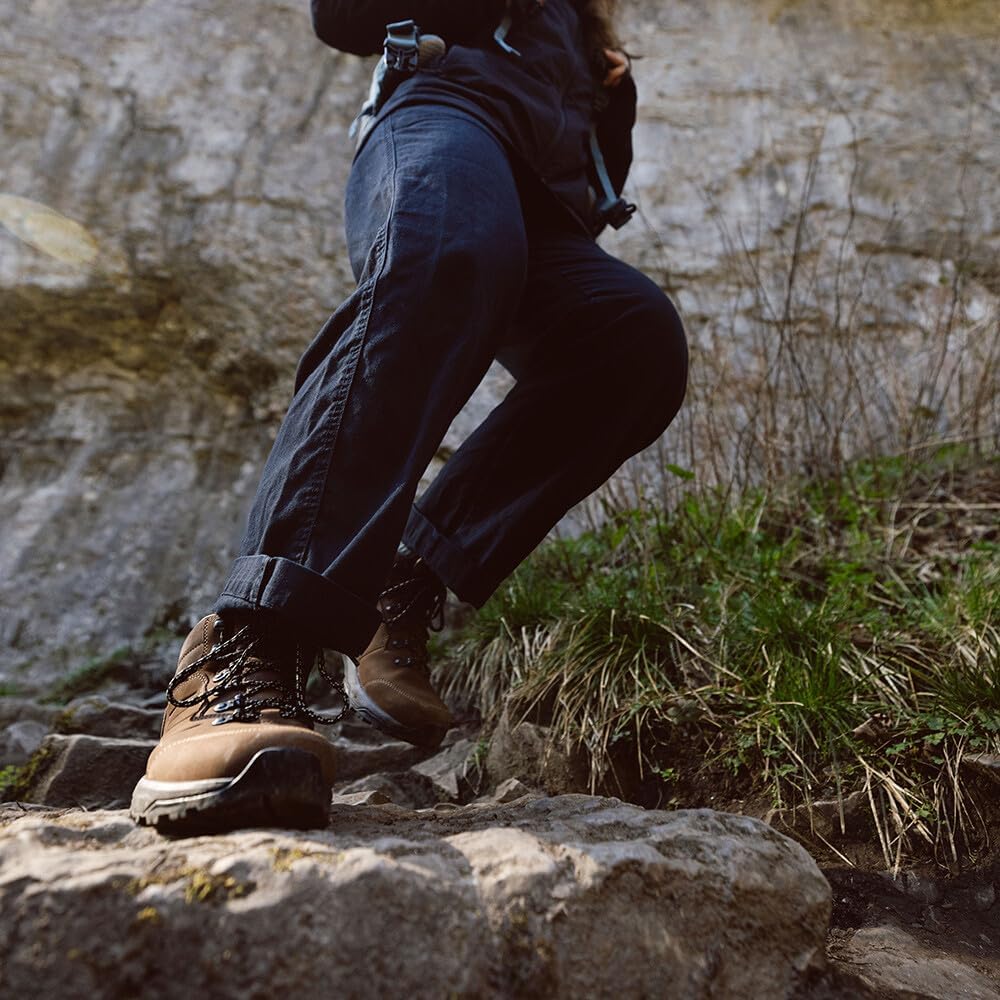
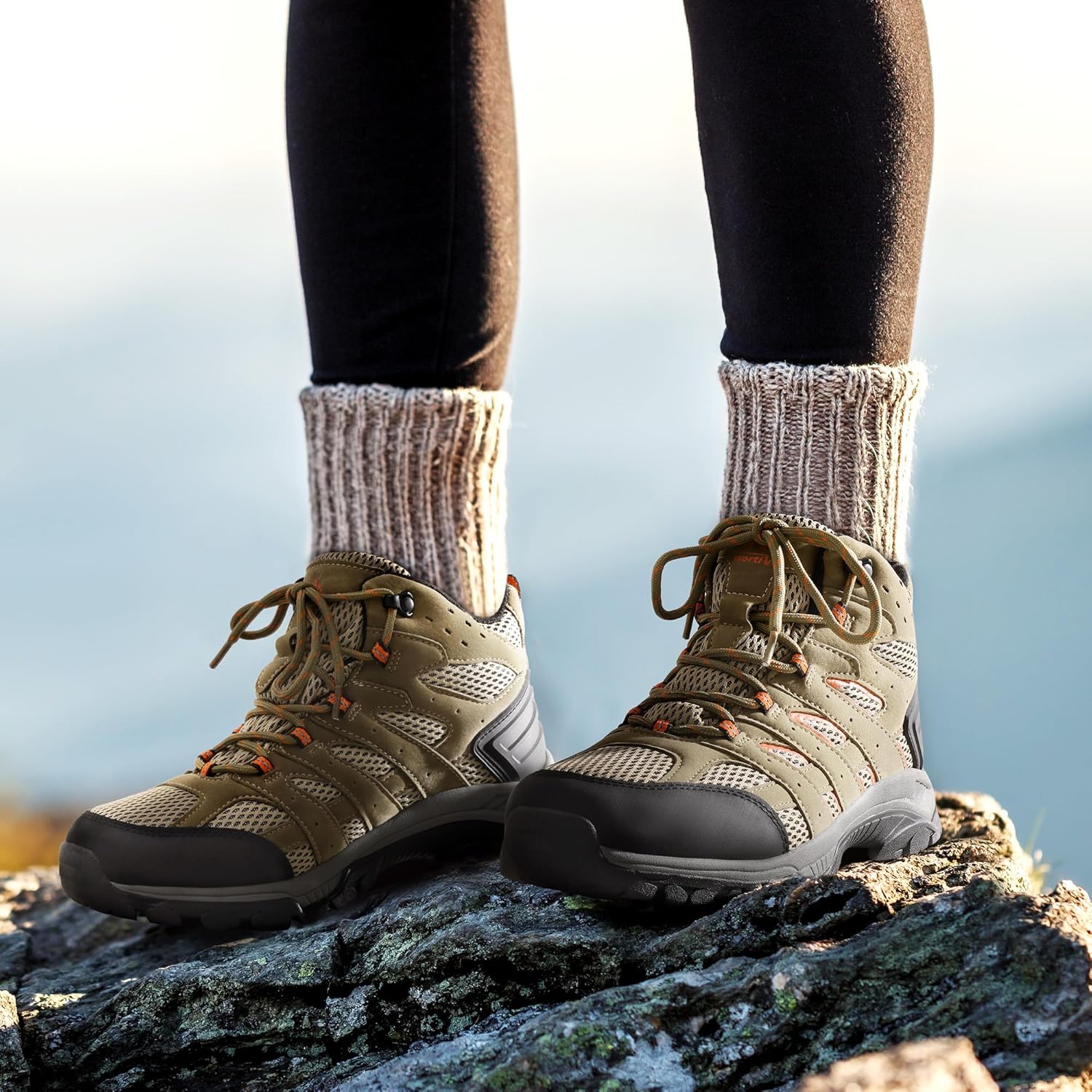
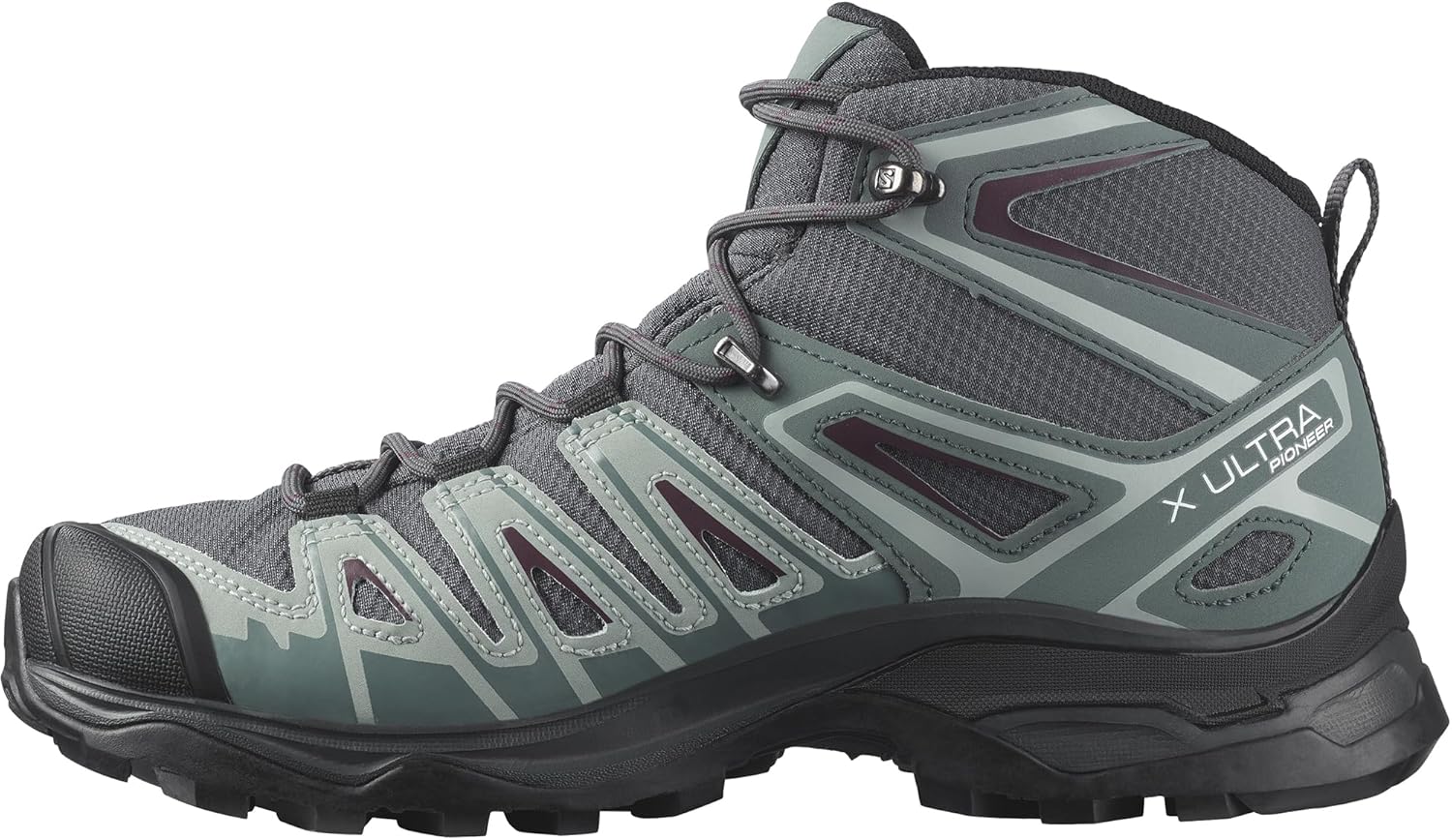
Mid height designs give extra ankle support without the bulk of full high cut mountaineering boots. A mid waterproof model with a supportive shank stabilizes the foot on sidehills, while still allowing agile movement on mixed trail surfaces. For long days on rocky routes like the top hikes in Maine with extended granite sections, this balance between flexibility and structure becomes essential.
Pay attention to how the boot handles dynamic movement, not just static standing comfort. During testing, simulate real hiking by side stepping, edging on small holds, and descending stairs with a loaded pack. If the weight pair feels evenly distributed and the leather or synthetic upper flexes smoothly with the foot, you have likely found one of the best hiking options for demanding terrain.
Waterproof membranes, leather choices, and breathability trade offs
For alpine and shoulder season routes, waterproof performance defines whether the best womens hiking boots stay comfortable all day. Many premium hiking boots use Gore Tex membranes, which combine reliable waterproof protection with reasonable breathability. However, any waterproof hiking design will trap more warmth than a fully unlined hiking shoe, so women must balance climate, altitude, and personal comfort.
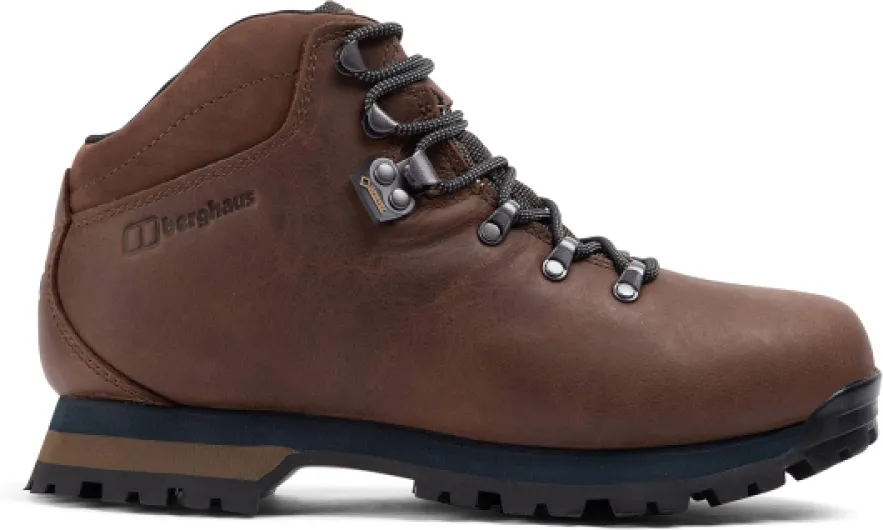
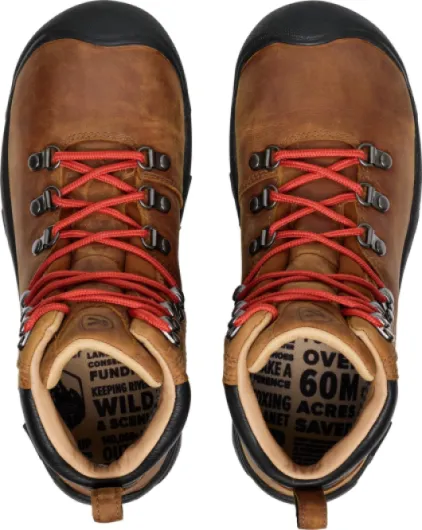
Nubuck leather remains a favorite material for serious hiking boot construction because it blends durability with a supple feel. A leather upper paired with a mid Gore or mid GTX membrane offers robust abrasion resistance on scree, while still flexing enough for long trail days. Regular cleaning and conditioning keep leather boots waterproof longer, preventing cracks that can compromise features waterproof performance.
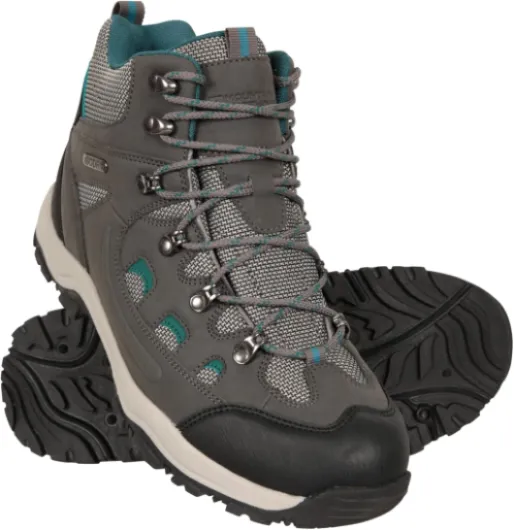
Some women prefer hybrid designs that mix leather with synthetic panels to reduce weight. These boots often dry faster after full saturation, although the long term toughness may not match a full nubuck leather boot. On coastal granite routes such as the top trails in Acadia National Park, this lighter construction can feel more agile on friction slabs.
Membrane choice also influences how a boot handles multi day moisture. While Gore Tex remains the benchmark, some brands use proprietary tex technologies that aim for similar waterproof ratings with slightly different breathability curves. During testing, pay attention to how your feet feel after several hours, because clammy skin inside a waterproof boot can be as problematic as external rain or snow.
Weight, stability, and the science of long distance comfort
On multi day treks, the best womens hiking boots manage weight without sacrificing stability. Every extra gram on each boot multiplies over thousands of steps, so a reasonable weight pair helps conserve energy. Yet ultra light hiking shoes may lack the torsional rigidity needed for heavy packs, loose talus, or early season snowfields.
Many experienced hikers settle on a mid waterproof design that balances ankle support and overall mass. A structured mid hiking boot with a firm midsole and rock plate spreads impact forces across the foot, reducing hot spots on the forefoot. When the boot’s chassis works with your natural gait, the feet feel fresher even after long summit pushes.
Laboratory style testing rarely captures the full story of how boots behave on real mountains. Field testing on mixed terrain, including mud, roots, and broken rock, reveals whether the boot’s weight and stiffness feel harmonious. Routes like the demanding trails of Mount Pierce for experienced hikers provide an ideal proving ground for serious evaluation.
Women should also consider how the boot interacts with their preferred socks and insoles. A slightly roomier width can accommodate a supportive insole without cramping the foot or adding uncomfortable pressure. When the boot, sock, and insole system align, the overall weight disappears from conscious thought, leaving only stable, confident movement along the trail.
Real world standouts : from moab mid to ultra raptor
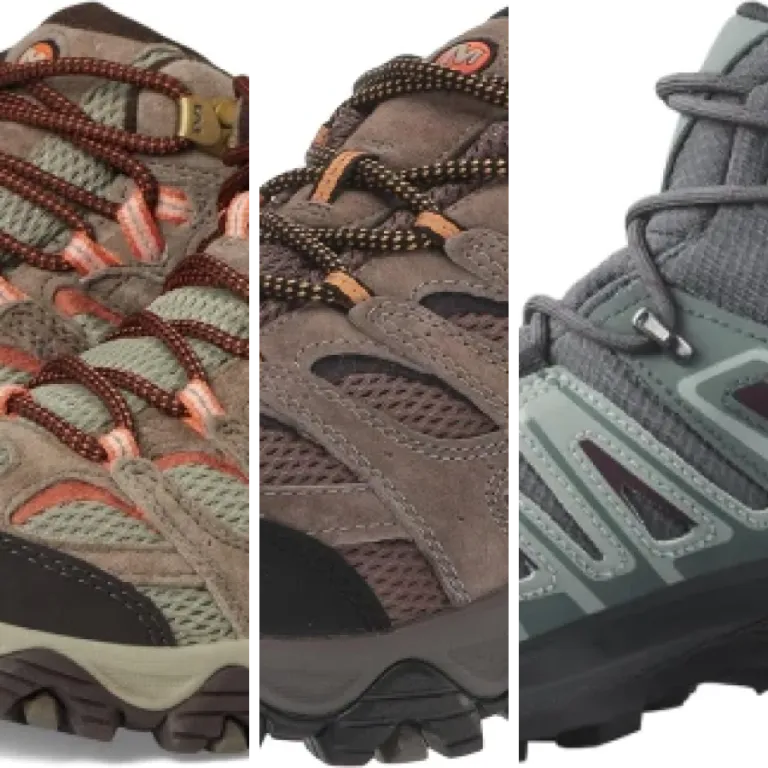
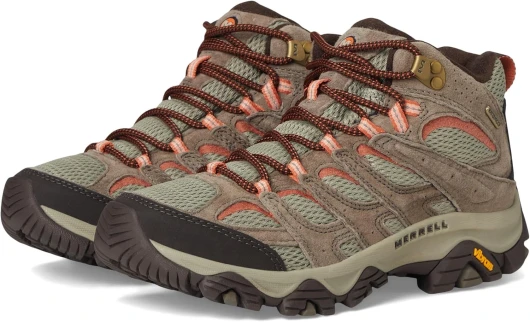
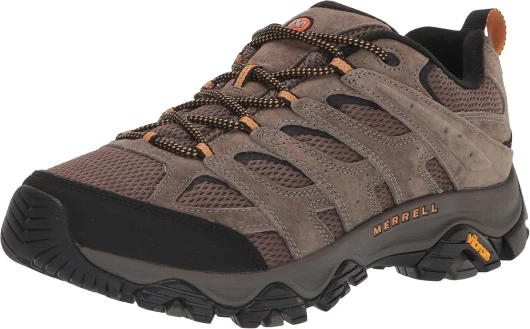
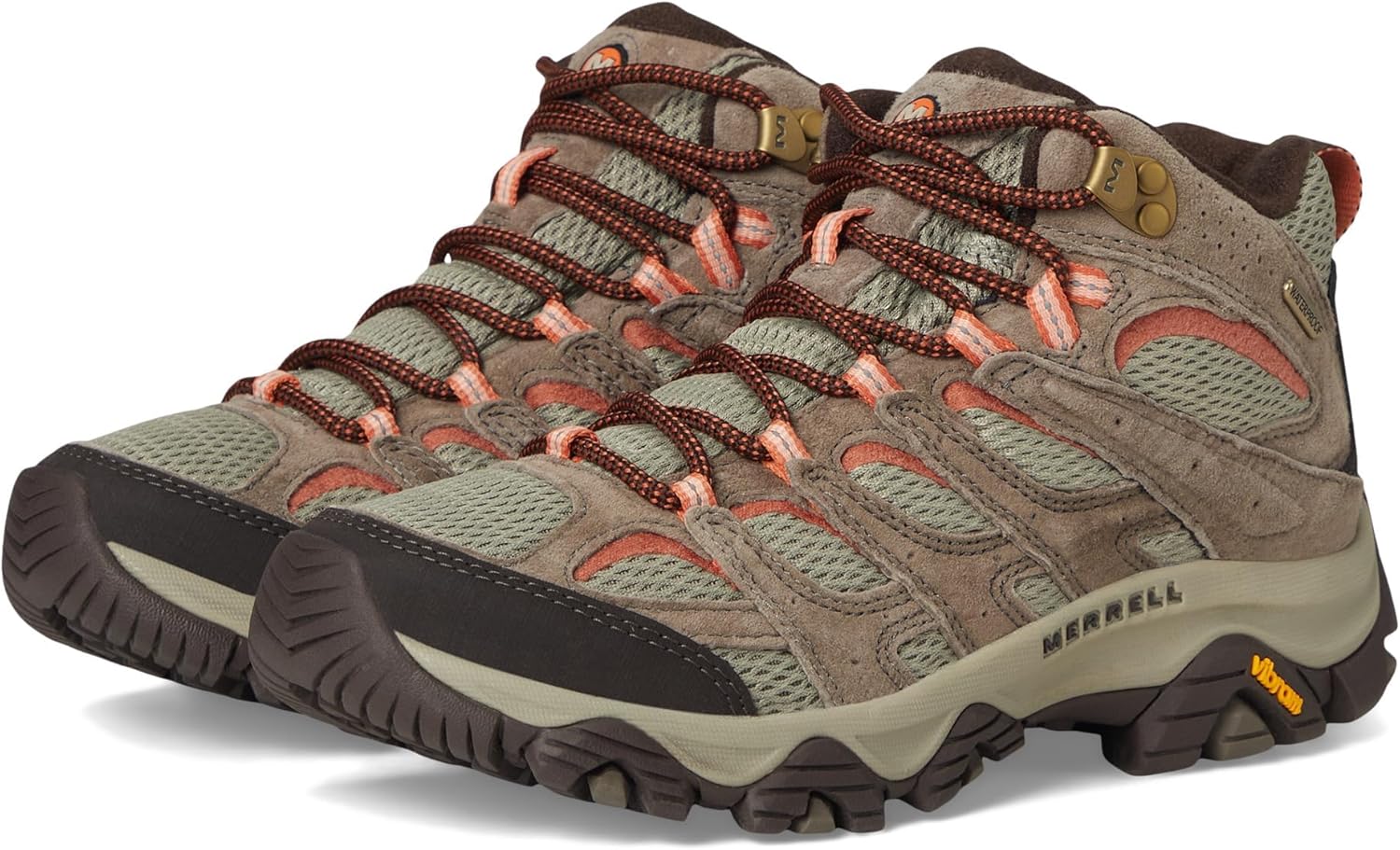
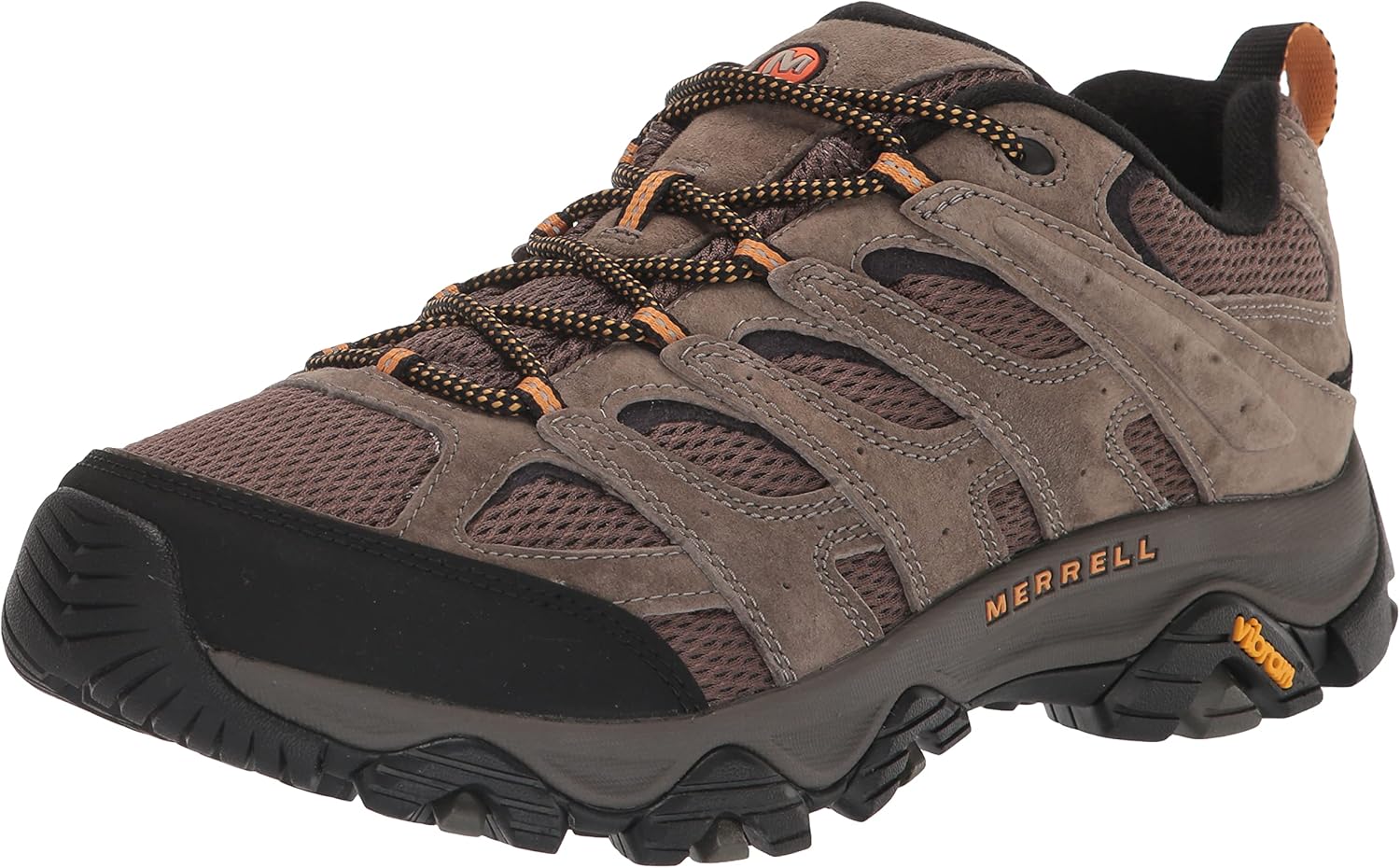
Among experienced hikers, several models frequently appear in discussions about the best womens hiking boots. The Merrell Moab line, including the classic Merrell Moab and the lighter Moab Speed, has earned a reputation for out of the box comfort. Many women appreciate how the Moab mid version combines a supportive mid cut with a relatively modest weight pair for all day hikes.
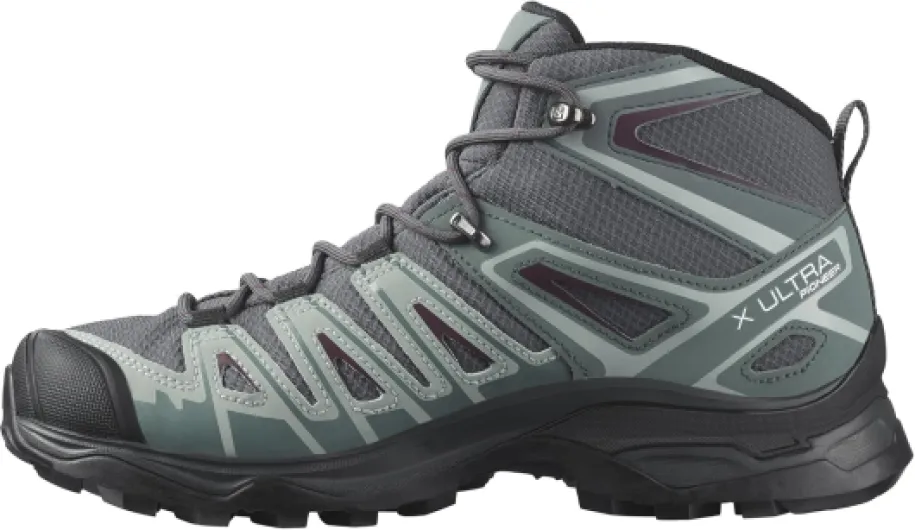
For those who prioritize aggressive traction and a secure fit, the Ultra Raptor series offers a more technical feel. While often categorized closer to hiking shoes than traditional boots, the Ultra Raptor models provide substantial underfoot protection and precise control on steep, rocky trails. Women with narrower feet may find this boot or shoe style particularly confidence inspiring on exposed traverses.
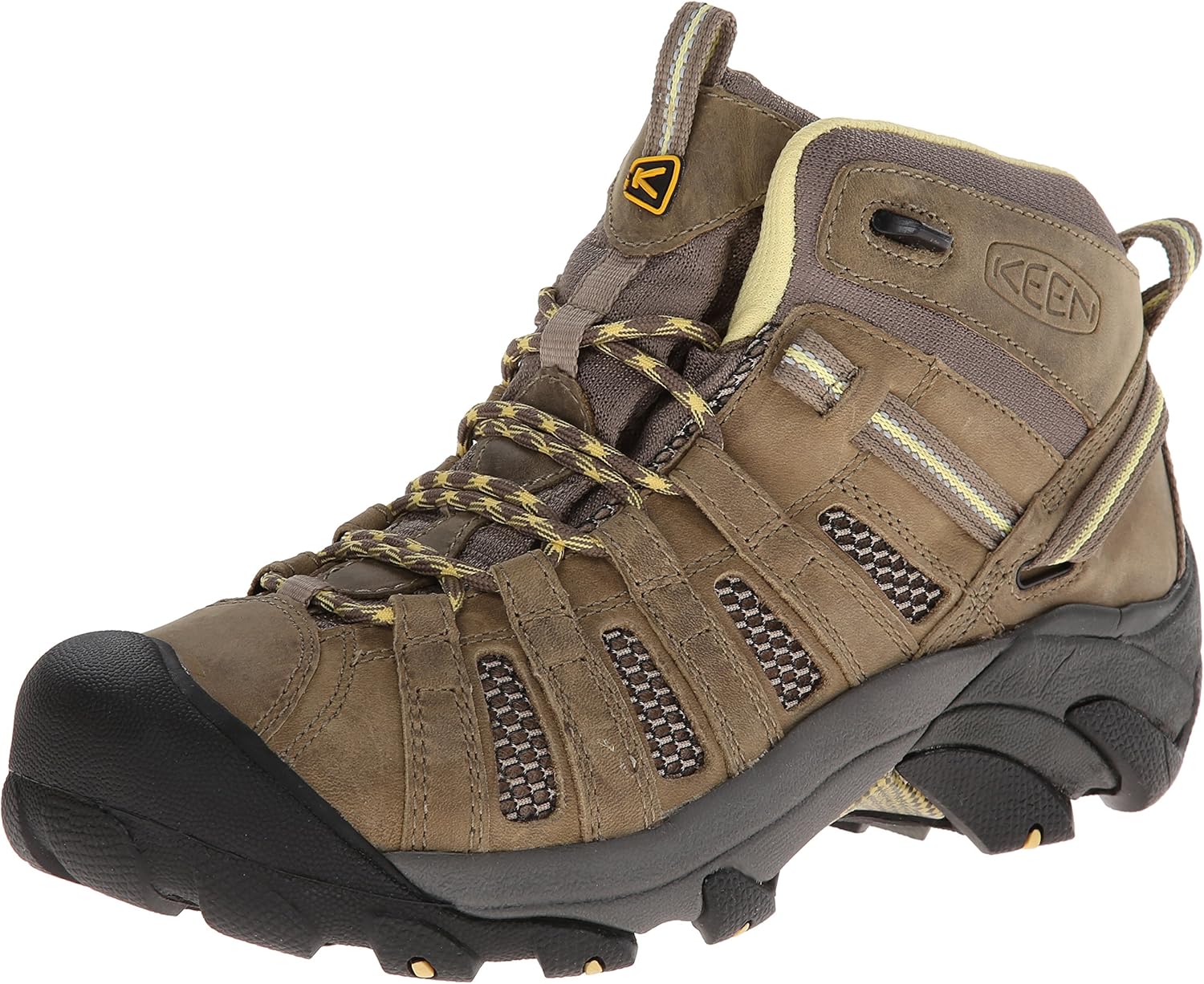
The Keen Targhee family remains another benchmark for boots women who need generous width and a relaxed toe box. These hiking boots often feature waterproof membranes and sturdy leather overlays, making them suitable for wet forest trails and shoulder season slush. A Keen Targhee mid waterproof model can feel especially reassuring when carrying a pack over muddy passes or uneven roots.
Retailers such as REI typically stock multiple width options, allowing women to compare regular wide fits across brands in a single visit. Trying on Merrell Moab, Moab Speed, Ultra Raptor, and Keen Targhee side by side highlights how different lasts shape the foot experience. Careful in store testing, followed by targeted field use, helps identify which specific hiking boot truly qualifies as the best hiking partner for your objectives.
Price, value, and long term performance in women’s boots
For serious mountaineers, the best womens hiking boots represent an investment in safety and performance rather than a casual purchase. While initial price can feel steep, a durable leather or nubuck leather boot that survives many seasons often delivers better long term value. Cheaper hiking boots may compress, delaminate, or lose waterproof integrity after limited use, especially under heavy loads.
When comparing price brackets, evaluate construction details that influence longevity and comfort. Look for robust rand protection, quality stitching, and a mid Gore or mid GTX membrane that has been carefully integrated rather than simply laminated. A boot that maintains its original fit and support after extensive testing on rough trail surfaces ultimately costs less per kilometre walked.
Women should also factor in the cost of aftermarket insoles and potential width adjustments. A boot that fits well in both regular wide versions can reduce the need for expensive modifications or frequent replacements. Over time, a reliable hiking boot that keeps the foot stable and dry on varied terrain becomes a trusted tool rather than a disposable accessory.
Specialist retailers and co operatives such as REI often provide extended return windows, allowing real world evaluation beyond the shop floor. Use this opportunity to assess how the boot handles different trail conditions, pack weights, and weather patterns. By aligning price, features waterproof performance, and personal biomechanics, women can confidently select the best hiking and waterproof hiking boots for their most ambitious objectives.
Key statistics on women’s hiking boots and mountain use
- Include here quantitative data on average women’s boot weight pair compared with men’s equivalents for long distance trekking.
- Add statistics on the proportion of women choosing mid waterproof boots versus low cut hiking shoes for alpine approaches.
- Highlight data on injury reduction linked to proper fit, width selection, and supportive hiking boot design on steep descents.
- Mention figures on the market share of Gore Tex and other tex membranes in women’s waterproof hiking boots.
- Note survey results on how many experienced hikers prioritize nubuck leather uppers for durability on rocky terrain.
Essential questions about choosing the best womens hiking boots
How should women prioritize fit versus waterproof performance in hiking boots ?
Fit must always come first because a poorly fitting waterproof boot will still cause blisters and instability. Once the foot shape, width, and volume are matched, women can decide whether a Gore Tex or other tex membrane suits their climate and objectives. In wet, cold, or mixed conditions, a well fitted mid waterproof boot usually offers the best balance of protection and comfort.
What boot weight is appropriate for multi day alpine trekking ?
For most experienced hikers, a weight pair between roughly 1 and 1,4 kilogram provides enough structure without feeling excessively heavy. Lighter hiking shoes may work for fast and light missions with modest packs, but they can lack support on rough, loaded descents. Heavier leather boots offer more protection yet may increase fatigue if the route involves long, sustained climbs.
When should women choose mid height boots over low cut hiking shoes ?
Mid height boots become advantageous when carrying heavier packs, crossing loose talus, or moving through snow patches. The extra collar height stabilizes the ankle and helps keep debris and moisture out of the boot. On well maintained summer trails with light loads, low cut hiking shoes can still be a comfortable and efficient choice.
How can women evaluate value beyond the initial price tag ?
Value depends on durability, long term comfort, and how well the boot supports specific objectives. A more expensive nubuck leather boot that maintains its structure and waterproof performance over many seasons often proves cheaper per kilometre. Women should also consider retailer policies, such as REI style satisfaction guarantees, which allow extended real world testing before fully committing.
Are brand specific models like Merrell Moab or Keen Targhee suitable for technical mountain routes ?
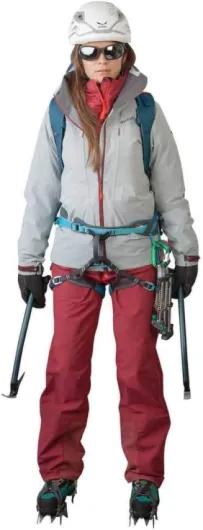
Models such as Merrell Moab, Moab Speed, and Keen Targhee work well for many non glaciated alpine and subalpine routes. However, extremely technical objectives, heavy crampon use, or prolonged snow travel may require stiffer mountaineering specific boots. Women should match each boot’s support, outsole design, and waterproof features to the steepness, exposure, and objective hazards of their planned routes.
Trusted references : American Hiking Society ; International Climbing and Mountaineering Federation (UIAA) ; REI Co op gear guides.