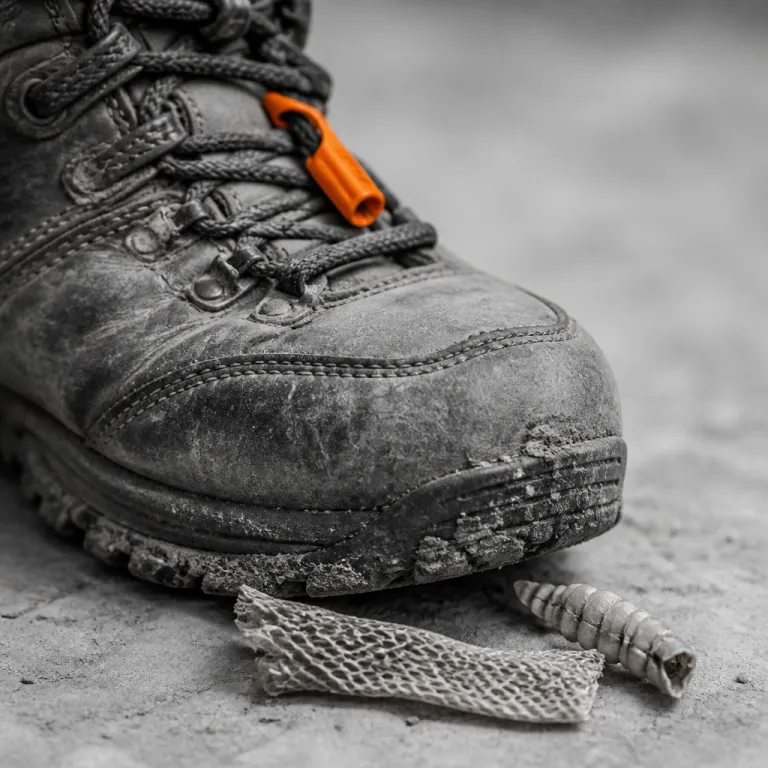
Why rattlesnake hiking safety matters more this season
Rattlesnake hiking safety is no longer a niche concern for desert specialists. A warmer than usual winter has pushed rattlesnake activity into months when many hikers assume snakes are still tucked away, and that shift has turned casual weekend outings into higher risk days in rattlesnake country. If you hike in western states like California, Arizona, Nevada, Utah, New Mexico, Colorado, or southern Oregon, you now need the same level of planning for rattlesnake safety that you already bring to navigation, hydration, and blister prevention.
On the ground, that means understanding when and where a rattlesnake or other venomous snake is most likely to be on or near the trail. Rattlesnakes are ambush predators that prefer edges, so they coil beside logs, rocks, and trail borders where small mammals travel, and they often lie just off popular trails where hikers step without looking. Many rattlesnake bites occur not deep in the backcountry but within a few hundred meters of the trailhead, where people are distracted, talking, or managing a dog that is pulling on the leash.
Time of day matters as much as terrain when you plan safe hiking in rattlesnake country. In cooler months, rattlesnakes and other snakes bask on open trails and rocks during late morning and early afternoon, while in hotter months they shift to crepuscular and nocturnal activity at dawn, dusk, and night. If you are hiking rattlesnake habitat in southern California or central California on a hot day, expect venomous snakes to be most active when the air temperature sits roughly between 18 and 32 degrees Celsius, and adjust your start time and pace accordingly.
Boot choice is not a magic shield, but it changes the odds when a snake bite happens. A mid or high cut leather boot with a stiff upper, like the Lowa Renegade GTX Mid or the Salomon Quest 4, gives you more material between a rattlesnake and your ankle than a low trail runner, and that extra layer can turn a full envenomation into a dry bite or a glancing strike. I have seen hikers in light mesh shoes step within centimeters of a coiled rattlesnake on a narrow trail, and the only thing that saved them was luck and the snake’s decision to move away instead of striking.
Think of rattlesnake hiking safety as one part terrain reading, one part gear, and one part behavior. You will never avoid every snake on every trail, but you can keep your risk low by staying on established trails, watching where you place each foot, and resisting the urge to cut switchbacks or bushwhack through tall grass where snakes rest unseen. The goal is staying safe without giving up the hiking you love, and that balance starts with accepting that rattlesnakes are part of the landscape, not an invading force you can simply wish away.
Where hikers and dogs actually get bitten on trail
Most hikers imagine rattlesnake bites happening on remote ridgelines, yet emergency room data and poison control reports tell a different story. A large share of rattlesnake bites occur on busy, low elevation trails close to cities, especially in foothill parks and canyon systems where rodents thrive and people walk dogs off leash. In California, poison control centers have logged spikes in snake bites on popular rattlesnake trail networks in the Bay Area, the Sierra foothills, and southern California open space preserves, not just in remote desert basins.
Look at where your boots actually travel during a typical weekend hike. You weave around rocks, step over downed branches, and cut across eroded trail edges where snakes like to coil, and every one of those micro decisions changes your exposure to a rattlesnake or another venomous snake. When you step off the main trail to let a group pass, or to take a photo, or to tie a boot lace, you often move into the exact area where rattlesnakes and other snakes are resting, and that is when many bites occur on ankles and lower legs.
Dog safety raises the stakes because a curious dog will not respect a safe distance from a coiled rattlesnake. Veterinarians in California and other western states report increased canine rattlesnake bites this season, especially on trails where owners let dogs roam ahead or off leash, and a bitten dog often takes the strike to the muzzle or front leg while sniffing brush. If you want to keep your dog safe on a hiking rattlesnake outing, you must keep the dog on a short leash in known rattlesnake country and train a solid recall so you can call the dog away from any snake before contact.
Terrain type shapes risk in ways that experienced hikers sometimes underestimate. South facing rocky slopes warm quickly and draw rattlesnakes out to bask, while north facing forested slopes stay cooler and see fewer snakes on the actual tread, and riparian corridors with tall grass and downed wood create perfect cover for both rattlesnakes and non venomous snakes. When you plan a route, look at the map and ask where the trail crosses rodent rich habitat, sunny rock gardens, or overgrown creek bottoms, because those are the segments where you will slow down, scan carefully, and give every suspicious shape a second look.
Time of day and season layer on top of terrain to create windows of higher risk. Early in the season, rattlesnakes may cluster near den sites on rocky outcrops, while later they spread out along game trails and human trails as they hunt, and in shoulder seasons they may bask directly on warm dirt or asphalt near parking areas. If you like late afternoon hikes after work, especially during a heat wave, recognize that you are sharing the trail with snakes that have shifted their activity to the same cooler hours, and adjust your pace, your awareness, and your expectations accordingly.
Joint health and stability matter because a misstep while dodging a snake can injure you even if you are never bitten. If you already use a brace or have a history of knee issues, review guidance on choosing the best knee brace for hiking so that a quick lateral move to avoid a rattlesnake does not turn into a torn ligament. In rattlesnake country, you are managing both the risk of snake bites and the risk of falls, and your boots, braces, and poles all work together to keep you upright when the trail throws a surprise at your feet.
Boots, gaiters, and trekking poles: gear that quietly changes the odds
Gear will not make you invincible, but the right combination of boots, gaiters, and trekking poles can reduce the chance that a rattlesnake bite ever reaches your skin. A sturdy leather or synthetic leather boot that covers the ankle, paired with a dense fabric or leather upper, creates a barrier that many rattlesnakes cannot fully penetrate, especially if the strike lands at an angle. In my own testing on rocky trails in southern California and central Arizona, high cut boots like the Scarpa Zodiac Plus and the Asolo Fugitive have taken glancing strikes from non venomous snakes without visible damage, while lighter mesh trail shoes showed clear tooth marks after similar contact with brush and unseen sticks.
Snake gaiters add another layer of protection over the vulnerable lower leg. A well fitted pair of gaiters designed for rattlesnake safety wraps from just above the ankle to below the knee, and when worn over a solid boot they can turn a direct strike into a non event, though no manufacturer can guarantee complete protection from every venomous snake. If you hike regularly in rattlesnake country, especially off trail or in tall grass, gaiters are a more effective investment than a third pair of ultralight shoes, because they address the specific injury pattern of rattlesnake bites on the calf and shin.
Trekking poles are underrated tools for staying safe around snakes. Used properly, poles let you probe tall grass ahead of your boots, tap rocks or logs before stepping over, and maintain balance if you need to move back quickly from a rattlesnake that appears on the trail, and that extra stability can prevent a fall that would bring your hands or torso closer to the snake. When I guide groups on rattlesnake trail systems in California, I teach people to plant a pole slightly ahead and to the side of each step, which gives both you and any nearby snake a warning before your foot arrives.
Boot fit and ankle support also matter when you react to a sudden rattlesnake encounter. A boot that locks your heel and supports your ankle, like many mid cut models built on a stable last, lets you pivot or side step quickly without rolling your ankle, while a sloppy fit can turn a quick move into a sprain, and that injury may strand you in the same area where venomous snakes are active. If you are recovering from an ankle injury and still want to hike in rattlesnake country, review guidance on choosing the right ankle boot for hiking after a sprain so that your boot supports both your healing joint and your need to move decisively away from any snake.
Clothing choices complement your boots and gaiters in subtle ways. Long, loose hiking pants made from durable fabric create a small air gap between your skin and any snake fangs that reach past your boot, and that gap can reduce the depth of a snake bite compared with bare skin or tight leggings, especially when combined with a high cut boot. In hot weather, you can still prioritize rattlesnake hiking safety by choosing lightweight but tough fabrics and planning your route and timing carefully, using resources like this guide to your first very hot hike to balance heat stress and snake activity.
None of this gear replaces the need to keep your eyes on the trail and your mind in the moment. A hiker in full snake gaiters who stares at a phone while walking is still more likely to step on a rattlesnake than a focused hiker in lighter footwear who scans ahead and gives every suspicious shape space, and that reality should shape how you spend your budget and your attention. Think of boots, gaiters, and poles as passive layers that buy you margin, while your awareness and decisions remain the active tools that will keep both you and your dog safe.
First aid that works after a rattlesnake bite
When a rattlesnake bite happens, the first minutes are about decisions, not gadgets. The single most important choice is to treat every snake bite from a suspected rattlesnake or other venomous snake as a medical emergency, even if the pain seems mild or you hope it was a dry bite, because you cannot reliably judge envenomation in the field. Your job is to stay calm, limit movement, and get the bitten person or bitten dog to professional care as quickly and safely as possible.
Field first aid for rattlesnake bites is simple, and most of the dramatic techniques you see in movies are wrong. Do not cut the wound, do not attempt to suck out venom, do not apply ice, and do not use a tourniquet, because all of those actions can worsen tissue damage and complicate treatment when you reach an emergency room. Instead, remove rings, watches, or tight clothing near the bite, immobilize the limb at or slightly below heart level, keep the person lying down if possible, and start moving toward help while monitoring for signs of shock such as pale skin, rapid pulse, or confusion.
Calling local poison control from the trail or the trailhead can help you and the medical team coordinate care. In California, poison control specialists track rattlesnake bites statewide, and they can advise emergency departments on antivenom dosing and monitoring, while also reassuring callers about what to expect during transport and treatment. If you are in a remote area without cell coverage, your priority is to move the victim toward a location where emergency services can reach you, using a stretcher, improvised litter, or assisted walking, and to keep unnecessary movement of the bitten limb to a minimum.
Dog owners face an extra layer of stress when a dog is bitten by a rattlesnake on a hike. The same principles apply, though you will carry the dog or limit its movement as much as possible, and you will head directly to a veterinary clinic that can handle snake bites, ideally one you have identified before your trip, because not every clinic stocks antivenom for dogs. Some regions offer a rattlesnake vaccine for dogs that may reduce the severity of symptoms, but it does not make a dog immune, so you still need to keep your dog at a safe distance from snakes and treat every bite as urgent.
Many hikers ask whether they should try to move a snake off the trail after an encounter. The safest answer is no, because trying to move a snake with a stick or trekking pole is a common way people get bitten rattlesnake style on the hand or forearm, and professional wildlife staff are better equipped to relocate venomous snakes when necessary. Your responsibility is to warn other hikers, keep your group and your dog away, and report the location to park staff if the snake is in a high traffic area where staying safe may be difficult for less experienced visitors.
Remember that most rattlesnake bites occur when someone tries to handle, harass, or move a snake rather than when they simply walk past at a safe distance. If you commit to never picking up a snake, never posing for photos with a snake, and never trying to move a snake off a trail with your hands, you have already eliminated a large portion of your personal risk. Rattlesnake hiking safety is less about heroics and more about restraint, patience, and respect for an animal that wants to avoid you as much as you want to avoid it.
What the ER actually does after rattlesnake bites
Once you reach an emergency department after a suspected rattlesnake bite, the tone shifts from improvisation to protocol. Clinicians will assess the bite site, mark the edges of swelling with a pen, check vital signs, and order blood tests to evaluate clotting and organ function, because rattlesnake venom can affect both local tissue and systemic systems. You may not receive antivenom immediately if symptoms are mild, but you will be monitored closely, and any progression of swelling, pain, or lab abnormalities will push the team toward treatment.
Antivenom is the main specific therapy for significant rattlesnake envenomation. Modern antivenoms used in the United States are typically given through an intravenous line over several hours, and dosing is guided by the severity of symptoms rather than the size of the person or the number of bites, which means a small hiker and a large mountaineer may receive similar initial doses. Hospital stays after rattlesnake bites range from brief observation to several days in more severe cases, especially if there is extensive tissue damage, coagulopathy, or concern for compartment syndrome in a limb.
The financial side of rattlesnake safety often shocks people more than the medical details. Antivenom is expensive, and total hospital charges for a serious rattlesnake bite in the United States can reach tens of thousands of dollars or more, depending on the number of vials used, the length of stay, and whether intensive care is required. Insurance coverage varies, but even insured hikers may face significant out of pocket costs, which is one more reason to avoid unnecessary risk behaviors like handling snakes, hiking off trail in sandals, or letting a dog range far ahead in dense brush.
Poison control centers remain involved even after you arrive at the hospital. In California, poison control specialists often consult directly with emergency physicians on rattlesnake cases, helping to interpret lab trends, adjust antivenom dosing, and decide when a patient is stable enough for discharge, and similar systems operate in other western states. This collaboration means that your earlier call from the trail or the car can feed into a continuous chain of care, from the moment you are bitten rattlesnake style on a remote trail to the moment you walk out of the hospital.
Recovery from a rattlesnake bite does not end at discharge. Many patients experience lingering pain, stiffness, or weakness in the affected limb, and some require physical therapy to regain full function, especially if the bite involved a major joint like the ankle or knee that is critical for hiking. As a hiker, you should treat a past snake bite like any other significant injury when you plan future trips, choosing routes, boots, and pacing that respect your current capacity while you rebuild strength and confidence on the trail.
For dog owners, veterinary care after a rattlesnake bite follows a similar pattern of assessment, antivenom when indicated, and monitoring. Costs can be substantial here as well, and not all pet insurance policies cover snake bites or antivenom, so it is worth reading your policy before the season and budgeting accordingly if you hike often in rattlesnake country. Keeping your dog safe with a leash, training, and route choice is far cheaper and kinder than paying for emergency care after a preventable encounter with a venomous snake.
Behavior on trail that keeps you and your dog safe
Behavior is the part of rattlesnake hiking safety you control completely, and it starts with how you move through the landscape. Stay on established trails instead of cutting cross country, because snakes use the same rodent paths and edge habitat that appear along trail margins, and stepping into tall grass or rock piles off trail multiplies your chances of surprising a rattlesnake. Walk at a pace that lets you scan two or three steps ahead, and train yourself to read shapes and shadows on the ground the way you already read clouds for weather.
When you see a snake on the trail, your first move is to stop at a safe distance. For most hikers, that means at least two body lengths away from the snake, which keeps you outside the typical strike range of a rattlesnake while you assess whether it is coiled, moving away, or simply resting, and you should keep your dog behind you or at heel during this assessment. If the snake is on a narrow section of trail and shows no sign of moving, backtrack calmly and wait, or choose an alternate route rather than trying to move the snake or step over it.
Sound can help both you and snakes avoid unpleasant surprises. Talking with your group, using trekking poles that click lightly on rocks, or wearing a small bell on a dog’s collar creates a steady presence that gives rattlesnakes time to move away before you arrive, and many snakes will choose to avoid contact if they sense you early. At the same time, avoid blasting music from speakers, which can mask the sound of a rattle and make it harder for you to hear the warning that a rattlesnake offers before striking.
Dog management deserves its own plan on every hike in rattlesnake country. Keep your dog on a leash no longer than two meters in known snake habitat, avoid letting the dog explore holes, logs, or dense brush, and practice a strong “leave it” command at home so you can call the dog off any interesting smell or movement on the trail. If your dog is especially curious or has a history of chasing wildlife, consider professional rattlesnake aversion training where available, and talk with your veterinarian about the pros and cons of the rattlesnake vaccine for dogs in your area.
Heat management intersects with snake behavior in ways that matter for planning. On very hot days, rattlesnakes may be more active at dawn and dusk, which are also popular hiking windows for people trying to avoid midday heat, so your strategy for staying safe must account for both heat illness and snake encounters, not just one or the other. Choosing routes with good visibility, avoiding overgrown creek bottoms during peak activity hours, and adjusting your pace to match both temperature and terrain will keep your risk lower than simply starting early and hoping for the best.
Finally, commit to a simple rule set you can remember under stress. Never step where you cannot see, never put your hands where your eyes have not gone first, never try to move a snake, and never let a dog investigate a snake, dead or alive, because even a recently killed rattlesnake can still reflexively bite. Those habits, combined with solid boots, thoughtful gear, and respect for the animals that share your trails, will keep you hiking strong through the end of rattlesnake season and beyond.
Key statistics on rattlesnake bites and hiking risk
- California poison control centers reported dozens of rattlesnake related emergency calls in the first three months of a recent warm winter season, with multiple fatalities, compared with a typical annual pattern of zero to one death statewide, highlighting how weather shifts can rapidly change rattlesnake hiking safety profiles.
- Across the United States, estimates from toxicology and emergency medicine literature suggest that several thousand people experience venomous snake bites each year, with rattlesnakes responsible for a significant share of serious envenomations requiring antivenom and hospital care.
- Published case series from western states indicate that most rattlesnake bites to hikers involve the lower extremities, particularly the ankle and lower leg, which aligns with the recommendation to use high cut boots and, in higher risk areas, snake gaiters to reduce exposure.
- Veterinary reports from western regions show that dogs are frequently bitten on the muzzle or front legs during off leash hikes in rattlesnake country, and canine cases can require antivenom and intensive monitoring similar to human patients, with comparable financial impact for owners.
- Cost analyses from hospital billing data have documented total charges for severe rattlesnake bites in the United States reaching into the tens or even hundreds of thousands of dollars when multiple vials of antivenom, intensive care, and prolonged hospitalization are required.
FAQ about rattlesnake hiking safety
When are rattlesnakes most active on hiking trails?
Rattlesnakes are most active when temperatures are moderate, typically between about 18 and 32 degrees Celsius, which often means late morning and afternoon in cooler months and dawn, dusk, and night in hotter months. On very hot days, they may avoid exposed trails at midday and shift to edges, shade, and nighttime activity, so hikers who start at sunrise or finish at sunset share the same windows. Planning your hikes around both temperature and terrain will reduce the chance of surprising a snake on the trail.
What boots are best for reducing rattlesnake bite risk?
The best boots for reducing rattlesnake bite risk are mid or high cut models with sturdy leather or synthetic leather uppers that cover the ankle and lower shin. A stiff, dense upper is more likely to deflect or reduce penetration from a glancing strike than a low cut mesh trail runner, especially when paired with long pants or snake gaiters. No boot can guarantee protection from every bite, but choosing a supportive, high cut design significantly improves your odds compared with low, soft footwear.
Should I try to suck out rattlesnake venom or use a tourniquet?
No, you should never try to suck out rattlesnake venom, cut the wound, apply ice, or use a tourniquet after a snake bite. These methods have not been shown to help and can worsen tissue damage or complicate later treatment in the emergency department. The recommended approach is to keep the person calm, immobilize the affected limb, remove constricting items, and get to professional medical care as quickly and safely as possible.
How can I protect my dog from rattlesnakes while hiking?
To protect your dog from rattlesnakes, keep the dog on a short leash in known snake habitat, avoid letting it explore holes, logs, or dense brush, and train a strong recall and “leave it” command. In some regions, rattlesnake aversion training and a rattlesnake vaccine for dogs are available, though the vaccine does not make a dog immune and does not replace the need for emergency veterinary care after a bite. Planning routes with good visibility and cooler temperatures also reduces the chance that your dog will encounter an active snake on the trail.
Do I need to stop hiking in rattlesnake country to stay safe?
You do not need to stop hiking in rattlesnake country to stay safe, but you do need to adjust your behavior, gear, and planning. Staying on established trails, watching where you place your feet and hands, using appropriate boots and possibly gaiters, managing dogs carefully, and knowing basic first aid and evacuation plans all reduce risk to a level many hikers find acceptable. Rattlesnakes are part of the ecosystem, and with respect and preparation, you can continue to enjoy your local trails throughout the season.
References: Centers for Disease Control and Prevention (CDC); American Association of Poison Control Centers; Wilderness Medical Society.