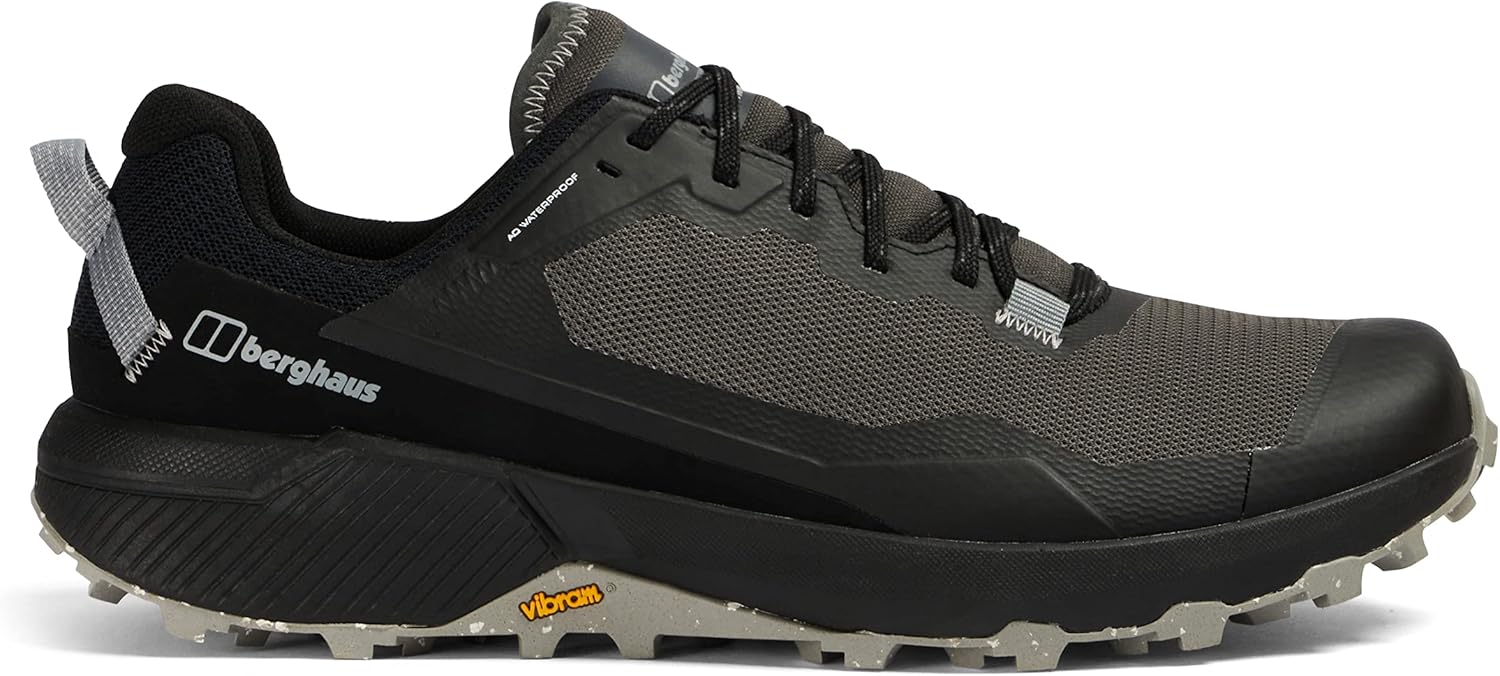
Key features of the best hiking boots with shock absorbing soles
When evaluating the best hiking boots with shock absorbing soles, start with the midsole recipe. EVA based midsoles feel soft and immediately comfortable, while PU based midsoles resist compression over thousands of hiking kilometres and keep their shock absorption longer. Many premium hiking boot designs now blend both materials to balance plush comfort with durability and precise support.
Look closely at the upper and collar design, because shock control is useless if the boot lets your feet slide. A high cut or mid height upper with a firm heel counter locks the rearfoot, allowing the cushioning under the heel to work efficiently instead of wasting energy on internal movement. For long distance hiking on mixed trail surfaces, a mid waterproof model with a stable ankle zone and a rockered sole, such as some long distance focused boots highlighted in this guide to top hiking boots for long distance hiking, can smooth transitions and reduce repetitive impact.
Outsole traction also plays a subtle role in perceived shock. A hiking boot with deep, well spaced lugs grips instead of skidding, which reduces sudden shocks when descending loose gravel or wet roots. When you compare price weight ratios, remember that a few extra grams in the sole often buy better rubber compounds, more cushioning, and a more protective upper material, all of which contribute to all day comfort and joint protection.
Comparing iconic models: from Merrell Moab to Hoka Kaha
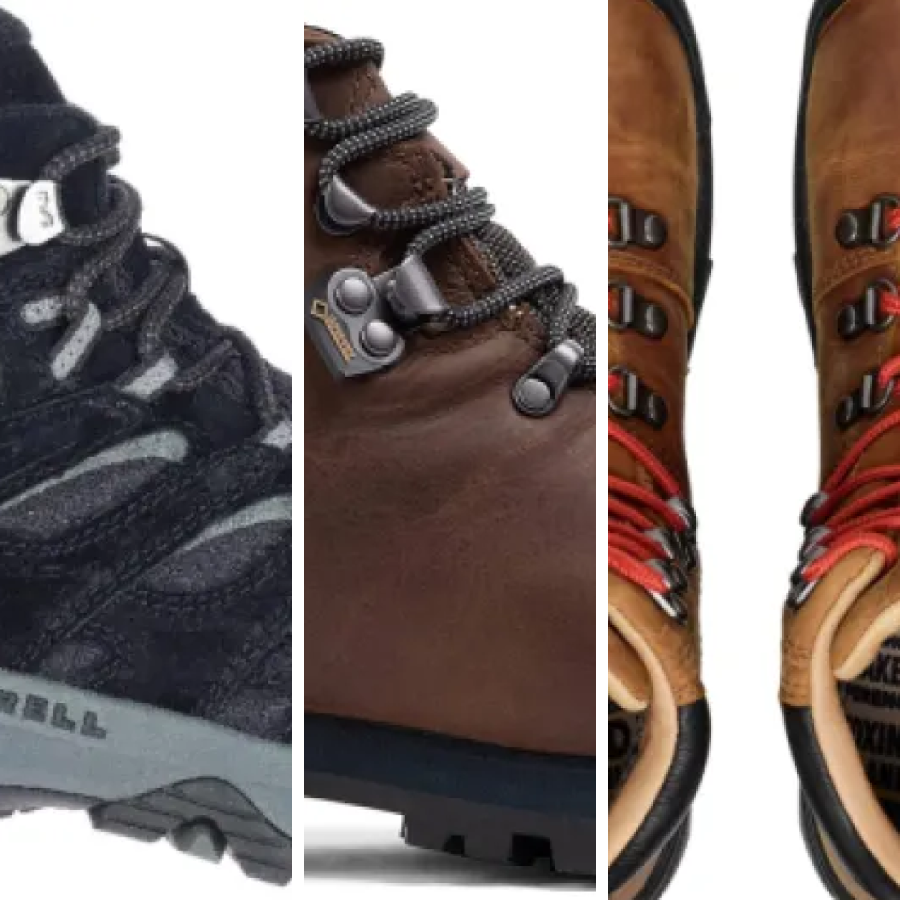
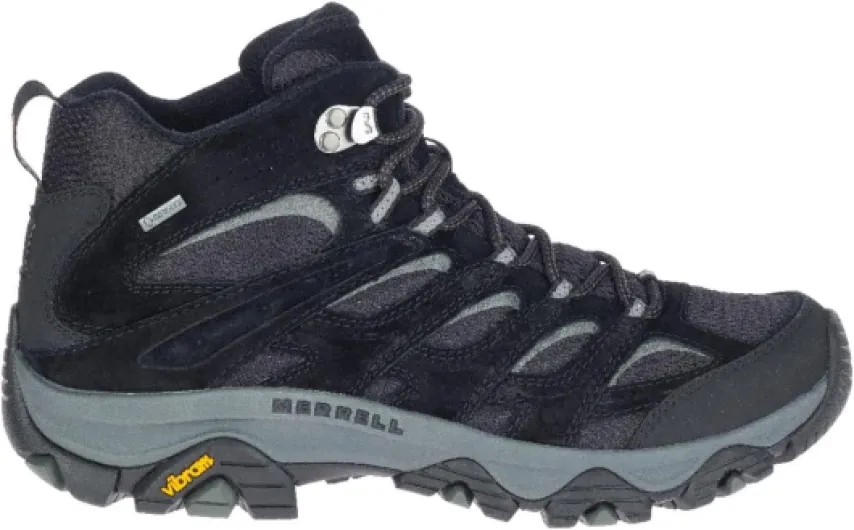
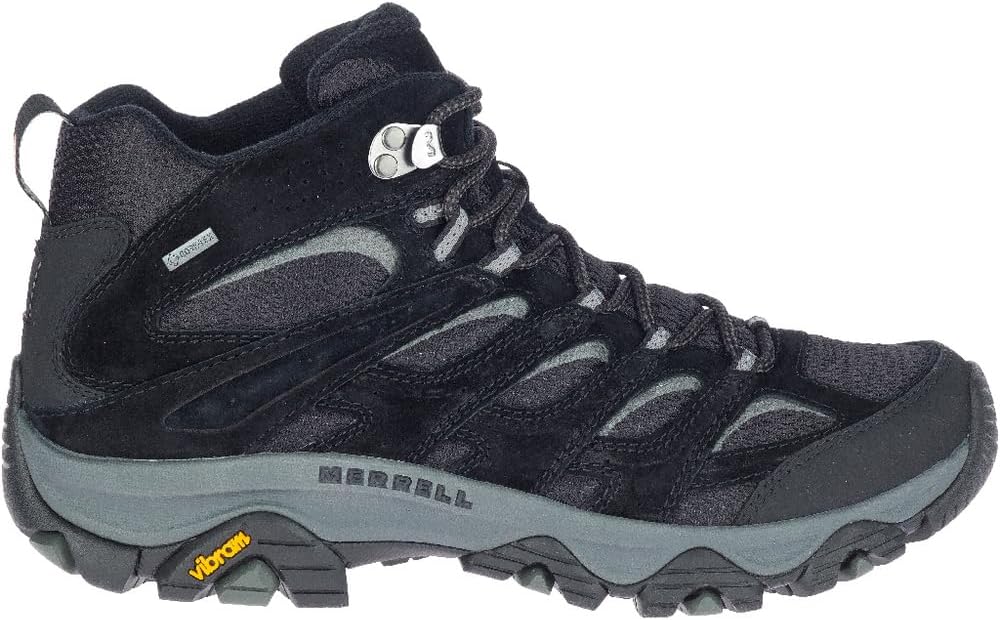
Certain hiking boots have become benchmarks for shock absorption and trail comfort. The Merrell Moab line, especially the Merrell Moab Mid waterproof hiking boot, is widely known for its soft underfoot feel and forgiving fit that suits many hikers with wider feet. In contrast, the Hoka Kaha series, including the Hoka Kaha GTX, pushes maximalist cushioning to the extreme with towering midsoles that deliver remarkable shock reduction on long descents.
For mountaineers and experienced trekkers who want a more technical chassis, the Salomon Quest range offers a different balance of support and cushioning. A Salomon Quest high GTX boot uses a robust frame and firm midsole to keep heavy loads stable, while still providing enough shock absorption for long alpine approaches. When you read any detailed review of these boots, pay attention to how testers describe stability on sidehills and under heavy packs, not just how comfortable the shoes feel in a shop.
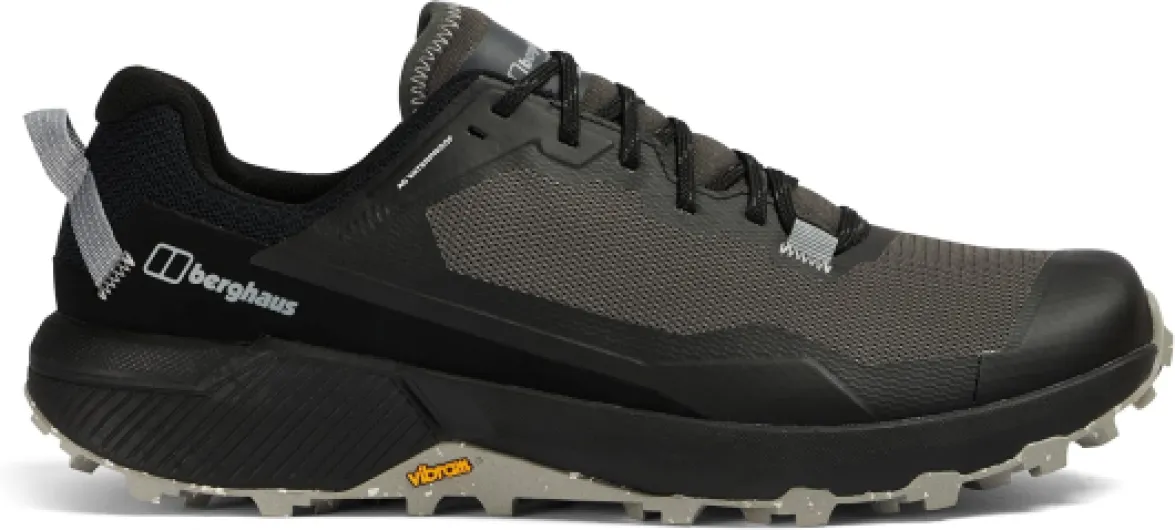
Trail oriented hiking shoes such as the men’s Revolute active walking and hiking trail shoes, tested in depth in this technical trail shoes review, show how low cut designs can still offer impressive shock absorption. These hiking shoes trade some ankle support for lower weight and agility, which many fast hikers appreciate on rolling terrain. For rugged multi day routes with scree, snow patches, and heavy packs, most mountaineers still prefer a higher cut hiking boot that combines a cushioned midsole with a protective upper and precise lacing.
Waterproof protection, Gore Tex membranes, and breathability trade offs
Many of the best hiking boots with shock absorbing soles also use waterproof membranes to handle wet trails and alpine storms. A waterproof hiking boot with a Gore Tex or similar membrane keeps external water out, but it also slows moisture escape from inside, which can affect perceived comfort. When your feet overheat and sweat cannot escape, skin softens and blisters form more easily, even if the cushioning and shock absorption are excellent.
Models such as the Sportiva Nucleo High GTX and the Nucleo High series in general try to balance waterproof protection with breathability by combining a Gore Tex membrane and strategically placed venting panels. The Sportiva Nucleo approach uses a high GTX construction for ankle support, while keeping the upper material relatively light to control overall weight pair. Hikers who often move between wet valleys and dry ridges appreciate this mix of waterproof security and reasonable ventilation.
Mid waterproof designs like the Moab Mid GTX or other mid GTX boots offer a compromise between full height protection and lower weight. These mid boots still provide enough collar height to keep out shallow water and debris, while their lighter upper material and trimmed cuff reduce fatigue on long days. When you check price and specifications, compare not only the membrane type but also the stated weight pair, because every extra 100 g on each boot adds up over thousands of steps.
Fit, gender specific design, and long distance comfort
No amount of shock absorption can compensate for a poor fit around the feet. A hiking boot must cradle the heel, support the arch, and allow the toes to splay without pressure, especially for women whose foot shapes often differ significantly from men’s. Many brands now design women specific hiking boots and hiking shoes with adjusted heel volume, instep height, and forefoot width to improve both support and comfort.
When choosing the best hiking boots with shock absorbing soles for long routes, consider how the boot will feel after 20 km rather than just during a quick shop test. Feet swell during hiking, so you need enough room in the toe box to avoid black toenails on steep descents, while still keeping the mid foot locked over the cushioning platform. A well designed upper with strategically placed overlays and a padded tongue spreads lace pressure, allowing you to fine tune tension across the boot without creating hot spots.
Experienced hikers often rotate between a lighter hiking shoe and a more supportive hiking boot depending on terrain and pack weight. On easier trail days with minimal load, a comfortable pair of hiking shoes with moderate shock absorption can feel liberating. For multi day treks with 12 to 18 kg packs, a stiffer boot with a robust upper material, solid ankle support, and deeper cushioning under the heel and forefoot usually protects joints and ligaments more effectively.
Balancing weight, durability, and shock absorption for technical terrain
Technical mountain routes force hikers to balance weight, durability, and shock absorption carefully. A heavily cushioned boot feels luxurious on the first day, but if the upper material and outsole wear quickly on sharp rock, the price weight trade off becomes poor over a full season. Conversely, an ultra durable leather boot with minimal cushioning can transmit harsh shocks through every step on hard alpine approaches.
Models such as the Sportiva Nucleo High GTX, the Salomon Quest high GTX, and the Hoka Kaha GTX illustrate three different strategies. The Sportiva Nucleo High focuses on a relatively light chassis with a supportive upper and moderate cushioning, making it suitable for mixed hiking and light mountaineering. The Salomon Quest line prioritizes load carrying support and ankle stability, while the Hoka Kaha family maximizes midsole volume to deliver outstanding shock absorption on long, steep descents.
Whatever category you choose, inspect the boot’s midsole thickness, outsole lug depth, and heel to toe drop. A slightly rockered sole with generous heel cushioning and aggressive traction can reduce braking forces on downhills, which lowers cumulative shock to knees and hips. For hikers who also rely on trekking poles, understanding when to replace worn tips, straps, or even the pole itself, as explained in this guide on maintaining carbon trekking poles in cold conditions, further reduces impact and complements the protection offered by shock absorbing hiking boots.
How to interpret reviews, check price, and choose the right boot
Reading a hiking boot review with a critical eye helps you separate marketing claims from real performance. Focus on how reviewers describe cushioning under load, heel stability on off camber terrain, and traction on wet rock or mud. When a review mentions that a boot feels comfortable but bottoms out after several hours, you know the shock absorption may not be sufficient for long alpine days.
When you compare models such as the Merrell Moab Mid waterproof, the Sportiva Nucleo High GTX, the Salomon Quest high GTX, and the Hoka Kaha GTX, create a simple matrix. List weight pair, stated stack height, midsole material, membrane type, upper material, and outsole compound, then add your own notes about fit and comfort from trying them on. This approach turns a confusing market into a clear set of trade offs, where you can check price against performance and decide which hiking boots offer the best value for your specific style of hiking.
Remember that the best hiking boots with shock absorbing soles for one hiker may feel wrong for another. A lighter hiker carrying a 6 kg daypack can often use a softer hiking shoe with less structure, while a heavier mountaineer with a 20 kg pack needs a more supportive hiking boot with firmer cushioning and a stiffer midsole. Prioritize fit, support, and real world comfort over minor price differences, because a well chosen boot protects your feet, joints, and enjoyment on every trail you walk.
Key statistics on hiking boots, impact forces, and injury risk
- Biomechanical studies from sports science laboratories suggest that downhill hiking can generate impact forces approaching several times body weight at the knee, which helps explain why effective shock absorption in hiking boots reduces joint stress on long descents. Controlled treadmill experiments on inclined surfaces commonly report peak tibiofemoral loads well above level walking values during steep downhill walking, although exact multipliers vary between studies and test protocols.
- Field research on long distance trekking indicates that poorly fitting boots are consistently associated with high blister rates on multi day hikes, while properly fitted hiking boots with adequate cushioning and support show substantially lower skin injury incidence. Prospective studies on thru hikers and military recruits, published in peer reviewed sports medicine journals, repeatedly link ill fitting footwear and inadequate underfoot padding to increased blister risk, even though reported percentages differ between populations and environments.
- Industry surveys report that waterproof hiking boots with Gore Tex or similar membranes account for a large share of premium boot sales, reflecting hikers’ preference for weather protection even when it adds some weight and reduces breathability. Annual outdoor market reports from European and North American trade associations consistently show membrane lined models dominating the higher price segments, although exact market share fluctuates by region and season.
- Comparative product testing by independent outdoor labs often finds weight differences of roughly 300 to 400 g per pair between heavily cushioned boots and minimalist models, a gap that can translate into thousands of extra kilogram metres of work over a full day of hiking. Test protocols typically weigh size standardised samples, then estimate energetic cost using established load carriage equations from exercise physiology research, while noting that individual efficiency varies.
- Long term durability tests on popular models such as the Merrell Moab and Salomon Quest families suggest that midsole cushioning usually retains acceptable performance for on the order of 800 to 1 000 km of mixed trail use before compression noticeably reduces shock absorption. Independent lab reports commonly combine repeated impact testing on mechanical rigs with user mileage logs to determine when midsole rebound and hardness drift beyond recommended thresholds, so hikers can use these ranges as practical guidelines rather than strict limits.