
Summary
Editor's rating
Value: worth it if you want leather and longevity, less so if grip is your priority
Old-school look, functional design, nothing flashy
Comfort: good out of the box, better with a few tweaks
Leather, Gore‑Tex and Vibram: solid combo, with some trade-offs
Built to last, but the sole and laces are the weak spots
On the trail: support is solid, grip could be better in the wet
What you actually get with the Scarpa Terra GTX
Pros
- Comfortable for a full-grain leather boot, with minimal break-in needed
- Tough leather upper and Gore‑Tex lining give solid waterproofing and durability
- Good support and stability on rocky, uneven terrain for long hikes
Cons
- Vibram XS Trek sole feels less secure on smooth wet rock, snow or ice
- Basic stock insole and average laces likely need replacing for best comfort and longevity

Specifications
View full product page →| Brand | Scarpa |
Solid leather hikers that feel old-school in a good way
I’ve been using the Scarpa Terra GTX (men’s, brown, UK 10.5/11) as my main hiking boots for a few weeks now. I’ve taken them on a mix of stuff: muddy woodland trails, rocky paths in the hills, and a few long dog walks on wet tarmac. I bought them because I wanted a classic-looking leather boot that’s fully waterproof, not a flashy trainer-style hiking shoe. Scarpa has a decent reputation, so I went in with fairly high expectations, especially for comfort and build quality.
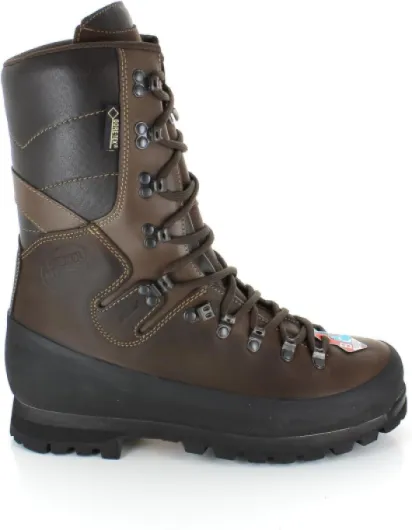
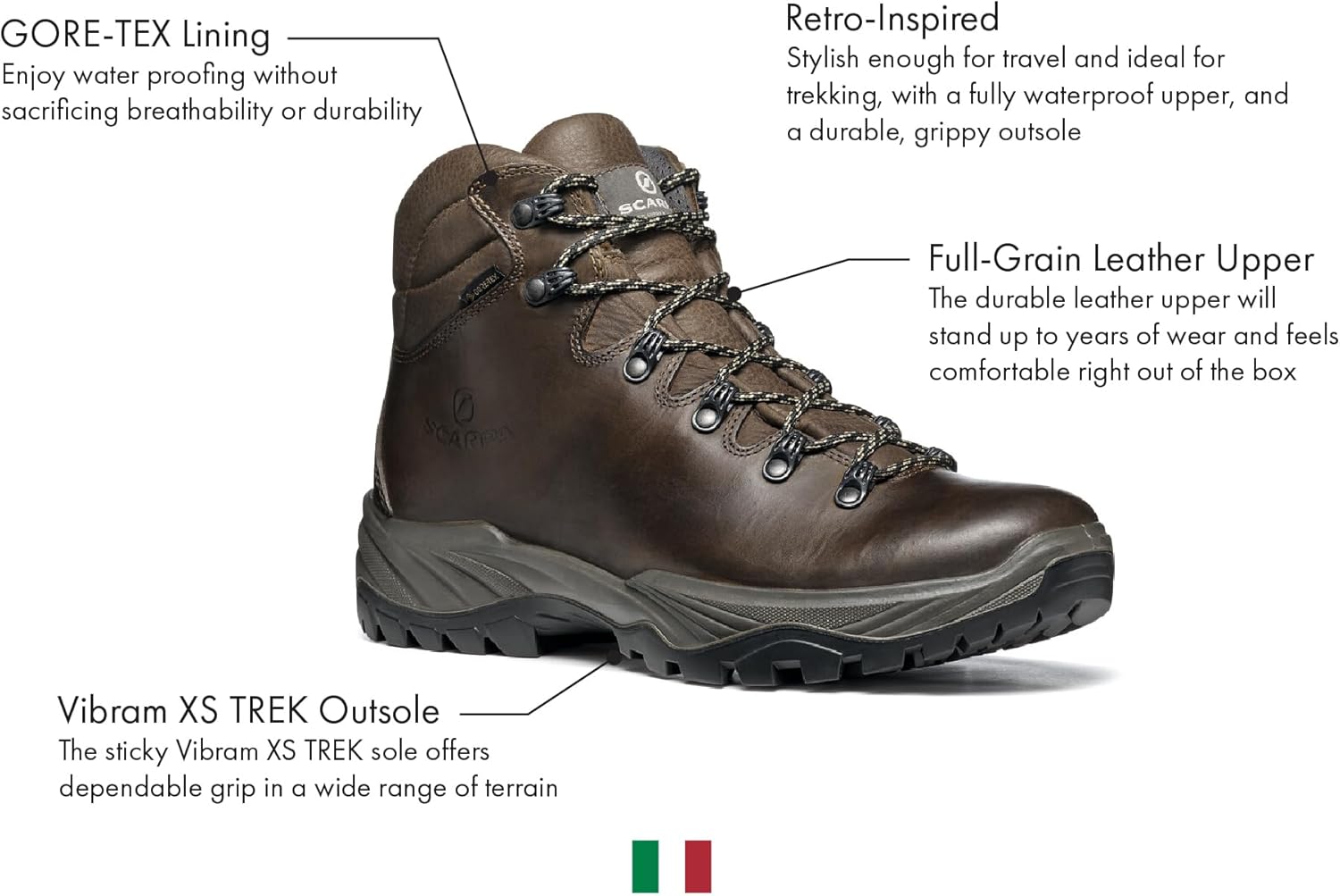
Out of the box, they feel like proper boots: full-grain leather, high ankle, Vibram sole, Gore‑Tex lining. Nothing fancy visually, just brown leather and traditional laces. The first thing I noticed when I picked them up was the weight – not super heavy, but clearly more boot than a lightweight trail shoe. If you’re used to running shoes, they’ll feel a bit chunky; if you’ve worn leather hikers before, this will feel pretty normal.
My first long outing with them was around 15 km with a bit of ascent, mixed wet grass, rocky tracks and some road. I was expecting at least a couple of hot spots or blisters, like I usually get with new leather boots, but that didn’t really happen. They were surprisingly comfortable right away, especially around the heel and tongue. That said, they’re not slipper-soft – there’s a bit of stiffness, especially in the sole, which is actually a good thing for support but you notice it.
Overall first impression: good, solid hiking boots that do what they say. They’re not mind-blowing, and they’re not perfect, but they feel like boots you can actually use hard. The main questions for me after a few weeks are: how well do they grip in the wet, how long will the soles last, and are they worth the price compared to other brands like Meindl or Salomon. I’ll break that down in the sections below, but in short: I like them, with a couple of warnings if you mainly walk on very wet, slippery ground.
Value: worth it if you want leather and longevity, less so if grip is your priority
In terms of price, the Terra GTX sits in that mid-to-upper range for hiking boots. It’s not bargain-basement, but it’s also not at the very top end like some heavy-duty alpine boots. On Amazon and other shops, the price seems to jump around quite a bit, so it’s worth shopping around, like one reviewer mentioned. When you consider what you’re getting – full-grain leather, Gore‑Tex, Vibram sole, and Scarpa build quality – the price feels fairly reasonable, but only if you actually need and use those features.
If you’re a casual walker doing short flat strolls on dry paths, this boot is probably overkill. You’d be paying for waterproof leather, ankle support and durability you don’t really need. A cheaper fabric boot or even a good walking shoe would make more sense there. Where the Terra GTX starts to look like decent value is if you hike regularly, carry a pack, or want one boot that can handle hills, muddy tracks and travel for several years. In that scenario, paying more upfront for a tougher leather boot can work out cheaper long-term than killing lighter shoes every season.
Compared to similar boots from brands like Meindl, Lowa or Hanwag, the Terra GTX is roughly in the same ballpark. Some competitors might give you slightly better grip or a more cushioned feel, others might be heavier but even more robust. Where Scarpa scores points is comfort out of the box and the quality of the leather. Where it loses a bit is the so-so grip on very slick surfaces and the need to upgrade the insole almost immediately for best comfort.
So value-wise, I’d say: if you want a classic leather hiking boot that should last several years, and you’re okay with swapping insoles and keeping an eye on slippery rock, the Terra GTX is a good buy, especially if you catch it on discount. If you mainly hike in very wet, rocky or icy conditions and grip is non-negotiable, there are better choices for the same money or a bit more, even if they don’t look as clean and simple as these.
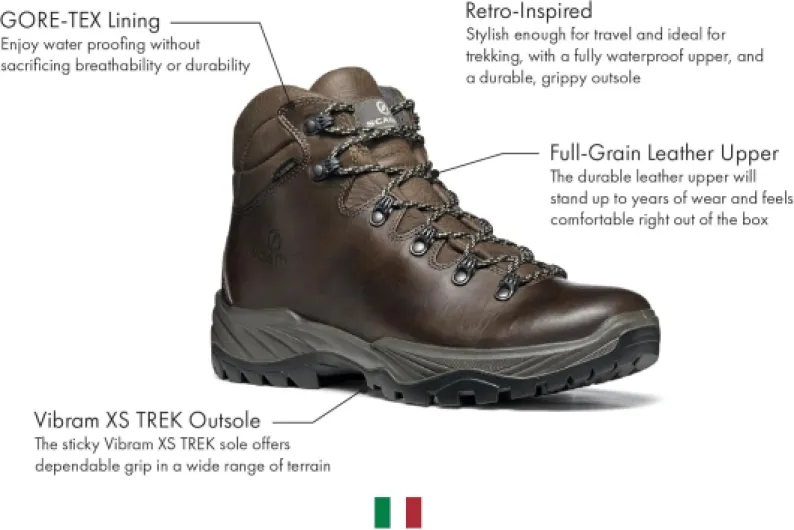
Old-school look, functional design, nothing flashy
Design-wise, the Terra GTX is very much “classic brown leather hiking boot”. If you like simple gear that doesn’t scream for attention, you’ll probably like the look. The leather is smooth and fairly uniform, with minimal stitching and no big plastic panels. Branding is low-key: a small Scarpa logo on the side and tongue, and the Vibram logo on the sole. Personally, I like that – it’s the kind of boot you can wear in town or when travelling without looking like you’re about to attack a glacier.
The cut is high enough to give real ankle coverage. The collar is padded but not overly stuffed, so you get support without feeling like your ankle is in a cast. The lacing system uses standard eyelets at the bottom and open hooks at the top. They’re placed in a way that lets you lock the heel in fairly well. I could dial in the fit easily: tighter around the ankle for descents, a bit looser on flatter walks. The tongue is gusseted high enough to keep out water and debris, and I didn’t have any issues with it sliding to one side.
One thing I noticed is that the boot has a fairly narrow, trekking-style shape, especially in the midfoot. If you’ve got wide feet, you might want to size up half or a full size, like some reviewers suggested. I have slightly wide forefeet and going up a half size worked well – enough room for thicker socks and for toes to spread on descents. A standard or narrow-footed person will probably be fine at their usual size, but if you already know you struggle with narrow Italian boots, don’t ignore that.
In terms of practical design details, the toe has a small rubber rand but not a full wrap like some heavier boots. It’s enough to protect against rocks and scuffs, but if you’re constantly kicking scree, a boot with a heavier rand might fare better. The heel has a decent cup and feels secure. The sole pattern is not super aggressive, more of a general hiking tread than deep mud lugs, which makes sense for a boot that’s also meant for travel and mixed surfaces. Overall, the design is functional and sensible – nothing to drool over, but it does the job without any obvious design blunders.
Comfort: good out of the box, better with a few tweaks
Comfort was the part I was most curious about, because leather boots can be hit or miss at first. With the Terra GTX, I was honestly surprised: there was almost no break-in pain. On my first 15 km hike, I expected heel rub, toe pressure, or some hot spots on the ankle. Instead, my feet felt secure and supported, and I only had a bit of mild stiffness on the top of the foot where the leather creases, which faded after a couple more walks. For a full-grain leather boot, that’s pretty good.
That said, it’s not a soft, cushy feel like a trail runner. The sole is on the firmer side, which is great for support on rocky ground. You don’t feel every stone underfoot, and your feet don’t get beaten up on long descents. But if you’re coming from trainers, it will feel a bit hard initially. The collar padding around the ankle is well judged – enough to prevent rubbing, but not so thick that it feels spongy. I’ve had no blisters so far, even doing back-to-back days of 10+ km with a light pack.
Fit-wise, I’d say the length is fairly true, but the width leans slightly narrow. I followed the common advice and went up half a size to leave room for thick socks and foot swelling, and that worked well. If you plan to wear them in winter with heavy socks, or if your feet are wide, I’d strongly suggest trying them half or a full size up. There’s decent toe room for downhill walking, which is key for avoiding smashed toenails on steep descents. The heel hold is good too; no noticeable lift once I dialled in the lacing.
The main weak point for comfort out of the box is the stock insole. It’s thin and doesn’t offer much cushioning or arch support. After a couple of walks, my arches felt a bit tired, so I put in aftermarket insoles, and that solved it. With better insoles, the boot went from “pretty comfortable” to “I can wear this all day without thinking about my feet”. So overall, comfort is a strong point, but I’d budget a bit extra for decent insoles, especially if you have fussy feet or plan on doing long-distance trekking.
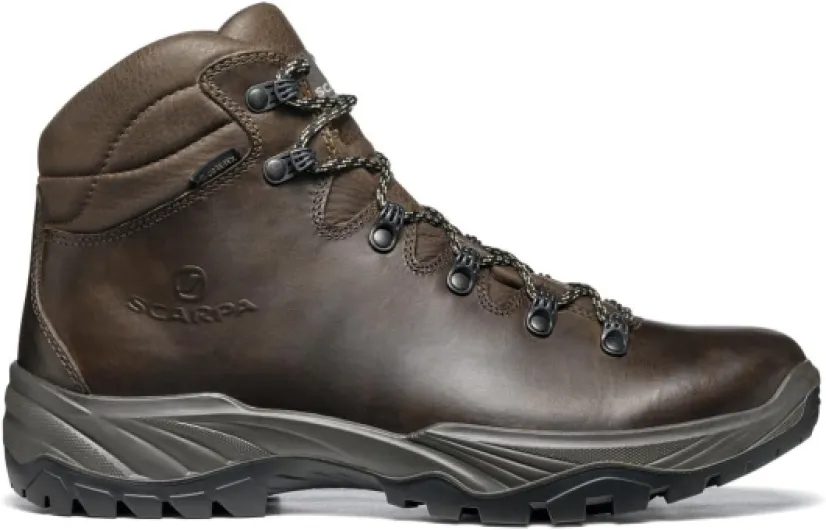
Leather, Gore‑Tex and Vibram: solid combo, with some trade-offs
The big selling point here is the full-grain 2.0 mm leather upper. In the hand, it feels decent: not cardboard-stiff, but clearly tough enough to handle years of abrasion if you look after it. This isn’t soft nubuck like on some lighter boots; it’s more traditional trekking leather. I treated mine with a basic leather cream before the first wet hike, and water still beads nicely on the surface. One thing to keep in mind: leather like this rewards maintenance. If you never clean or condition it, it will crack and look tired faster.
Inside, you’ve got a Gore‑Tex ePE lining, which is waterproof and breathable on paper. In practice, I walked through wet grass, muddy paths and shallow puddles and stayed dry. No leaks so far. As with any membrane boot, if water comes in over the top, you’re done, but that’s not the boot’s fault. Breathability is okay for this type of construction. My socks were damp after longer walks, but more from sweat than leaks, which is normal for membrane boots. If breathability is your top priority, you’d be better off with non-membrane leather and good socks, but then you lose the guaranteed waterproofing.
The sole is Vibram XS Trek with a PU midsole. PU usually lasts longer than EVA but feels firmer, and that matches what I felt: good support underfoot, not a plush, bouncy feel. The tread compound is where opinions start to split. Some users, and honestly me on a couple of wet rocky sections, feel the grip is a bit on the harder, plasticky side, especially on very smooth wet rock or icy surfaces. It’s fine on dirt, gravel, and dry rock, but you do need to watch your step on slick stuff. One reviewer even called it dangerous in snow and ice – I wouldn’t go that far based on my use, but I get where they’re coming from.
The insole is just a basic nylon insert, which is functional but not great. After a couple of outings, I swapped to a more cushioned insole with better arch support. That made a noticeable difference in comfort on longer walks. So in short: materials are pretty solid overall, especially the leather and waterproofing, but the default insole is basic and the sole compound is more durability-oriented than super grippy in every condition.
Built to last, but the sole and laces are the weak spots
Durability is hard to judge after just a few weeks, but there are some clear signs. The full-grain leather upper feels tough and has handled scuffs from rocks and branches without more than light marks. With a bit of leather cream, it cleans up nicely. This is the kind of leather that should age well if you regularly clean off mud and treat it. One long-time Scarpa user mentioned in their review that the leather lasts so long the laces die first, and honestly, that lines up with my past experience with Scarpa boots too.
The stitching around the upper and the tongue looks clean and even, with no loose threads showing up yet. The Gore‑Tex lining hasn’t shown any early signs of peeling or wrinkling, which is good. The PU midsole is usually more durable than EVA over the long term, so I’d expect the cushioning and support to hold up for years rather than flattening out quickly. These are not ultra-light boots that you burn through in a season; they’re more in the “buy once and resole when needed” category, at least in theory.
The outsole durability vs grip trade-off is where the doubts come in. That one negative review about the Vibram soles wearing out fast and feeling plasticky is pretty brutal. Mine obviously haven’t worn out yet, but after several hikes you can see that the rubber is on the harder side, which usually means longer wear but less stickiness on slick surfaces. I’d bet these soles last a fair while on mixed terrain, especially compared to softer compounds. The question is whether Scarpa or a cobbler can resole them easily once they’re done; that depends on where you live and local repair options, but Scarpa boots are generally considered resole-friendly.
The laces and insoles are the obvious consumables. The stock laces feel okay but not premium; I can easily see them fraying or snapping long before the leather gives up. Same with the insole – it’s basic and will probably compress or get tired in under a year if you walk a lot. One Amazon reviewer even suggests planning on new insoles yearly with daily use, which sounds about right. So from a durability point of view: the core structure (leather, stitching, midsole) feels like it will last years with normal care; the sole will depend on how and where you walk; and you should be ready to replace laces and insoles regularly.
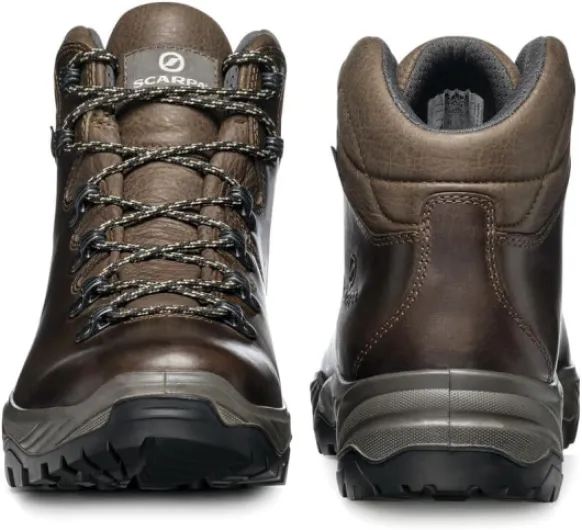
On the trail: support is solid, grip could be better in the wet
Out on actual trails, the Terra GTX behaves like a stable, supportive trekking boot. On rocky and uneven ground, the firm sole and PU midsole give good support. I didn’t feel sharp stones poking through, and my ankles felt nicely held on side slopes. There’s enough torsional stiffness that your foot doesn’t twist around, which is reassuring when carrying a pack. For long days on mixed terrain, that kind of stability is more useful than having a super soft, bouncy sole.
Where things get a bit more mixed is the grip of the Vibram XS Trek outsole. On dry dirt, gravel, and standard rocky paths, the traction is perfectly fine. The lugs bite well enough, and I didn’t feel like I was sliding around. On wet grass and damp soil, still okay – not spectacular, but controlled. The problem areas for me were smooth, wet rock and icy patches. On a wet stone slab crossing a stream, I felt the boot slip faster than some softer-rubber soles I’ve used. It didn’t send me flying, but it made me more cautious. A 1-star Amazon review basically slams the sole as plasticky and unsafe on wet, snow or ice; I wouldn’t be that harsh based on my use, but I do agree the compound feels harder and less confidence-inspiring on slick surfaces.
Waterproofing performance, on the other hand, has been very solid so far. I’ve walked through ankle-deep puddles (not over the top of the boot) and long stretches of soaked grass, and my socks stayed dry. No seepage at the flex points yet, which is usually where cheaper boots fail first. Of course, long-term waterproofness is something you only really judge after a year or more, but Gore‑Tex plus full-grain leather is usually a safe combo if you keep the leather treated.
For general hiking, hillwalking, and travel, I’d say the Terra GTX performs well. If most of your walking is on muddy paths, forest tracks, and rocky trails, they’ll handle it easily. If you expect to deal with a lot of smooth wet rock, regular snow or ice, I’d be more cautious. You can partly fix that with careful foot placement or even microspikes in winter, but it’s something to keep in mind when choosing. In short: performance is strong on support and waterproofness, decent on grip in most conditions, but not the best option for very slippery terrain.
What you actually get with the Scarpa Terra GTX
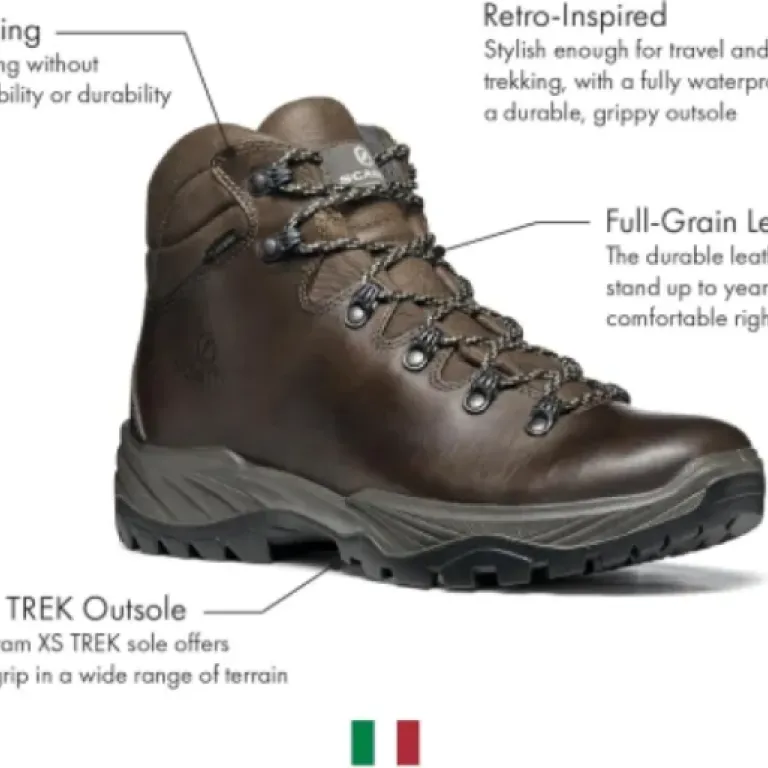
On paper, the Scarpa Terra GTX is a pretty straightforward product: full-grain leather upper, Gore‑Tex waterproof lining, Vibram XS Trek outsole, PU midsole, high-top cut, lace-up closure. Mine are the brown version in a UK 10.5/11, which corresponds roughly to EU 45.5. The boot is marketed as an everyday trekking and travel boot rather than a hardcore alpine boot, and that matches what I felt using them – they’re more for long hikes and backpacking than for crampons and serious mountaineering.
The weight is around 590 g per boot, which you do feel on the foot, but it’s not ridiculous. There’s no heel lift gimmick, no aggressive rocker shape, just a fairly classic hiking boot profile. The sole uses Vibram’s XS Trek compound, and the midsole is PU with direct attach construction, which usually means better durability than EVA but a slightly firmer feel. Inside there’s a basic nylon insole – nothing fancy, and honestly I swapped it out after a couple of walks for something with more cushioning and arch support.
The Gore‑Tex lining is the newer ePE PFAS-free version, so in theory you get the usual waterproofing and breathability without some of the older nasty chemicals. In practice, my feet stayed dry in wet grass, puddles, and a couple of shallow stream crossings, so the waterproof claim holds up so far. Breathability is okay for a leather boot with a membrane – not as airy as a mesh shoe, but I didn’t feel like my feet were boiling, even on a warmer day around 18–20°C with thick hiking socks.
So in plain terms, the Terra GTX is a traditional leather hiking boot with modern waterproofing and a decent sole, aimed at people who want one boot for trekking, hillwalking, and travel. No hidden tricks, no wild features. If you’re expecting ultra-light or trail-runner levels of flexibility, that’s not what this is. If you want a simple, robust boot with proper ankle coverage, that’s what you’re looking at here.
Pros
- Comfortable for a full-grain leather boot, with minimal break-in needed
- Tough leather upper and Gore‑Tex lining give solid waterproofing and durability
- Good support and stability on rocky, uneven terrain for long hikes
Cons
- Vibram XS Trek sole feels less secure on smooth wet rock, snow or ice
- Basic stock insole and average laces likely need replacing for best comfort and longevity
Conclusion
Editor's rating
After putting the Scarpa Terra GTX through mixed use, my overall take is that it’s a solid, no-nonsense leather hiking boot with good comfort and support, but not perfect grip in the wet. The boot feels well built, the leather upper is tough, and the Gore‑Tex lining has kept my feet dry so far. Comfort out of the box is better than most leather boots I’ve tried, especially once you drop in a better insole. For long days on trails, forest tracks and rocky paths, it does the job quietly and reliably.
Where it stumbles a bit is the outsole. The Vibram XS Trek sole is fine in most conditions, but on smooth wet rock, snow or ice, it doesn’t feel as secure as softer compounds. It’s not unusable, but you do need to be more careful. Given the price, that’s the main thing that stops me from rating it higher. So, who is this for? Hikers and trekkers who want a traditional leather boot for regular use, value durability and waterproofing, and mostly walk on typical trails and hill paths. Who should skip it? People who mainly hike on very slippery wet rock, icy ground, or who want a very light, trainer-like feel – they’ll likely be happier with a lighter, grippier boot or a trail shoe.