
Summary
Editor's rating
Value: are they worth the money?
Old-school look, practical layout
Comfort: straight out of the box and over long distances
Leather, Gore‑Tex and a sole that can take a beating
Durability: how well they hold up over time
Real-world performance: grip, waterproofing and long days
What you actually get for your money
Pros
- Comfortable straight out of the box with good ankle hold and decent toe room
- Leather, EVA midsole and OPTI-STUD sole give good mix of support, cushioning and grip
- Proven durability with some users getting thousands of miles from one pair
Cons
- Outsole lugs tend to clog with mud and need regular scraping
- Long-term waterproofing can drop off for heavy daily use despite Gore-Tex and waxing

Specifications
View full product page →| Brand | Berghaus |
Solid leather boots for real-world UK weather
I’ve been using the Berghaus Women’s Hillwalker II Gore‑Tex boots (chocolate, size 8 UK) for typical UK stuff: muddy dog walks, wet woodland trails, and a couple of long days in the Peaks. So this isn’t a lab test; it’s more “boots that get thrown on by the door and abused in the rain”. My usual size is 7.5–8 depending on brand, and my feet are slightly wide at the front with fairly skinny ankles.
What stood out first was how quickly they felt usable. Some full leather boots feel like bricks for the first week, but these were fine straight out of the box for a 5 km loop. I wouldn’t say they disappeared on my feet, but they didn’t shred my heels or crush my toes, which is already a win. Grip on wet paths and rocks has been pretty solid so far, and the sole feels cushioned enough that you don’t feel every stone through your foot.
I’ve had mixed experiences with so‑called waterproof boots in the past, so I paid attention to that. In light to medium rain and wet grass, my feet stayed dry. Standing in ankle‑deep water for a few minutes, they held up too. Where it gets more mixed is long hours in proper, all‑day soaking conditions – I’ll come back to that, because that’s where some other users are clearly seeing limits.
Overall, my first impression is that these are practical, no‑nonsense leather boots: not ultra-modern or super light trail runners, but more the type you buy and keep for years if they suit your feet. They’re not perfect and there are a couple of things that could be better, especially around mud clogging and long-term waterproofing, but for regular UK walking they do the job pretty well.
Value: are they worth the money?
In terms of value, I’d put the Hillwalker II in the “good but not dirt‑cheap” category. New, they usually sit at a mid-range price for leather Gore‑Tex boots. You’re paying more than for basic synthetic walking shoes, but less than for top‑end Italian leather models. For that, you get solid materials, a known brand, and a boot that – based on both my use and other reviews – can take a lot of mileage if you look after it.
One Amazon reviewer grabbed a “used – like new” pair at a discount (missing laces, apparently, but they arrived with tags and laces anyway) and was very happy. If you can find them discounted or in an outlet, the value becomes very strong. Even at full price, when you factor in that someone got around 5500 miles before needing a repair, the cost per mile is actually pretty low. For a more average user who maybe does a couple of hikes a month plus some wet‑weather walks, these should last long enough to feel like money well spent.
Where the value is a bit more debatable is if you’re mainly walking short, easy paths in dry weather. In that case, a cheaper, lighter shoe might make more sense, and you’d just be paying extra for Gore‑Tex and leather you don’t fully use. Also, if your main priority is absolute waterproofing in constant heavy rain, you might want to budget for either higher‑end boots or accept that after a lot of use, any membrane boot can start to let in some moisture.
Overall, I’d say value for money is good if you actually use them for what they’re built for: regular UK walking in mixed, often wet conditions. You get comfort out of the box, decent grip, solid durability, and a classic look that doesn’t date quickly. There are cheaper options, and there are fancier ones, but as a practical, everyday hiking boot, they sit in a pretty sensible sweet spot.
Old-school look, practical layout
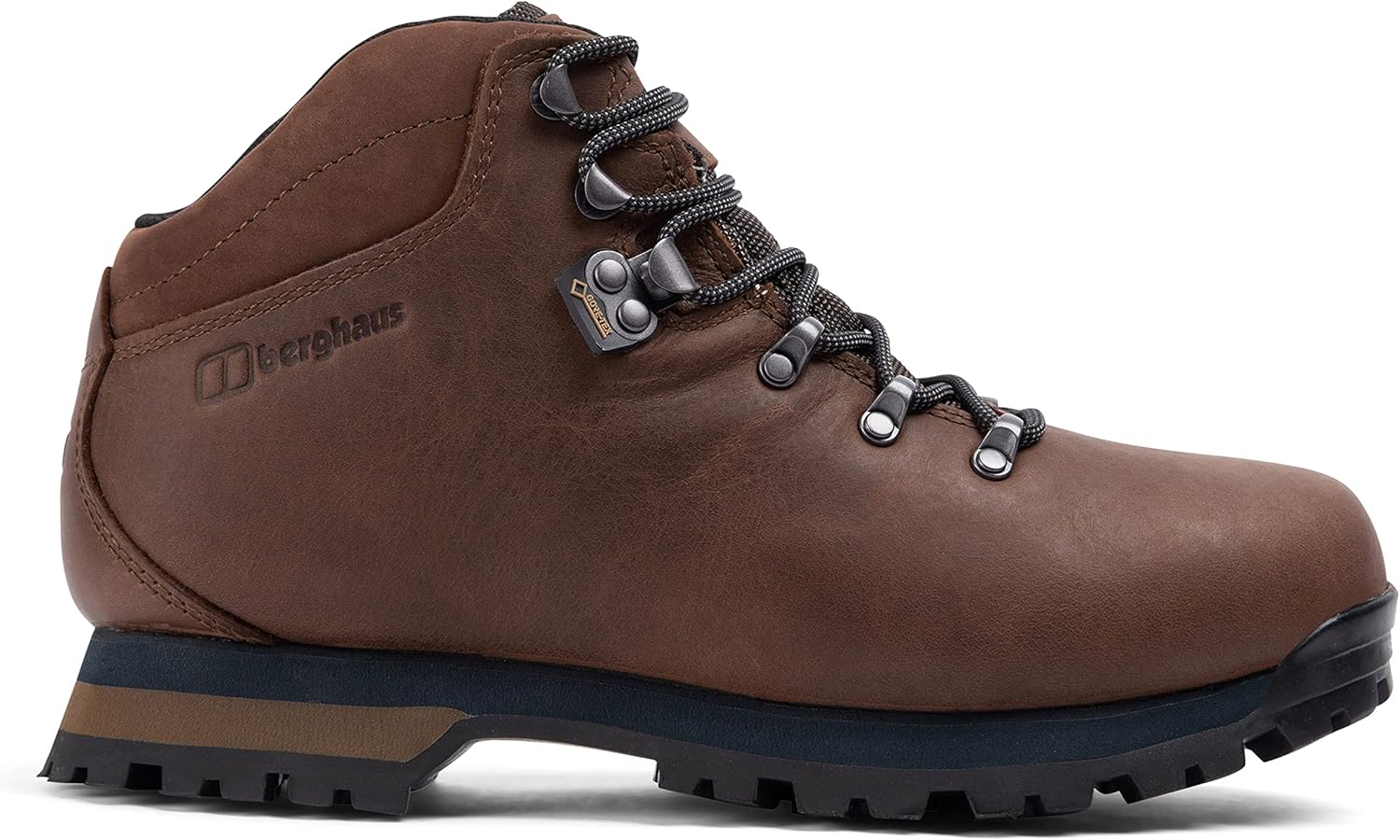
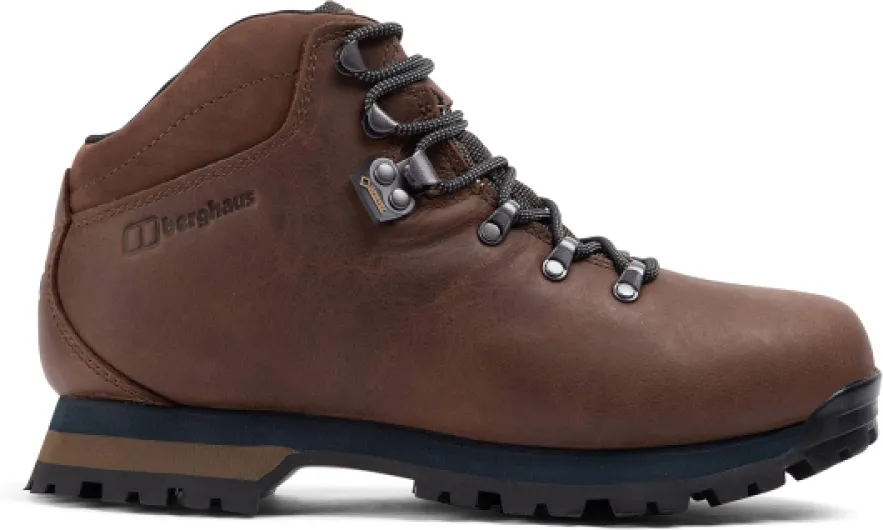
Design-wise, these are very classic leather hillwalking boots. The colour is called "chocolate", which basically means dark brown that hides mud and scuffs pretty well. If you’re into bright colours and modern mesh panels, this will feel a bit plain. Personally, I like that they just look like normal walking boots and not like trainers trying too hard. The suede has that slightly “antique” distressed effect out of the box, so the first scratches don’t stand out much.
The boot is ankle‑high with a 6.5 inch shaft circumference and a reasonably padded collar. The lacing is straightforward: standard eyelets lower down and hooks at the top. I didn’t have issues getting a snug fit around the ankle, and I have quite narrow ankles. That matches what one reviewer said – they felt nicely snug without needing to crank the laces super tight. The tongue is gusseted high enough that puddle splashes and light stream crossings don’t flood straight in, as long as you don’t go over the top.
Visually, there aren’t many seams, which I like for two reasons: fewer potential leak points, and it looks cleaner. One reviewer also mentioned "very few seams" as a plus, and I agree – it’s easier to wax and maintain one big leather panel than lots of stitched bits. The plain toe is useful too: nothing to catch on rocks, easy to clean, and it doesn’t scream “technical mountaineering boot” when you wear them to the shops after a walk.
If I had to nitpick the design, I’d say the outsole pattern is a bit of a double-edged sword. The OPTI‑STUD layout grips well (I’ll get to that in performance), but the studs and gaps do pick up mud, just like that one reviewer said. After a muddy field, I often need to knock the boots together or scrape the soles on a step to get the mud out. So from a design point of view: clean, traditional, practical, but not the easiest to keep mud‑free under the sole.
Comfort: straight out of the box and over long distances
Comfort is where these boots do quite well. I wore them straight out of the box for a 5 km walk on mixed terrain – pavements, wet grass, a bit of rocky path – and didn’t get any blisters or hot spots. That’s not always the case with leather boots. The memory foam in the heel and tongue actually does something: it fills the gap around the ankle and stops that loose, rubbing feeling you get with some stiffer models. I never had to crank the laces so tight that my foot went numb just to keep my heel in place.
Width-wise, I’d call them medium, maybe very slightly on the generous side in the forefoot. That lines up with the reviewer who has Morton’s neuroma and said the width and leather “give” worked for them. If you’ve got very wide feet, you still might need to size up or look at wide-fit brands, but for average to slightly wide feet, these are comfortable. Toe box height is decent too – I could wiggle my toes with thick socks on, and on downhill sections I didn’t feel them slamming into the front.
Underfoot cushioning is good for a proper hiking boot. The EVA midsole and insole combo takes the edge off long days. I did a roughly 18 km day in them and, while my legs were tired, my feet weren’t wrecked. That’s in line with the dog walker review who does 8–12 miles a day: they did go through a couple of insole replacements, but that’s normal with that kind of mileage. If you like more arch support, you may want to swap the insole for something more structured – the stock one is fine but basic.
Temperature-wise, they’ve been fine in cool to mild conditions. I haven’t tested them in proper summer heat, but with Gore‑Tex and leather, don’t expect them to feel airy like trail runners. For most UK weather (spring, autumn, winter), they’re comfortable. Breathability is decent for a waterproof boot, but if your feet run very hot, you’ll still get some sweat. Overall, day‑one comfort is strong, and they stay comfortable over distance, which is more than I can say for a lot of cheaper trekking boots I’ve tried.
Leather, Gore‑Tex and a sole that can take a beating
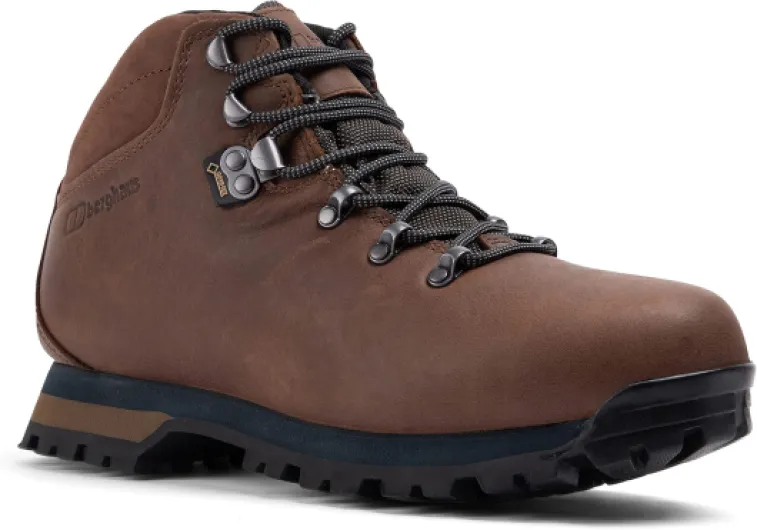
The main materials here are pretty straightforward: oiled suede leather upper, Gore‑Tex performance comfort membrane, EVA midsole, and a rubber OPTI‑STUD outsole. Inside you’ve got a manmade insole and standard textile lining. No fancy knit uppers or recycled gimmicks – this is more traditional kit. The leather feels reasonably thick but not like a stiff mountaineering boot. After a few walks and a bit of flexing by hand, it softened up nicely without feeling flimsy.
The Gore‑Tex membrane is the usual selling point. In practice, that means the boot shell itself can get soaked, but your socks should stay dry as long as the water doesn’t go over the top or in via the tongue. On my side, wet grass, light rain, and shallow puddles have been fine. I deliberately walked through a few streams up to just below the lacing hooks and stood there for a minute or two: my feet stayed dry. However, one long-term reviewer clearly had issues with waterproofing over time, even with regular g‑wax. That tells me the membrane or seams can eventually give up if you hammer them daily in heavy rain.
The sole unit is a mix of EVA midsole for shock absorption and a fairly chunky rubber outsole. EVA is standard in running shoes and many hiking boots; it’s there to soak up impact. On stony tracks I could feel that working – you don’t get that sharp jab through your heel every time you land on a loose rock. The rubber itself feels tough, and that 5500‑mile review backs that up: leather still good, soles still going, only the heel lining wore out. That’s consistent with what I’d expect – internal lining often goes before the outsole on daily‑use boots.
Overall, the materials feel built for regular outdoor use, not fashion. The leather benefits a lot from proper care: cleaning off mud, letting them dry naturally, and applying wax or conditioner. If you’re the type to leave boots muddy in a hallway for weeks, any leather boot will punish you. Treat them decently and the leather and sole combo here should last a good while, especially if you’re more of a weekend walker than a 10‑miles‑a‑day dog professional.
Durability: how well they hold up over time
Durability is where these boots look pretty good, especially for the price bracket. I haven’t had them for years yet, but I’ve put enough miles on them to see how they’re aging, and I’ve paid attention to long-term user reviews. My pair so far shows minor scuffing on the leather and some cosmetic marks, but the stitching is solid, the sole is barely worn, and the ankle padding hasn’t collapsed. After cleaning and a bit of wax, they still look decent enough to wear to the pub after a walk.
The standout durability story is that dog walker who clocked roughly 5500 miles in 1.5 years. They replaced insoles twice (normal) and eventually the lining at the back of the heel wore through and the foam came out. That’s exactly where I’d expect wear if you’re doing 8–12 miles a day: constant friction on the heel cup. The important part is that they said the soles and leather were still in good condition, and they even had the boots repaired instead of binning them. That’s a strong sign that the core construction holds up well under heavy use.
On the flip side, the reviewer who complained about waterproofing after 1200+ km also said the boots were still comfortable and not showing much external wear apart from scuffing. So even where the Gore‑Tex performance seems to taper off, the physical structure of the boot still holds. That suggests the weak point over very long use might be the membrane or seam sealing, not the leather or sole.
If you’re an occasional hiker – say, a few weekends a month plus some holidays – these could easily last you several years with basic care: cleaning mud off, drying them away from radiators, and using wax or conditioner. If you’re hammering them daily in all weathers, expect to eventually see wear inside the heel and possibly some drop in waterproofing, but that’s standard for any boot. Overall, durability for the price is pretty solid, especially if you’re willing to do the odd bit of maintenance or repair rather than treating them as disposable.
Real-world performance: grip, waterproofing and long days
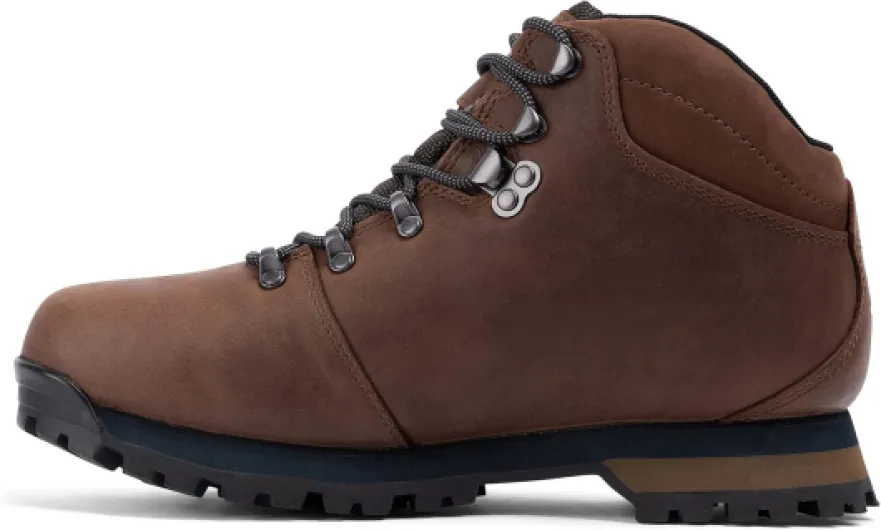
On the trail, the grip is pretty solid. The OPTI‑STUD outsole bites well on wet rock, compacted mud, and gravel tracks. I didn’t feel like I was skating around, even on greasy paths after rain. One reviewer also mentioned good grip in wet, dry and snowy conditions, which matches my experience on damp rock and wet grass. On ice, nothing short of spikes is reliable, and that reviewer said the same: these are no miracle on sheet ice, but that’s normal.
Waterproofing is where the picture is a bit mixed. In my testing – a couple of hours in steady rain, walking through wet fields, and standing briefly in shallow streams – my feet stayed dry. The Gore‑Tex membrane did its job, and the leather, treated with wax, beaded water pretty well. However, one user who has done over 1200 km said they were “far from waterproof” despite using g‑wax regularly. Another long-term user (around 5500 miles) said they “never got wet feet”. That tells me waterproof performance is good initially and can stay good if you’re lucky, but some pairs or heavy daily use might push the membrane or seams past their limit.
Shock absorption and support are strong points. The EVA midsole handles rocky, stony tracks nicely, and my knees definitely noticed the difference compared to cheaper, flatter boots. On descents, the ankle support feels stable without being brick‑stiff, which is good if you’re on uneven ground a lot. I wouldn’t use these for scrambling or very technical stuff, but for UK hills, long dog walks, and general hiking, they feel stable and predictable.
The main performance downside is mud retention. The cleats on the sole pick up and hold mud quite well, as one reviewer mentioned. After a muddy field, I had to kick them against a post or scrape them on a step to get the worst off. It’s more annoying than dangerous, but if you walk in sticky clay a lot, expect to be cleaning the soles fairly often. Overall, though, performance is reliable and consistent: good grip, good comfort over distance, and waterproofing that’s solid to start with, but may depend on use and maintenance in the long run.
What you actually get for your money
On paper, the Hillwalker II ticks most of the boxes people look for in a British walking boot. You get a full leather (oiled suede) upper, a Gore‑Tex membrane, and Berghaus’s OPTI‑STUD rubber outsole. They’re ankle‑high with a plain toe, flat heel, and pretty standard lace‑up system. Nothing flashy, just a traditional hiking boot layout. My pair came in the usual Berghaus box, paper stuffed inside, and a basic tag with care instructions and the Gore‑Tex label.
The size 8 feels true to size lengthwise. I can fit a thicker hiking sock and a thin extra insole without feeling squeezed, but if you like big, cushy aftermarket insoles, I’d copy that Amazon reviewer and consider going half a size up. Weight-wise, they don’t feel heavy on the feet. The spec gives around 1022 g for a UK 6 pair, so an 8 is a bit more, but still lighter than some old-school leather boots I’ve used. I could wear them all day without that clunky, dragging feeling.
Inside, you get removable, anti‑microbial footbeds. They’re not fancy, but they’re easy to pull out to dry or replace, which is handy if you’re using them daily like a dog walker. There’s memory foam around the heel and tongue, which I did notice: it helps the boot hug the ankle without needing to lace them painfully tight. The lining is described as a “cold lining”, but in practice it just feels like a normal fabric lining over the Gore‑Tex.
In terms of positioning, they’re clearly aimed at people who do a lot of walking in mixed conditions – think UK hills, wet paths, and long dog walks – rather than technical alpine stuff. The Amazon rating of 4.5/5 with quite a few reviews, plus that user who got 5500 miles out of them, tells me they’re not some random fashion boot pretending to be outdoor gear. They sit in that mid-range price bracket: not cheap, not premium Italian leather money either. On paper, you’re paying for durability, waterproof membrane, and a fairly classic design that should last if you look after the leather.
Pros
- Comfortable straight out of the box with good ankle hold and decent toe room
- Leather, EVA midsole and OPTI-STUD sole give good mix of support, cushioning and grip
- Proven durability with some users getting thousands of miles from one pair
Cons
- Outsole lugs tend to clog with mud and need regular scraping
- Long-term waterproofing can drop off for heavy daily use despite Gore-Tex and waxing
Conclusion
Editor's rating
After using the Berghaus Women’s Hillwalker II Gore‑Tex boots in typical British conditions – wet fields, muddy tracks, stony paths – I’d sum them up as solid, comfortable leather boots that do the job without fuss. They’re comfy straight out of the box, have good grip on most surfaces, and the combination of leather, EVA midsole and Gore‑Tex makes them well suited to real-world walking rather than just looking outdoorsy. The fact that some people have put thousands of miles on them and still kept them going with minor repairs says a lot about the basic build quality.
They’re not perfect. The soles pick up mud, and the long-term waterproofing seems to depend a bit on how hard you use them and how lucky you are with the membrane. If you’re out all day, every day in heavy rain, you might eventually see some leaks and wear in the heel lining. But for most walkers – weekend hikers, dog owners, people who go to the hills regularly but not obsessively – they’re a pretty safe, practical choice that feels good on the foot and holds up well with basic care.
I’d recommend these to anyone who wants a traditional leather hiking boot that’s comfortable from day one, handles UK mud and rain, and doesn’t feel like a brick on your feet. If you mainly walk in dry conditions, or you want ultra‑light trail shoes, look elsewhere. If you want bombproof, technical mountain boots for heavy loads and scrambling, also look elsewhere. But for everyday walking, hill days, and long dog walks, they get the job done and feel like money reasonably well spent.