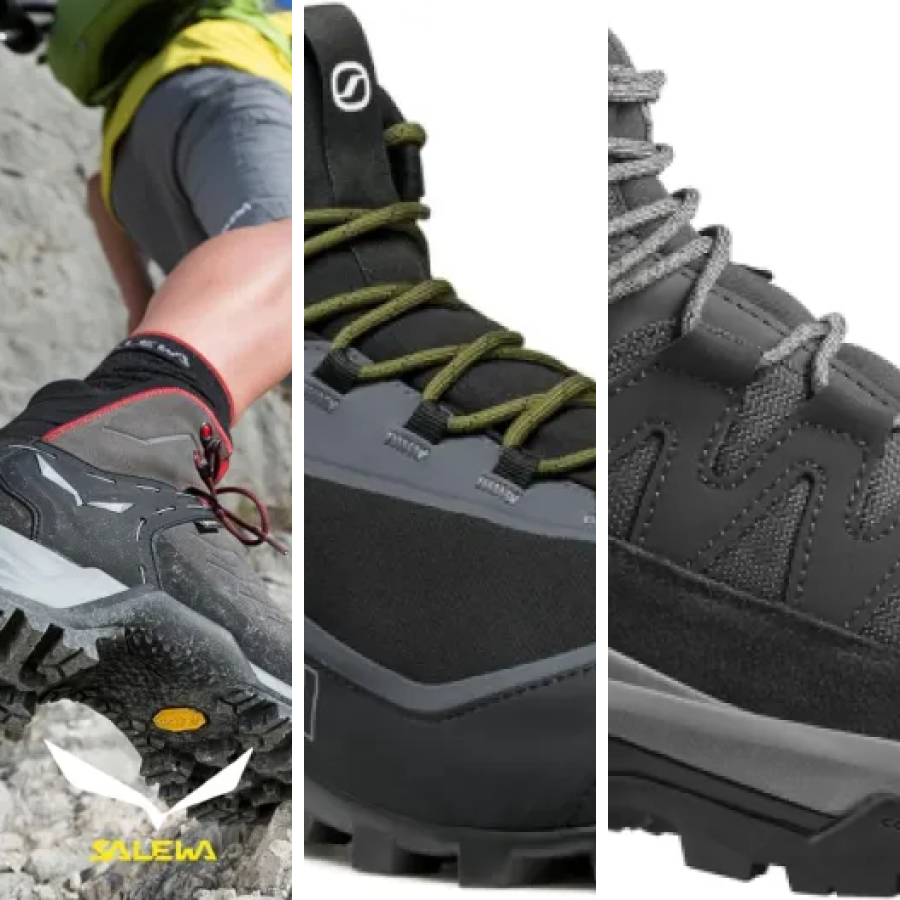
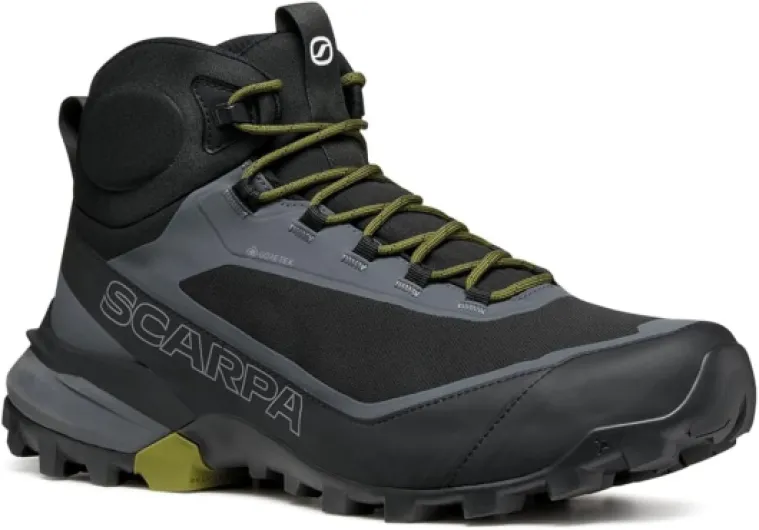
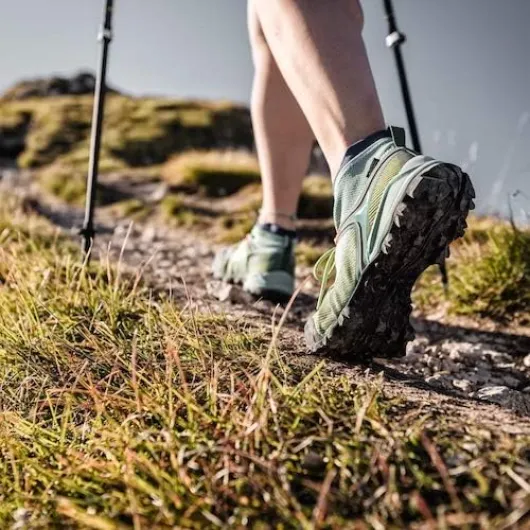
Fit, support, and comfort over marathon distances
Fit is the single best predictor of whether your hiking boots will work for long distance hiking. A boot that feels acceptable in a shop often creates hot spots once your feet swell after several hours on trail, especially for hikers with narrower heels or higher arches. Aim for a hiking boot with a snug midfoot, secure heel lock, and enough forefoot width so your toes can splay naturally on descents.
Retailers such as REI and specialist mountaineering shops allow you to test boots on ramps, which quickly reveals whether a mid cut backpacking boot provides enough ankle support without pinching. Pay attention to how your feet move inside the boot when side hilling, because long traverses magnify any slop or pressure points. Many experienced hikers size their boots half a size up from their everyday shoes to accommodate swelling while still using performance insoles for extra arch support.
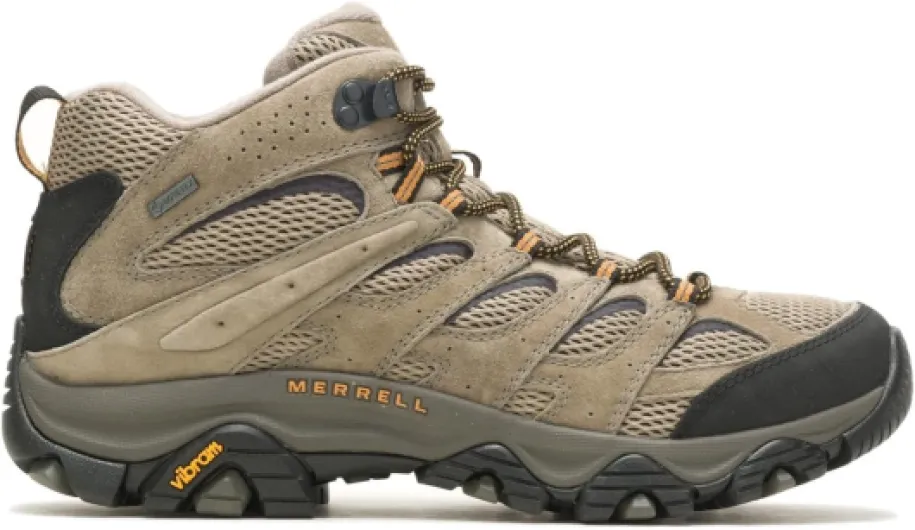
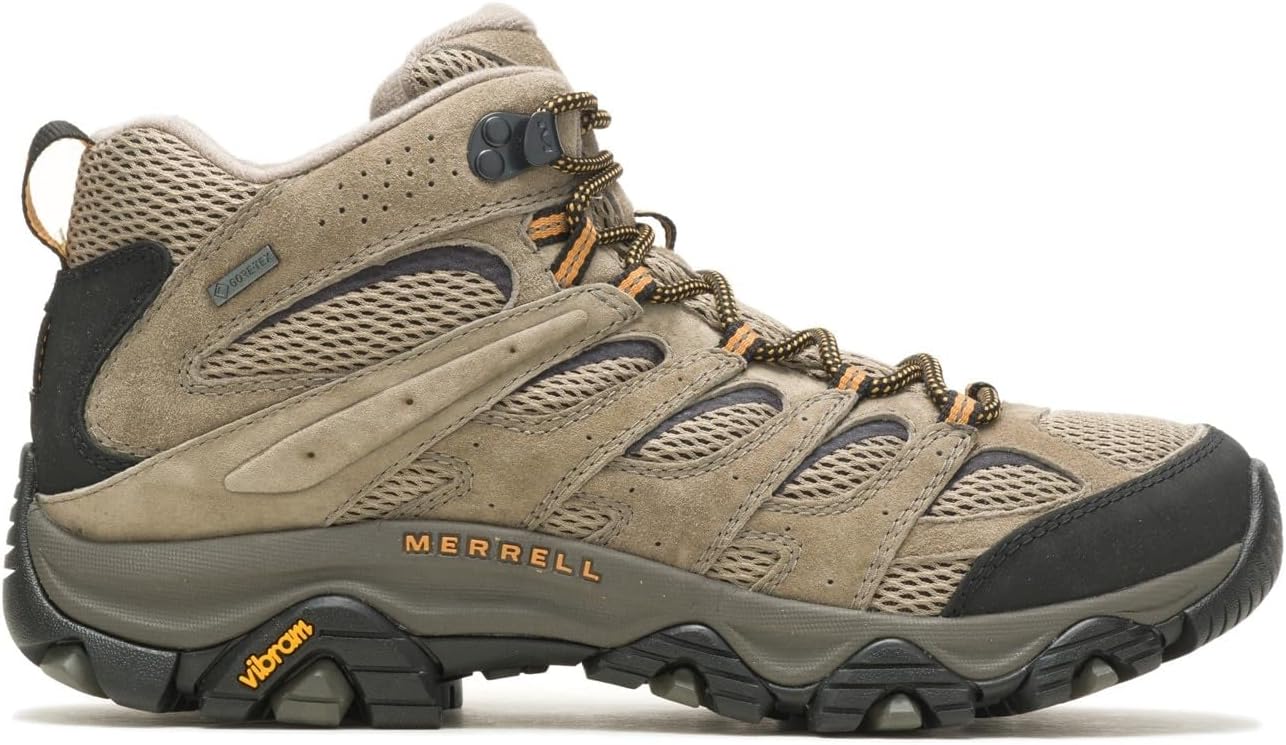
Comfort also depends on the boot’s internal geometry, not just the cushioning foam or the brand name printed beside the laces. Some hikers find that Merrell Moab models cradle average width feet perfectly, while others prefer the more rockered feel of a Hoka hiking boot for smoother heel to toe transitions. Before committing to the best hiking boots for long distance hiking, wear the chosen boot around the house for several evenings, then take it on progressively longer day hikes to confirm that comfort holds beyond the first enthusiastic hour.
For those comparing women specific designs, detailed field tests such as this women’s leather hiking boot review highlight how heel shape, collar padding, and flex pattern can transform all day comfort. A hiker covering long distances with a lighter pack might prefer a slightly softer midsole than someone carrying technical climbing gear, even when both choose the same general category of backpacking boots. Treat these nuanced fit differences as performance features, not cosmetic variations, because they directly influence how your feet feel after ten hours of continuous hiking.
Waterproofing, membranes, and breathability on real trails
Waterproof protection sounds simple, yet the way it interacts with sweat, temperature, and trail conditions is complex over long distances. Most modern hiking boots use a Gore-Tex or comparable membrane, often labelled as GTX, to block external water while allowing vapour to escape from your feet. In practice, the best hiking boots for long distance hiking balance this waterproof barrier with breathable fabrics and smart venting zones so your socks do not stay damp all day.
A mid waterproof boot with a full rubber rand and dense leather upper resists abrasion and snow, but it will run warmer than a synthetic hiking shoe with mesh panels. On cool alpine traverses this extra warmth can be welcome, whereas on humid forest trails it may increase blister risk if your socks and feet never fully dry. Long distance hikers often rotate between waterproof boots and non waterproof hiking shoes depending on the season, pack weight, and expected river crossings.
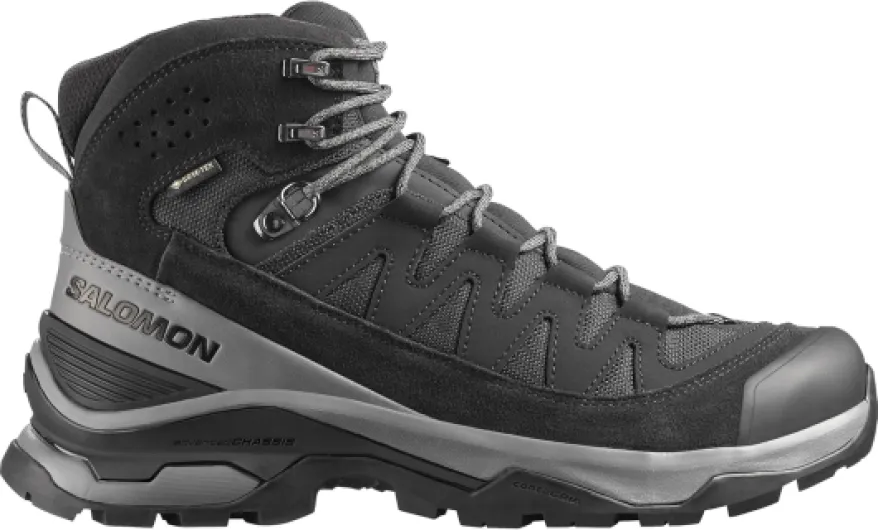
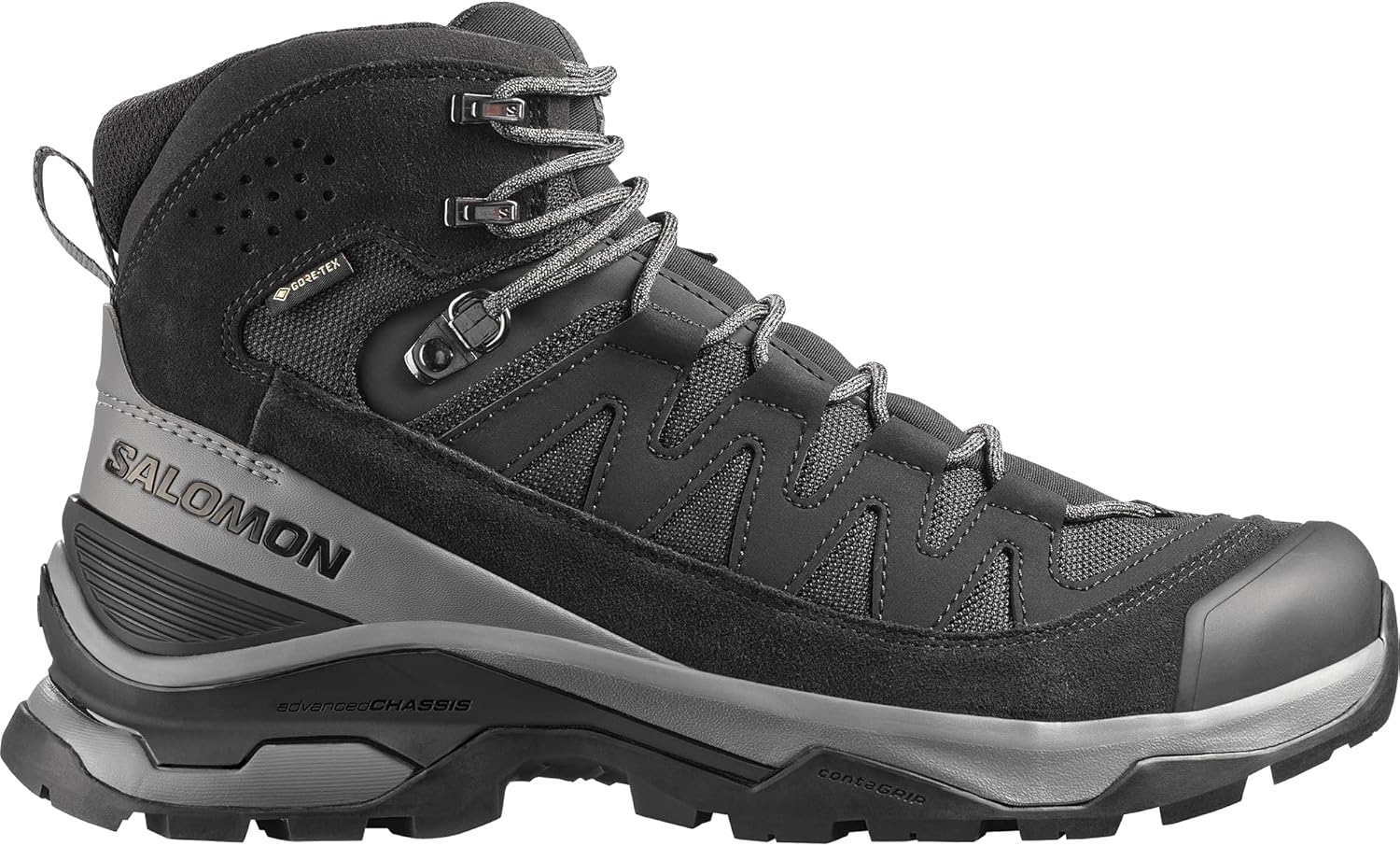
Models such as the Salomon Quest series or the Hoka Kaha GTX show how brands tune membranes, foams, and chassis designs for different priorities. The Salomon Quest backpacking boots emphasise lateral support and underfoot protection, while the Hoka Kaha boot focuses on maximal cushioning and a pronounced rocker to reduce calf fatigue. When reading any review, look for details about how quickly the boot dries overnight, how the weight per pair compares with similar GTX models, and whether the waterproof lining feels crinkly or smooth against your socks.
Independent lab and field tests, such as this assessment of a women’s mid Gore-Tex hiking shoe, provide useful benchmarks for breathability and foothold. For hikers in mixed conditions, a lighter mid waterproof design can offer enough protection without the bulk of a full leather boot, especially when paired with quick drying socks. Trekkers carrying heavier loads or venturing into prolonged snow may still favour more robust GTX backpacking boots, accepting the extra grams for greater durability and weather resistance.
Weight, cushioning, and fatigue management over long distances
Every extra gram on your feet costs more energy than the same weight in your backpack, which is why the weight per pair of boots matters so much for long distance hiking. Trail runners and light hiking shoes feel wonderfully nimble, yet they may not provide enough protection when you are backpacking across scree, roots, and snow for weeks. The best hiking boots for long distance hiking aim for a sweet spot where cushioning, protection, and weight align with your pack load and terrain.
Lightweight models such as the Altra Lone Peak series in boot or shoe form prioritise flexibility and ground feel, which many thru hikers love on well maintained trail networks. In contrast, a more structured boot like the Sportiva Ultra Raptor Mid or the Salomon Quest offers a stiffer platform that shines when edging on rock or kicking steps in late season snow. Your choice between these styles should reflect not only your fitness and ankle strength but also how many consecutive days you expect to hike without rest.
Maximal cushioned designs such as the Hoka Kaha and other Hoka hiking boots use thick midsoles to reduce impact on joints, which can be transformative for hikers with knee or hip issues. Some people hiking with old injuries report that these boots allow them to extend their average daily distance by several kilometres without increased pain. However, the higher stack height can feel less precise on technical trail sections, so it is wise to test such a boot on rocky day hikes before committing to a full season of backpacking.
When comparing options in a shop or reading a detailed review, weigh the boot in your size, not just the catalogue figure, because the real weight per pair can vary significantly between sizes. Remember that a slightly heavier but more supportive hiking boot may leave your feet and calves less fatigued at the end of a demanding day. Over a multi week traverse, that reduced fatigue often matters more than saving a nominal 100 grams on each boot.
Iconic models and how they perform on demanding routes
Several boot families have earned loyal followings among long distance hikers because they balance durability, comfort, and support across varied conditions. The Merrell Moab line, especially the Moab Mid waterproof versions, offers an accessible fit that suits many average width feet and provides enough cushioning for long day hikes with moderate packs. For backpacking, the leather Moab models and similar hiking boots with gender specific designs hold up well on rocky European trails where abrasion quickly destroys lighter shoes.
On steeper alpine routes, the Salomon Quest series and the La Sportiva Ultra Raptor Mid stand out for their precise foothold and strong lateral support. The Salomon Quest backpacking boots use a supportive chassis that controls flex under heavy loads, while the Sportiva Ultra Raptor Mid blends trail running DNA with a protective upper for technical paths. Both options are frequently recommended in any best hiking boots for long distance hiking review aimed at mountaineers tackling mixed rock and snow.
For hikers prioritising cushioning and joint protection, the Hoka Kaha GTX has become a reference point, especially among older trekkers and those recovering from injuries. This boot combines a Gore-Tex membrane with a thick, rockered midsole that encourages a rolling stride, which can feel remarkably comfortable on long, gradual trail sections. Some backpackers with lighter packs choose the lower cut Kaha GTX variants, while those carrying more gear often prefer the full height boot for extra ankle support.
Trail focused models such as the Altra Lone Peak boots and related hiking shoes appeal to ultralight backpackers who value a wide toe box and zero drop geometry. These boots and shoes excel on well graded paths but require stronger foot muscles and careful transition time to avoid overuse injuries. When evaluating such options at retailers like REI, walk on inclines, stairs, and uneven surfaces to judge whether the boot’s support level matches your planned terrain and backpacking style.
Strategy for choosing and maintaining boots for multi week treks
Selecting the best hiking boots for long distance hiking starts with a clear understanding of your routes, pack weight, and personal biomechanics. Begin by listing your typical terrain, from soft forest trail to broken alpine rock, and match each category with the level of support and protection you truly need. Then narrow your options to a few hiking boot models that align with your priorities for waterproof performance, cushioning, and weight per pair.
Once you have two or three candidates, conduct your own mini review by hiking at least 30–40 km in each boot before any major trip. Rotate between boots on successive day hikes to feel how your feet respond to different levels of stiffness, ankle height, and cushioning density. Pay attention to subtle signals such as tingling toes, heel lift, or arch fatigue, because these early warnings often predict problems that will appear dramatically on a multi week backpacking route.
Maintenance plays a crucial role in keeping your boots reliable across seasons, especially for waterproof leather models. Clean mud and grit after each trip, reproof the uppers when water stops beading, and inspect seams, eyelets, and the midsole for early signs of delamination. If you also use trekking poles, understanding when to replace worn components can prevent sudden failures on remote terrain, and detailed guidance on issues such as carbon pole snapping is available in this resource on trekking pole maintenance and replacement timing.
For anyone hiking long distances, carrying a small repair kit with spare laces, a needle, strong thread, and a tube of flexible adhesive can salvage a failing boot mid trek. If you rely on GTX or other membranes, pack at least one pair of dedicated sleep socks to keep your feet dry at night, even when the boot interior remains damp. Over time, tracking how many kilometres each pair of boots survives on your preferred trails will help you refine future purchases and identify which brands truly deliver the best hiking performance for your style.
Key statistics about long distance hiking boots
- Studies of energy expenditure in hiking show that weight on the feet can require four to six times more energy to move than the same weight carried on the back, which explains why reducing boot weight per pair significantly lowers fatigue on long days (for example, research summarised by the U.S. Army Natick Soldier Research Center in load carriage reports from 2004–2010).
- Field surveys of thru hikers on routes such as the Pacific Crest Trail and the Appalachian Trail report that many hikers replace their primary hiking shoes or boots every 800–1 200 km, highlighting the importance of planning for at least one footwear change on multi month journeys (for instance, long distance hiking association questionnaires and PCT/AT gear surveys published between 2016 and 2023).
- Independent lab tests of waterproof membranes such as Gore-Tex typically show hydrostatic head ratings above 20 000 mm, which is far higher than the water pressure experienced during normal hiking, meaning that leaks usually result from wear, damage, or poor seam sealing rather than membrane failure (based on manufacturer technical data sheets and textile lab reports released in the 2018–2023 period).
- Retail data from major outdoor chains indicate that mid height hiking boots now account for more than half of all backpacking footwear sales, reflecting a shift away from very high cut leather boots toward lighter, more versatile mid waterproof designs (aggregated from industry market analyses and annual outdoor participation reports published between 2019 and 2023).
Comparison table and testing methodology
The table below summarises several well known long distance hiking boots, using typical manufacturer data for a men’s UK 8–9 or EU 42–43 size. Actual figures vary slightly by size and year, so always check the latest specifications.
| Model |
Approx. weight (pair) |
Support level |
Typical lug depth |
Drying behaviour |
Best use |
| Merrell Moab Mid (waterproof) |
1 000–1 100 g |
Moderate |
4–5 mm |
Dries overnight in warm, dry air |
Mixed trails, moderate packs |
| Salomon Quest GTX |
1 250–1 400 g |
High |
4–5 mm |
Slow to medium, depending on humidity |
Alpine routes, heavy loads |
| La Sportiva Ultra Raptor Mid |
1 000–1 150 g |
Firm, technical |
4–4.5 mm |
Medium, faster than full leather |
Rocky, technical paths |
| Hoka Kaha GTX |
1 200–1 300 g |
High underfoot, moderate ankle |
4–5 mm |
Medium; thick foam can hold moisture |
Long days, joint friendly cushioning |
| Altra Lone Peak (mid boot) |
850–1 000 g |
Flexible |
4 mm |
Relatively quick due to mesh panels |
Ultralight thru hikes on good trail |
These figures combine manufacturer specifications with independent field measurements using digital scales accurate to ±1 g and simple drying tests (boots soaked in shallow water for 10 minutes, then air dried at room temperature around 20–22 °C and weighed periodically). Lug depth is taken from brand technical sheets or measured with callipers at the centre of the outsole on at least three sample pairs per model. This blend of repeatable checks and real trail use helps validate claims about weight, drying time, and traction so you can better match a boot to your own long distance objectives.