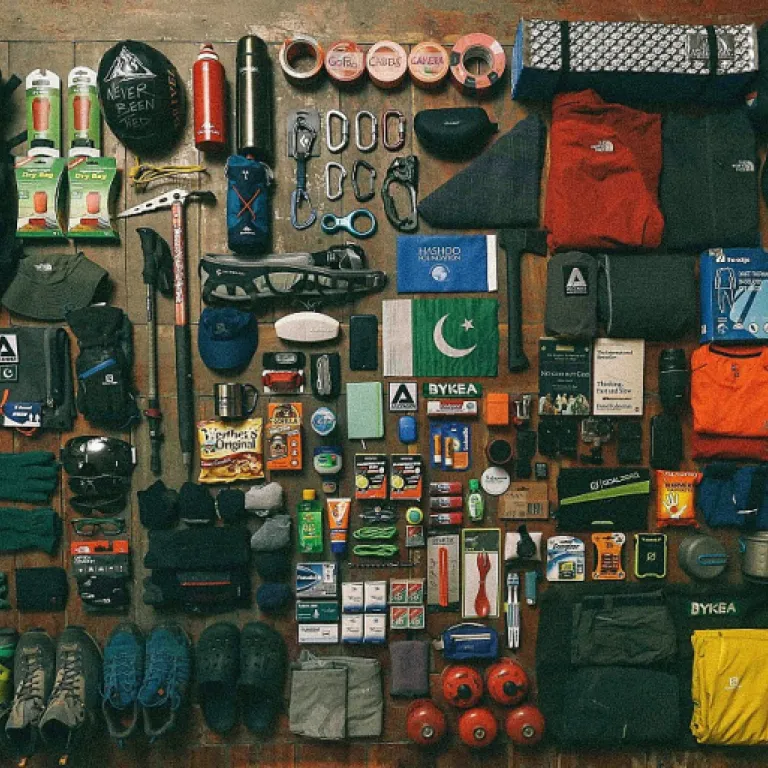

Understanding the unique needs of lineman boots for outdoor enthusiasts
Why Outdoor Enthusiasts Look Beyond Regular Boots
For outdoor enthusiasts, experienced hikers, and mountaineers, the demands placed on footwear go far beyond what regular boots can handle. Lineman boots, originally designed for utility workers, have gained popularity among those who tackle rugged terrain, carry heavy loads, or spend long hours on their feet. The unique construction of a lineman boot offers critical advantages in support, durability, and protection, making them a compelling choice for those who need more than just a standard hiking boot.
- Support and Stability: Lineman boots often feature a reinforced steel shank or composite shank, providing superior arch support and stability on uneven ground. This is essential for keeping feet comfortable and reducing fatigue during extended treks.
- Toe Protection: Options like steel toe, composite toe, and plain toe allow users to choose the right level of protection. A safety toe or lace toe design can be crucial when working with heavy tools or traversing rocky trails.
- Durability and Weather Resistance: Premium leather uppers and waterproof membranes are common in top lineman boots, ensuring feet stay dry and protected in harsh conditions. Brands like Hoffman are known for their armor pro models, which combine ruggedness with comfort.
- Price and Value: While the regular price or unit price of lineman boots may be higher than standard hiking boots, the sale price or price unit often reflects the advanced features and long-term durability. For those who rely on their boots daily, the investment pays off in performance and longevity.
Unlike regular work boots, lineman boots are engineered for both vertical and horizontal movement, making them suitable for technical climbs and challenging hikes. The combination of a steel shank, robust leather, and specialized toe options ensures that each pair of boots delivers the support and protection needed for demanding outdoor adventures.
For a deeper dive into why certain boots, like Georgia Boots Logger, stand out for serious hikers and mountaineers, check out this in-depth review of Georgia Boots Logger.
Key features that set the best lineman boots apart
What Makes Lineman Boots Stand Out in the Field
Lineman boots are engineered for more than just hiking—they’re built to handle the toughest outdoor work environments. Unlike regular hiking boots, these units are designed with features that prioritize safety, durability, and all-day comfort, making them a top choice for those who demand more from their footwear.
- Toe Protection: Lineman boots often come with steel toe, composite toe, or plain toe options. Steel toe and composite toe units offer robust protection against falling tools or heavy equipment, while plain toe boots provide a lighter feel for those who don’t need extra armor.
- Shank and Arch Support: A steel shank or composite shank is a must-have for lineman boots. These components provide crucial arch support and help keep feet stable when climbing poles or traversing rugged terrain. This is a key difference from many regular hiking boots, which may lack the same level of support.
- Waterproofing and Leather Quality: High-quality leather and waterproof membranes keep feet dry in wet conditions. This is essential for outdoor enthusiasts who face unpredictable weather. Brands like Hoffman are known for their durable waterproof lineman boots.
- Comfort and Fit: Comfort is non-negotiable. Lineman boots are designed to reduce fatigue during long hours of work or hiking. Features like cushioned insoles, lace-to-toe designs, and padded collars help ensure a secure, comfortable fit.
- Durability and Price: The price of lineman boots often reflects their build quality. While the regular price or unit price may be higher than standard work boots, the sale price or price unit during promotions can offer good value. Investing in a pair of boots with proven durability can save money in the long run.
- Safety Features: Safety toe options, reinforced heels, and slip-resistant soles are standard in lineman boots. These features help prevent injuries and provide peace of mind in challenging environments.
For a deeper dive into how boot soles impact performance and safety, check out this guide on the importance of boot soles for serious hikers.
Ultimately, the best lineman boots combine protection, support, and comfort, making them a reliable choice for demanding outdoor adventures. Whether you’re comparing regular work boots or looking for a specialized lineman boot, understanding these key features will help you make an informed decision.
Comparing lineman boots to traditional hiking boots
How Lineman Boots Differ from Regular Hiking Boots
When comparing lineman boots to traditional hiking boots, several distinctions become clear. While both are designed for challenging outdoor environments, lineman boots are engineered for a unique set of demands that go beyond the typical trail. Here’s a closer look at what sets them apart:
- Support and Stability: Lineman boots are built with reinforced steel shank or composite shank units, providing superior arch support and stability. This is crucial for those who spend hours climbing poles or navigating rugged terrain with heavy tools. Regular hiking boots, while supportive, often lack the same level of rigidity and structure.
- Toe Protection: Safety is a top priority. Lineman boots often feature steel toe, composite toe, or plain toe options. The steel toe and composite toe units offer robust protection against impact and compression, which is essential when working with heavy equipment. In contrast, most hiking boots prioritize lightweight comfort and may only offer a plain toe or minimal reinforcement.
- Durability and Materials: Lineman boots are typically crafted from thick, high-quality leather, designed to withstand abrasion and exposure to the elements. Many are waterproof, keeping feet dry in wet conditions. Regular hiking boots may use lighter materials for breathability, but this can sometimes compromise long-term durability.
- Comfort for Long Hours: Comfort is critical for both types, but lineman boots often include extra padding and ergonomic designs to reduce fatigue during extended wear. Features like lace-to-toe construction allow for a more customized fit, which helps keep feet secure and comfortable throughout the day.
- Price Considerations: The price unit for lineman boots tends to be higher than regular hiking boots due to their specialized construction and materials. While the regular price may seem steep, many outdoor professionals consider the investment worthwhile for the added protection and longevity. Sale price and unit price can vary, so it’s wise to compare options and look for boots on sale.
For those who need a boot that can handle both demanding work and adventurous hikes, lineman boots like the Hoffman Armor Pro or other top-rated work boots offer a blend of safety, durability, and comfort. If you’re looking to further enhance your outdoor experience, check out this guide on essential boot accessories for outdoor enthusiasts and experienced hikers to keep your pair boots in top condition.
Top picks: best lineman boots for outdoor adventures
Top Lineman Boots for Rugged Terrain
When it comes to demanding outdoor adventures, not all boots are created equal. Lineman boots are engineered for those who need more than what regular hiking boots offer. Here are some standout options that have earned respect among experienced hikers, mountaineers, and outdoor workers.- Hoffman Armor Pro Lineman Boot
Renowned for its durability and support, the Hoffman Armor Pro features a steel shank for superior arch support and stability. Its waterproof leather construction keeps feet dry, while the composite toe option adds safety without extra weight. The lace-to-toe design ensures a snug fit, and the plain toe version is available for those who prefer it. While the regular price is on the higher side, many find the sale price offers excellent value for the unit price. This boot is a top pick for those who demand both comfort and protection in tough conditions. - Steel Toe Work Boots
For those prioritizing safety, steel toe lineman boots are a reliable choice. They offer robust protection against impacts and are often paired with a steel shank for enhanced support. These boots are built to withstand heavy use, making them ideal for carrying tools or working in challenging environments. The waterproof features and reinforced leather uppers help keep feet comfortable and dry, even on long treks. - Composite Toe Lineman Boots
Composite toe options provide a lighter alternative to steel while still meeting safety standards. These boots are favored by those who cover long distances or need to minimize fatigue. The comfort level is high, with cushioned insoles and breathable materials. They often come at a regular price similar to steel toe models, but the weight savings can make a big difference over time. - Plain Toe Lineman Boots
For hikers who don't require a safety toe, plain toe lineman boots offer flexibility and comfort. They maintain the rugged build and support features, such as a steel shank and reinforced leather, but with a simpler design. These boots are often available at a lower unit price, making them a practical choice for those who prioritize comfort and mobility.
What Sets These Boots Apart
- Support: All top lineman boots feature robust arch support and a sturdy shank, critical for carrying heavy loads or navigating uneven terrain.
- Protection: Options like steel toe, composite toe, and safety toe ensure your feet are shielded from hazards.
- Comfort: Advanced cushioning, waterproof membranes, and breathable leather keep feet comfortable during long days outdoors.
- Value: While the regular price of premium lineman boots can be steep, many retailers offer sale prices or discounts, making them more accessible. Always compare unit price and sale price to get the best deal.
Care and maintenance tips for lineman boots
Keeping Your Lineman Boots in Peak Condition
Proper care and maintenance are essential to extend the life of your lineman boots and ensure they continue to provide the support, comfort, and protection needed for demanding outdoor adventures. Whether you rely on steel toe, composite toe, or plain toe boots, following a few straightforward steps can help keep your pair boots in top shape.- Clean Regularly: After each use, remove dirt, mud, and debris from the leather and outsole. Use a soft brush or damp cloth. For waterproof boots, pay special attention to seams and lace areas to prevent buildup that could compromise water resistance.
- Dry Properly: Never use direct heat to dry your lineman boot. Instead, let them air dry at room temperature. Stuffing the boots with newspaper can help absorb moisture and maintain the shape of the toe and heel.
- Condition Leather: Apply a quality leather conditioner to keep the material supple and prevent cracking. This is especially important for boots with full-grain leather uppers, as it helps maintain waterproof qualities and overall comfort.
- Inspect Safety Features: Regularly check the steel shank, composite toe, or steel toe for any signs of damage. If the safety toe or shank is compromised, the boot may not provide adequate protection or arch support.
- Replace Insoles: Over time, insoles lose their cushioning and support. Swapping them out can improve comfort and help keep feet fresh, especially on long treks or work days.
- Check Laces and Eyelets: Ensure laces are in good condition and replace them if frayed. Inspect eyelets and hooks for rust or damage, as these are crucial for a secure fit and support.
Maximizing Value: Price and Longevity
Investing in quality lineman boots, such as the Hoffman Armor Pro or other reputable work boots, often means a higher regular price or unit price. However, proper maintenance can help you get the most out of your purchase, reducing the need for frequent replacements and making sale price or price sale deals even more worthwhile. Regular care also ensures that features like waterproofing, safety toe, and arch support continue to perform, protecting your feet and supporting your outdoor pursuits.Storage and Seasonal Care
When not in use, store your lineman boots in a cool, dry place away from direct sunlight. Avoid leaving them in damp environments, as this can degrade leather and compromise the integrity of the steel or composite components. For those who rotate between regular hiking boots and lineman boots, keeping each pair clean and dry between uses will help maintain their unique support and comfort features. By following these care tips, outdoor enthusiasts and professionals alike can ensure their lineman boots remain reliable companions, whether tackling rugged trails or demanding work environments.Real-world experiences: feedback from outdoor enthusiasts
Outdoor Enthusiasts Share Their Lineman Boot Insights
Feedback from experienced hikers and mountaineers highlights the real-world performance of lineman boots in demanding environments. Many users point out that the robust steel shank and reinforced toe options—whether plain toe, composite toe, or steel toe—offer significant protection and support when traversing rugged terrain or climbing with heavy tools. The added arch support is especially appreciated during long days on the trail, helping to keep feet comfortable and reducing fatigue.
- Comfort and Fit: Outdoor enthusiasts consistently mention the comfort of well-designed lineman boots. The combination of leather uppers and padded collars helps prevent blisters, while the lace-to-toe design allows for a more customized fit. Some users note that boots with a safety toe or composite toe can feel slightly heavier, but the trade-off for protection is worth it.
- Durability and Weather Resistance: Waterproof lineman boots are a favorite among those who hike in wet or unpredictable conditions. The ability to keep feet dry, even after hours in mud or snow, is a recurring theme in user reviews. Brands like Hoffman and Armor Pro are often mentioned for their tough construction and reliable waterproofing.
- Price and Value: While the regular price or unit price of high-quality lineman boots can be higher than regular hiking boots, many users believe the sale price or price unit is justified by the extended lifespan and superior protection. Some outdoor enthusiasts recommend waiting for a sale price to get the best value on a pair of boots.
- Work and Versatility: Lineman boots are praised not just for hiking but also for their utility as work boots. The steel shank and sturdy build make them suitable for carrying heavy loads and using tools, making them a versatile choice for those who need both hiking and work functionality.
Overall, the consensus among outdoor enthusiasts is that investing in a quality lineman boot—whether for the steel toe, composite toe, or plain toe options—pays off in terms of safety, comfort, and durability. Regular care and maintenance, as discussed earlier, are key to maximizing the lifespan of these boots, especially when facing the rigors of demanding outdoor adventures.