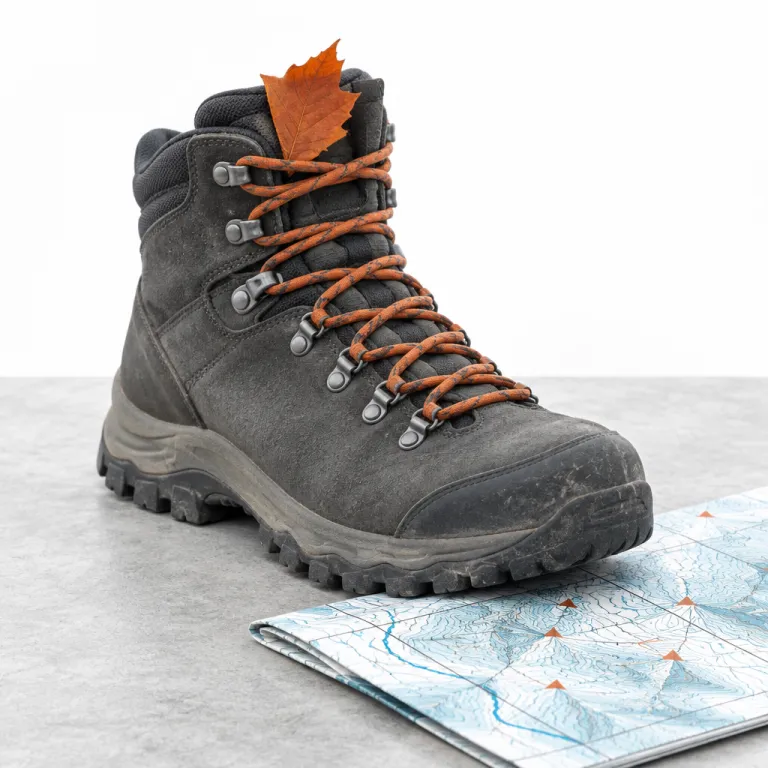
Reading peak color maps so your fall hike hits gold
Peak color maps look busy, but they tell a simple story. Each map shows when fall foliage in a specific state or mountain area is expected to move from early color to peak foliage, then to past peak conditions. When you plan fall foliage hikes, you are really matching your preferred trail miles and elevation gain to those shifting color bands.
Start with a national fall foliage forecast, then zoom into your target state and elevation band. For most of the United States, peak fall colors arrive in October, starting in late September at higher elevation and latitude and then sliding south and downslope week by week. If you want the best fall foliage hikes, track both the calendar and the contour lines so your chosen fall hike does not land on dull brown instead of bright gold.
Daily trackers refine the broad forecast with on the ground reports. When a map shows an area as “near peak foliage”, that is your cue to plan a quick round trip or even a spontaneous road trip if you live within a few hours. Treat those color zones like a moving weather front and shift your fall hiking plans accordingly rather than locking into one weekend and hoping for luck.
On the map legend, pay attention to how “moderate color” differs from “high color”. Moderate usually means scattered pockets of fall colors along the creek trail and around the lake, while high color means full canopy coverage and the best views from any mountain overlook. If your time is limited, aim for the high color window even if that means a shorter hike with only a few trail miles instead of a long objective with lackluster leaves.
Using elevation, latitude and timing to stretch your season
Latitude and elevation work together like a moving escalator for fall colors. Northern states and higher elevation mountain ranges usually hit peak foliage first, then color rolls south and downhill over several weeks. If you understand that pattern, you can stack multiple fall hikes instead of gambling everything on a single weekend.
In northern New England, for example, higher elevation gain routes in the White Mountains often peak in early to mid October, while lower valleys and a coastal state park may hold color a week or two longer. That means a hiker can plan one fall hike on a difficulty moderate ridge trail with 800 metres of miles elevation gain, then shift to a lower creek trail mile loop in a different area as the season progresses. New England leaf peeping generally runs from late September through late October, with northern Maine and the White Mountains peaking in early to mid October according to regional foliage reports.
Western aspen country behaves differently but follows the same logic. Around the Rockies near Grand Teton and the Bighorn Mountains, aspen color often centers on roughly the second week of October, so a fall hiking trip there should target that window for the best hikes to shimmering gold groves. Once those higher basins fade, you can chase remaining fall foliage in lower elevation valleys or shift your road trip toward southern ranges where color is just starting.
In the Cascades, larch season adds another layer to your planning. These high elevation conifers turn electric yellow later than some hardwoods, so a moderate mile loop above a lake can still deliver strong views even after nearby hardwood forests have passed peak foliage. When popular routes close or shift access, such as well known New Hampshire approaches that affect classic loops, smart hikers pivot to alternative trail miles that still offer strong fall colors and manageable elevation gain without crowding every parking lot in the region.
Boots, traction and safety on leaf covered fall trails
Fall foliage hikes look gentle in photos, but the footing can be treacherous. Wet leaves over roots and rock slabs turn a friendly trail into something closer to a winter approach, especially after the first frost. Your hiking boots matter more in October than on a dry summer hike because every step on a steep mountain slope can hide slick surprises.
For weekend day hikers, a mid height boot with a firm midsole and aggressive outsole usually offers the best balance between support and agility on fall hikes. Models like the Salomon X Ultra 4 Mid, the Lowa Renegade, or the Scarpa Zodiac Plus handle mixed creek trail conditions, shallow mud and light scrambling without feeling like mountaineering boots. After about 500 miles of mixed trail miles, I often see outsole lugs rounding off at the forefoot and minor delamination at flex points, which matters when you are edging on wet rock above a lake or crossing a cold creek on a chilly sunrise outing.
Pay attention to how your boot handles sidehilling on leaf covered slopes. A boot with a narrow last and softer midsole can feel nimble on a moderate mile loop, but it may fold slightly when you traverse steep, off camber sections during a longer round trip fall hiking day. If you often hike with a dog on dog friendly routes, prioritize stable platforms and grippy rubber so you can manage sudden leash pulls without sliding toward the creek or down a loose gully.
October often brings the first freeze thaw cycles, which turn shaded sections of trail into icy ribbons. That is when a supposedly friendly state park path with difficulty moderate ratings can feel far more serious, especially if your boots have worn tread and minimal heel brake. I carry lightweight traction in my pack once night temperatures dip, because the difference between a pleasant fall hike and a rescue call often comes down to one slick step on hidden ice beneath the leaves.
Planning logistics, flexible bookings and real world trail choices
Lodging reality hits hard for anyone chasing peak foliage in marquee regions. Prime weekends in New England, the Blue Ridge and popular state park hubs often sell out months ahead, especially near famous lake districts and mountain towns. Instead of locking every detail early, treat your fall foliage hikes as a flexible framework that you refine as peak foliage forecasts sharpen.
A practical strategy is to reserve cancellable rooms in two different areas that share similar drive times but different elevation profiles. Two weeks before your trip, check updated fall foliage maps and local reports, then commit to the region showing the best fall colors and cancel the other booking. This flexibility lets you pivot from a northern state with past peak conditions to a slightly more southern area where leaf peeping is just reaching its best fall window.
On the ground, logistics start at the parking lot, not the summit. Popular fall hikes near major cities or along scenic road trip corridors often fill trailhead parking by mid morning, especially on sunny weekends with clear views. If you want a quiet sunrise on a dog friendly mile loop around a lake or along a creek trail, plan to arrive before dawn and pack a headlamp, warm layers and a thermos so the early start feels like a ritual rather than a chore.
For hikers based near Washington, DC, regional resources that highlight top trails close to the city can help you match difficulty moderate objectives with realistic drive times and shoulder season conditions. Long distance trail reports from major routes such as the Pacific Crest Trail, the Appalachian Trail and the Continental Divide Trail also offer useful clues about snow lines, mud and early storms that may affect shoulder season access in your target state. When you read those reports carefully, you learn that the real risk in autumn is often not the big storm, but the small miscalculation about miles elevation, daylight and wet leaves on the last descent back to your car.
FAQ
How far in advance should I plan a fall foliage hiking trip
For marquee regions like New England or the Blue Ridge, start looking at lodging and permits three to six months ahead, especially for October weekends. Book cancellable options in more than one area so you can follow updated peak foliage forecasts. Finalize your target trail and state about two weeks before departure, when daily trackers give a clearer picture of color progression.
What is the best type of hiking boot for leaf covered trails
On leaf covered fall trails, a mid height boot with a firm midsole, supportive heel counter and aggressive outsole usually offers the best mix of grip and stability. Waterproof membranes help with wet leaves and shallow creek crossings, but prioritize traction and fit over marketing claims about ratings. If you mostly do moderate day hikes, choose a boot that feels secure on sidehills rather than an ultra stiff model built for heavy winter loads.
How do I use peak foliage maps for a specific trail
First, find your trailhead on a regional fall foliage map and note both the latitude and the elevation band. Compare the map’s predicted peak window with recent local reports or photos from park agencies and guide services. Then schedule your hike within the “high color” period, adjusting for whether your route climbs quickly into higher elevation gain terrain or stays in lower valleys that may peak later.
Are dog friendly fall hikes safe during peak color weekends
Dog friendly fall hikes can be safe, but they require extra awareness on crowded trails and slick surfaces. Choose routes with wider tread, moderate difficulty ratings and enough trail miles to spread people out, and keep your dog leashed near drop offs, creek crossings and busy viewpoints. Start early to avoid peak crowds at the parking lot and carry a towel, extra water and a backup leash in case conditions turn muddy or icy.
What is a realistic distance for a fall day hike with limited daylight
With shorter daylight in autumn, many experienced hikers cap their fall day hikes at 10 to 16 kilometres, depending on elevation gain and terrain. On difficulty moderate trails with good footing, that range leaves room for leaf peeping, photos and breaks without finishing in the dark. If your route includes significant miles elevation gain, technical sections or a long drive, aim for the lower end of that distance and carry a headlamp as non negotiable backup.